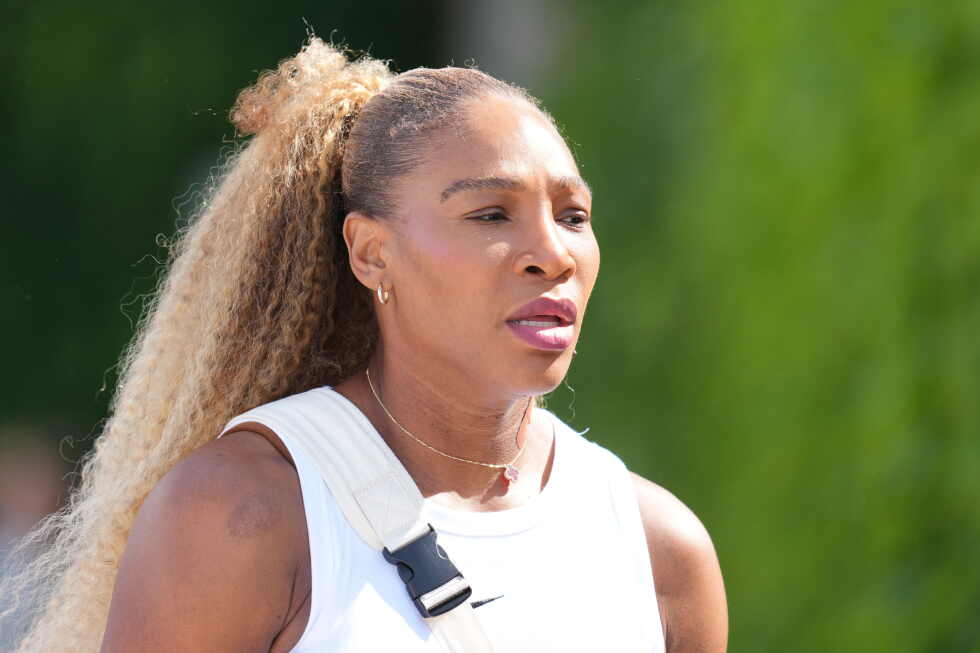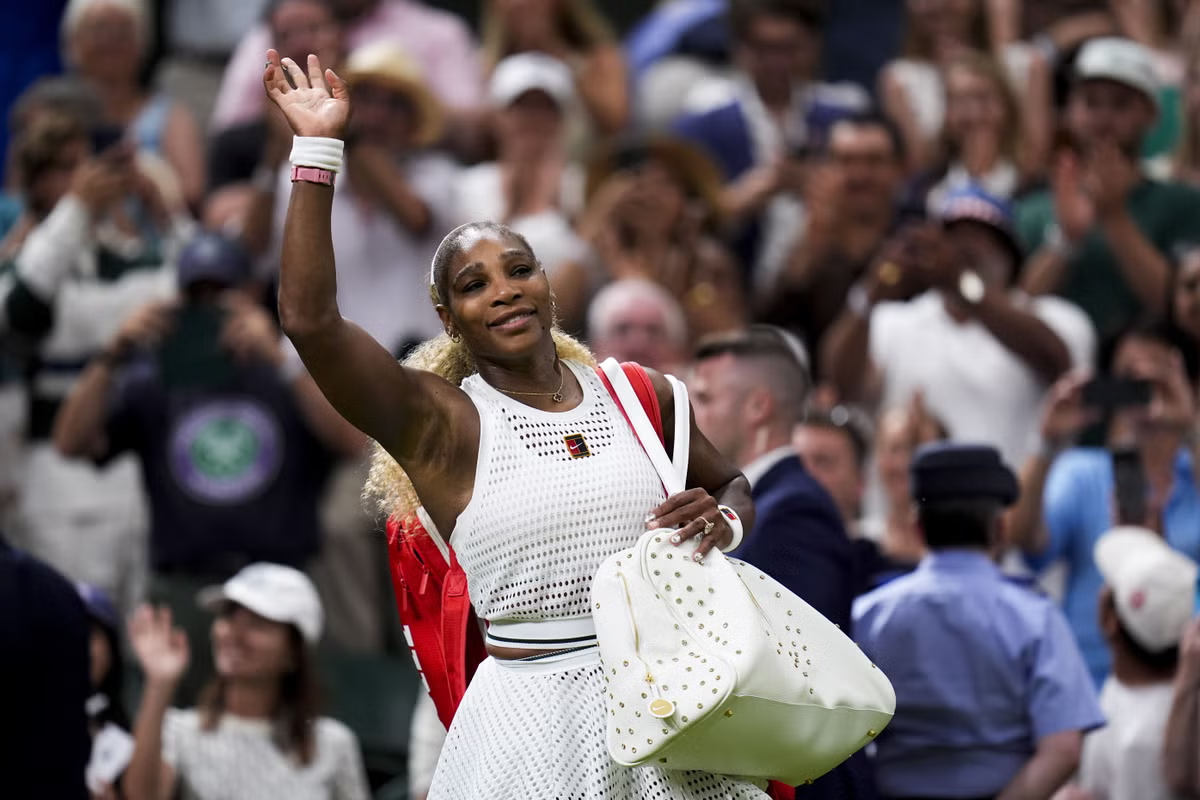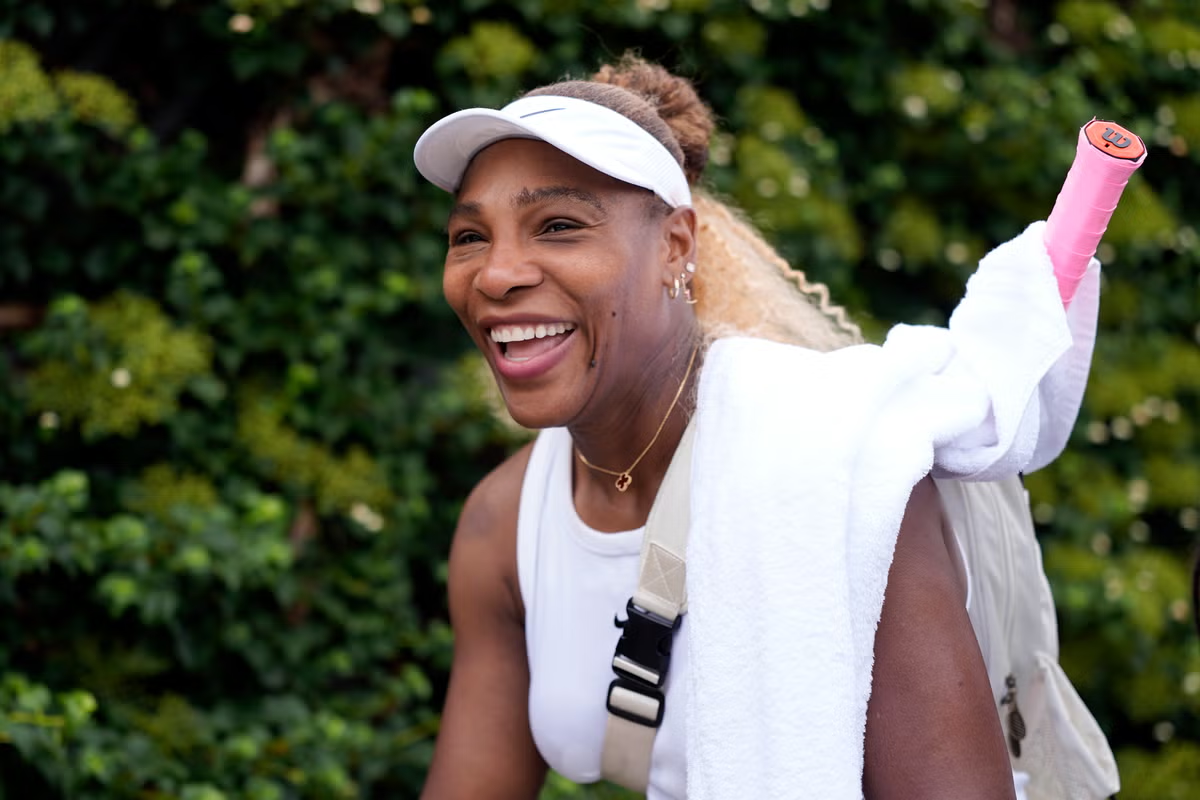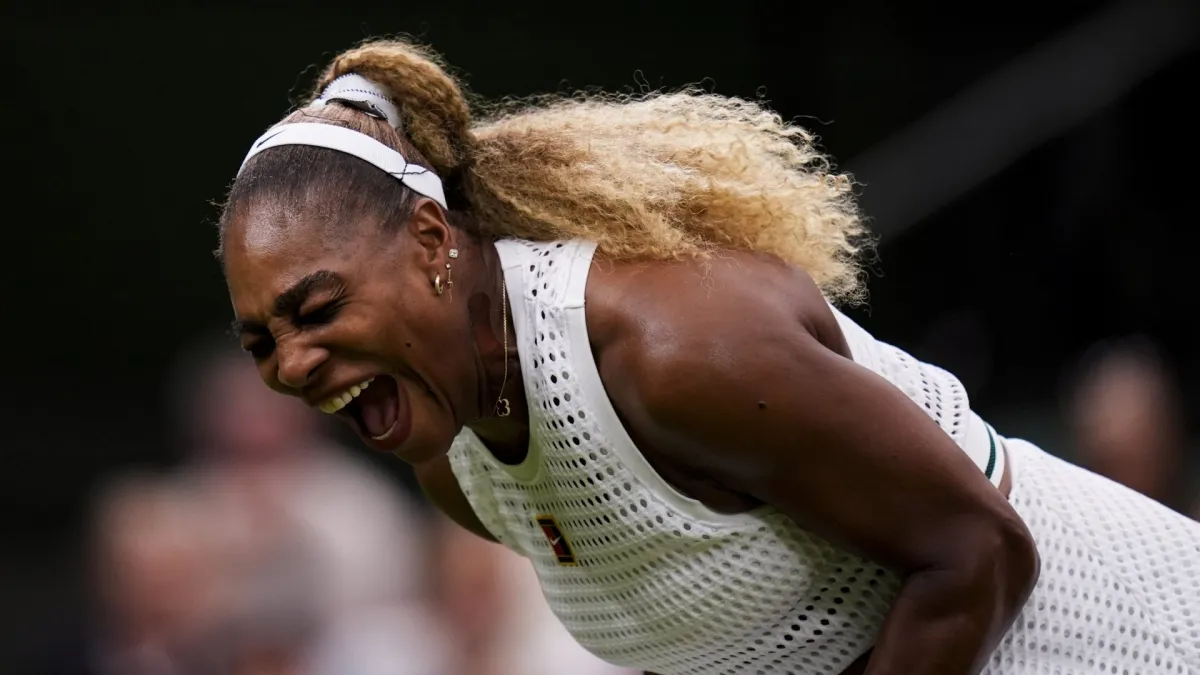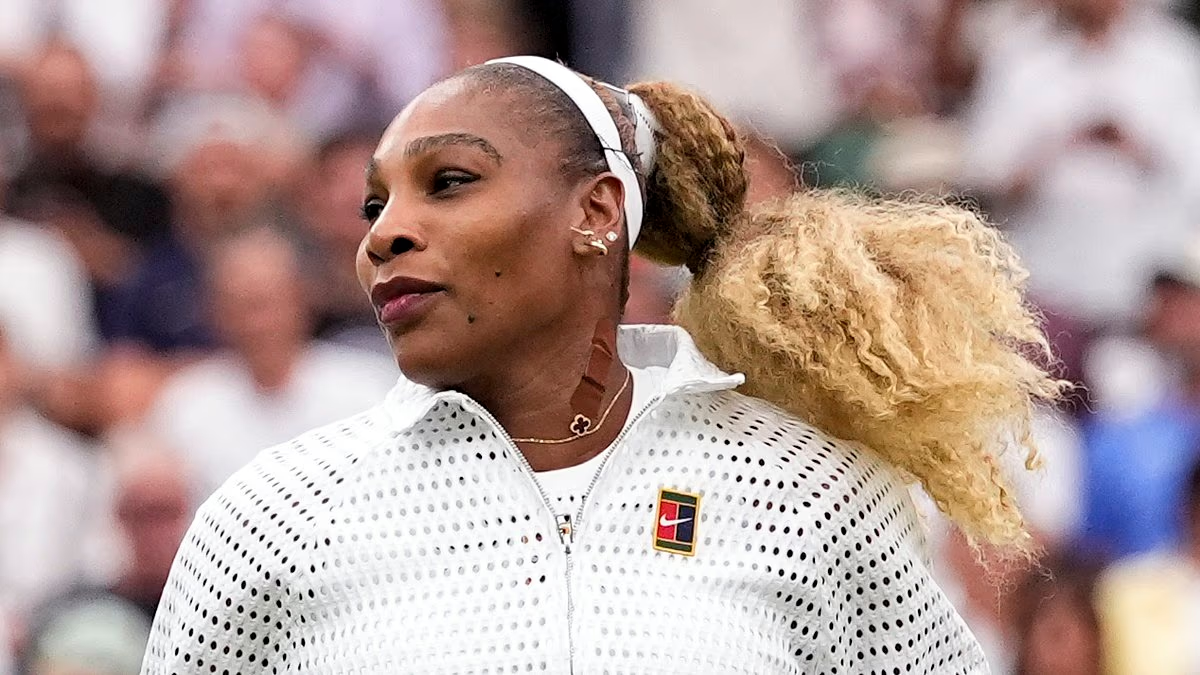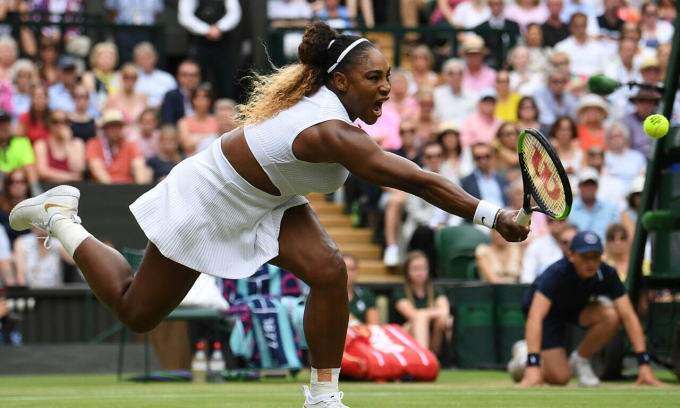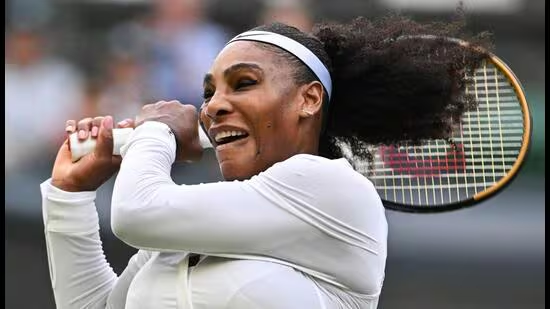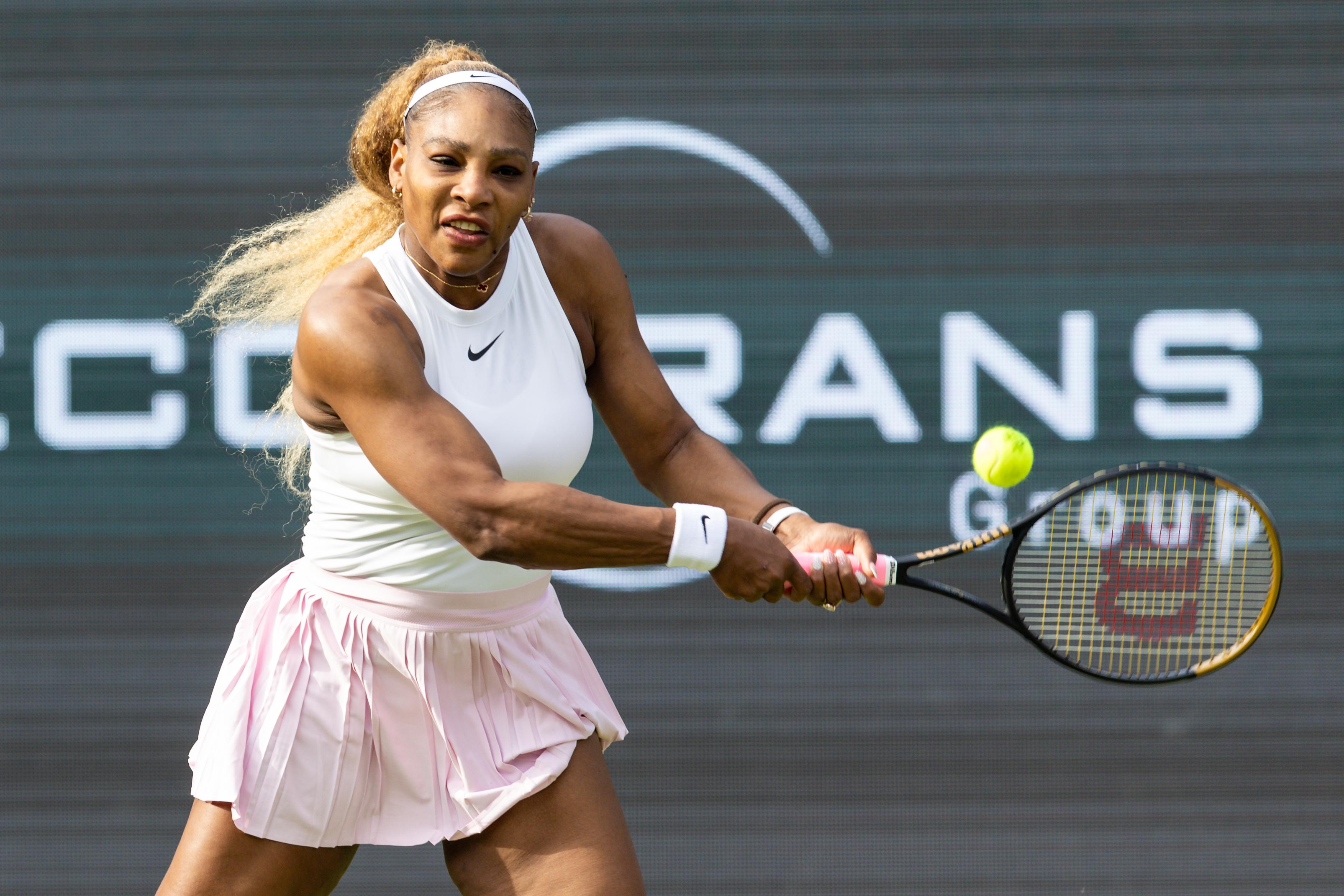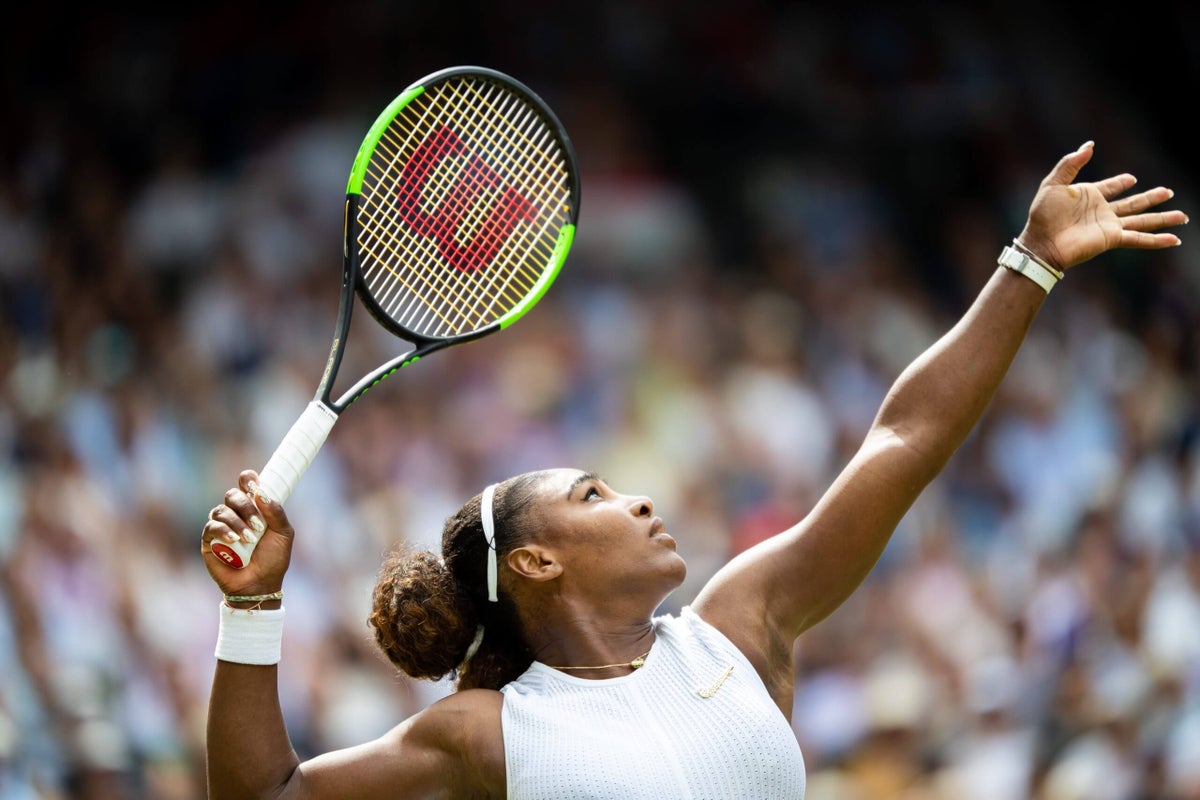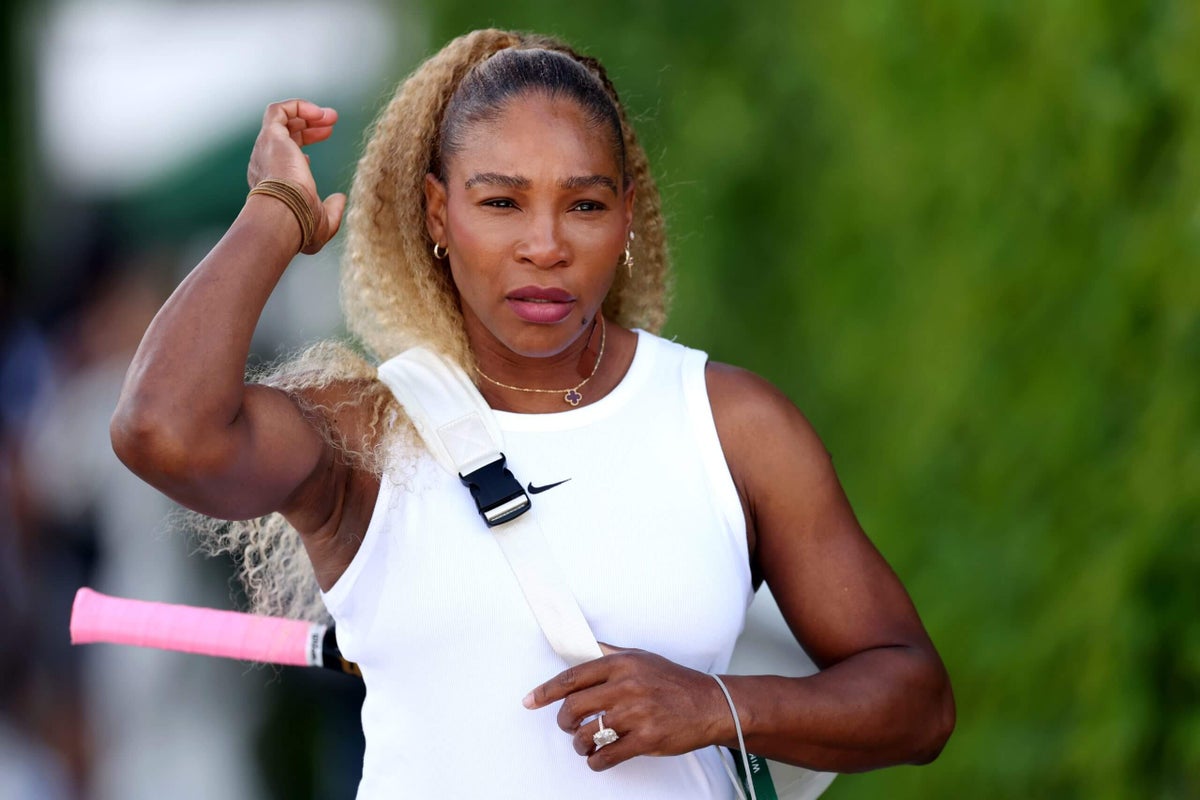
For most people, turning 40 heralds the start of a new era. On a daily basis, everyday life offers reminders that the athletic “specimen” they once were is no more — or is at least a little banged-up.“Things start going sideways. You sneeze and you throw your back out. You fart, you can’t straighten your head for a week. It’s just one of those things,” John Wood, a mixed martial arts trainer, said during a video interview from his Syndicate MMA gym in Las Vegas.For elite athletes, things can look a little different.On Tuesday at Wimbledon, Serena Williams is making her return to the singles court for the first time in almost four years. When Williams, 44, faces 20-year-old Australian Maya Joint on Centre Court, she will become the second-oldest woman to compete in the main draw at the All England Club in the Open Era, behind only Martina Navratilova. Williams, the 23-time Grand Slam singles champion, will also compete with sister Venus, 46, in doubles.As an elite athlete still competing into her fourth decade, the seven-time Wimbledon singles champion is in good company, and not only thanks to her older sister. At this summer’s men’s soccer World Cup, a record eight players are aged at least 40, which is more than at all previous tournaments combined. Lewis Hamilton is still achieving podium finishes in Formula 1 at the age of 41, which is the same age as NBA great LeBron James, who is still one of the most important players on the LA Lakers’ roster.In the past, athletes like Tom Brady in the NFL, Ryan Giggs in soccer and Navratilova all competed at the highest level into their 40s. But while these all felt like remarkable one-offs, longevity now appears to be more accessible to more athletes as sports science and nutrition continue to evolve, delaying the final bell on an athlete’s career until long after they are 30.Why Serena Williams chose Wimbledon to return to playing singlesAva Wallace“Playing at a high level in your 40s, you have to be special athletically,” tennis coach Brad Gilbert said during a phone interview, “and you have to be lucky, physically.”While that statement is undoubtedly true, there is also a lot of work that goes into helping an athlete be “special” and stay “lucky.”“We can track everything,” Nick Grantham, a strength and conditioning coach who works at English Premier League club Newcastle United, said during a phone interview.“Advances in technology mean you can get a really granular insight into how that athlete is adapting to training. So we understand globally, but then we can drill down to specialisms like nutrition and load management.“We’re not guessing anymore.”In tandem with those advances has come more money into many sports, giving top athletes the ability to build their own support teams. The world’s best tennis players now travel not just with a coach but a whole raft of people who are experts in everything from recovery to conditioning and nutrition. All of which enables athletes to refine the areas of their life away from the training ground or match.“Now we talk about the concept of being a 24-hour athlete,” Grantham added. “The bit you see on court or in training is just two or three hours. It’s what you do in those other 22 hours that’s helping to sustain that career longevity.”The biggest challenge for coaches working with older athletes is finding the right balance between training and rest and recovery.“It just takes your body a little bit longer to recover and they can’t sustain the same levels of intensity for prolonged periods of time without fear of breaking down,” Paul Annacone, a former coach of Roger Federer and Pete Sampras, said during a phone interview.“That balance of doing enough to know you’re ready to compete at the highest level, but also resting enough so that your body can manage whatever the load is going to be is a real challenge.”Serena Williams signs autographs at Wimbledon. (Adrian Dennis / AFP via Getty Images)Recovery capacity changes with age. A tennis player in their 20s may experience a certain amount of load on their muscles, tendons and connective tissues as something manageable; 20 years later, the same load may be insupportable, or lead to so much fatigue after a win that playing the next match in a tournament at the required capacity is not possible.That’s not always an easy message for athletes to hear, especially when they have spent most of their career pushing the limits. Novak Djokovic, 39, is like many elite tennis players approaching 40 — the 24-time Grand Slam champion’s skills and peak level are still there. But it’s reproducing that peak repeatably that is the challenge. This means preparation has to be more proactive than reactive, managing a surfeit of small issues so that they do not become match-ending problems.
Serena Williams’ Wimbledon comeback and how elite athletes in their 40s return to the arena
Sports science, training optimization, and a good old-fashioned dose of aura can all lend a hand.
2,011 words~9 min read