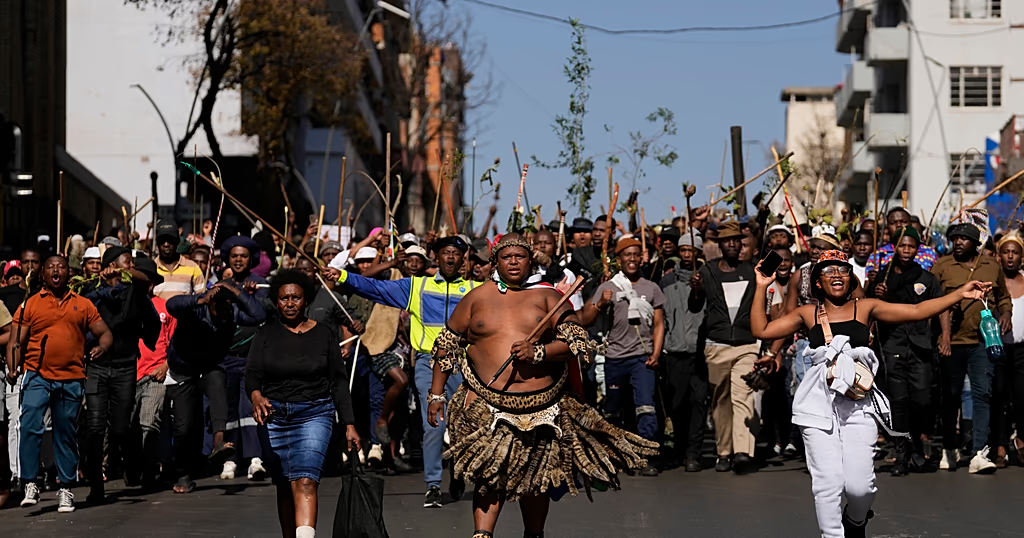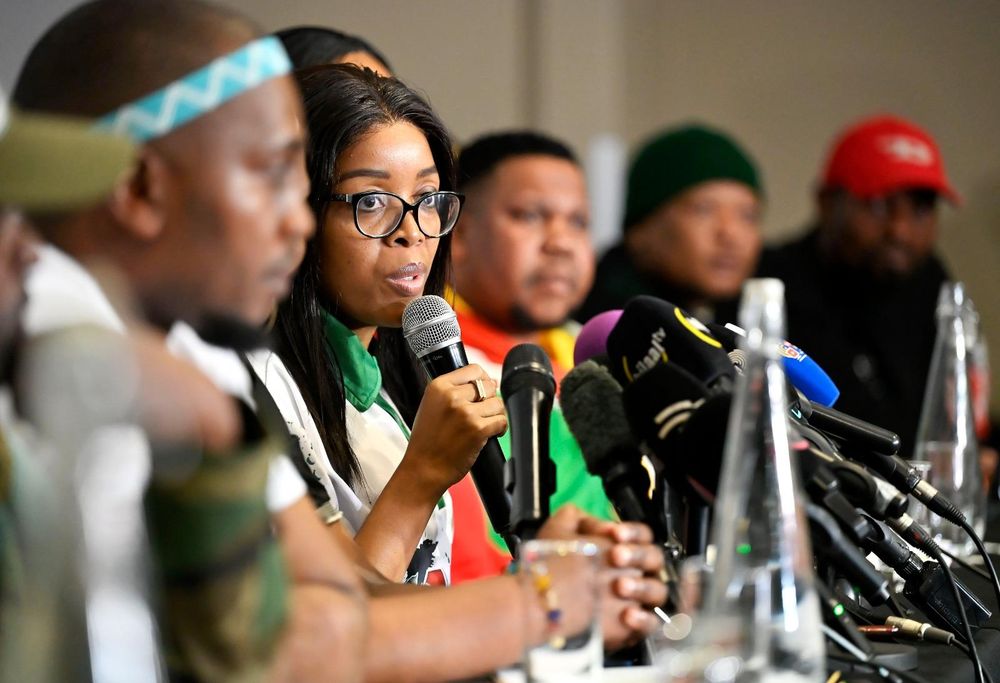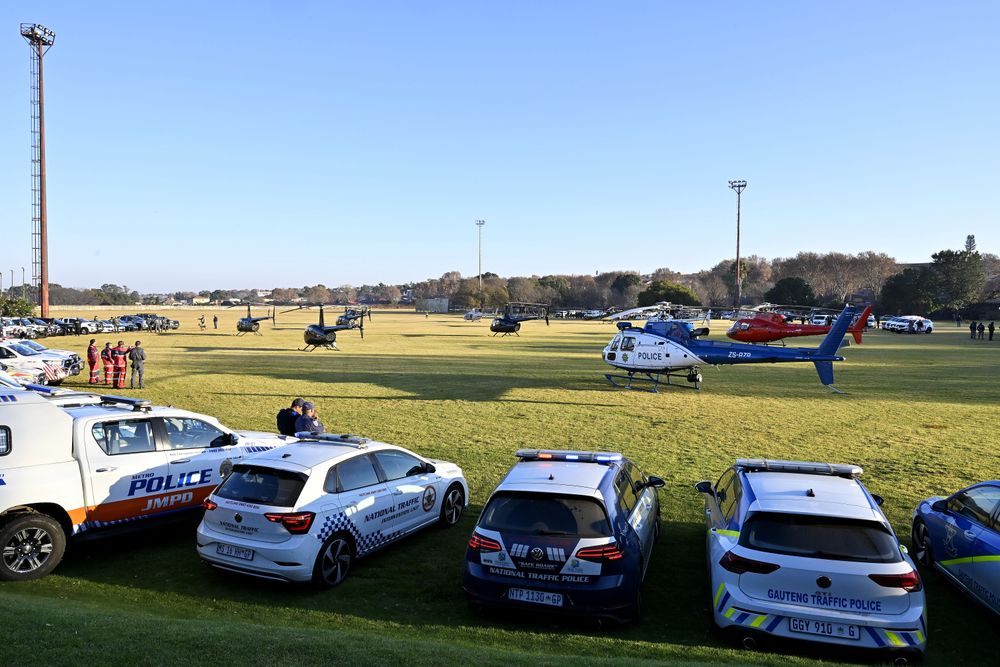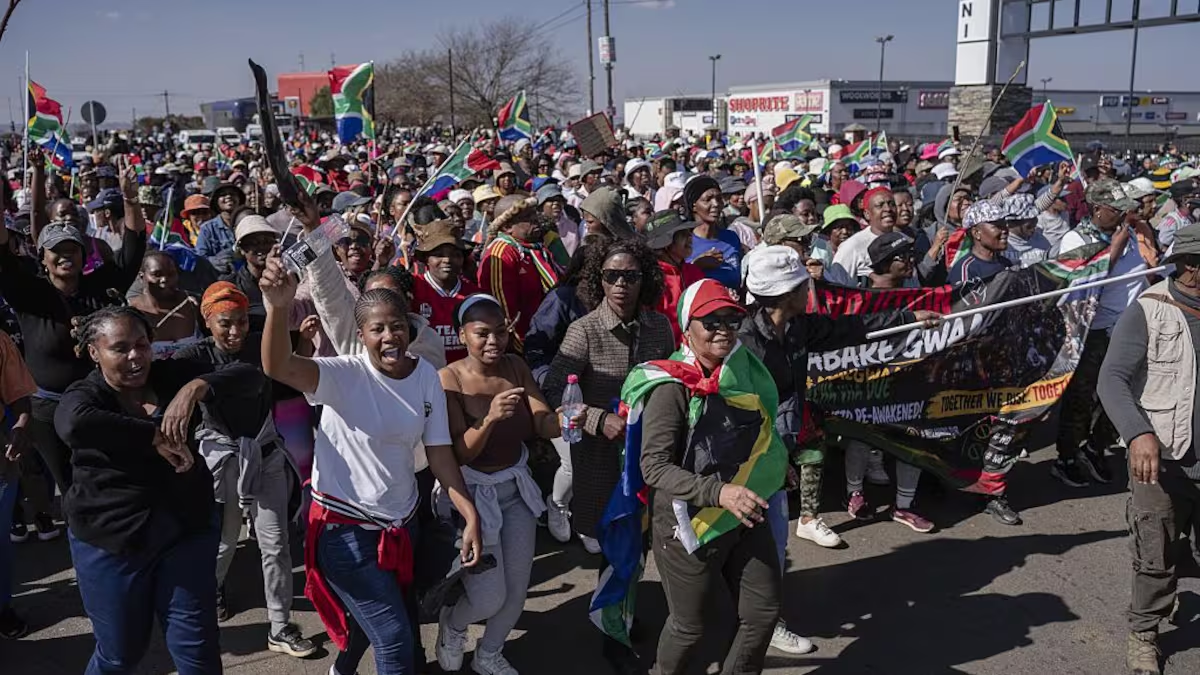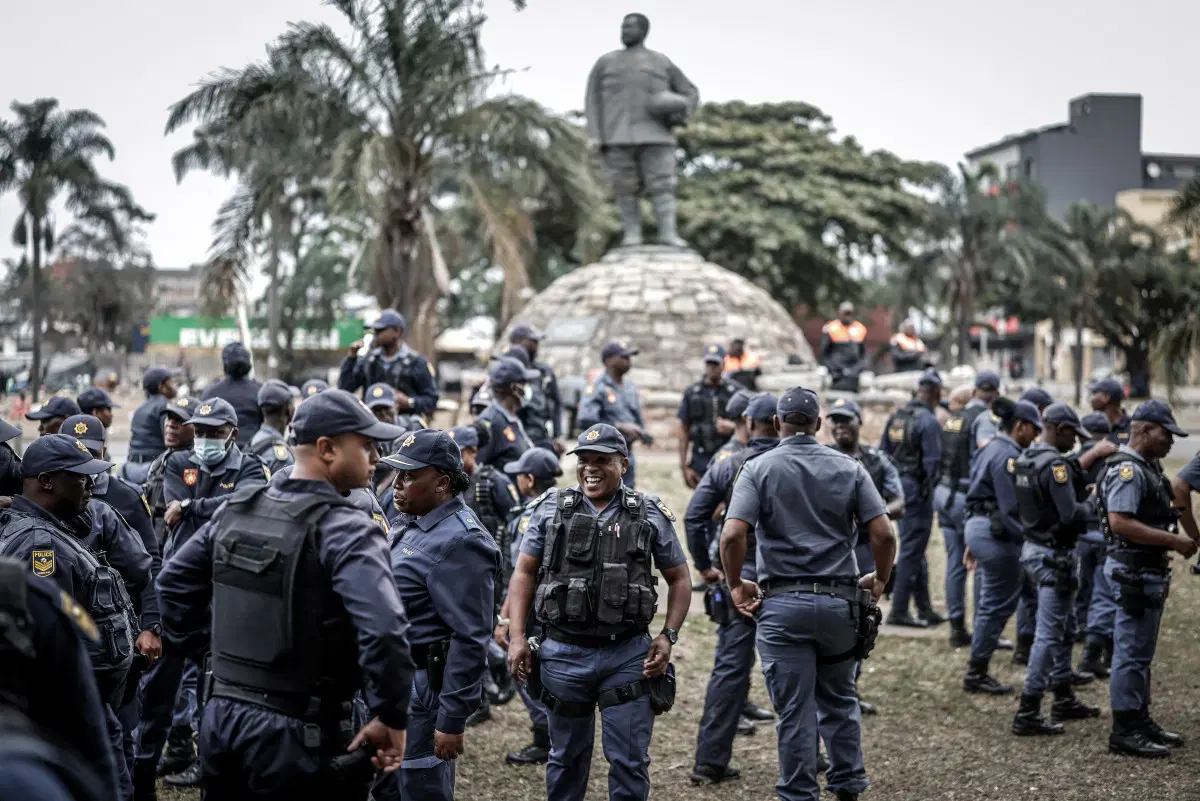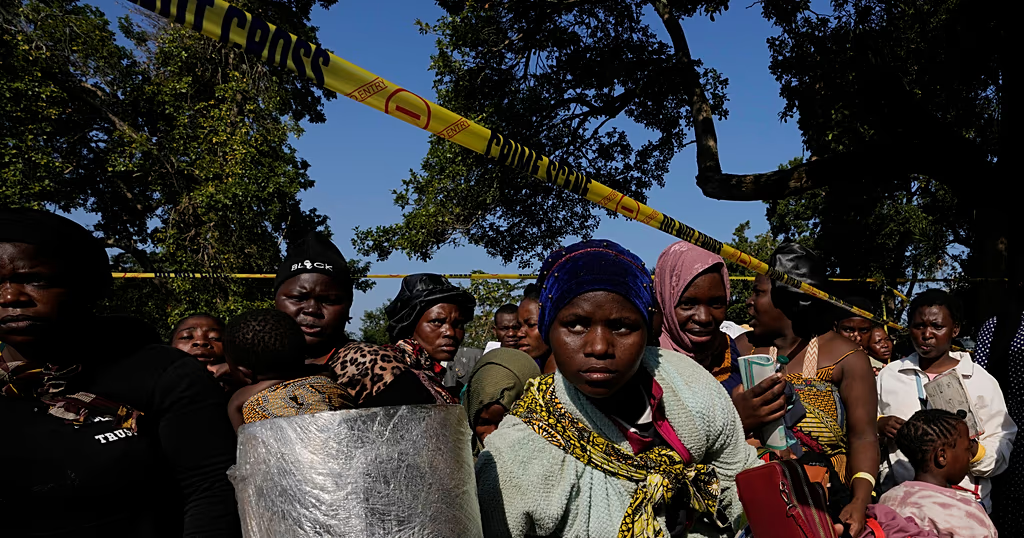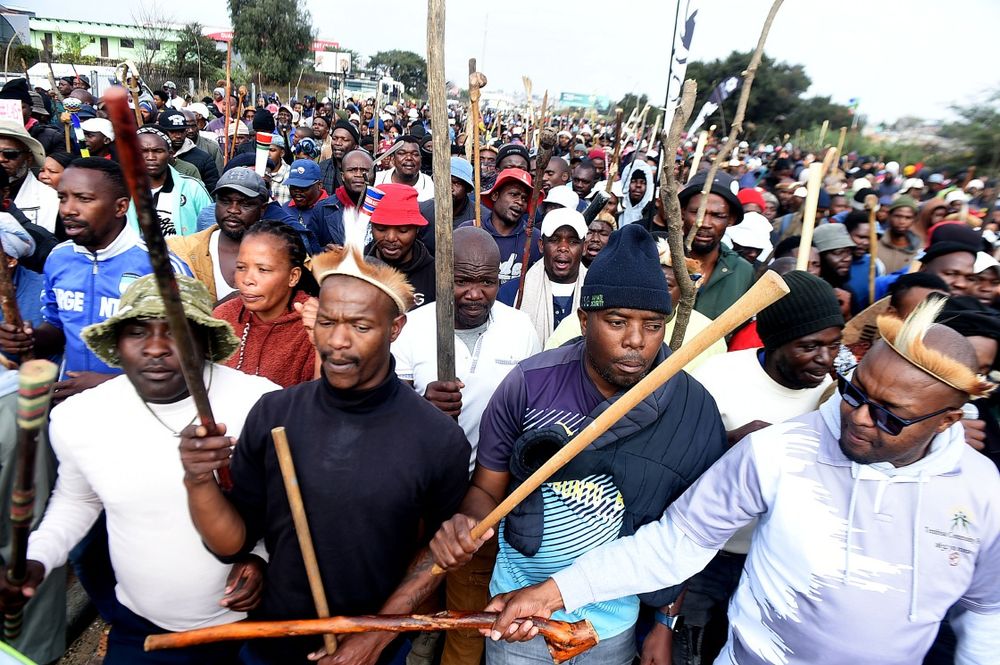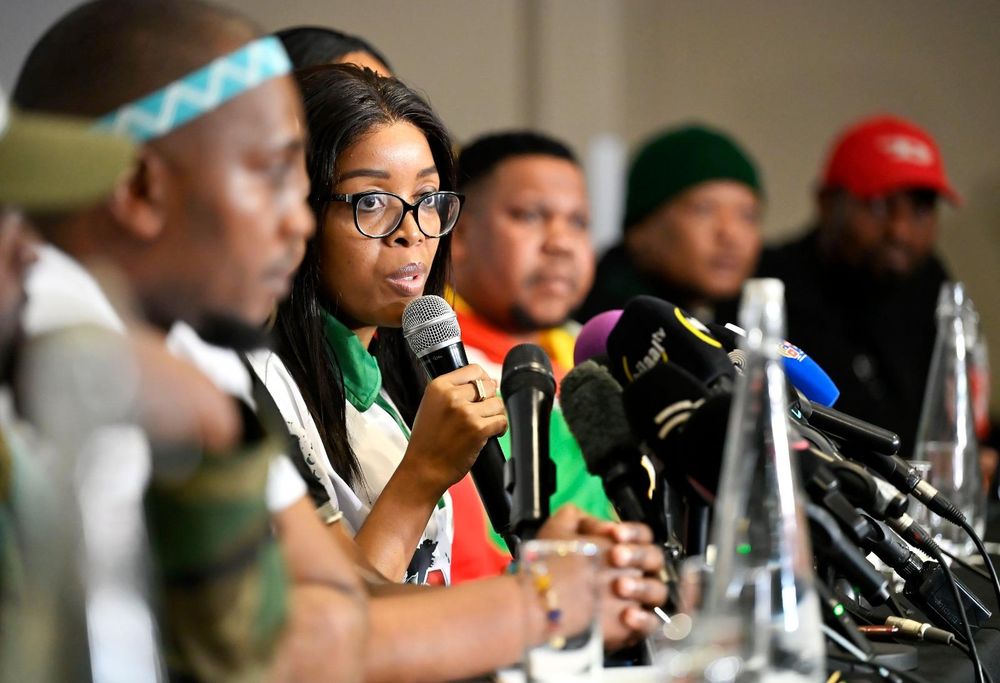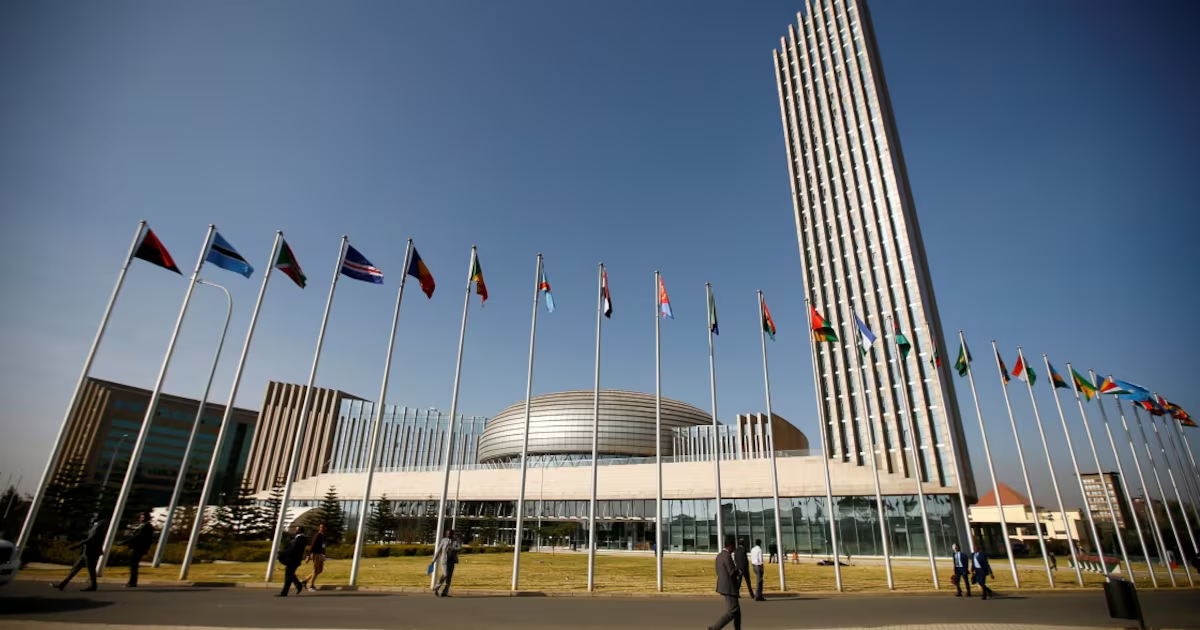
The African Commission on Human and Peoples’ Rights (ACHPR) called on the South African government to prosecute organisers and participants behind a wave of threats and violence against foreign nationals as the “deadline” for migrants to leave the country arrived on Tuesday.Tuesday’s nationwide demonstrations are aimed at forcing the government to deal with illegal immigration. The organisers of the events, including anti-immigrant groups March and March and Operation Dudula, have given foreigners a self-imposed June 30 deadline to leave the country. The deadline is not legally binding and has not been endorsed by the government. The deadline has prompted the government, together with private security firms, to deploy maximum security measures. This is aimed at protecting those who may be affected and to avoid a repeat of July 2021 unrest. President Cyril Ramaphosa in his weekly newsletter on Monday appealed for calm, acknowledging public concerns about undocumented immigration, border security and pressure on public services.He insisted these must be addressed through constitutional processes rather than by individuals taking the law into their own hands. He warned the right to protest does not permit threats, intimidation, vandalism and violence and stressed that enforcing immigration laws is the state’s responsibility.The Banjul-based ACHPR, an organ of the AU, said in a statement it was deeply alarmed by reports of mounting anxiety among foreign nationals prompted by the threat of expulsion issued by vigilante groups. “The threat of attacks and expulsion directed against migrants from other African nationals after the purported deadline of June 30 constitutes a direct violation of articles 12(4) and (5) of the African Charter, which prohibit mass expulsion of non-nationals. Any act of tolerance or accommodation of such threats is contrary to the values that underpin the African Charter and constitute a grave threat to due process of the law,” the statement reads. “The commission reiterates the responsibility to enforce immigration laws rests solely with duly authorised state institutions, and any form of vigilante justice or mob action or tolerance and accommodation of such action is contrary to the values that underpin the African Charter and constitute a grave threat to due process of the law.”The commission urged Pretoria to identify, prosecute and sanction all perpetrators, including those involved in organising or inciting such acts, and to ensure victims have access to effective remedies and reparations. That language extends accountability beyond people who carry out physical attacks to those who plan or call for them. Beyond prosecutions, the commission outlined three additional steps for the government, including deploying an increased security presence, the provision of safe spaces in high-risk areas such as KwaZulu-Natal, taking decisive measures to dismantle and prevent the operation of vigilante groups, and strengthening oversight to ensure law enforcement agencies comply with human rights standards. Deputy national police commissioner Lt-Gen Tebello Mosikili, briefing reporters hours ahead of the planned nationwide demonstrations, said the security cluster had entered the full implementation phase of what police are calling Operation 30 June. National and provincial joint operational structures were running on a 24-hour basis, with public order policing units, the national intervention unit, the special task force and the air wing positioned across all nine provinces, according to prepared remarks released by the police.ArrestsPolice have registered 103 cases tied to anti-foreigner sentiment since March 1, leading to 195 arrests, with the Free State accounting for the largest share at 153 arrests from 29 cases. KwaZulu-Natal recorded the most cases at 39 but only 11 arrests. Police said more than 50,000 people have been arrested since January for being in the country illegally, including more than 2,800 in the past week alone. SAPS said more than 25,000 foreign nationals have already been repatriated under armed escort to border posts.“In terms of arrests over the weekend, a group of March and March protestors entered a home in Rosettenville, Johannesburg, where a Congolese family are residing, and harassed the family. We can confirm four people were arrested and are in custody on charges of public violence and house robbery,” police said. “The leader of the march linked to the Abahambe protests, Simphiwe James Bonile, remains in custody after his arrest in May in the Western Cape. His case is remanded to July 2 2026.”Business Day
AU presses SA to prosecute as police confirm 195 arrested since March over anti-immigrant threats
Operation 30 June enters full phase with focus on preventing vigilante violence
702 words~3 min read