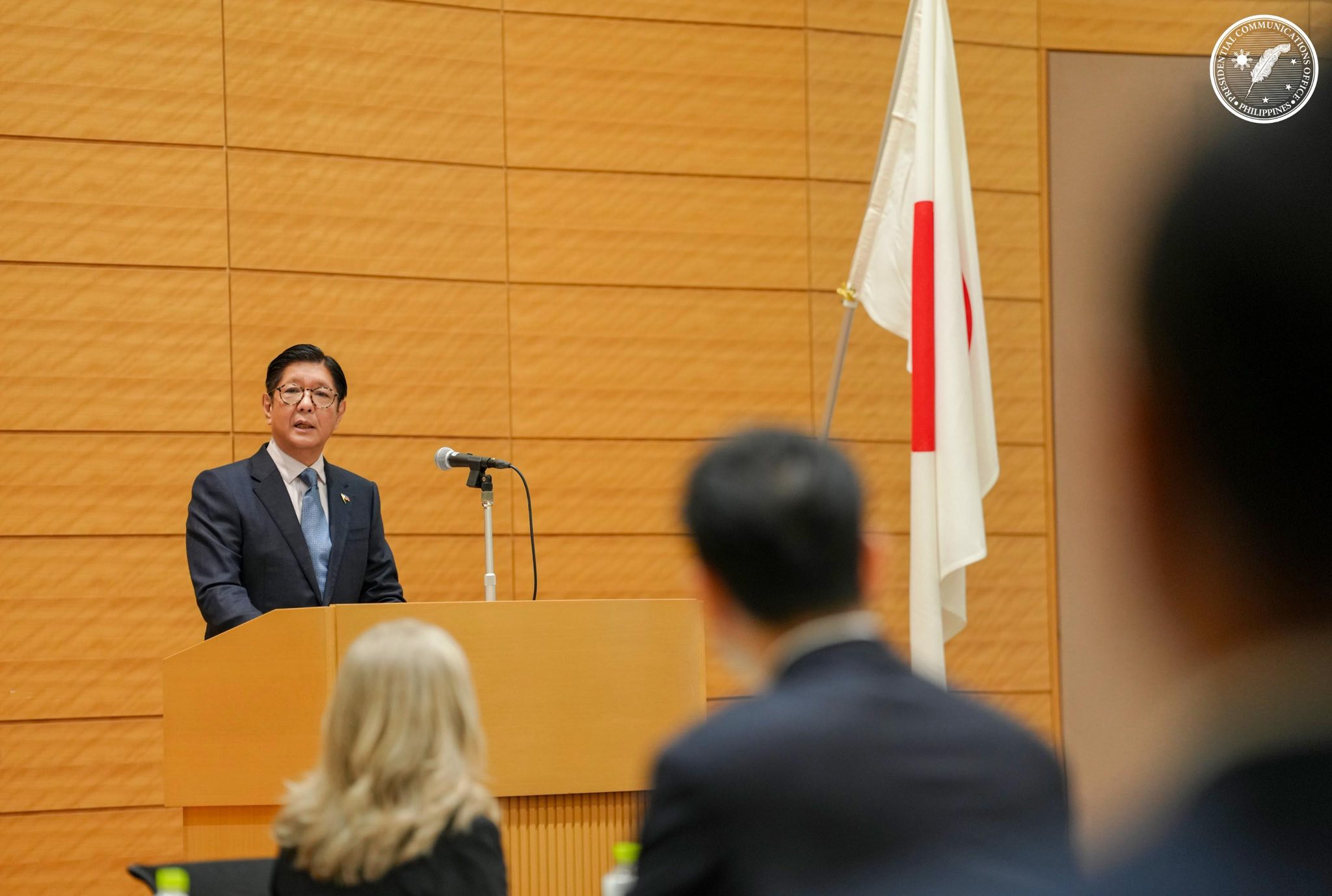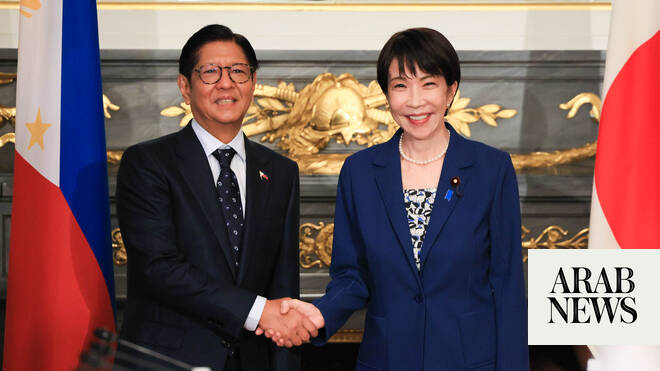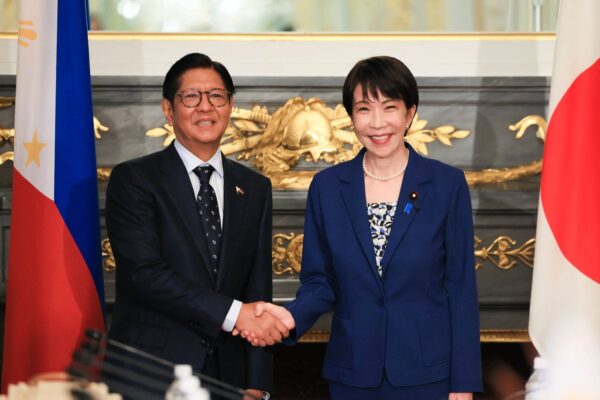
Following their summit meeting on May 28, Philippine President Ferdinand Marcos Jr., who was visiting Japan as a state guest, and Japanese Prime Minister Takaichi Sanae issued a joint statement in which they agreed to upgrade bilateral ties to the Comprehensive Strategic Partnership level. The upgrade marks the 70th anniversary of normalized diplomatic relations and reflects the two countries’ expanding cooperation in recent years, notably in the maritime and security realms, exemplified by Japan’s first export of completed defense equipment to the Philippines in 2023 and the Philippines becoming the first recipient of Japan’s Official Security Assistance, announced in January.
Under the Comprehensive Strategic Partnership, the two leaders agreed to initiate negotiations on the General Security of Military Information Agreement (GSOMIA) as a step toward future intelligence sharing, and to examine the possibility of transferring a naval vessel from Japan to the Philippines. They also agreed to strengthen energy security cooperation through Japanese support for the Philippines in developing a national oil reserve system.
The two countries also reconfirmed their partnership for infrastructure development and trade and investment promotion through existing economic agreements, including the Japan-Philippines Economic Partnership Agreement (JPEPA), ASEAN-Japan Comprehensive Economic Partnership (AJCEP), and the Regional Comprehensive Economic Partnership (RCEP). The Philippines reiterated its interest in joining the Comprehensive and Progressive Agreement for Trans-Pacific Partnership (CPTPP), and Japan expressed its support. Together, these elements reflect the two fundamental components of international relations: power and economic interest.