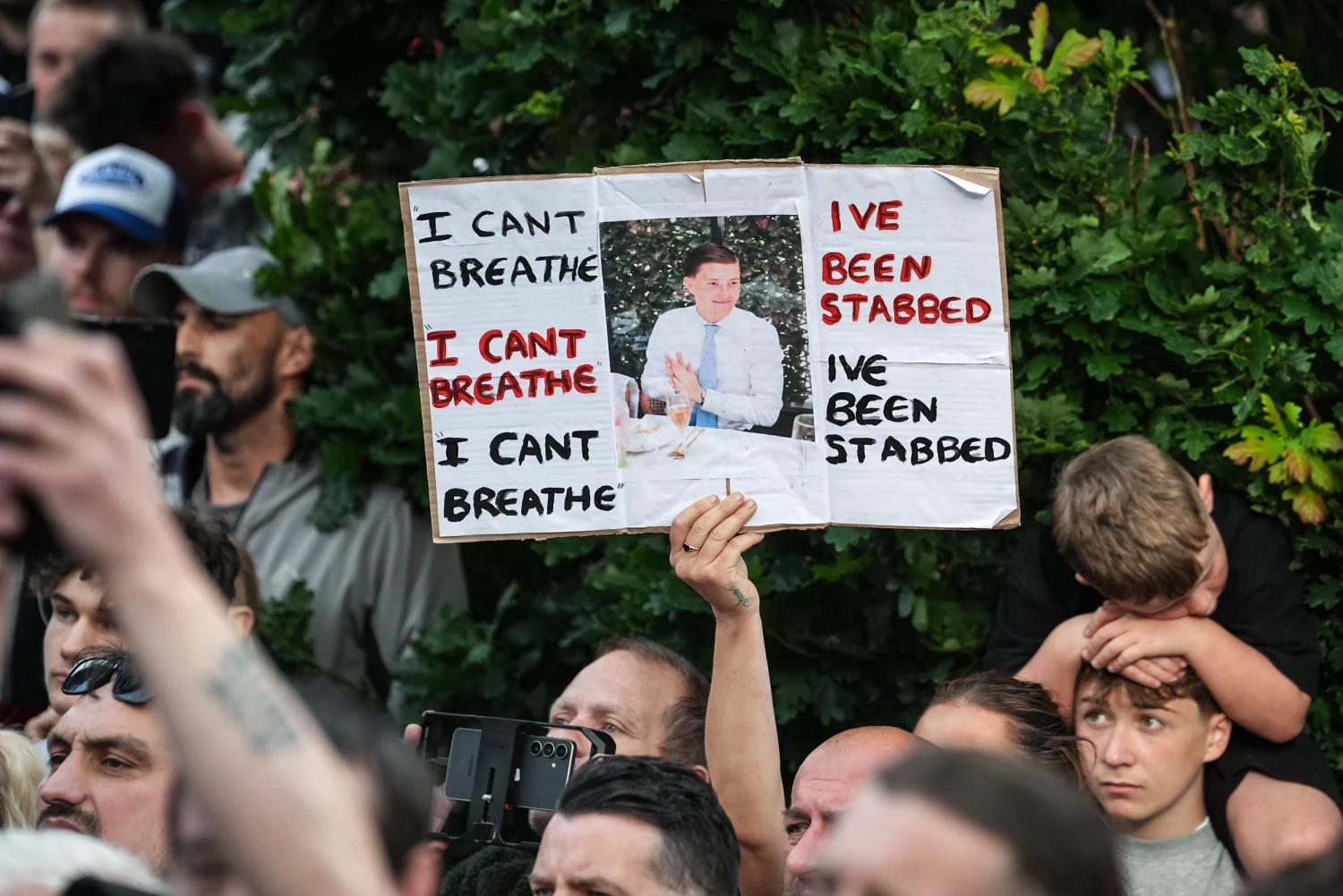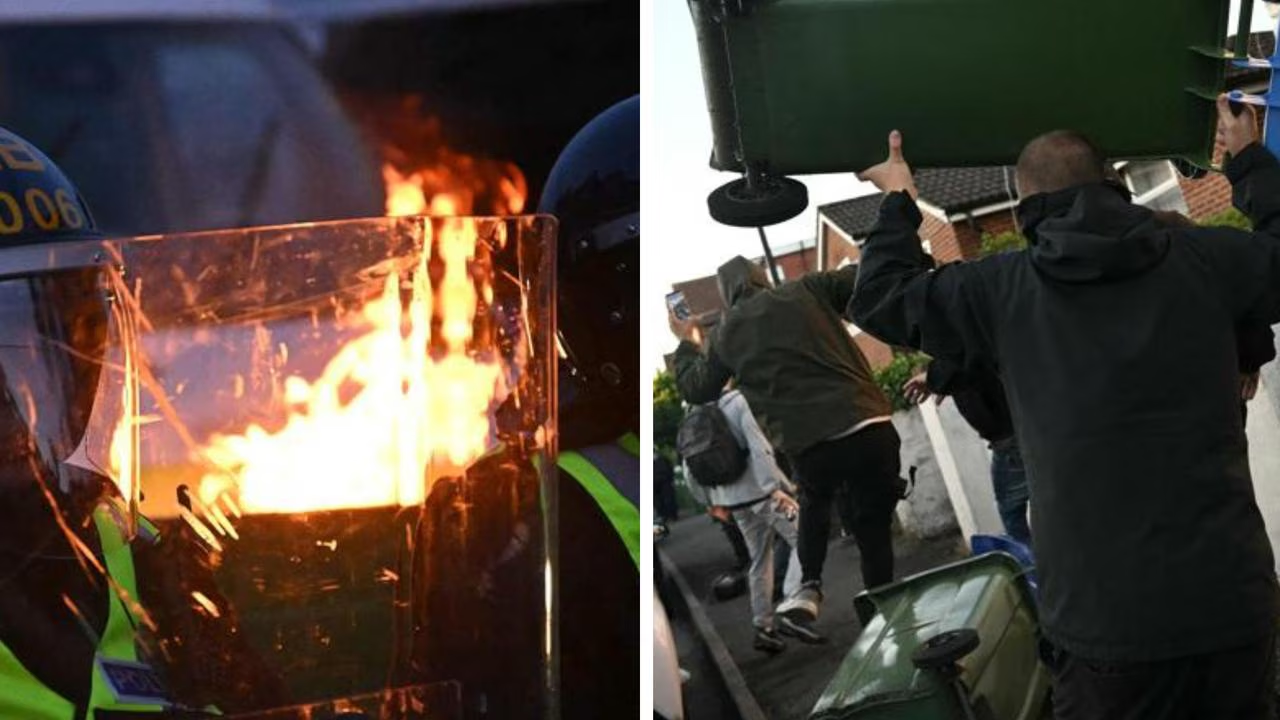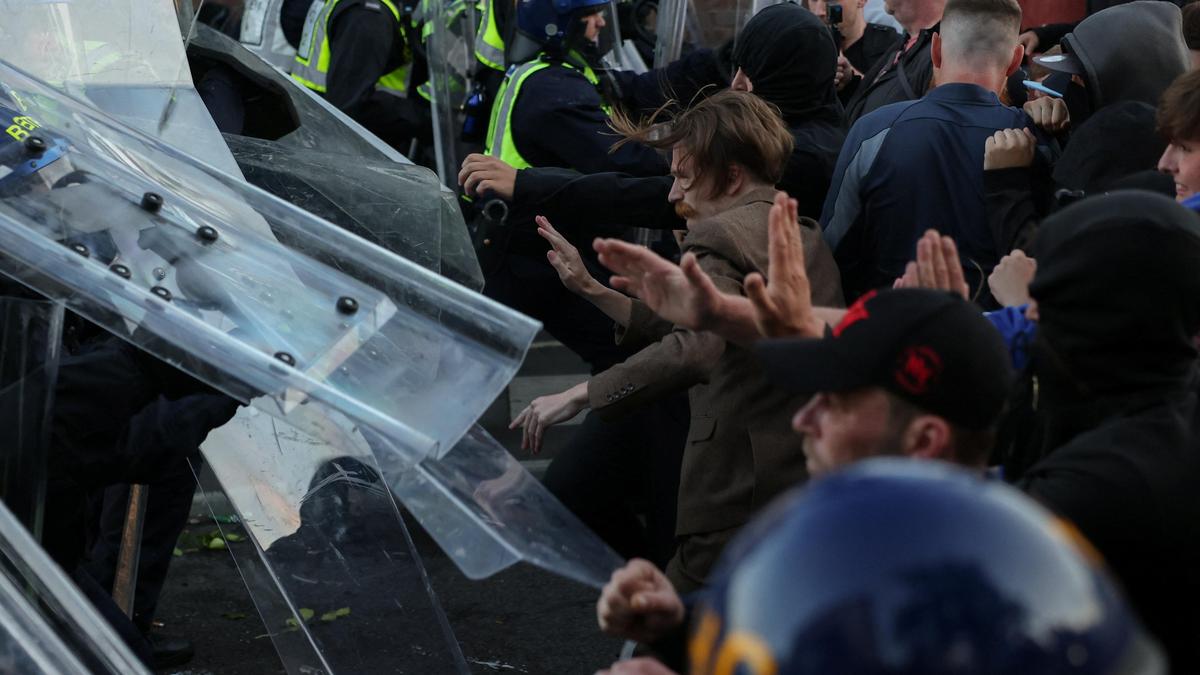
LONDON: After nearly four decades in Britain, Ali Haydor says there are now days when he wishes he could hide his brown skin. Violent protests erupted in his home city of Southampton after a British-born Sikh, who falsely accused his white victim of a racist attack, was jailed for murder.
A video of police handcuffing his dying victim, released alongside the man’s sentencing on June 1, sparked outrage and cross-party calls to scrap police guidance on differing treatment by ethnicity.
A week later, gangs of masked men went door to door seeking out migrants after a white man in Belfast was stabbed multiple times and lost an eye in an attack by a Sudanese immigrant. While such cases are rare, they have become a rallying point for right-wing activists and politicians, whose focus on crime has tapped into simmering tensions over national identity and immigration.
The net result is that, for some, the Britain that has been a stable home for many ethnic minority communities has turned more hostile.
“Anybody of color is at risk at the moment,” said Haydor, a 44-year-old who moved from Bangladesh aged five. “As much as we love our heritage and identity, sometimes (I wish) we could just hide it.”