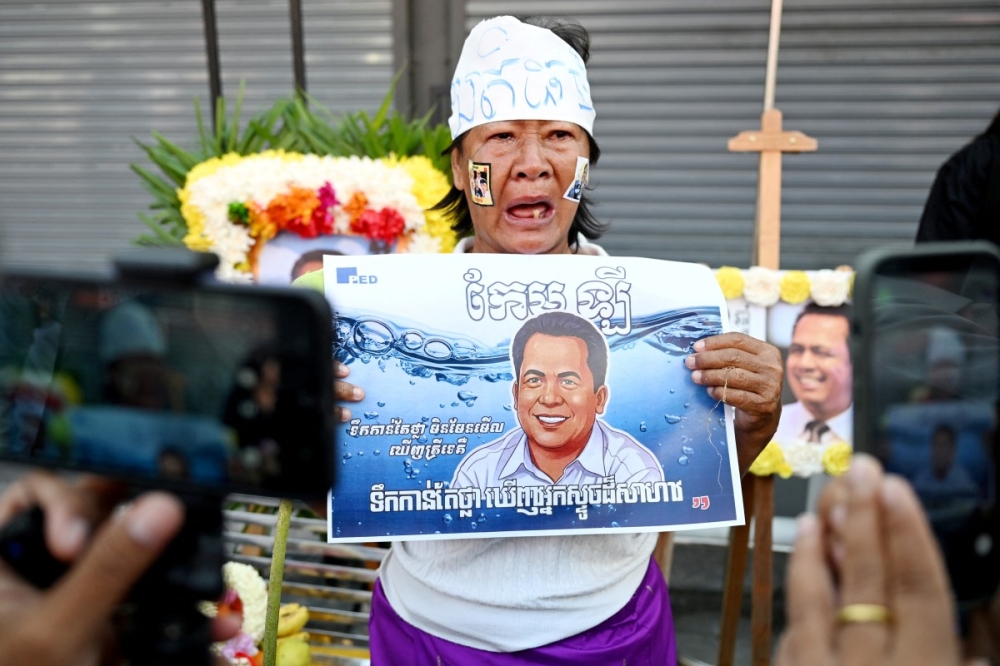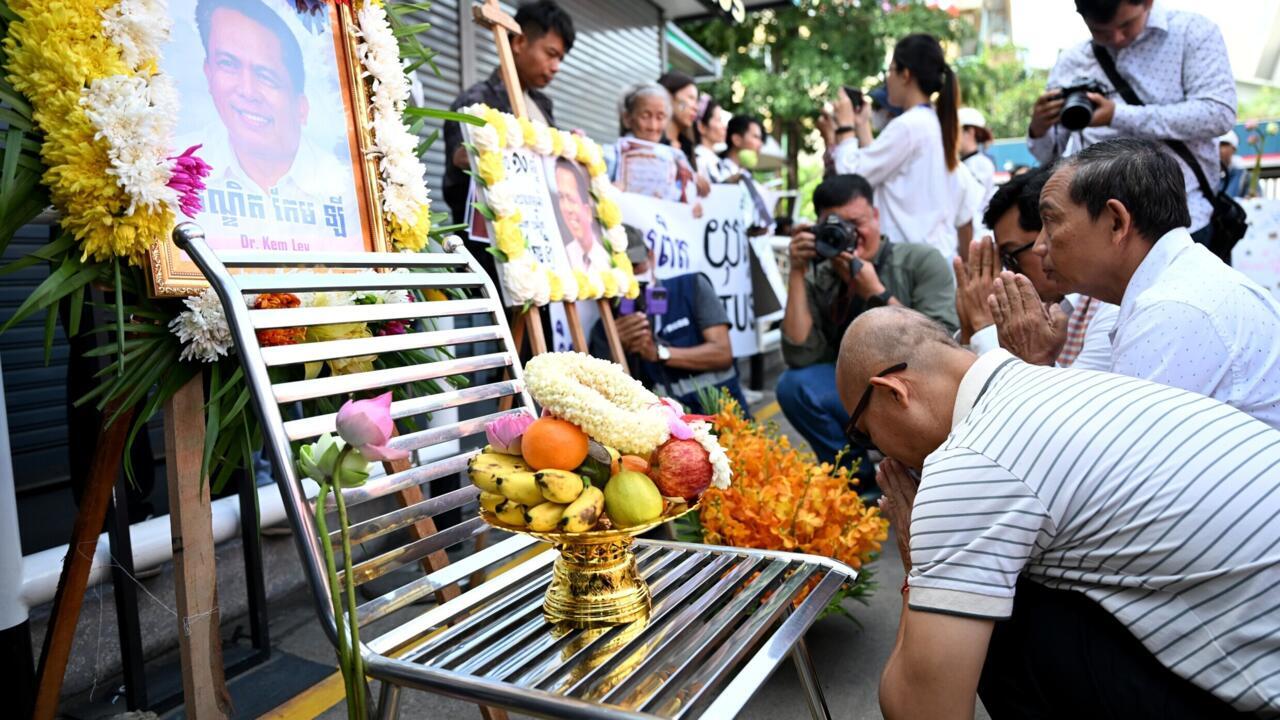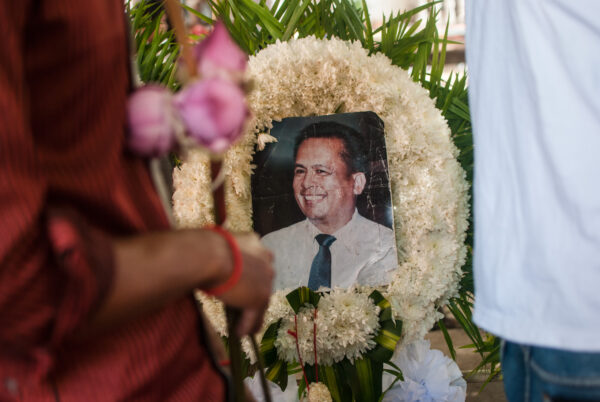
On July 10, 2016, Cambodia’s political landscape was significantly altered by the assassination of the grassroots political organizer Kem Ley. Shot in broad daylight at a petrol station in Phnom Penh, his death silenced a prominent supporter of political reform and one of the country’s staunchest advocates of democratic transparency and accountability.
Ten years on from his death, the principles he championed appear increasingly remote for most Cambodians. The ruling Cambodian People’s Party (CPP) has tightened its grip on the executive and judicial branches, while deepening its reliance on China in an effort to insulate the economy from Western tariffs and sanctions. Nevertheless, initiatives both at home and abroad point to a new, and potentially democratic, path for Cambodia in the coming years.
Kem Ley was not a politician, a military commander, or a wealthy businessman. He operated as a political analyst, public intellectual, and grassroots advocate who spoke plainly about corruption, land rights, and the growing gap between Cambodia’s leadership and the general public. In a country where public dissent is tightly constrained, Kem Ley possessed a rare ability to engage ordinary citizens in open political dialogue. For many, his murder marked a definitive turning point in Cambodia’s post-civil war democratic experience.