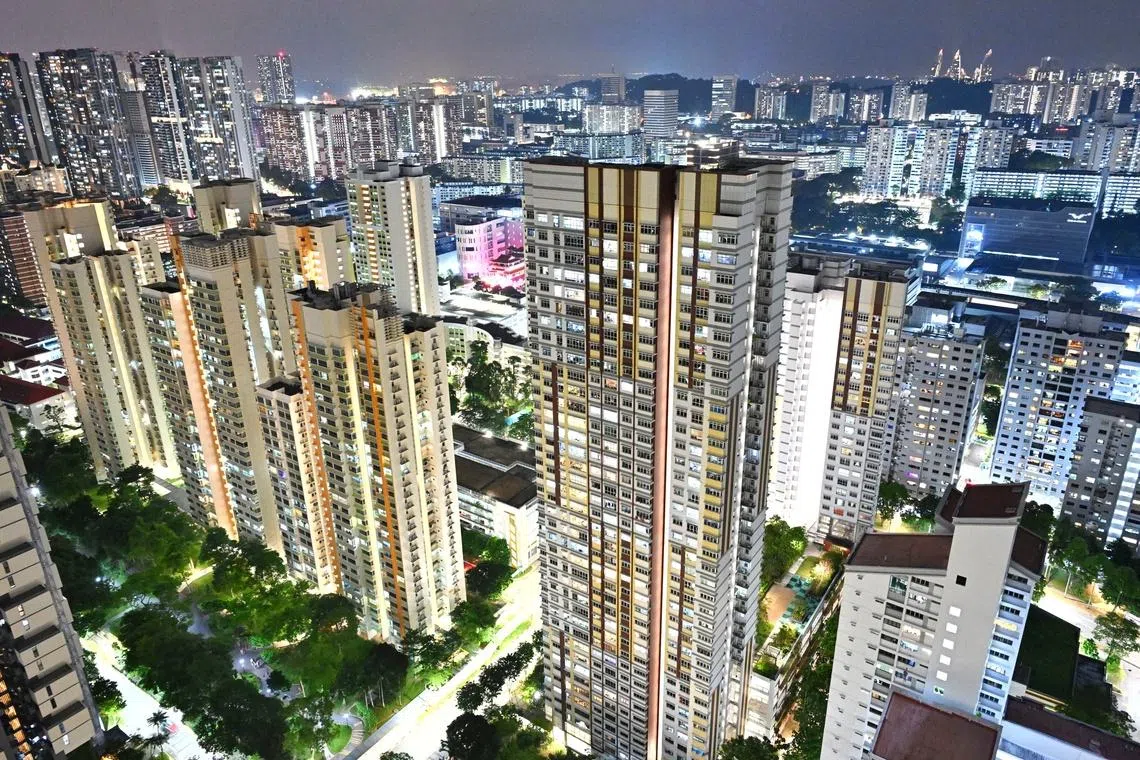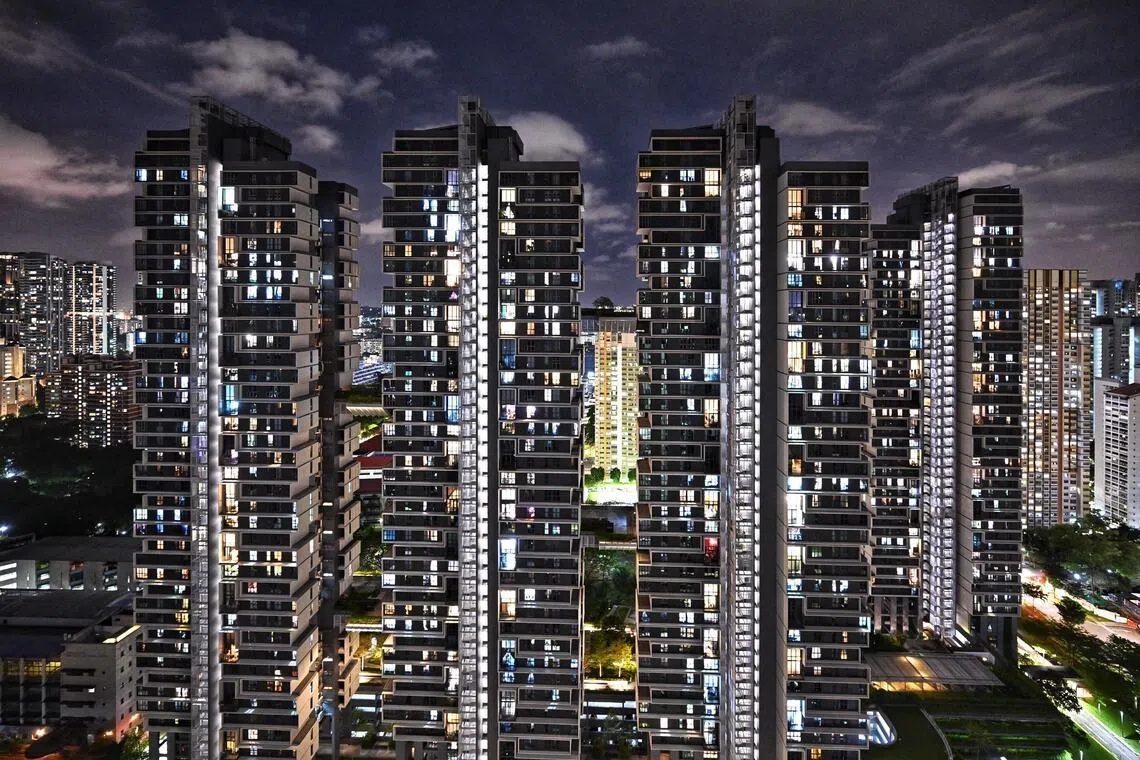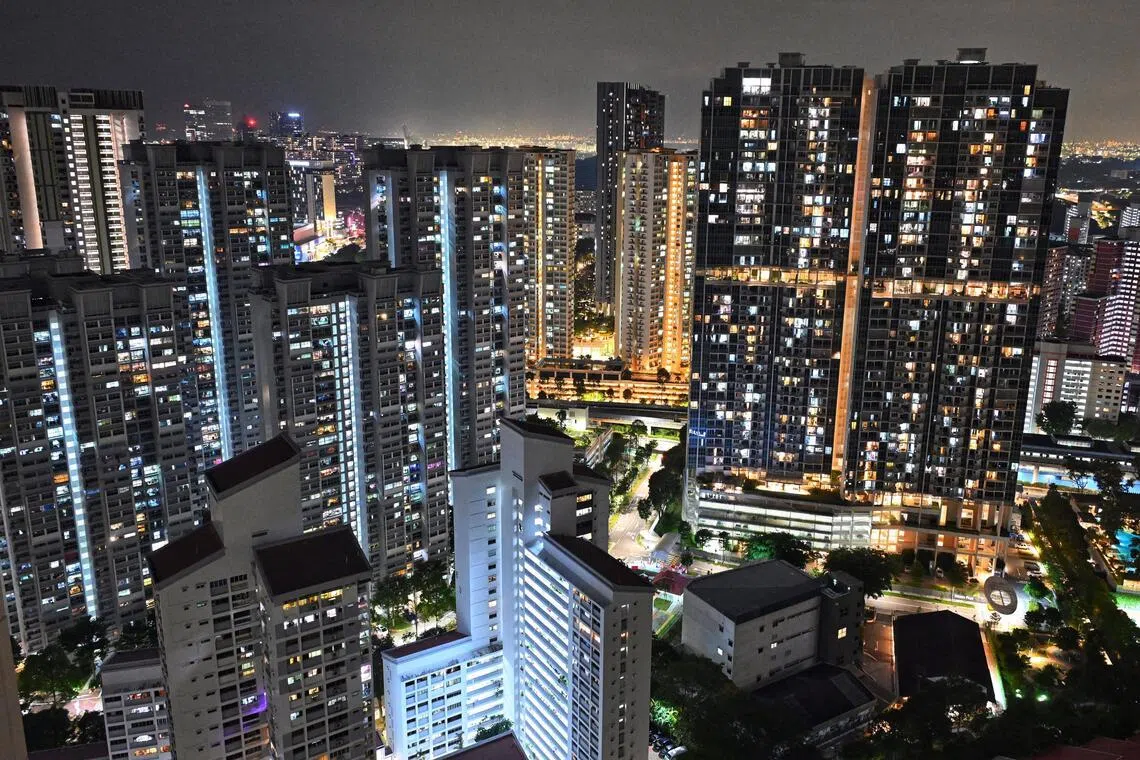
SINGAPORE – Households in Singapore will see a 17 per cent increase in electricity tariff from July to September, while town gas tariff will also go up by 7.1 per cent.In a statement on June 30, the Energy Market Authority (EMA) said the higher prices are due to increased prices of natural gas amid the conflict in the Middle East.Natural gas prices increased sharply from the end of February, and remained elevated from April to June, leading to higher costs of producing electricity and town gas here, it added.Grid operator SP Group said in a statement on June 30 that electricity prices for homes will go up by 4.64 cents per kilowatt-hour (kWh) from the previous quarter, to 31.91 cents per kWh, before goods and services tax (GST).This means that a four-room HDB household can expect a $17.14 increase in its average monthly electricity bill, before GST.The overall electricity tariff, including for non-households, will increase by an average of 17.5 per cent or 4.66 cents per kWh, compared with the previous quarter.In a separate statement, piped town gas provider City Energy said the gas tariff for households will increase by 1.56 cents per kWh from the previous quarter, to 23.48 cents per KWh, before GST.SP Group and City Energy review the electricity and gas tariffs every quarter based on guidelines set by EMA, which is the regulator.Electricity and gas tariffs can fluctuate from quarter to quarter due to volatile global fuel prices driven by geopolitical factors.The tariffs are determined based on gas prices in the first 2½ months of the preceding quarter.Thus, changes in fuel prices in a quarter will only show up in the electricity tariffs in the next quarter.This was the case for April to June when electricity tariffs rose slightly, as it only accounted for the rise in fuel prices from when the Middle East conflict began on Feb 28, to March 15.David Broadstock, partner at energy consultancy The Lantau Group, told The Straits Times that the electricity tariff hike was higher than what he expected.However, he said the new rate makes sense because of the way the energy costs component, which makes up the bulk of the tariff, is calculated.“In the previous tariff revision, only a few weeks of the conflict period was featured into the calculations,” he said.“I am not surprised that we are seeing a big hike this time. It’s consistent with everything that has been for forewarned by the Government.”Broadstock added that global energy markets continue to face uncertainty over the success of peace negotiations between the US and Iran.He said: “We’re still facing additional uncertainty, so rising prices are valid and expected.”During this period with elevated fuel prices, consumers on electricity retail contracts may see higher prices at the point of contract renewal, EMA said.“The situation in the Middle East remains uncertain,” the authority said, adding that fuel prices may fall if the situation improves, resulting in lower electricity and town gas tariffs in the fourth quarter of the year.“EMA continues to monitor the fuel supply situation closely and work with the industry to ensure supply security,” it said.Since the outbreak of the conflict, more households have taken up fixed-price electricity plans that lock in the rate at which consumers buy electricity for the duration of a contract.The proportion of households on such plans grew from 36.6 per cent to 37.1 per cent, between Feb 1 and June 1.Households purchasing electricity from SP Group under the regulated tariff fell from 63.4 per cent to 62.8 per cent over the same period.Less than 0.1 per cent of households buy electricity at wholesale prices.Electricity retailers have tapped news coverage of the impending increase in the tariff to promote fixed-price plans on social media.Geneco, one of the seven retailers on the Open Electricity Market, told ST that it has seen an approximately four times increase in sign-ups in recent months.Some consumers are using plans to guard against future price rises.Ryan Smith, 45, signed up for a new fixed price plan with Tuas Power in May, months ahead of the expiry of his current contract with the electricity retailer.He locked in a rate of 25.6 cents per kWH for three years.Smith told ST he would have been willing to commit to an even longer contract.“Feeling that the war has no end in sight, I decided to immediately renew the fixed-price plan,” he said. “It eases my mind of future price hikes.”His three-member household, which spends around $115 per month on electricity before GST, has also looked to lower their bill by not using the water heater for showers.“My opinion is that using less electricity is saving. I doubt the plan will help me save much, unless the tariff spikes really high,” Smith said.
Electricity tariff for S’pore households to rise by 17%, gas tariff by 7.1% from July to September
Singapore households face a 17% rise in electricity tariff and 7.1% in gas tariff from July to September due to elevated natural gas prices. Read more at straitstimes.com. Read more at straitstimes.com.
787 words~4 min read