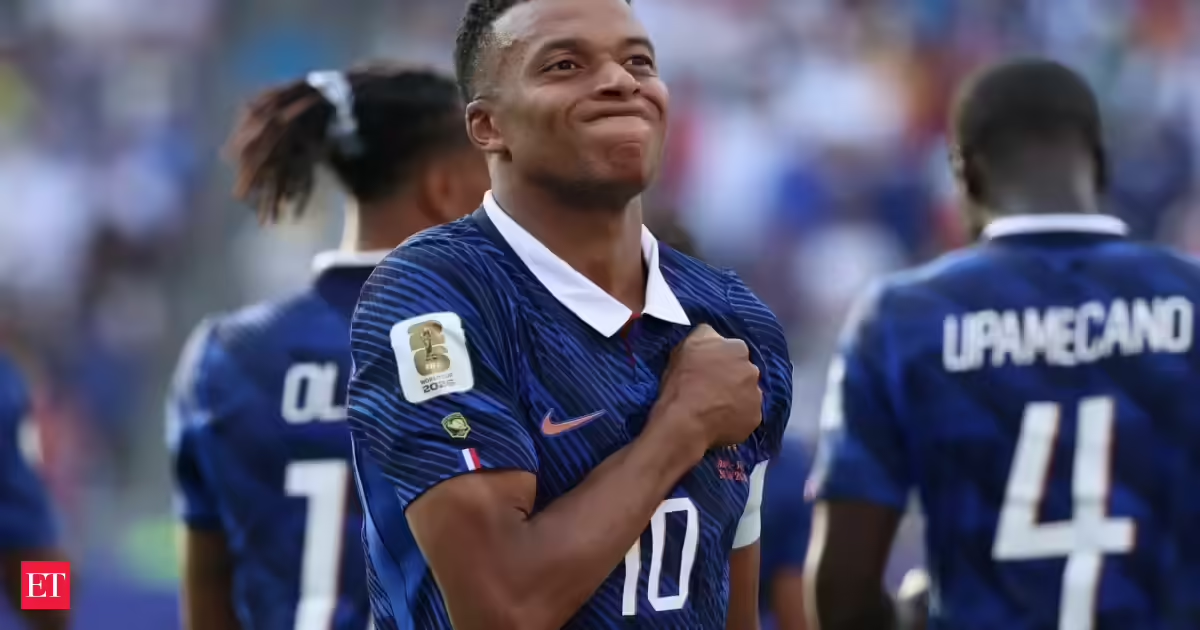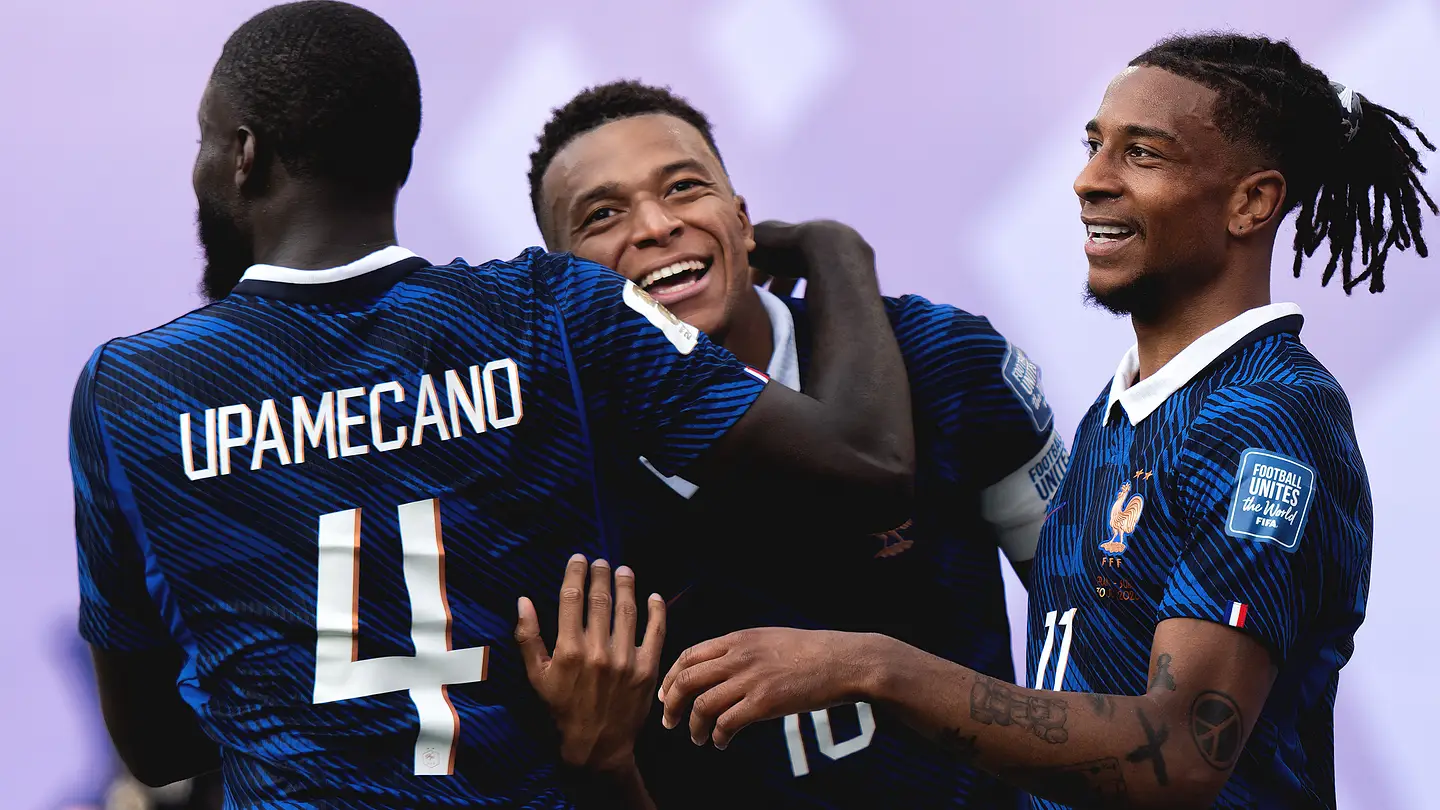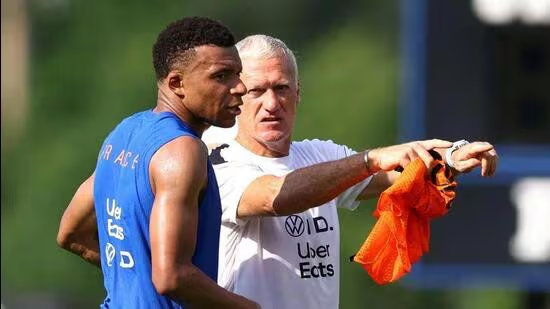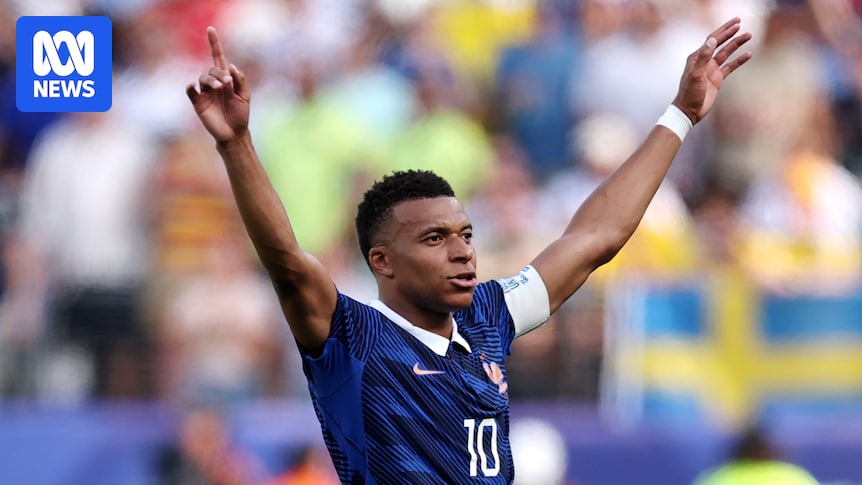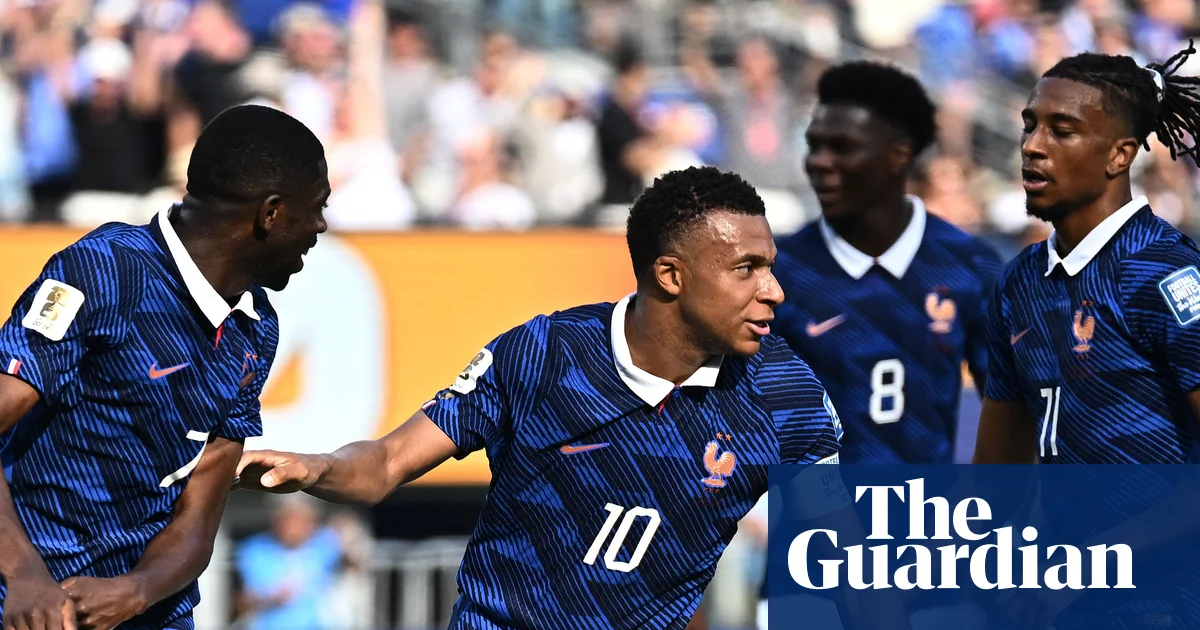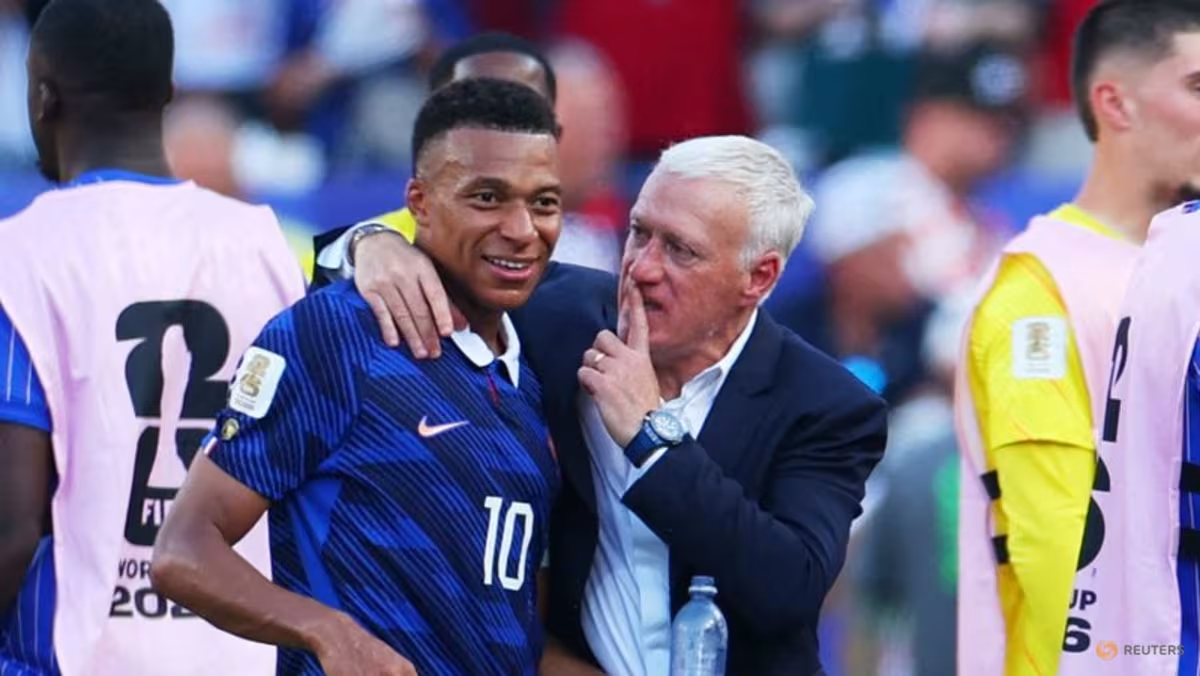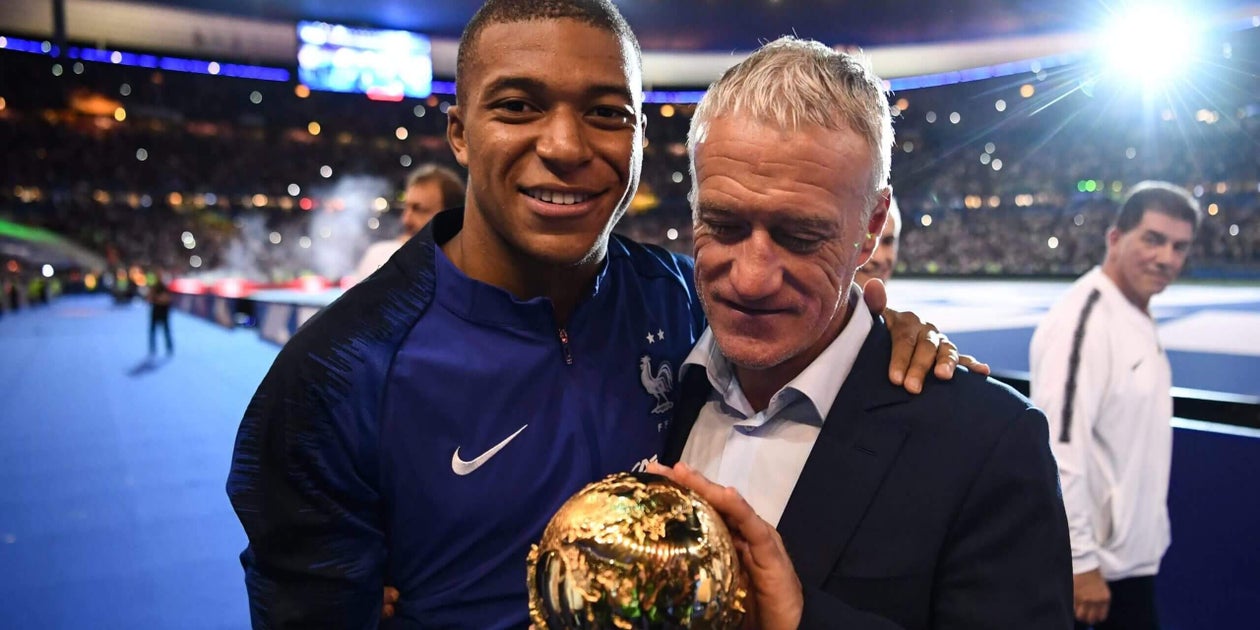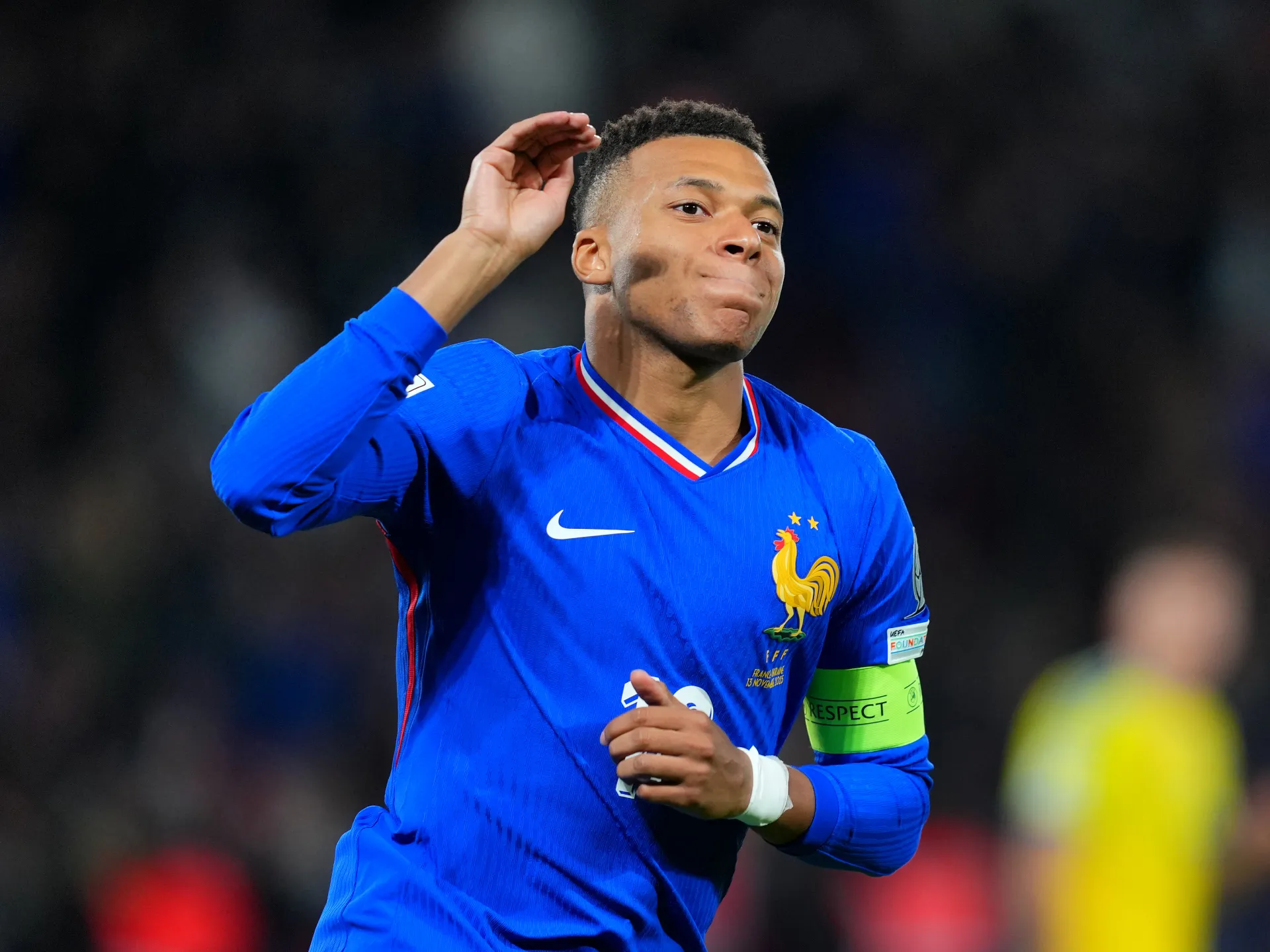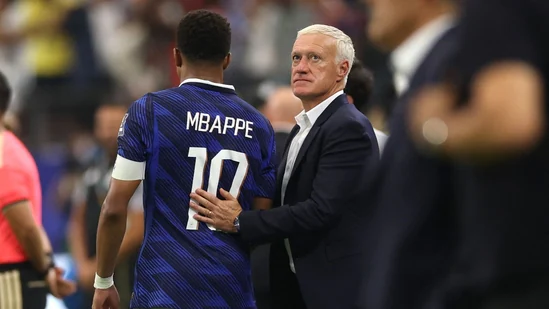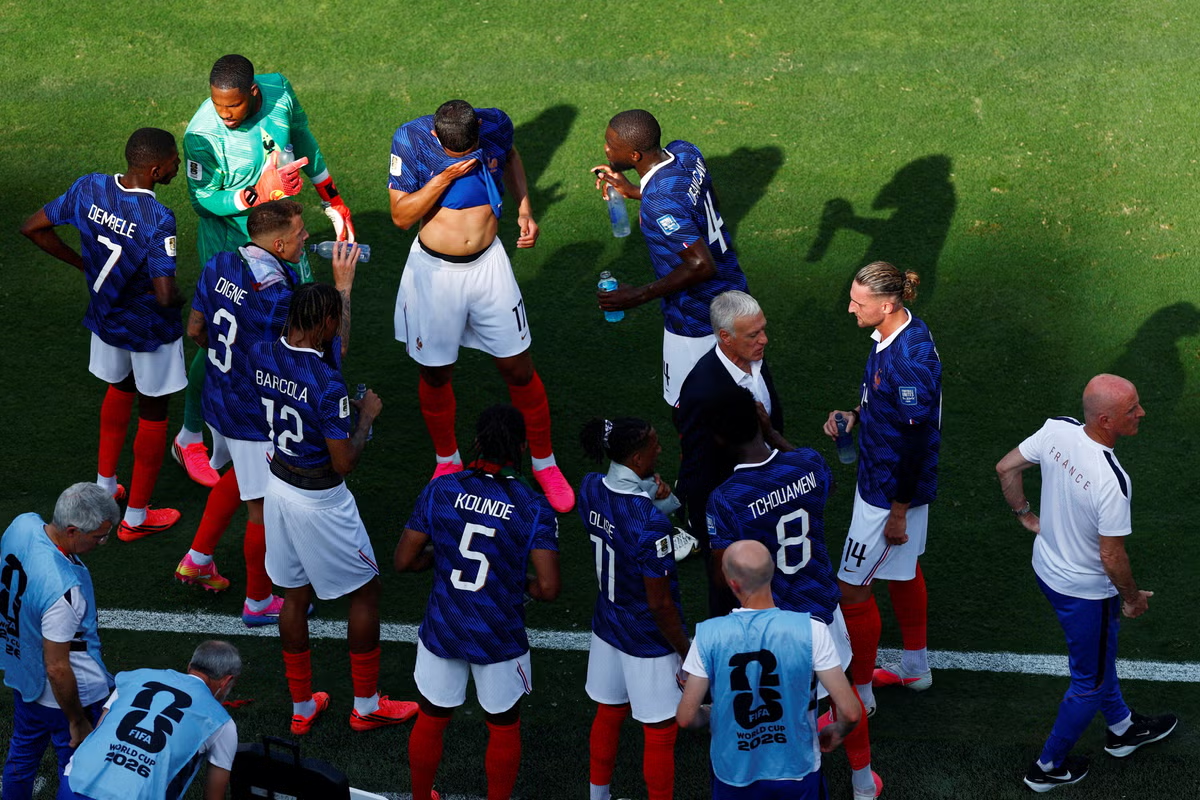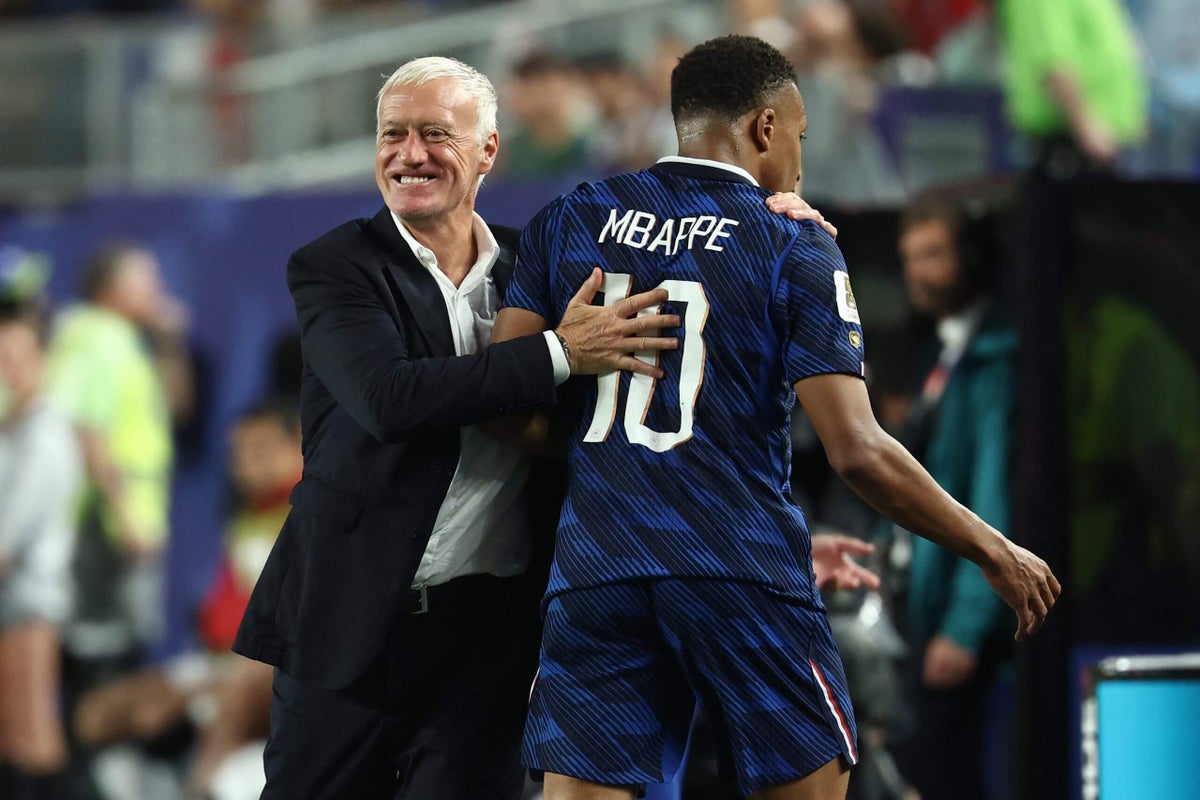
Few people know how to win the World Cup quite like Didier Deschamps.One of only three men, after Brazil’s Mario Zagallo and Franz Beckenbauer of West Germany, to claim the trophy as both a player and a manager, Deschamps has had roughly the same reputation in both roles: boring.On the pitch he was an unglamorous defensive midfielder, nowadays compared in unflattering terms to his more gifted Juventus and France midfield colleague Zinedine Zidane, the man widely expected to replace him as national team manager after this World Cup.Deschamps’ quality has often been overlooked, but reports from the time emphasise his influence. The New York Times’ player ratings from France’s 1998 World Cup final victory over Brazil, for example, scored him as the best player on the pitch — ahead of two-goal Zidane — and he made World Soccer’s team of Euro 2000 two years later. Deschamps was better on the ball than he was given credit for, but he was renowned primarily for his discipline.After becoming France coach in 2012, he reached the European Championship final in 2016, won the 2018 World Cup, and made the final again in 2022. But the constant criticism is that he’s never really taken the handbrake off. He has often fielded a central midfielder out wide to provide midfield balance. Half-hearted attempts to create a fluid, unpredictable attack have never quite worked; he always fell back on the more sturdy Olivier Giroud, who became France’s all-time top scorer with Deschamps in charge.This time around, things feel different. France scored 10 goals in the group stage — including four from Kylian Mbappe that saw him overtake Giroud’s record tally. In previous group stages under Deschamps at international tournaments, they scored eight, four, three, four, six and two.OK, a contest against a weak Iraq side and Norway’s B team helped raise that total, but now Deschamps has found himself with so many attacking options he can’t leave out — and relatively few disciplined midfielders. For once, it seems like he’s having fun.Mbappe hit the ground running, Ousmane Dembele smashed in a brilliant hat-trick against Norway, Michael Olise has provided a succession of dribbles and through balls, while Desire Doue has chipped in from the left too. Four proper attackers.The question is whether Deschamps wants to keep this going in the knockout rounds.Deschamps missed the final group game against Norway as he returned to France following the death of his mother (Mauro Pimentel/AFP via Getty Images)The lesson from World Cup history is that past winners, in various forms, have often switched from using four outright attackers to three in the latter stages.Take Argentina in 1986. For their first four games, they used two strikers, Jorge Valdano and either Claudio Borghi or Pedro Pasculli. Diego Maradona obviously played as the No 10. Then Jorge Burruchaga, although technically breaking from a midfield diamond, scampered forward to effectively become a fourth attacker and provide key goals and assists.Before the famous 2-1 quarter-final win over England, though, Argentina manager Carlos Bilardo removed his second striker, Pasculli (despite him scoring the only goal in the previous round against Uruguay) and introduced an extra defender. Maradona now played just off Valdano, while Burruchaga was the third attacker, rather than the fourth.France’s 1998 World Cup-winning side were similar. Aime Jacquet started the tournament with a 4-2-3-1, featuring Stephane Guivarc’h up top, Thierry Henry on either wing, and Zidane and Youri Djorkaeff floating around between the lines.They played some fabulous football, but from the quarter-finals onwards, despite scoring three goals, Henry lost his place in the starting line-up. Jacquet moved to a system with only Zidane and Djorkaeff behind Guivarc’h. In came Christian Karembeu, more of a hard-working midfielder than an outright attacker, who provided discipline alongside Deschamps and Emmanuel Petit.Brazil in 2002 had a different system: three at the back, Cafu and Roberto Carlos as wing-backs, Ronaldo, Rivaldo and Ronaldinho as three attackers, then two midfielders trying to hold everything together. Initially, Luiz Felipe Scolari used one secure midfielder, Gilberto Silva, and the creative attacking midfielder Juninho.Brazil breezed their way through to the quarter-finals, but Scolari didn’t think that was a tournament-winning approach. For the meeting with England, he sacrificed Juninho, brought in a second sturdy midfielder in Kleberson, and Brazil played more cautiously on their way to success.Who makes the final four of the World Cup?Liam Tharme and Liam TwomeyArgentina in 2022 also qualify for this. At the start of the tournament, it was Lionel Messi behind Lautaro Martinez, with Angel Di Maria and Papu Gomez breaking forward from wide, but their opening 2-1 defeat by Saudi Arabia forced Lionel Scaloni to reconsider. From then, with Julian Alvarez replacing Martinez up top, Scaloni always used three natural central midfielders, with Alexis Mac Allister and Enzo Fernandez coming in alongside Rodrigo De Paul.There are plenty of World Cup-winning sides missing from this list, but some of those never deployed four attackers to start with. Italy in 2006 deployed energetic central midfielder Simone Perrotta as a wide man — much as Deschamps did in 2018 with Blaise Matuidi or Corentin Tolisso.Spain in 2010 initially used five midfielders behind one attacker, and ended up with four midfielders and two attackers after they struggled for penetration in a 1-0 loss to Switzerland in their first game. Germany in 2014, meanwhile, played around with various options but stuck to a 4-3-3 with Mesut Ozil wide — when a 4-2-3-1 with Ozil as the No 10 might have been more attractive.In other words, it’s a very long time since anyone has won the World Cup with four proper attackers like Deschamps is using now. You probably have to go back to the 4-2-4 Brazil used when winning in 1970. They remain the most celebrated World Cup side of all.It remains to be seen whether Deschamps is that daring. His own history, and that of previous World Cup-winning sides, suggests that one of his fabulous front four — probably Doue — will be sacrificed.That would win Deschamps few admirers. But it might win him another World Cup.
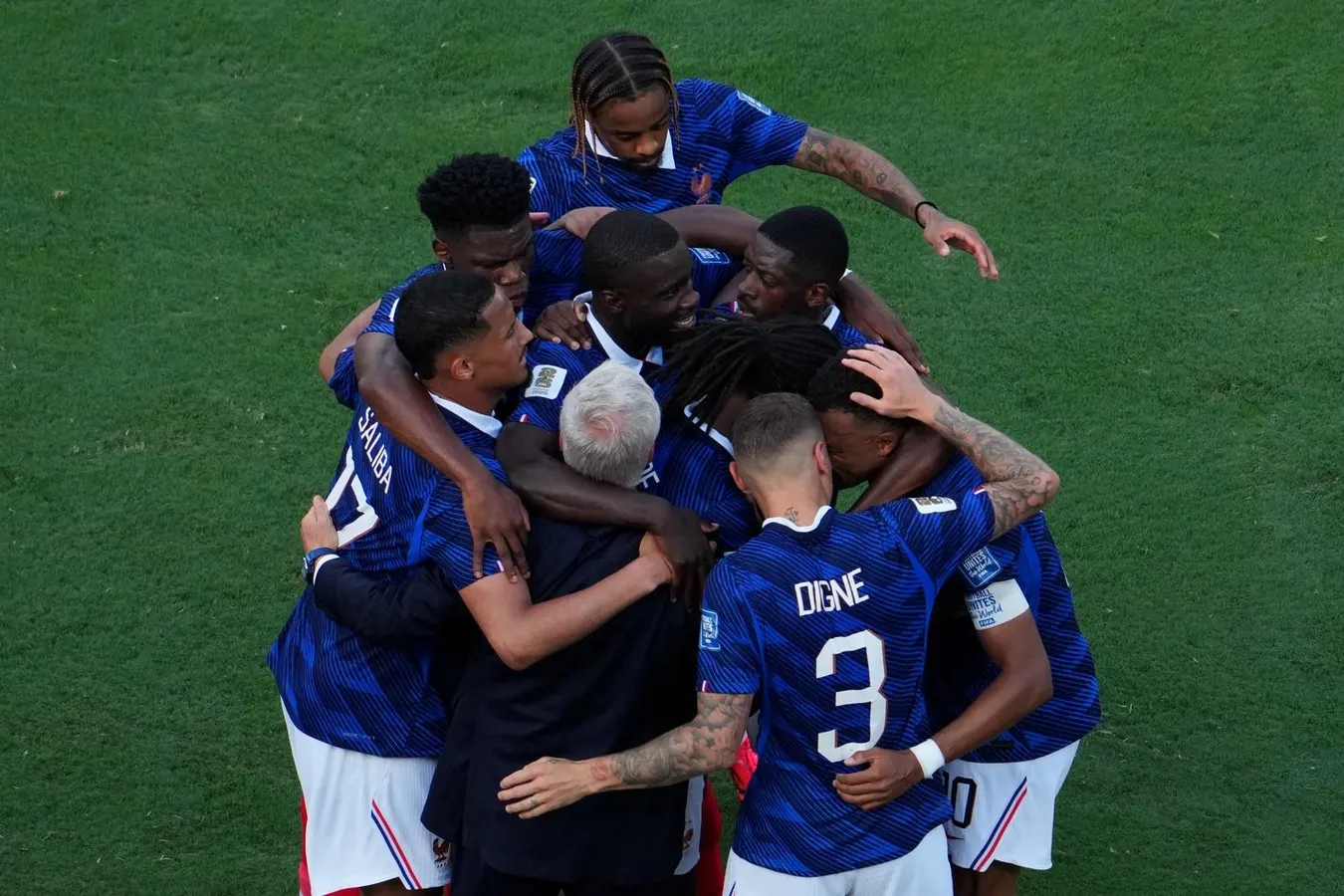
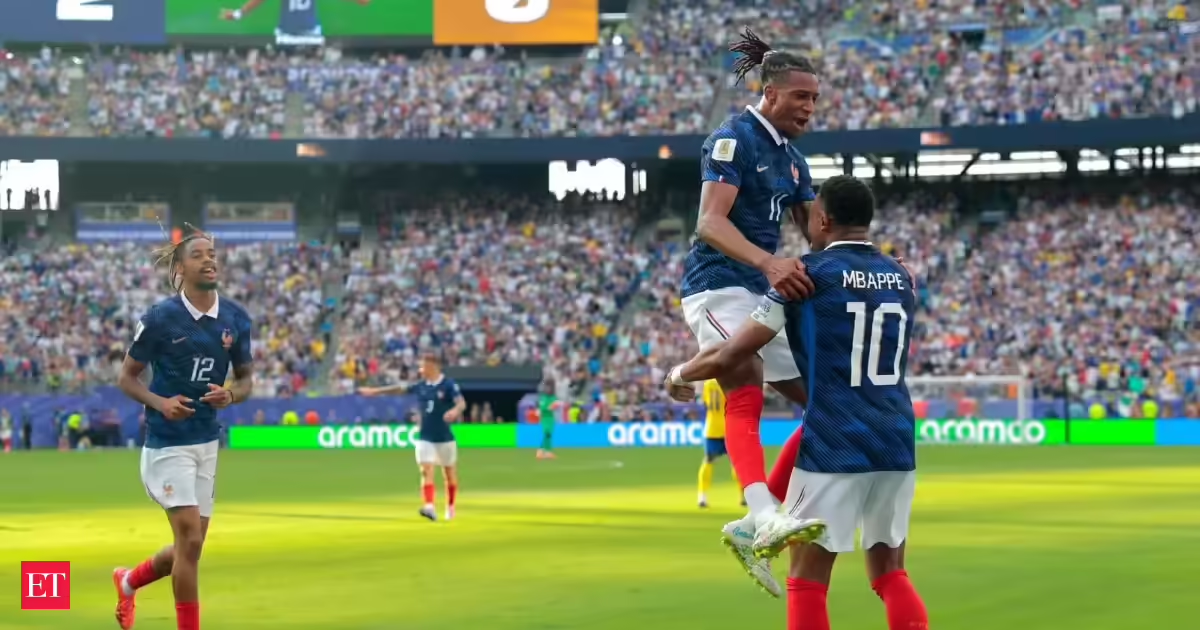
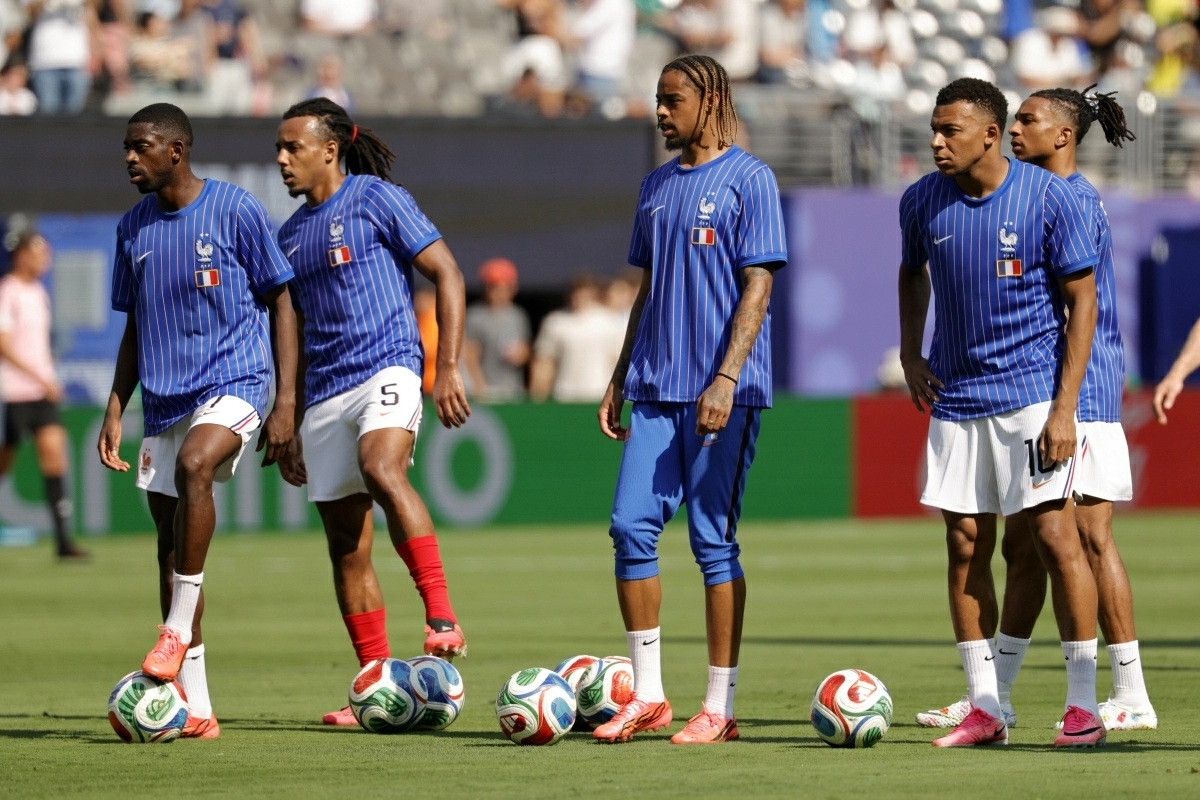
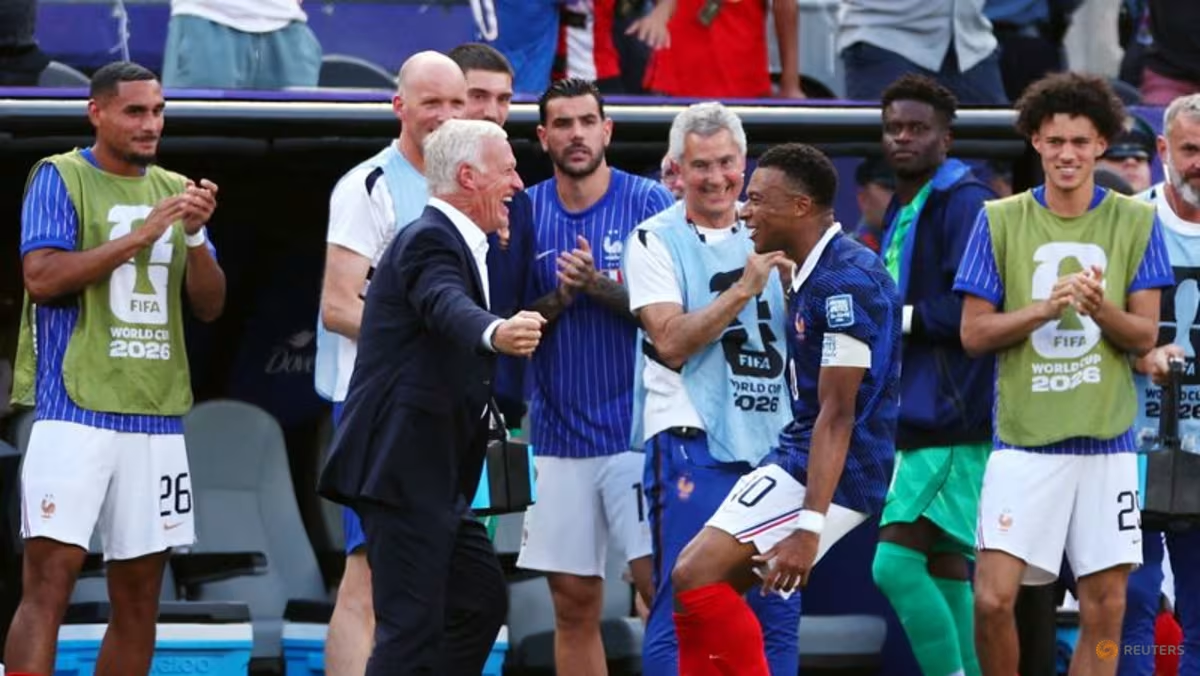
France have Mbappe, Dembele, Olise and Doue. Will Deschamps dare to keep playing them all?
World Cup history, and the coach's recent past, suggest that one of their fabulous front four will be sacrificed for safety (and success)
1,007 words~5 min read