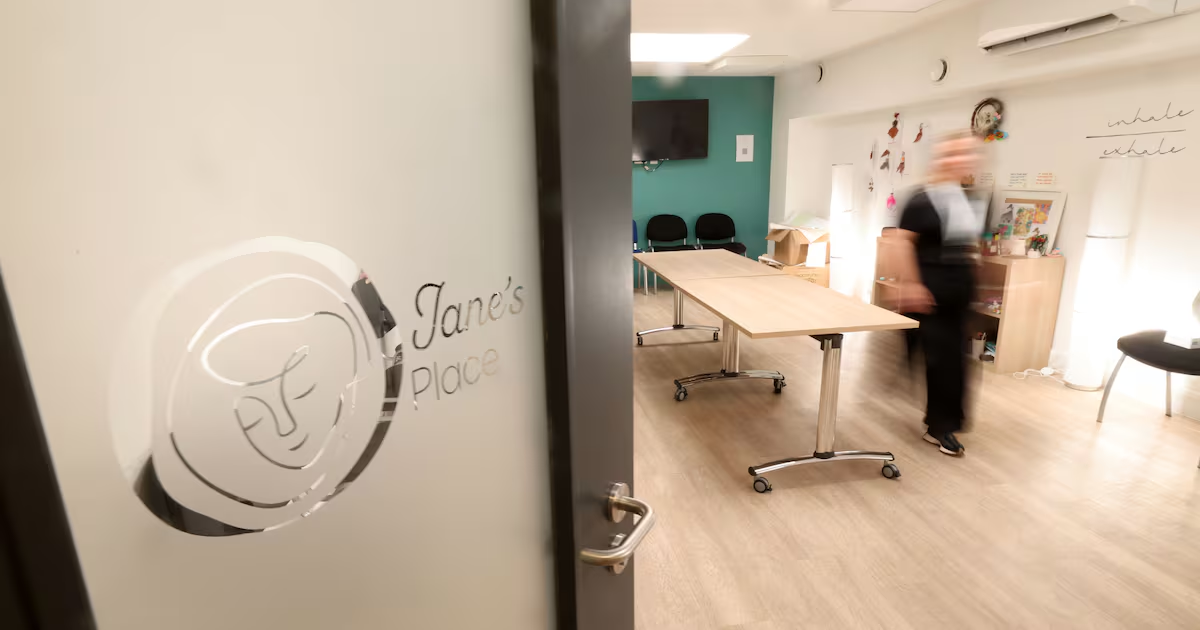
Pedestrians hurrying along Denzille Lane, a cut-through from the gentrified end of Fenian Street in Dublin’s south inner city towards the neo-Georgian facade of the National Maternity Hospital, would hardly notice the small “Jane’s Place” sign on an expanse of grey painted wall.There is no visible clue to what lies beyond a solid, teal blue door set into the wall. But, for some of the city’s most vulnerable women, it opens into safety, support and dignity. To those who are homeless, in addiction, or recovery, a day service here offers some respite from chaotic lives.No questions asked before admission.No men in the building.Merchants Quay Ireland (MQI), homeless and drugs services, created this all-female, drop-in centre after staff running daytime supports at its Riverbank premises on the Quays started to ask, “where are the women”? Why were female rough sleepers and those caught up in addiction not availing of these services?Sharon Geraghty, deputy head of operations, Dublin day services, Merchants Quay Ireland; and Susan Diffney, women's services co-ordinator at Jane's Place, in the welcome area of the all-female drop-in centre. Photograph: Alan Betson/The Irish Times
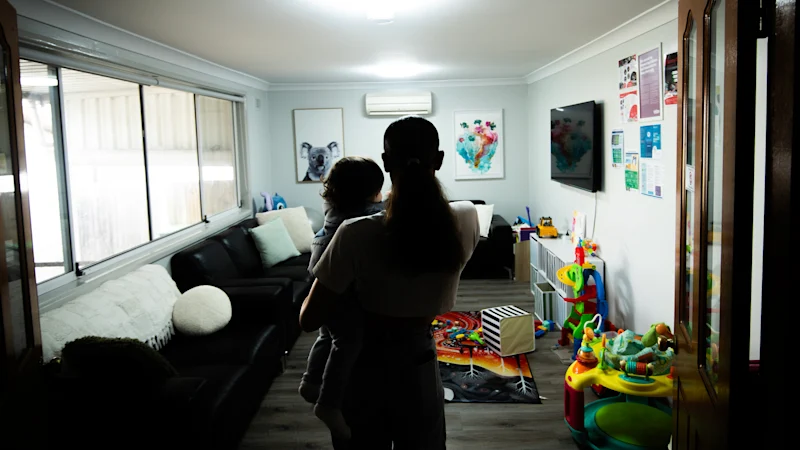
Follow-up research found women wanted an all-female space, where they would feel safer from partners, ex-partners “and just the triggers of being in a room full of men”, says Susan Diffeny, women’s services co-ordinator with MQI. They spoke of being constantly on edge, unable to go into an open access centre and relax over a cup of tea.As this need for a women-only service was being explored, MQI received an “utterly transformative” gift through the will of US businesswoman Jane Cahill Pfeiffer (1932-2019). The second-ever female vice-president of IBM, who went on to chair the National Broadcasting Company (NBC), she supported homeless and drug services in New York. Then, on a trip to Dublin, she came across MQI.[ ‘I didn’t want to live’: Woman who became homeless speaks on rebuilding confidenceOpens in new window ]Her legacy enabled the establishment of a dedicated women’s service in her name, first as a 2022 pilot scheme, before moving to Denzille Lane in 2024.Once buzzed through the entrance door, visitors walk straight into a sense of home rather than a service. Trauma-informed practice led the interior redesign of what was once a garage and offices, so even the building itself plays a soothing role. For women coming in with physical and mental baggage of rough sleeping, domestic violence and addiction, clean calmness offers a first step towards regaining a sense of self.Clothes on rails that visitors to the drop-in centre can avail of. Photograph: Alan Betson/The Irish Times