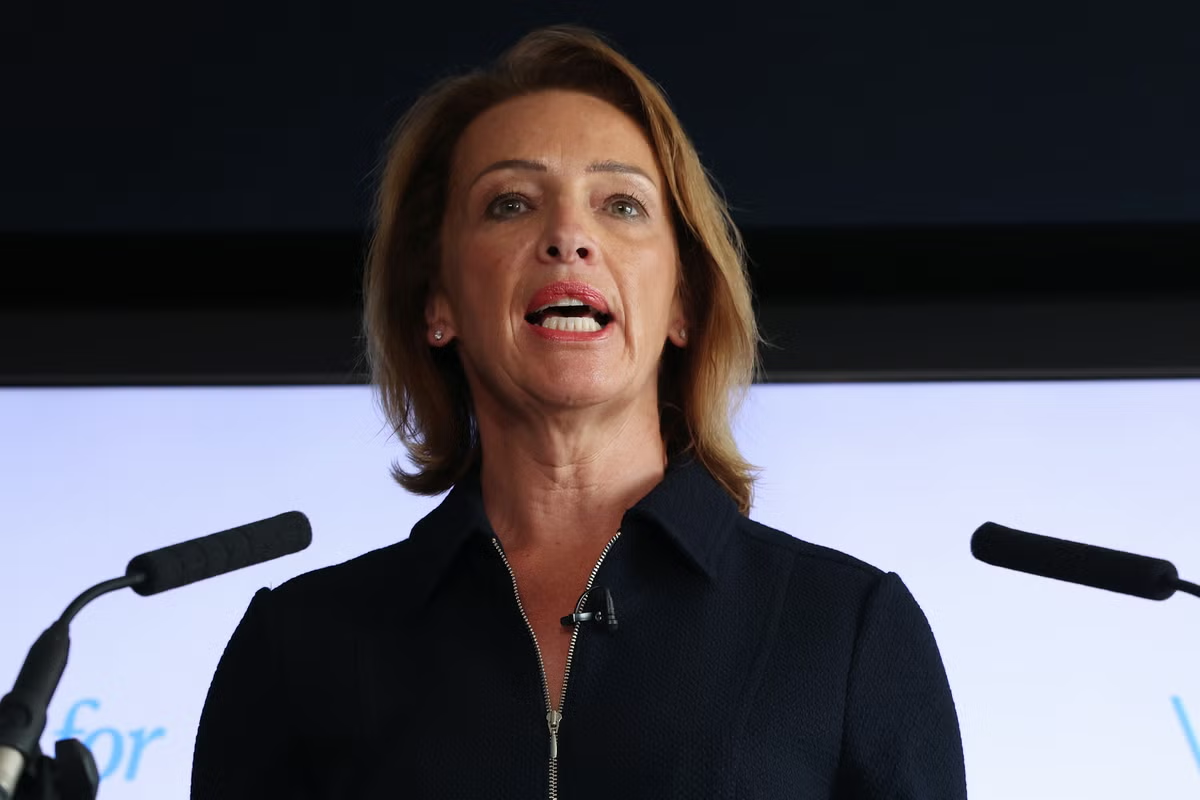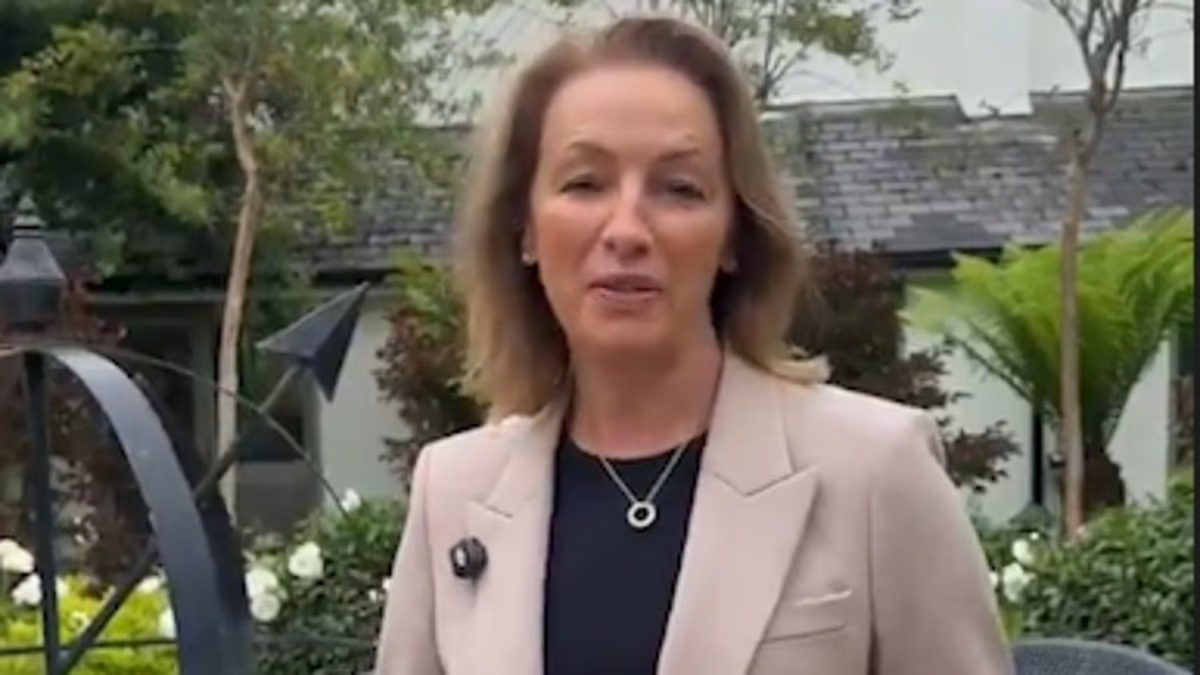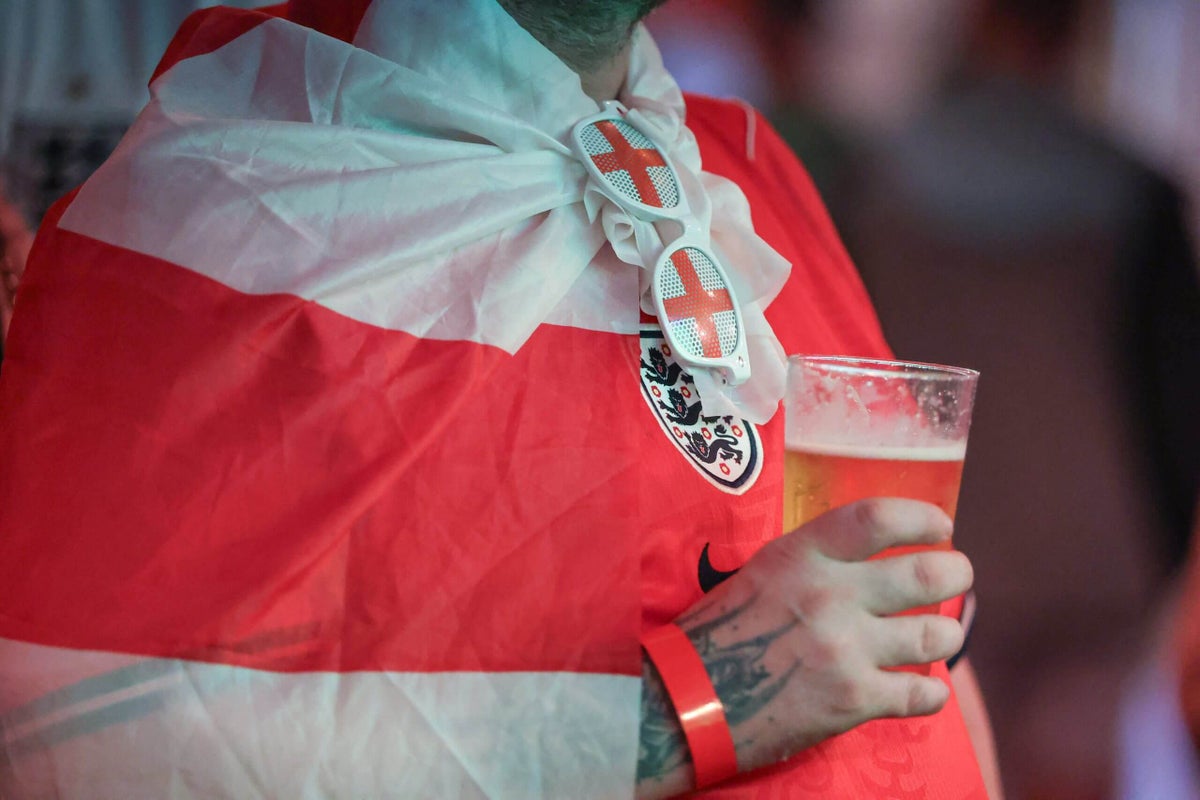
“England won the football last night, and thank goodness they did,” Reform UK MP Sarah Pochin began, in a video posted on X the morning after the 4-2 defeat of Croatia on June 17, “because on the occasions that England lose their football matches, the incidences of domestic violence go through the roof. So boys, keep winning!”The bitter reality — aside from the obvious pitfalls of placing responsibility for preventing domestic abuse on England’s footballers instead of, say, domestic abusers — is that evidence suggests incidents would rise after the match regardless of whether England won, lost or drew. Pochin later clarified her remarks in another post, alongside a link to the National Domestic Abuse Helpline.UK government statistics estimate that 3.8 million people over 16 were victims of domestic abuse in England and Wales in the year to March 2025 — approximately 2.2m women, and 1.5m men. There were 111 domestic homicides — when a victim is 16 or older and killed by someone they are personally connected to, such as a partner, ex-partner, or relative — in the same time period.It is a year-round problem, but major international men’s football tournaments can represent a time of “heightened danger”, according to Veronica Oakeshott, head of external affairs at anti-domestic abuse charity Women’s Aid.“Football matches do not cause domestic abuse, but factors associated with big matches, such as increased alcohol consumption and emotions running high, can make existing domestic abuse increase in frequency and severity,” Oakeshott said in a statement to The Athletic.One study from Lancaster University analysed figures from Lancashire Constabulary in north-west England across the 2002, 2006 and 2010 World Cups. It found that incidents of domestic abuse in the area rose by 38 per cent when England lost in those tournaments, and 26 per cent when they won or drew, compared with days when they did not play. Incidents were also 11 per cent higher the day after an England match.“We want everyone to have a great time, but we’ve got to remember that for some people they’re probably dreading (the World Cup),” says Mark Roberts, the National Police Chiefs Council lead for football policing, “because if they’re in an abusive relationship, they know what’s coming.”During the 2024 European Championship, UK charity Respect says it saw a 24 per cent increase in calls to its Men’s Advice Line, which supports male victims of domestic abuse, and a 39 per cent increase in calls to its Respect Phoneline, which tries to support perpetrators to change their behaviour.Since the 2016 Euros, British police have been tracking incidents of football-related domestic abuse during tournaments, but Roberts says even this information is “incomplete” because domestic abuse is so often unreported.
England, the World Cup and domestic abuse
Domestic abuse increases whenever England play at a major tournament
2,017 words~9 min read