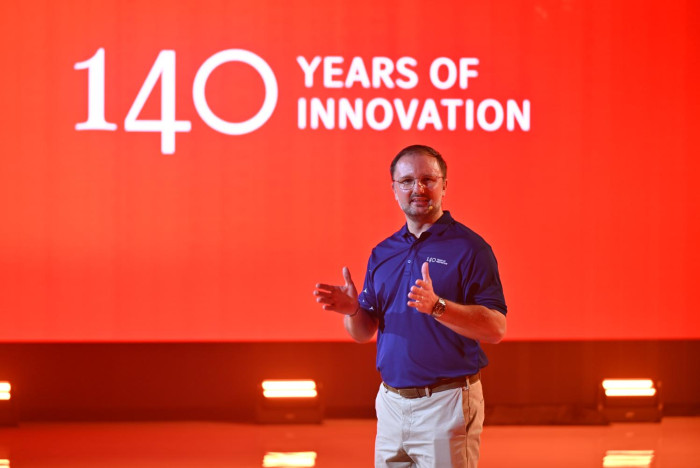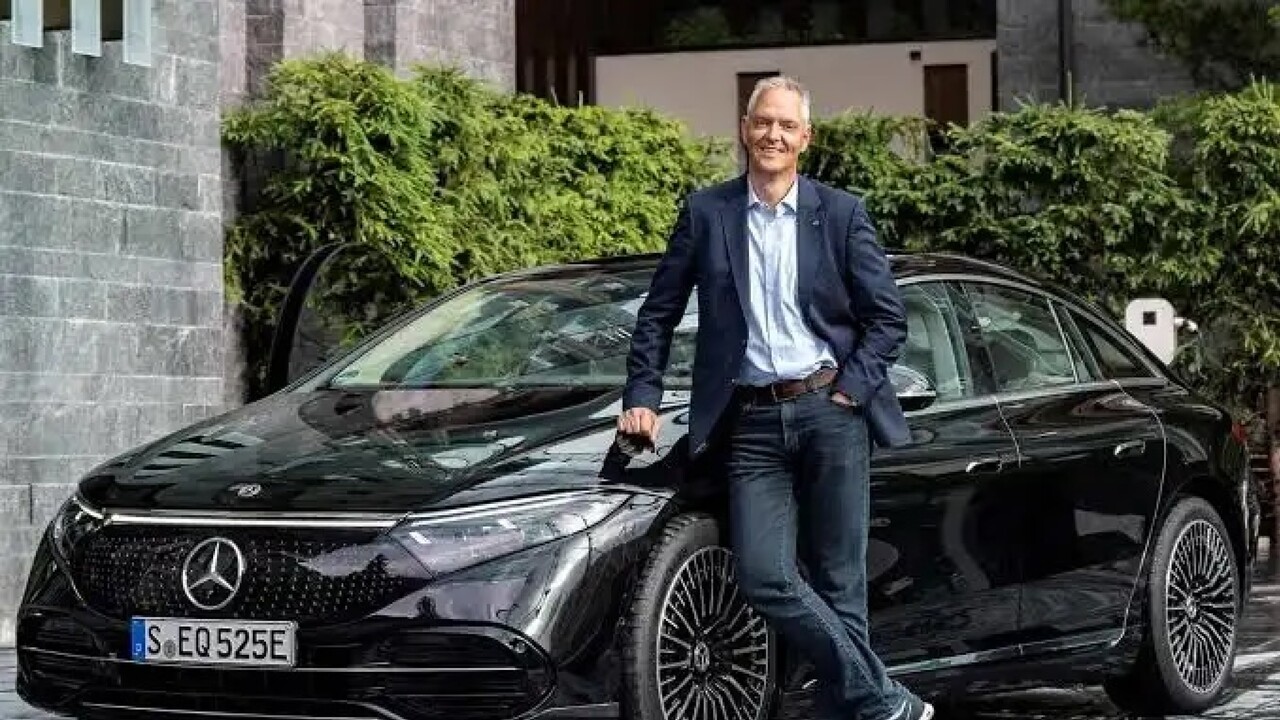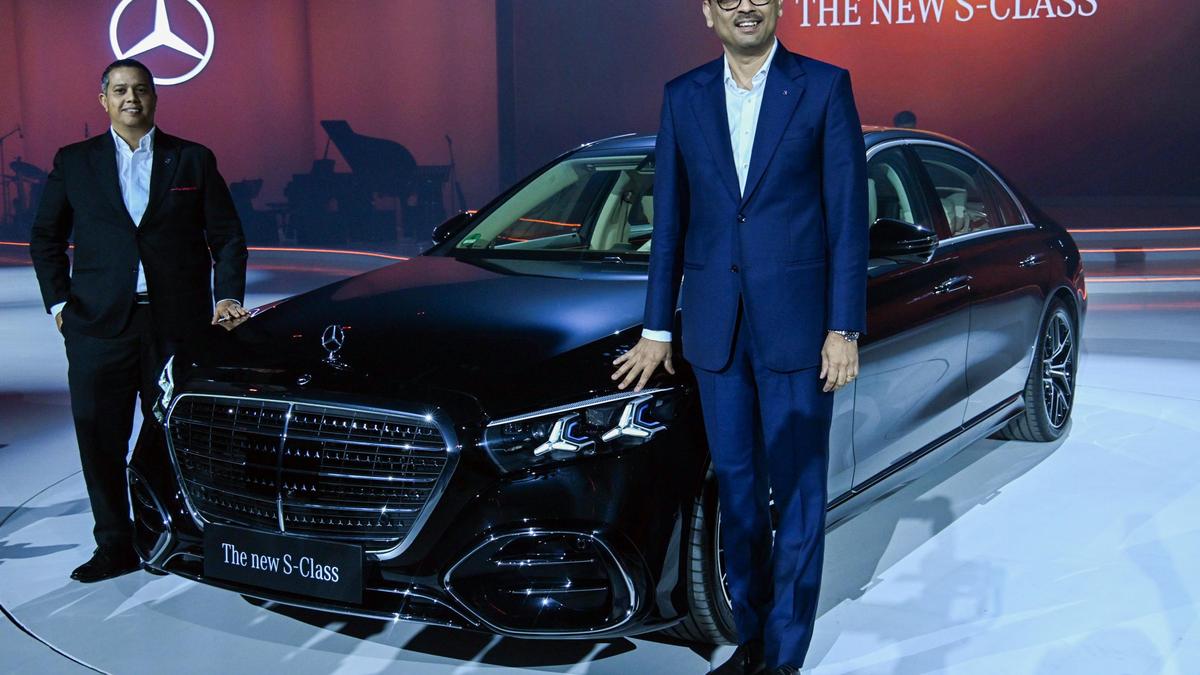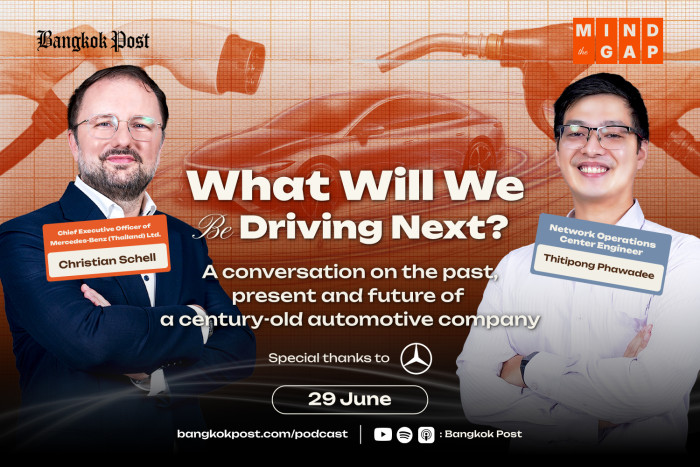
“The future is fully electric,” the president and CEO of Mercedes-Benz (Thailand), Christian Schell, declared, expressing his confidence in the automobile's future path. This was emphasized in the first half of 2026 by the oil crisis, when people turned to buying electric vehicles (EVs) in fear of fuel shortages. Even so, there will be some who prefer cars that run on fossil fuel, and that is the current gap that car manufacturers need to bridge.From the current landscape of the automotive industry, to technologies that will shape how we drive and the importance of 140 years of heritage for a car brand, in this episode of ‘Bangkok Post’s Mind The Gap: The Road Ahead – What Will We Be Driving Next?’, two car enthusiasts discuss the past and the future of the vehicles we drive.
Shift in the automotive industry
“Let's say that the change is real and the change is there. But the change is not only there since today, it's already here, since yesterday,” Christian told co-host Thitipong Phawadee, a Network Operations Centre engineer, when asked about the trend shift toward EVs.
While the war in the Middle East and the oil crisis certainly boosted the move to EVs, Christian said the shift had been gradual, apparent for many years now. Mercedes-Benz had been locally producing battery electric vehicles since 2022. However, not everyone was willing to jump to the new technology.