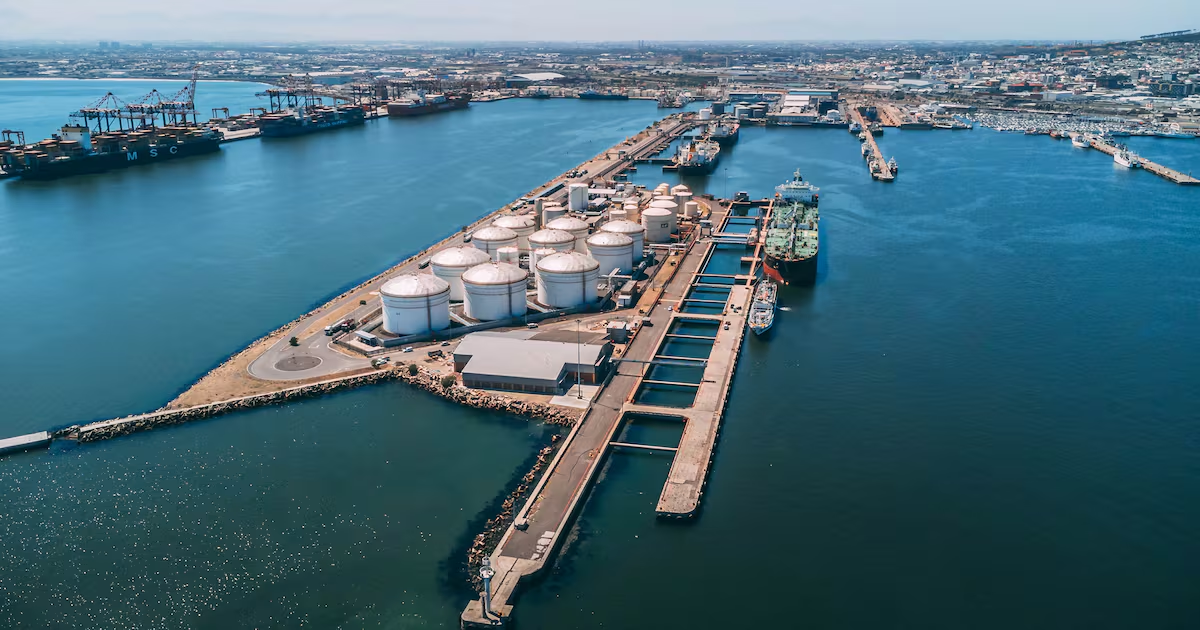
An estimated 55,000 tonnes of Western Cape table grapes were diverted to Eastern Cape ports during the 2025/26 peak export season as congestion at the Port of Cape Town disrupted agricultural exports, forcing producers to absorb substantial additional transport costs.A written reply by Ivan Meyer, Western Cape minister of agriculture, economic development & tourism, reveals that exporters of pome and stone fruit, including apples, pears, peaches, plums, apricots, nectarines and cherries, incurred additional logistics costs after rerouting produce through alternative ports during the season.The official figures are supported by new industry data from the South African Table Grape Industry (SATI), which said severe wind disruptions and operational constraints at the Port of Cape Town during peak export weeks resulted in stock build-ups, increased use of Eastern Cape ports and significant pressure on the export supply chain.As a result, the Port of Cape Town’s share of total table grape exports declined from 90% in the previous season to 76% during the 2025/26 season, while the proportion exported through Eastern Cape ports rose from 6% to 21%.SATI said the shift enabled exports to continue but came at “great additional cost to the industry”.Table grapesAccording to a recent joint statement by SATI, Hortgro and the Fresh Produce Exporters’ Forum, logistics inefficiencies during the 2025/26 season cost the table grape industry about R3.2bn while the stone fruit industry suffered estimated losses of R1.05bn through lost revenue and additional costs.The organisations said the Port of Cape Town remains South Africa’s primary gateway for deciduous fruit, handling about 80% of exports from the sector, which supports about 320,000 jobs.The figures emerge days after Transnet Port Terminals announced a R96m investment in four new hybrid straddle carriers for the Cape Town Container Terminal. The announcement followed the release of the World Bank and S&P Global Container Port Performance Index 2025, which ranked the Port of Cape Town last among 400 container ports globally.While welcoming Transnet’s investment in new equipment, the industry bodies said operational performance at the terminal remained “at a low and unacceptable level” and called for continued collaboration between the government, Transnet and industry to improve productivity.In a statement issued on Monday, Meyer said all efforts should now be focused on preventing a repeat of the disruptions ahead of the next export season.“A non-performing Port of Cape Town places a direct and unsustainable financial burden on our producers. Every delay and diversion erodes farm profitability, threatens export competitiveness, and places jobs at risk across the agricultural value chain,” he said.“The Western Cape’s export economy depends on a well-functioning Port of Cape Town. We cannot allow a repeat of the costly diversion of produce to other provinces. Our focus must be clear: improve efficiency, reliability and co-ordination at the Port of Cape Town.”Meyer said the provincial government had been engaging with Transnet and organised agriculture to improve equipment reliability, strengthen labour and operational management, enhance communication between stakeholders and implement contingency planning to reduce future disruptions.He also supported greater private sector participation in the operation and management of the Port of Cape Town, saying it could unlock efficiency gains, investment and world-class performance. “Every available resource and intervention must be directed at restoring optimal performance at the Port of Cape Town. The competitiveness of our agricultural exports and the sustainability of our farming communities depend on it,” he said.
How Cape Town port disruptions cost fruit exporters billions
Grape farmers pay more for transport to reroute 55,000 tonnes of exports to Eastern Cape ports
553 words~3 min read