Get the latest news and updates from Dawn
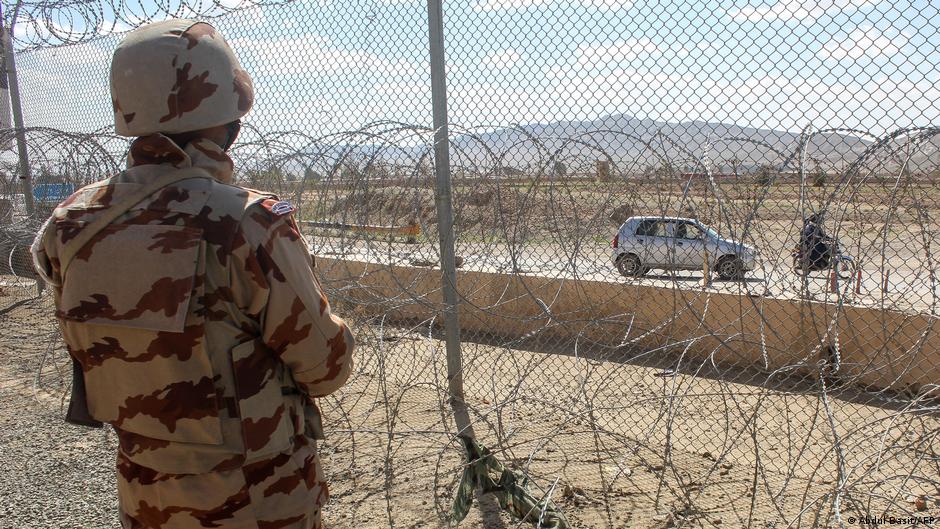
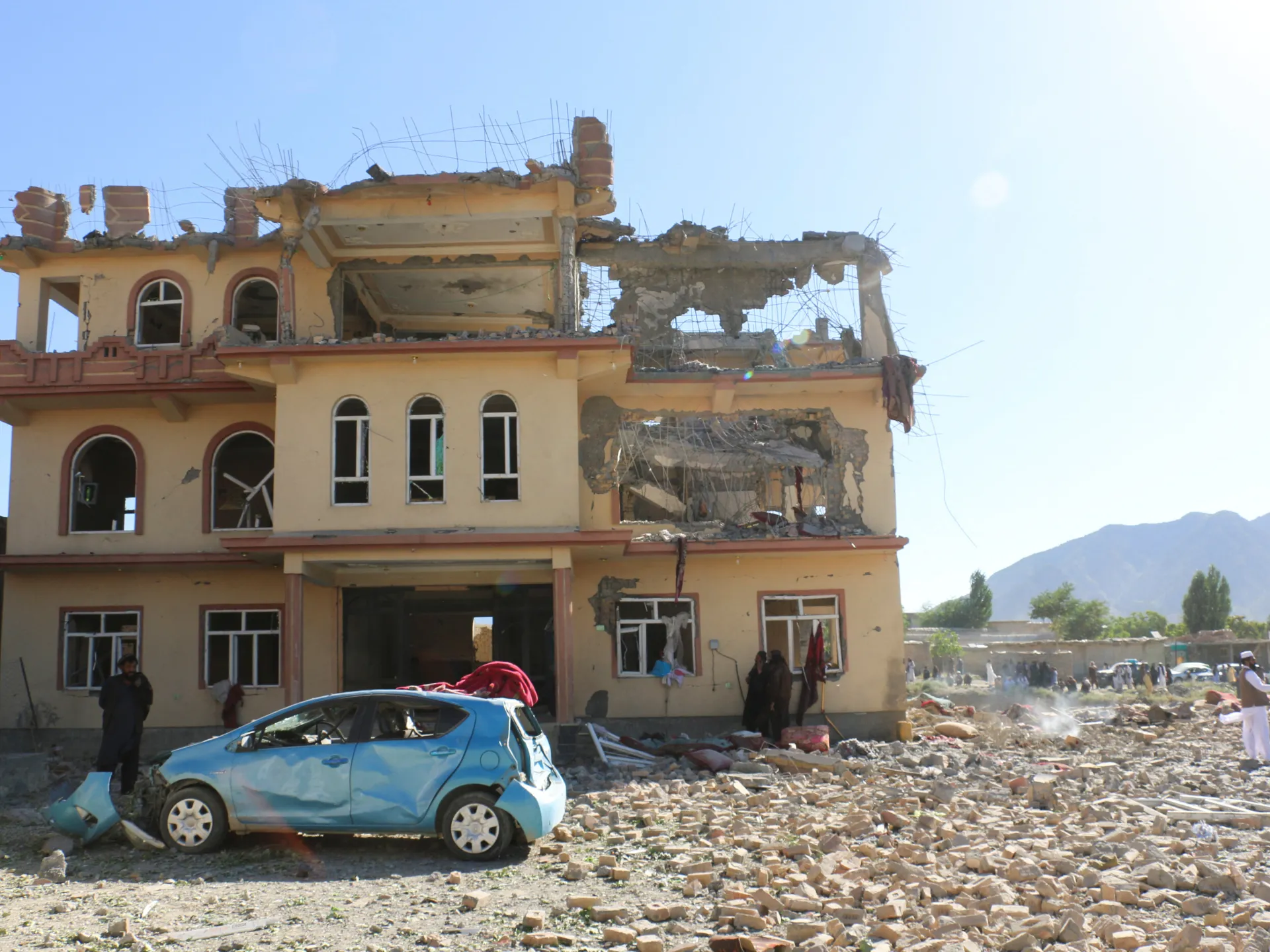
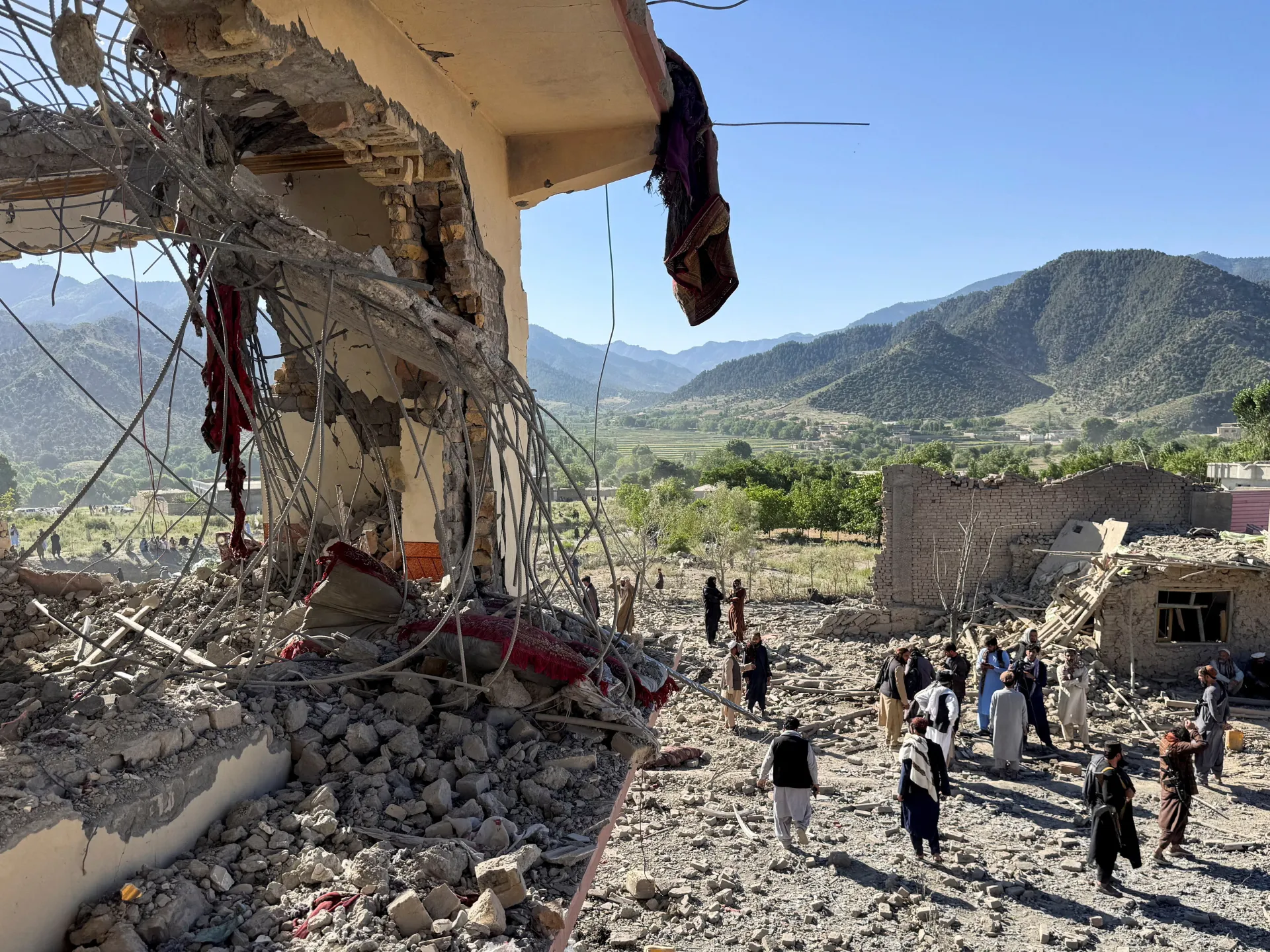
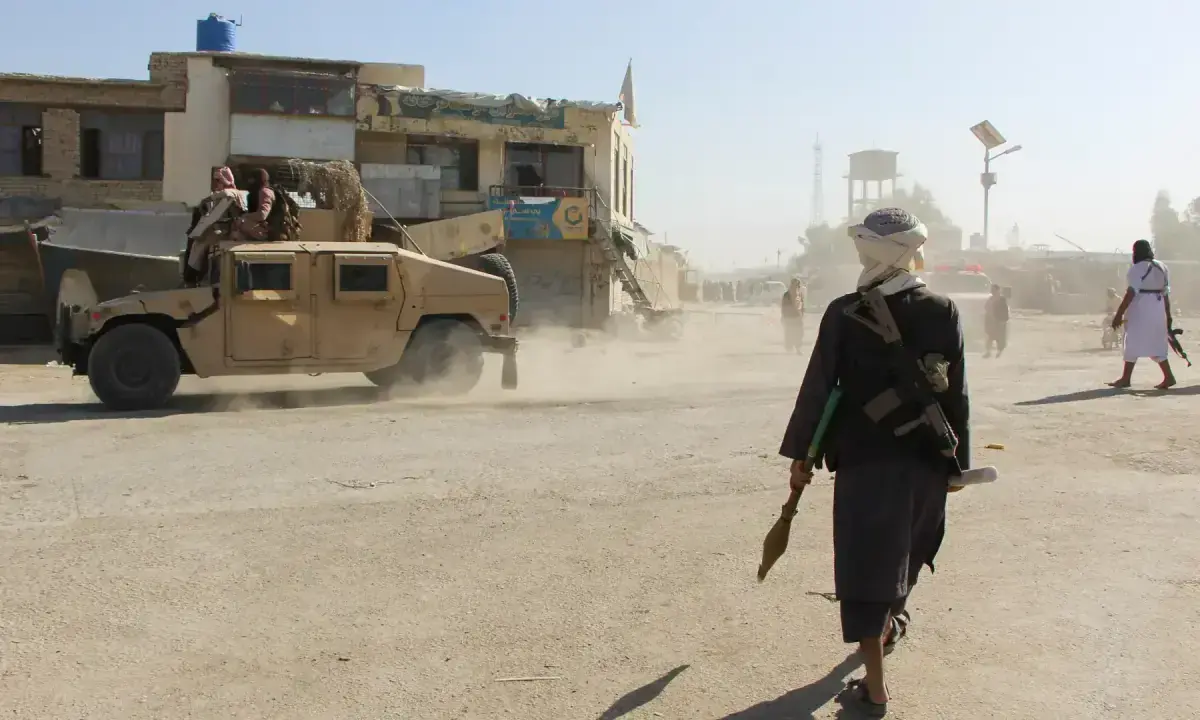
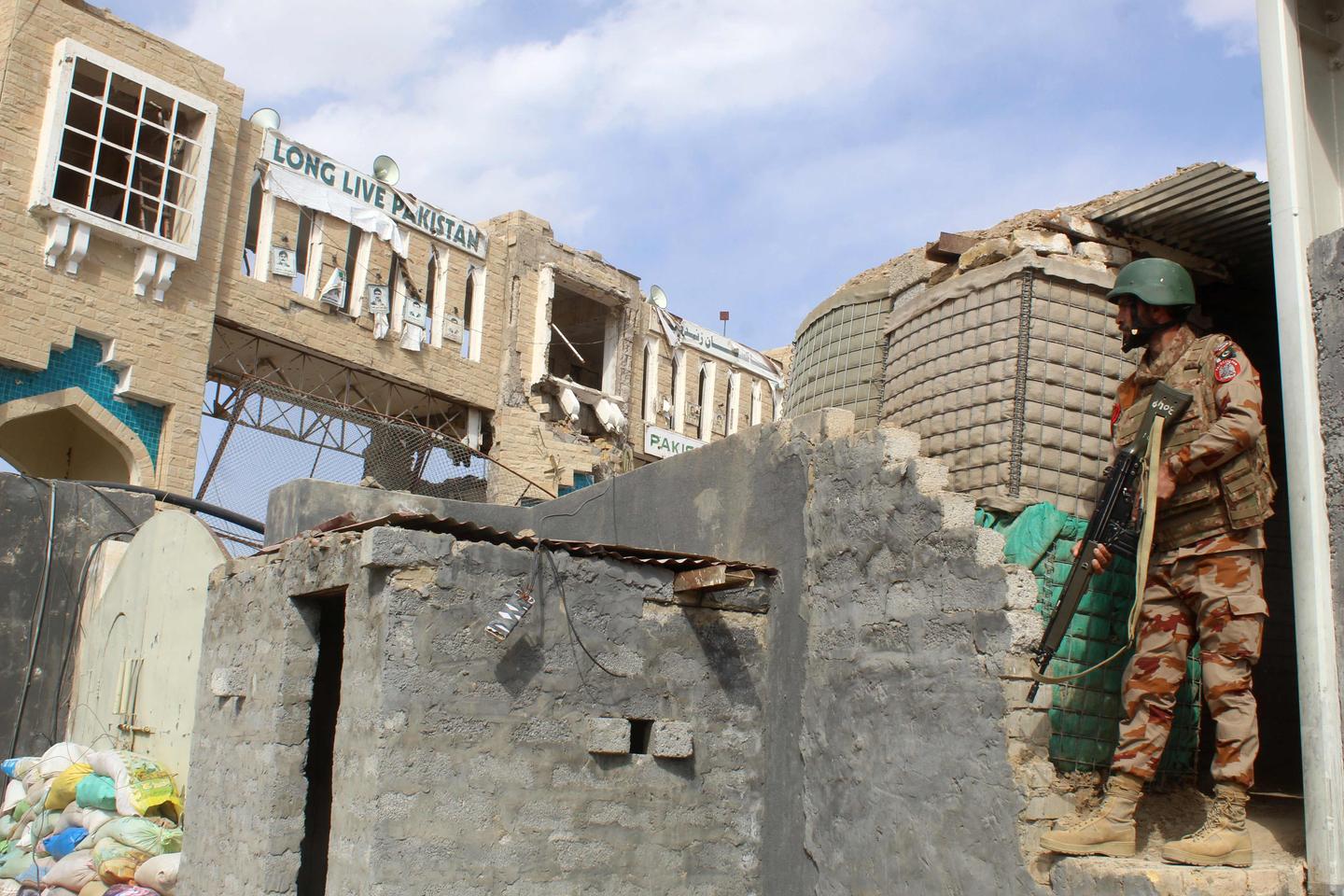
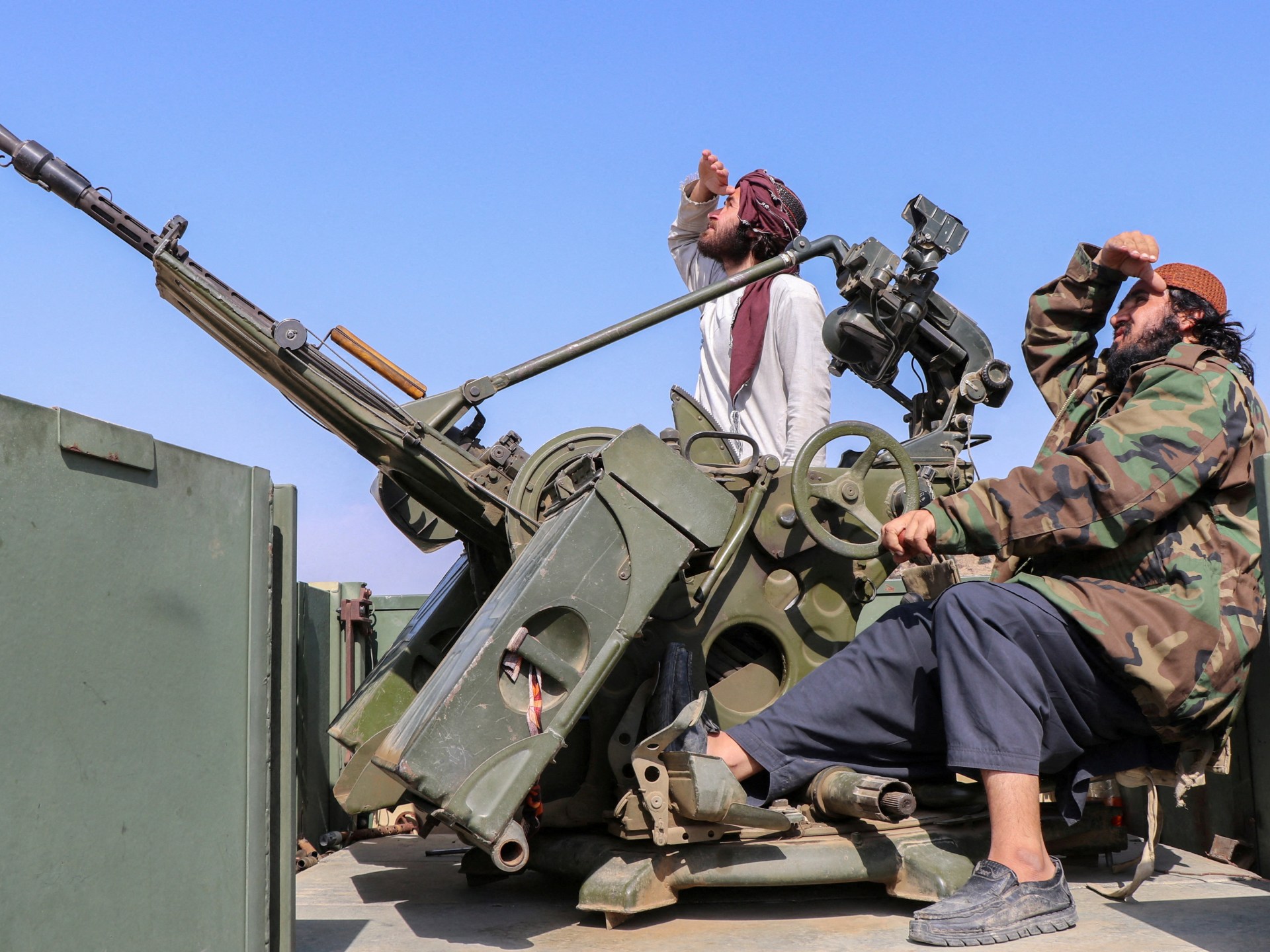
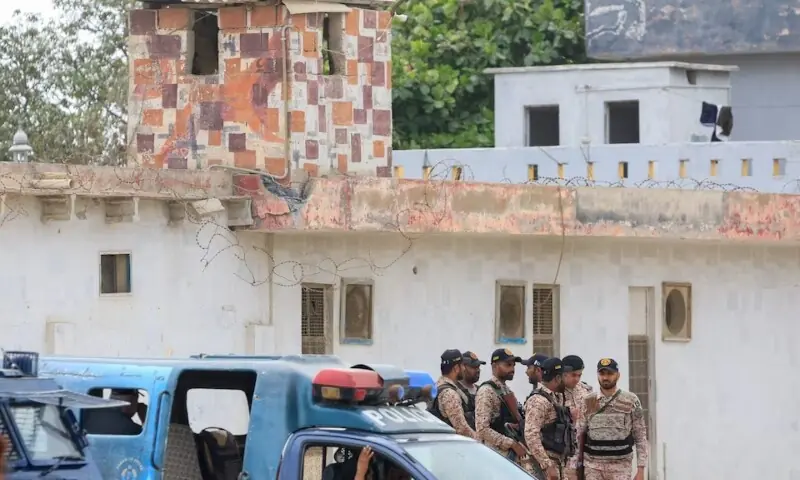
THE message from Islamabad to Kabul seems to be clear: any act of terrorism inside Pakistan found to be linked to Afghanistan will invite a kinetic cross-border response. After the attack on a Rangers facility in Karachi on Saturday, the state said it had launched strikes at targets both inside Afghanistan and along the border, eliminating at least 29 terrorists, including a militant ‘commander’.
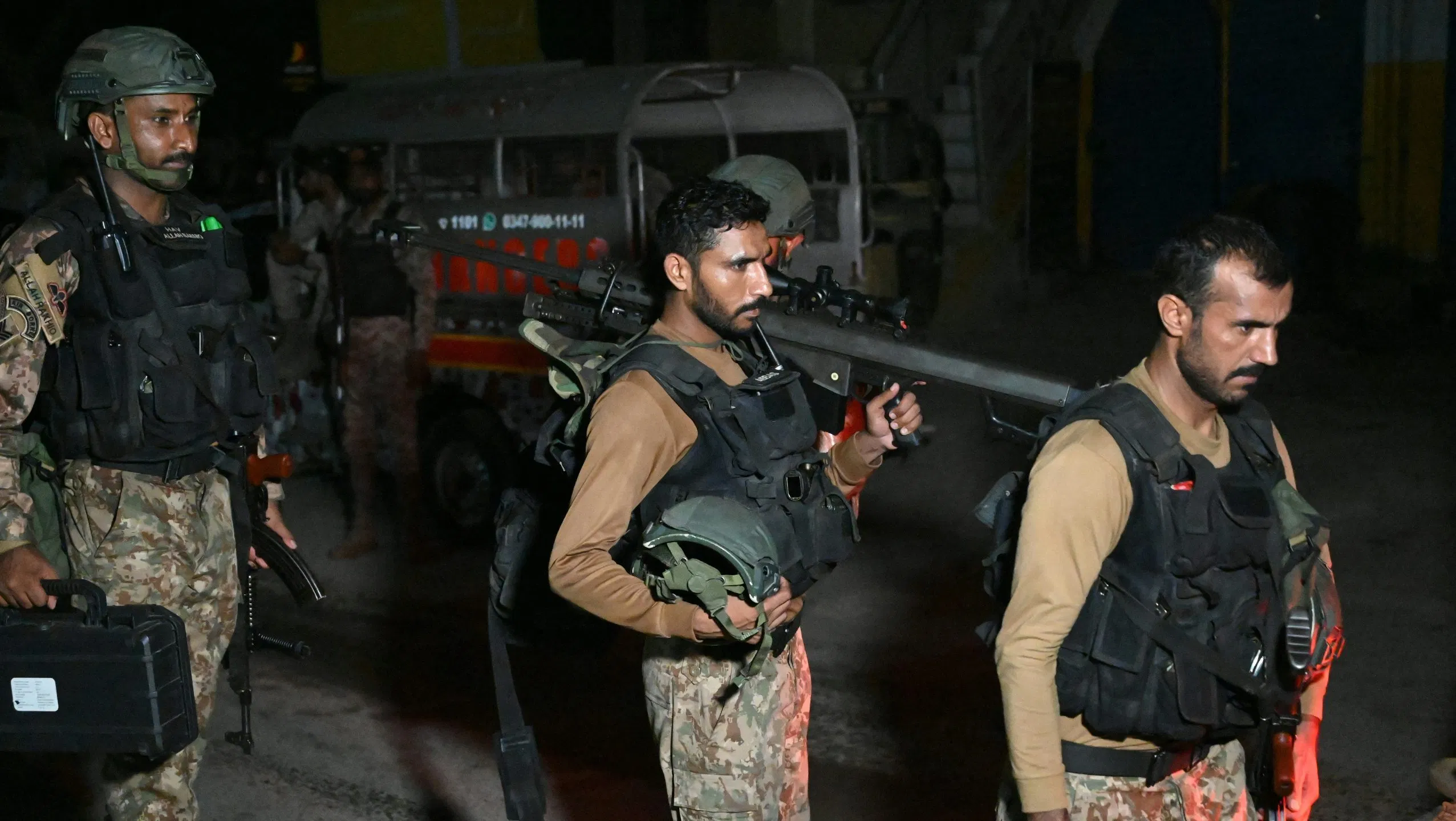
The Karachi attack, in which three security men were martyred, has been linked to the Jamaatul Ahrar group, a banned outfit with ties to the proscribed TTP. This is the first major terrorist attack in Karachi this year, and marks a return to ‘action’ of the hitherto silent JuA. A detained suspect involved in the assault said he came from Jalalabad and prepared for the attack in South Waziristan. The government has reissued an order for the arrest of Afghans without valid visas from July 10, while the Foreign Office has issued a demarche to the Afghan chargé d’affaires over the Rangers attack.
The acts of terrorism, and the state’s response, illustrate the difficult nature of the Afghan conundrum, specifically the Afghan Taliban regime’s reluctance to act firmly against terrorist groups on their soil. Faced with never-ending attacks, Pakistan has no choice but to fight back and hit the terrorists in their lairs. The only way to end this cycle of conflict is for the Afghan Taliban to act maturely and prevent attacks on neighbouring states. Pakistan’s strong responses have brought down the frequency of terrorist attacks, but perpetual conflict is not a long-term solution.