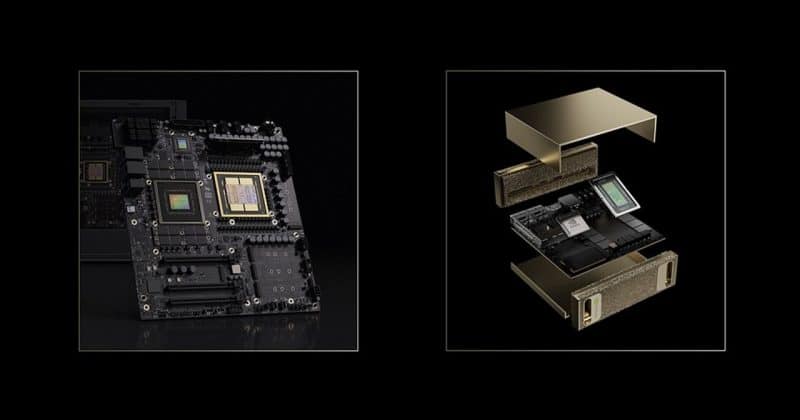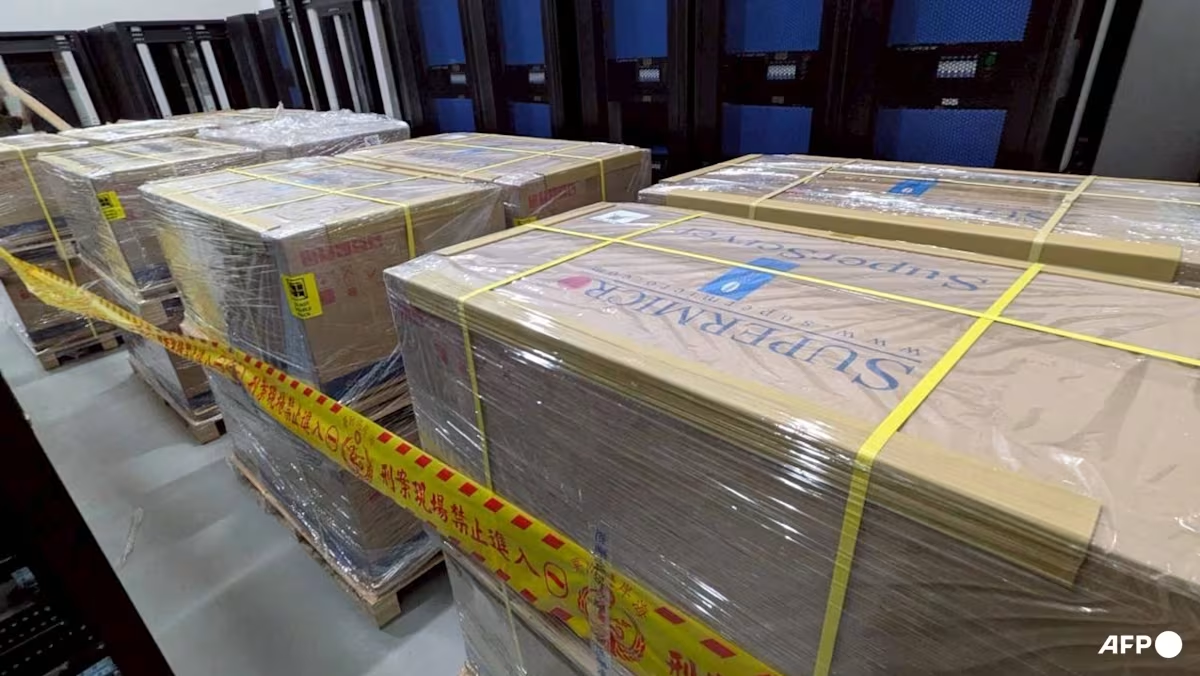
Supermicro is a legitimate hardware company based in San Jose, California that nonetheless has a long list of brushes with legal controversy. And today, according to Bloomberg, it had its Taiwan office and about eight other locations raided as part of a U.S. federal case over alleged AI chip smuggling—or to put it another way, noncompliance with U.S. export controls. Shares closed down about 8% if you care about that sort of thing. Bloomberg notes that the Taiwanese legal system has not criminalized AI chip exports to China. But the U.S. has reportedly been pressuring Taiwan to help its efforts to stop China from obtaining high-end AI chips. In other words, these raids could kick off an era in which Taiwan becomes the tip of the spear in the enforcement of these U.S. export controls. To refresh your memory, back in March, the U.S. feds charged two Supermicro employees and a Supermicro contractor with what seems to have been a half-sophisticated, half-hilariously crude scheme that (allegedly) went like this:
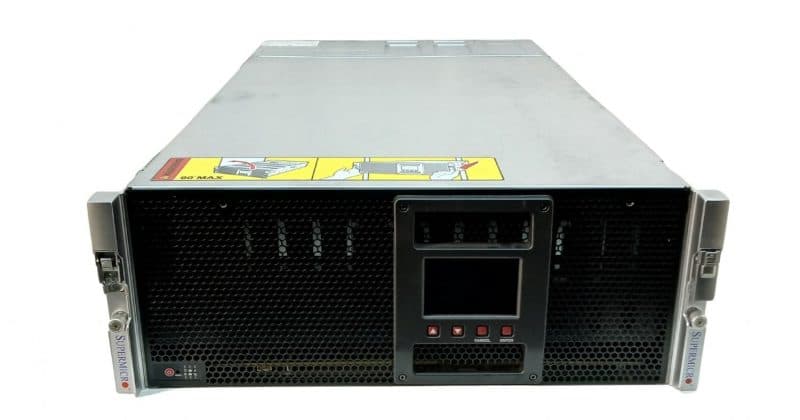
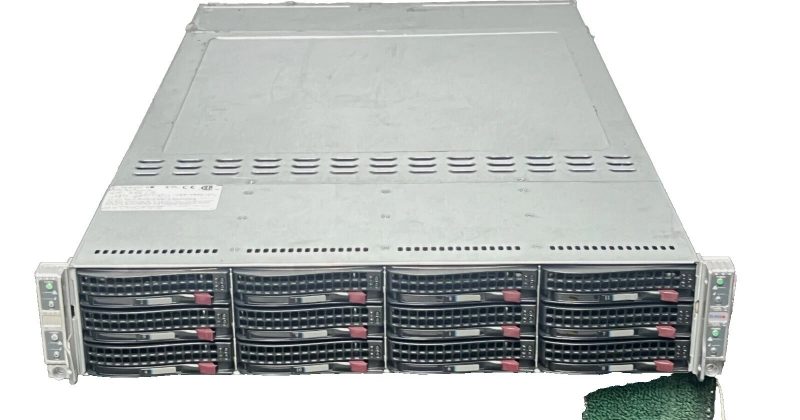
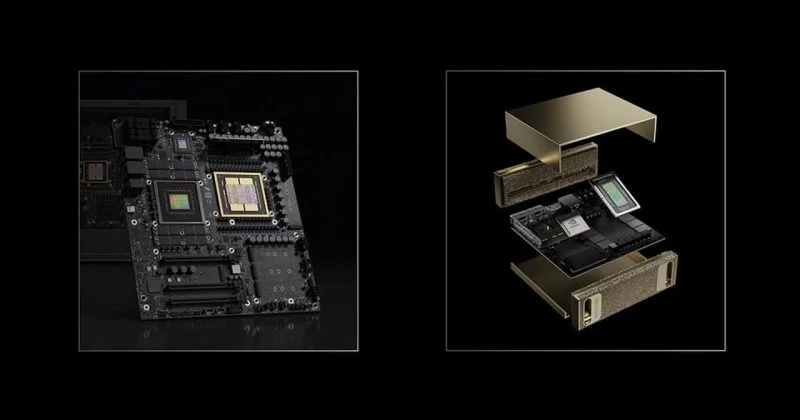
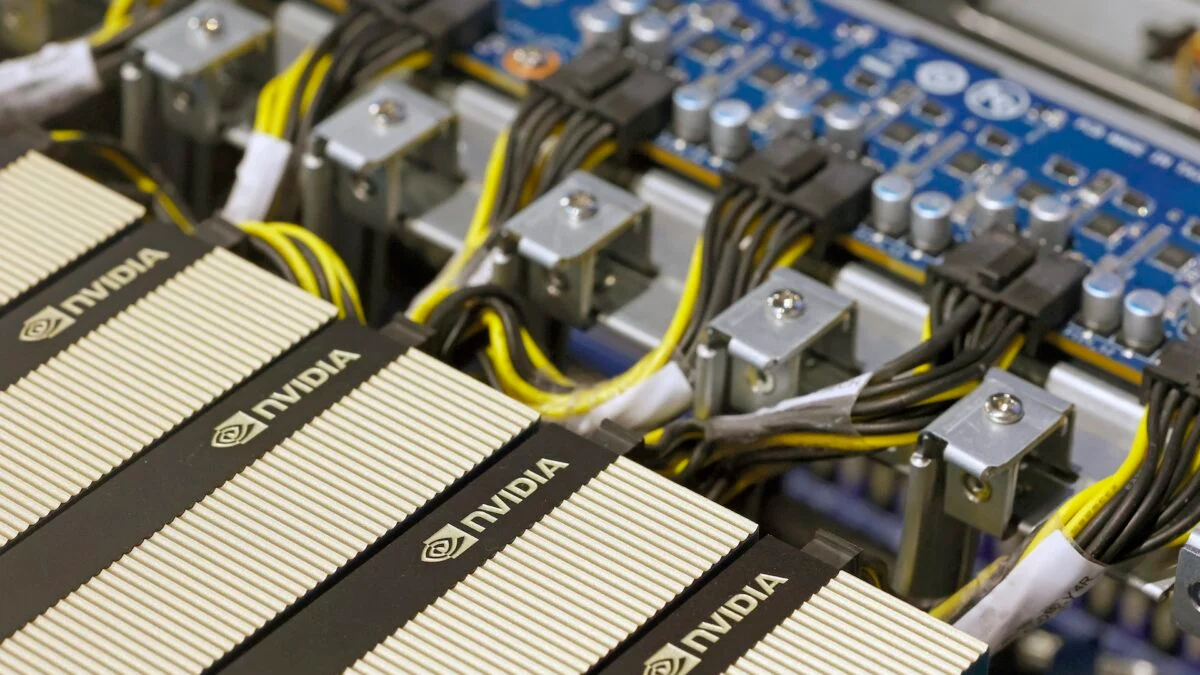
Supermicro employees allegedly pretended to be selling servers loaded with high-end, can’t-be-sent-to-China Nvidia, chips to a company somewhere in Southeast Asia. The Southeast Asia-based middleman company allegedly removed the serial numbers from the chip-laden servers using the old hair-dryer-on-the-stickers trick, and stuck the serial numbers onto dummy hardware. The dummies were then stashed in a warehouse. I'm sorry but this super micro thing is awful but parts of it are genuinely hilarious They literally used a hair dryer to move serial numbers from real servers to dummy servers to throw in a warehouse and got caught on camera pic.twitter.com/Ht9gBBF7aQ — Max Weinbach (@mweinbach) March 20, 2026 Various bureaucratic goings on at the Southeast Asian middleman company seem to have triggered inspections, presumably on behalf of the U.S. Commerce Department. As noted by CNN, the inspections allegedly weren’t all that thorough, perhaps because the individual “conducting the audit was ‘off-site enjoying entertainment paid for’ by the pass-through company, according to the indictment.” So it seems like the serial number trick worked, at least for a while. Meanwhile, the actual Nvidia chip-laden servers, sans serial numbers, were allegedly spirited away to China, and money allegedly changed hands. The dollar figure cited in reports about these allegations is $2.5 billion. “The conduct by these individuals alleged in the indictment is a contravention of the Company’s policies and compliance controls, including efforts to circumvent applicable export control laws and regulations. Supermicro maintains a robust compliance program and is committed to full adherence to all applicable U.S. export and re-export control laws and regulations,” Supermicro wrote in a statement back in March.