Daniel Choi
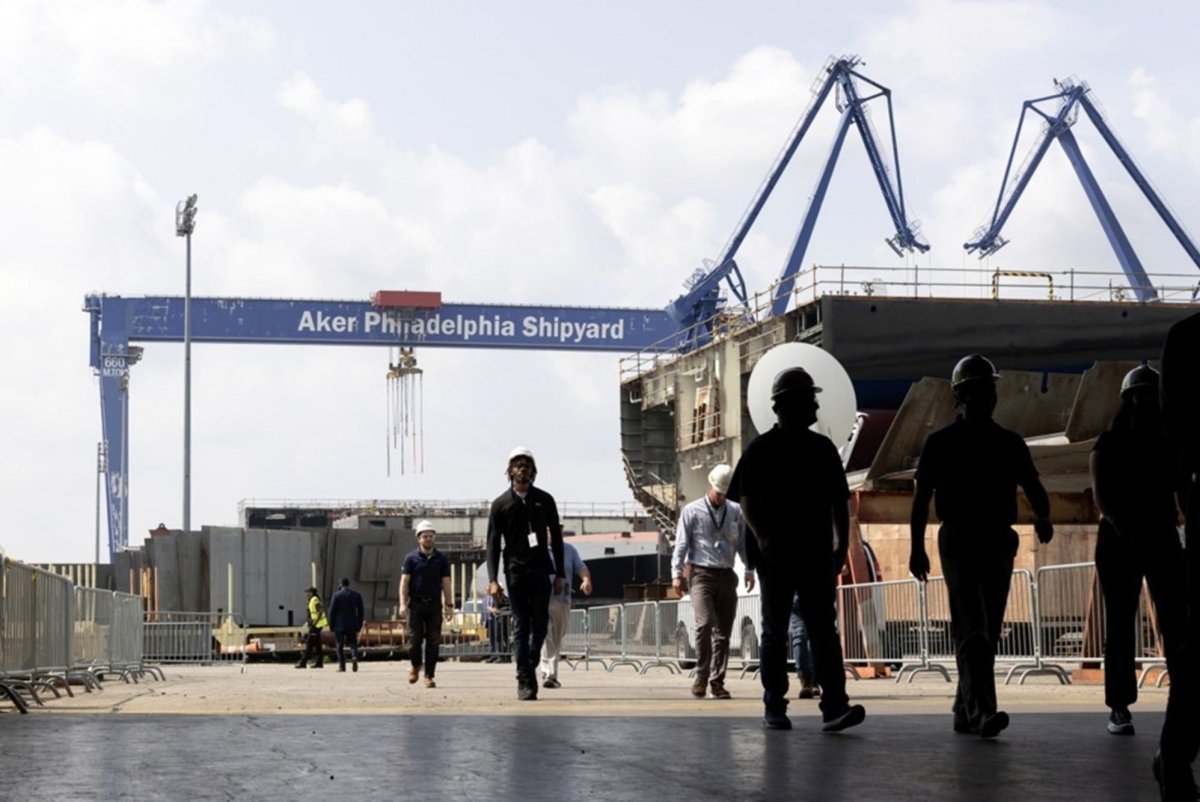
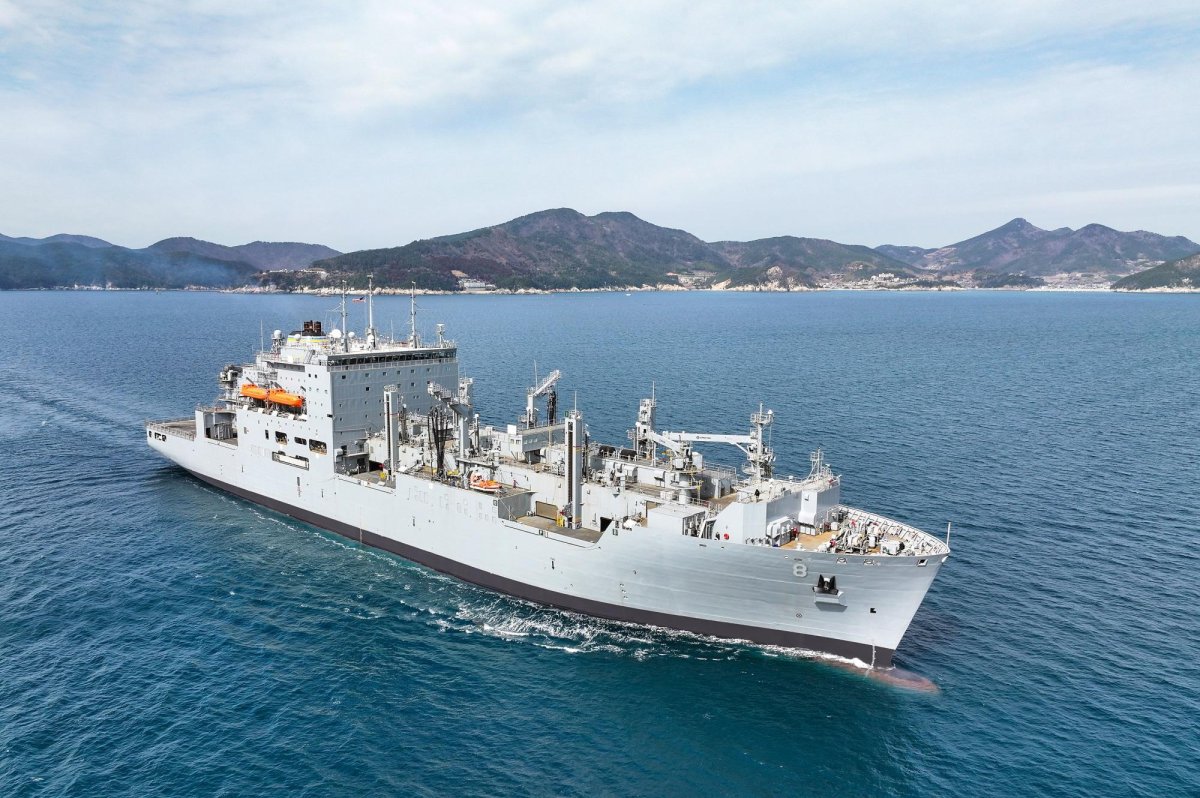
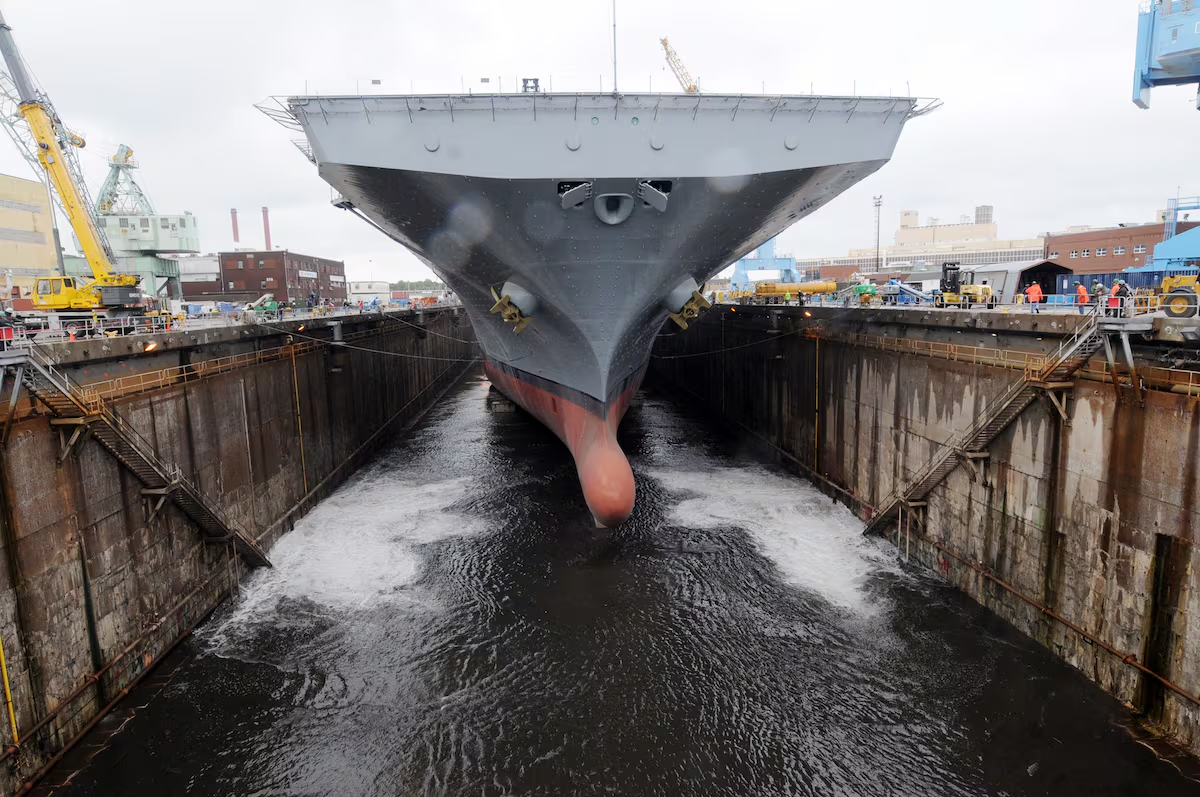
On June 5, U.S.Rep. Jared Golden's amendment passed the House Armed Services Committee as part of the FY 2027 National Defense Authorization Act (NDAA), now heading to a House vote. Intended to promote the U.S. domestic shipbuilding industry, the amendment prohibits any FY 2027 NDAA funds from being used to obtain battle force ships and parts built in foreign shipyards. Historically, the U.S. Navy has never purchased a battle force ship from a foreign country. This practice is also codified in existing law: Under 10 U.S.C. 8679, the military is generally prohibited from procuring major components of the hull or superstructure of any such vessel from foreign shipyards. The Golden amendment would close off any remaining flexibility, prohibiting foreign procurement of battle force ships and parts entirely.
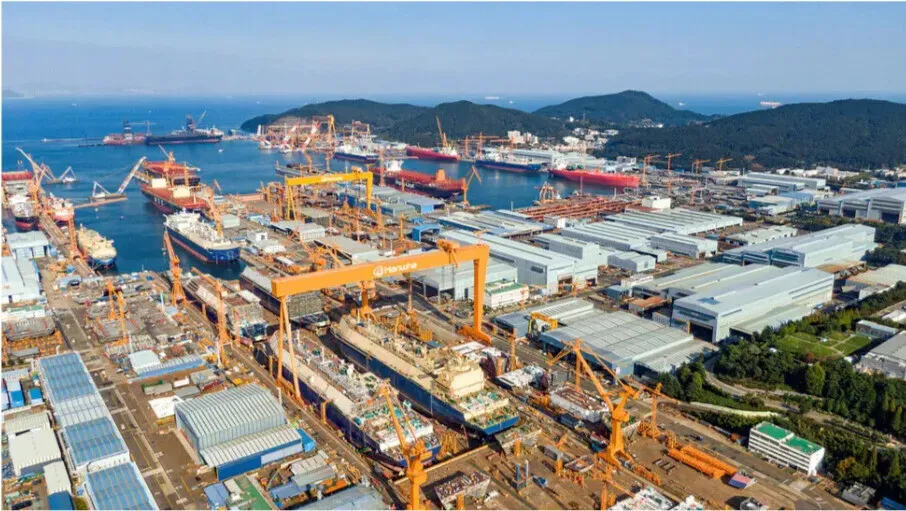
The problem is that the ban the amendment proposes directly goes against where U.S. defense strategy has been heading. Facing workforce shortages, the U.S. ability to sustain sea operations through battle force and commercial ships is a known vulnerability across the Pacific. According to the Center for Strategic and International Studies, the U.S. produces only 0.1 percent of global shipbuilding, while China produces 53.3 percent. Even in terms of sea power, the U.S. Navy has struggled with shipbuilding construction, with 82 percent of new warship construction behind schedule. Meanwhile, China maintains a shipbuilding capacity over 200 times greater than the U.S. The 2026 National Defense Strategy compounds this urgency, as it places the deterrence of China through maritime strength as one of its core goals.