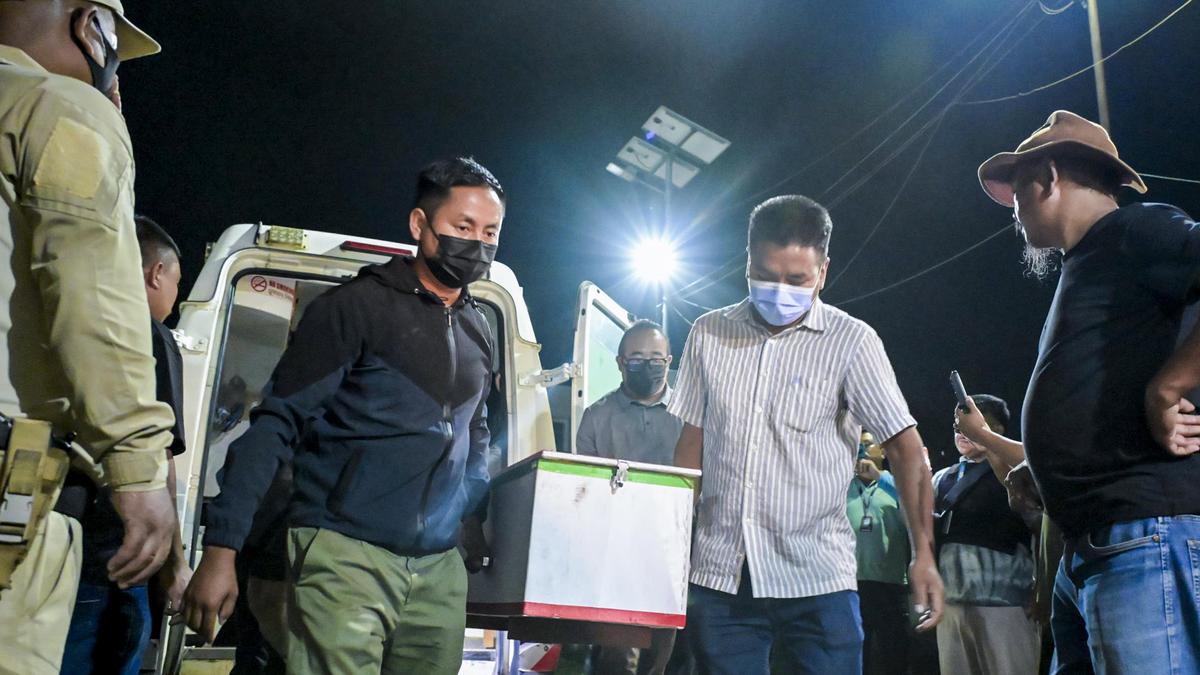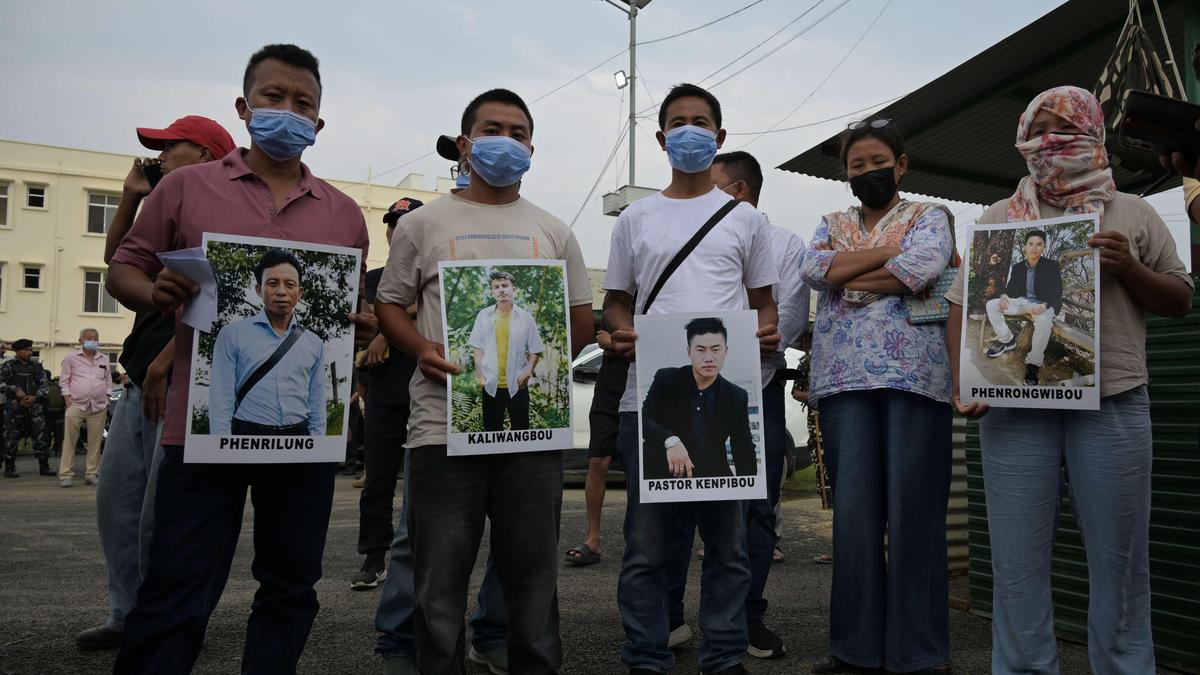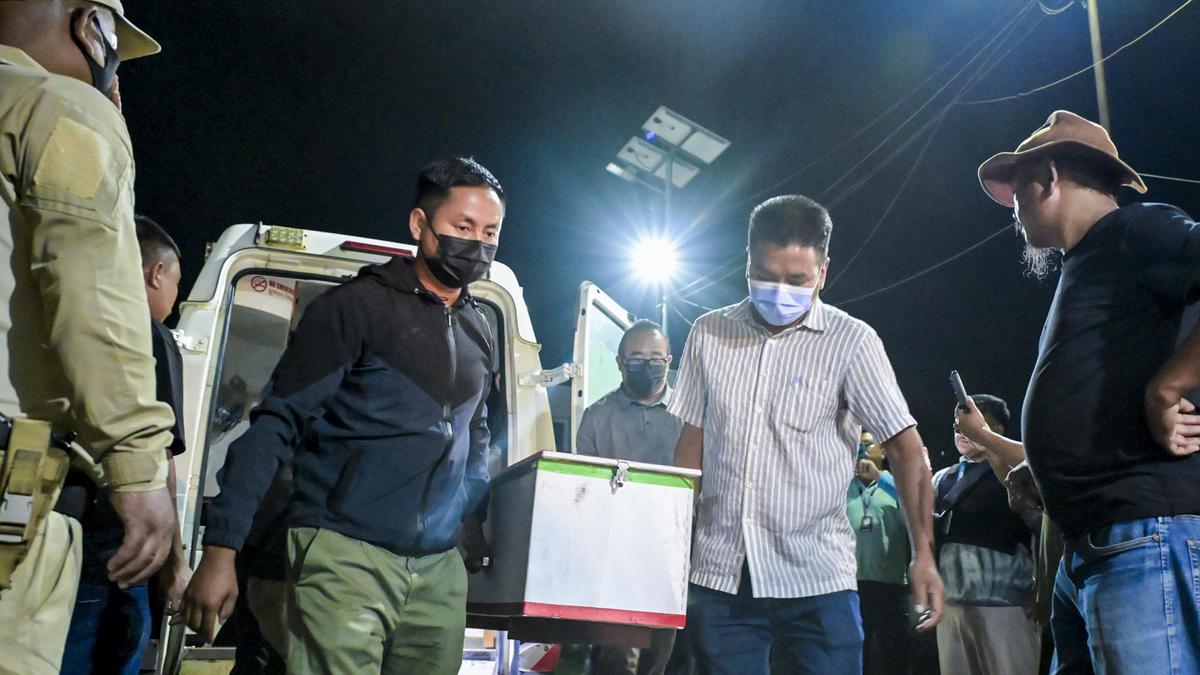
On 13 May 2026, six Naga civilians were abducted from Leilon Vaiphei village in Manipur’s Kangpokpi district. Their bodies, bearing signs of torture, were recovered weeks later on 10 June from a forested area nearby. Days of silence followed before the Kuki-Zo Council, in a rare public admission, called the killings a “grave mistake” made “in a moment of emotion” and apologised on behalf of the community.
Within hours the All Naga Students’ Association (ANSAM) rejected the apology, calling it insincere, demanding arrests and objecting even to the language the Council had used to describe Naga identity. No reconciliation, ANSAM said, could begin while the killers remained free and unnamed.This single exchange captures what has been lacking in Manipur. An apology without accountability satisfies no one.
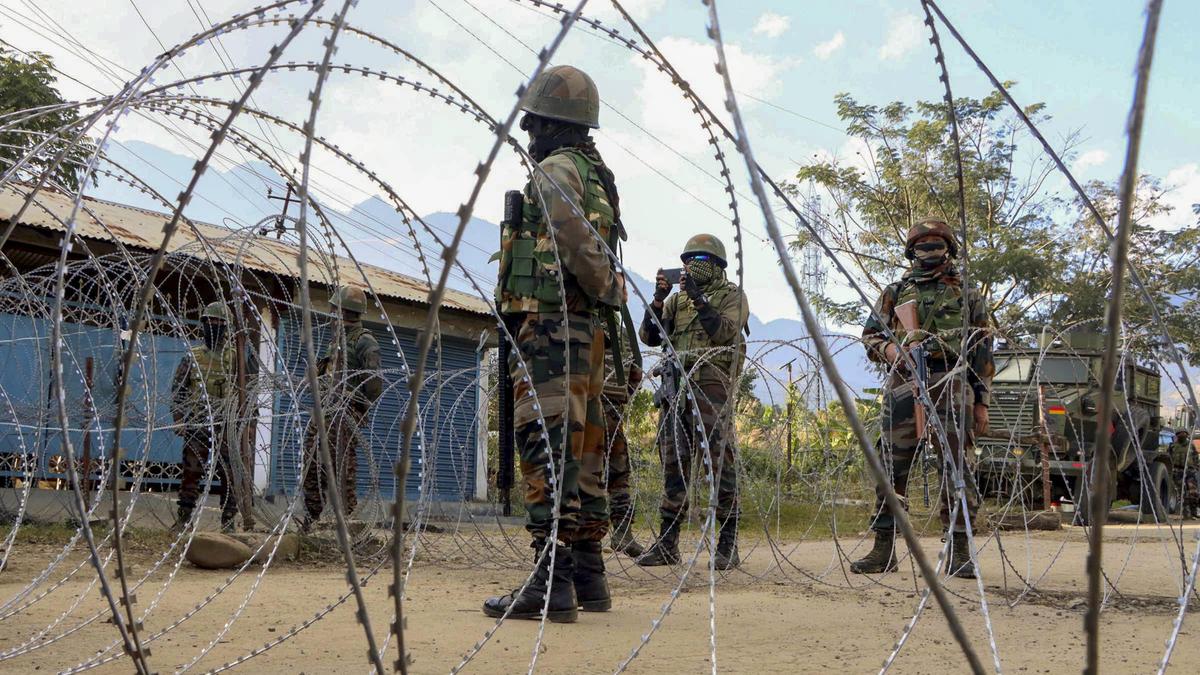
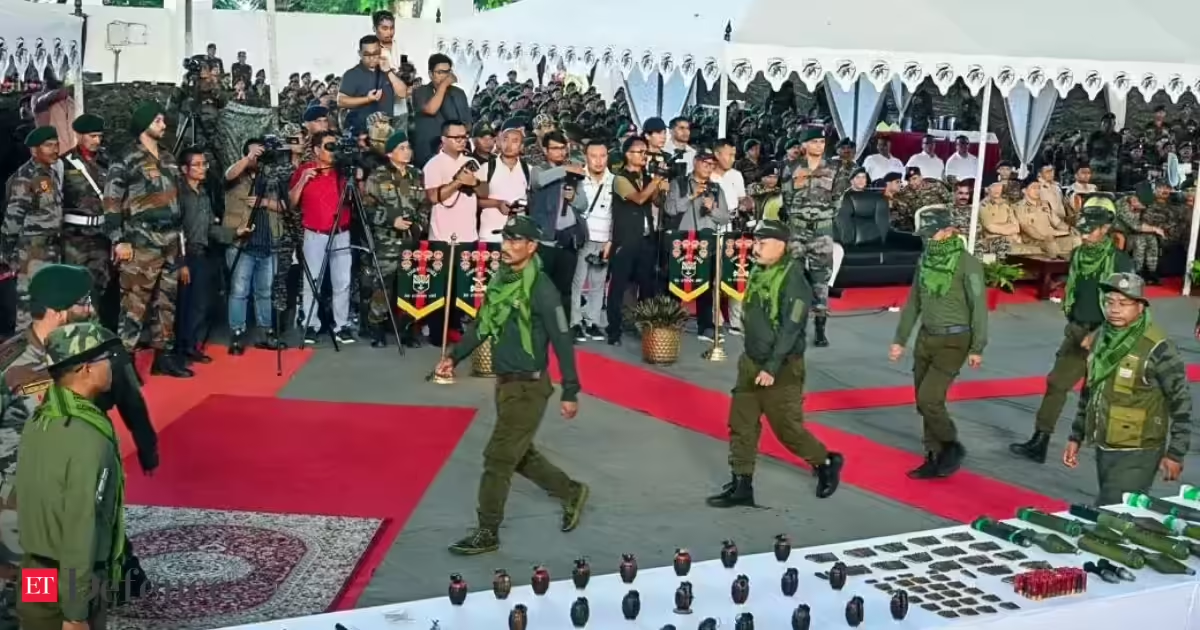
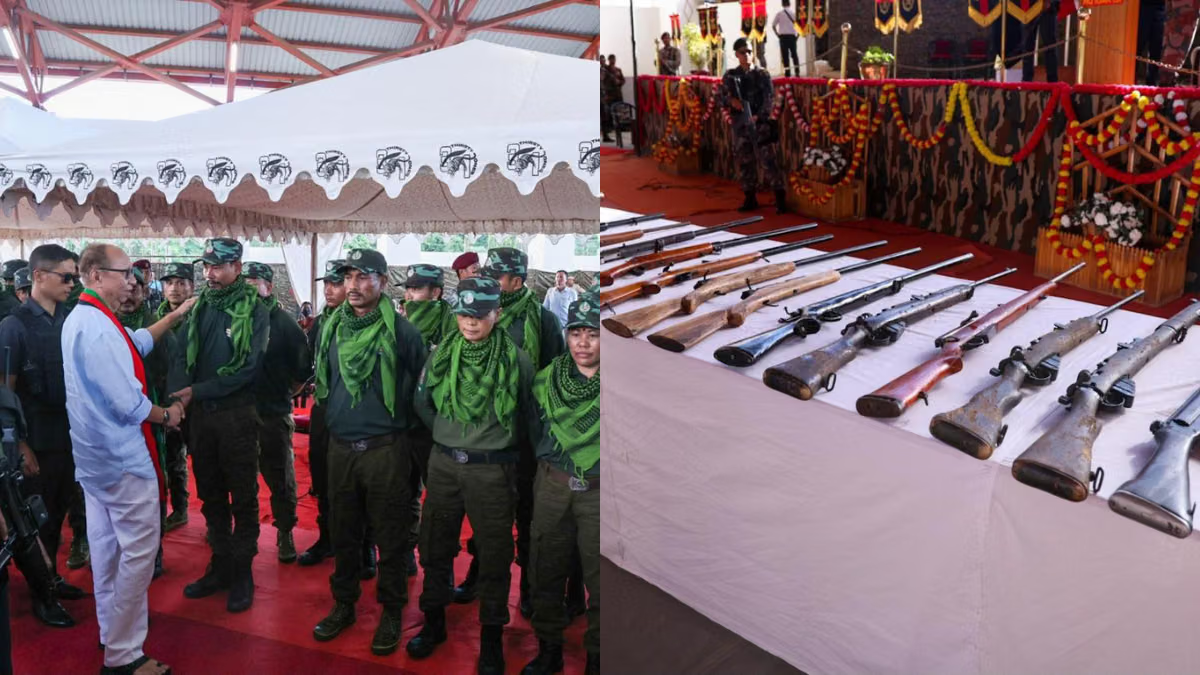
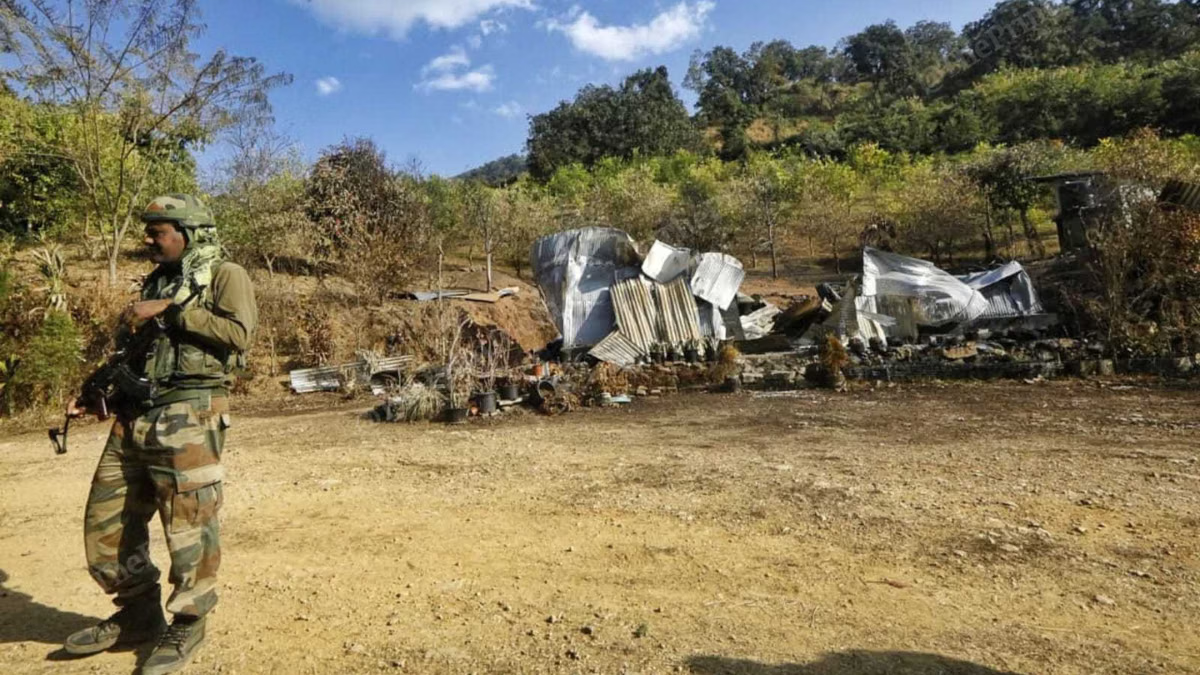
But there is a deeper truth none of the sides has addressed. Where did the weapons that killed these six come from?Just like the weapons that have led to the death of hundreds of others since May 2023, the weapons that killed these six were never supposed to be in civilian hands.Three years into Manipur’s ethnic conflict the question is no longer how the violence started. The question is why it refuses to end. The answer is an uncomfortable number: 6,000. That is how many weapons were looted from state police armouries in the early weeks of the conflict between the Meitei and Kuki-Zo communities. Six thousand firearms along with mortars, grenades, bulletproof vests and several lakh rounds of ammunition were stolen.Three years on Manipur’s DGP put the recovery rate at roughly 70 per cent, but that still leaves close to two thousand sophisticated weapons unaccounted for. They remain in circulation, held by armed village defence groups, ethnic militias and insurgent organisations on both sides.The violence has mutated from ethnic clashes into a complex multi-actor conflict involving all communities in Manipur. And apart from small periods of time, peace has been elusive.