Power has a way of changing people. Or perhaps it is better to say that power simply reveals who people have always been. This played out last week in Nigeria following the announcement of the resignation of British Prime Minister Keir Starmer, which became the trigger for another round of political crossfire between politicians.
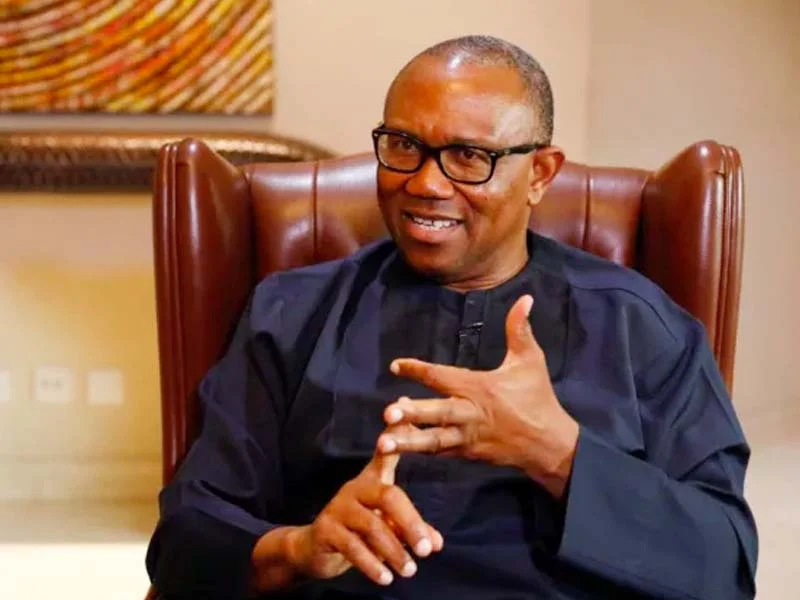
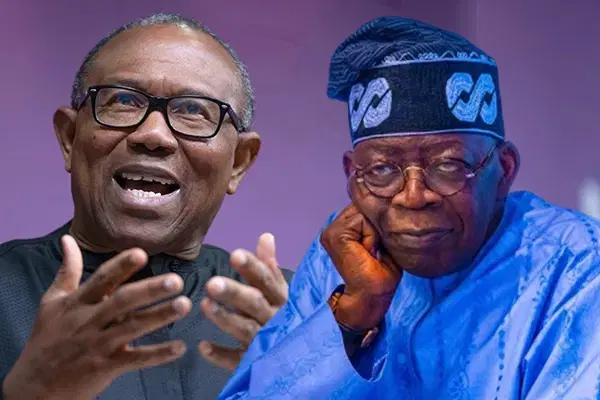
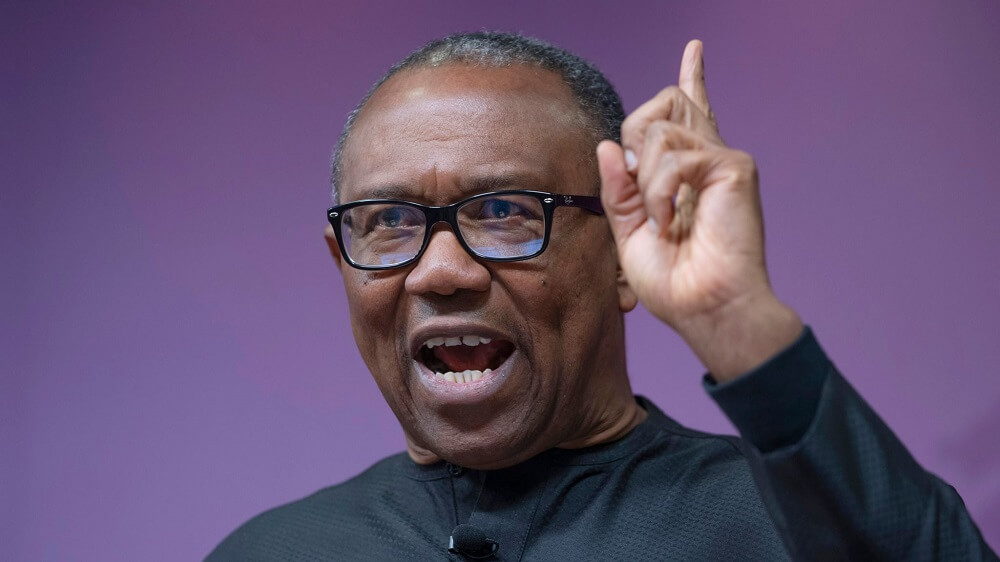
Opposition figure, Peter Obi, seized the opportunity to argue that President Bola Tinubu should also consider stepping down. His argument was that the Tinubu administration has fallen short on many of the promises it made on security, the economy, transparency and the general welfare of Nigerians. Obi also reminded Nigerians that he was just following Tinubu’s example when he was the APC’s national leader. More than a decade ago, Tinubu himself repeatedly called on the then-President, Goodluck Jonathan, to resign over insecurity, the Chibok schoolgirls’ abduction and the deteriorating state of the country. It was seen as sound opposition at play. The work of opposition politicians is to use every opportunity to cast the leading party and politicians as unfit for leadership.
Nobody seriously expected President Tinubu to wake up the next morning, address the nation and announce his resignation because of the statement made by Obi. That was never the point. The point was political accountability.