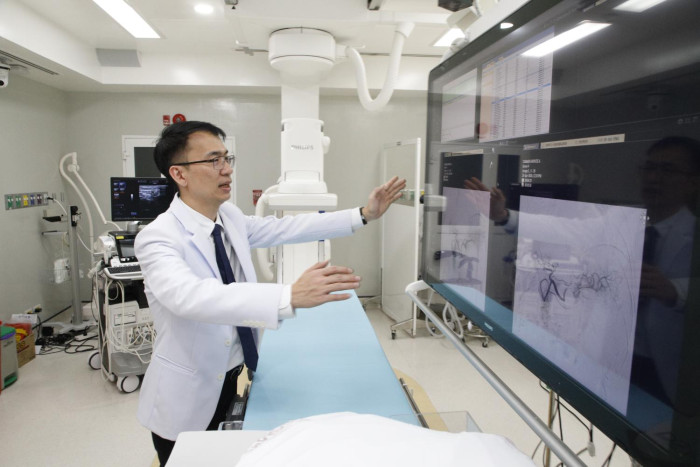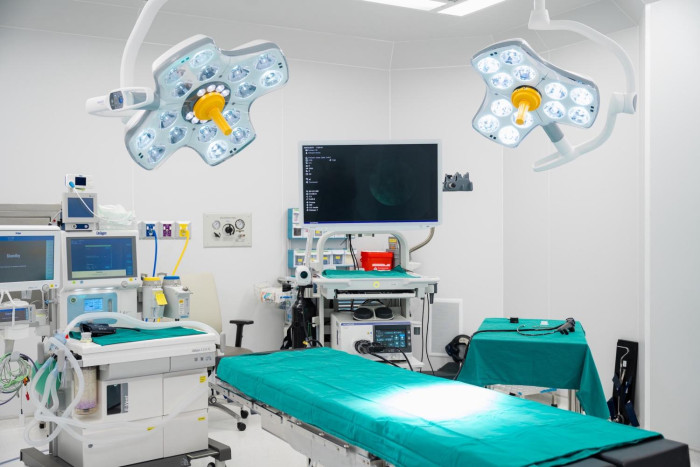
Investment in advanced medical technology is contributing to skyrocketing medical inflation.
Thailand's healthcare sector faces mounting financial challenges as medical inflation continues to surge, placing a heavier burden on patients and forcing hospitals to adapt their strategies, according to Vimut Holding Hospital Co, a subsidiary of real estate developer Pruksa Holding.The average annual rate of medical inflation is 10.8%, outpacing general consumer inflation by more than 15 times, said Suvanich Triamchanchoochai, director and cardiologist at Vimut Hospital.
The sharp rise in healthcare costs is driven by several factors: an ageing population requiring more complex treatments, significant investments in advanced medical technology, and fierce competition among private hospitals to recruit highly skilled doctors.
"We are trying to keep medical treatment expenses at a valuable price, helping patients who receive treatment at the hospital," he said.
The Middle East conflict, particularly the Israel-US war on Iran that erupted in late February, also contributed to financial challenges for the healthcare system.