By
June 29, 2026 / 6:09 PM EDT
/ CBS News
Add CBS News on Google
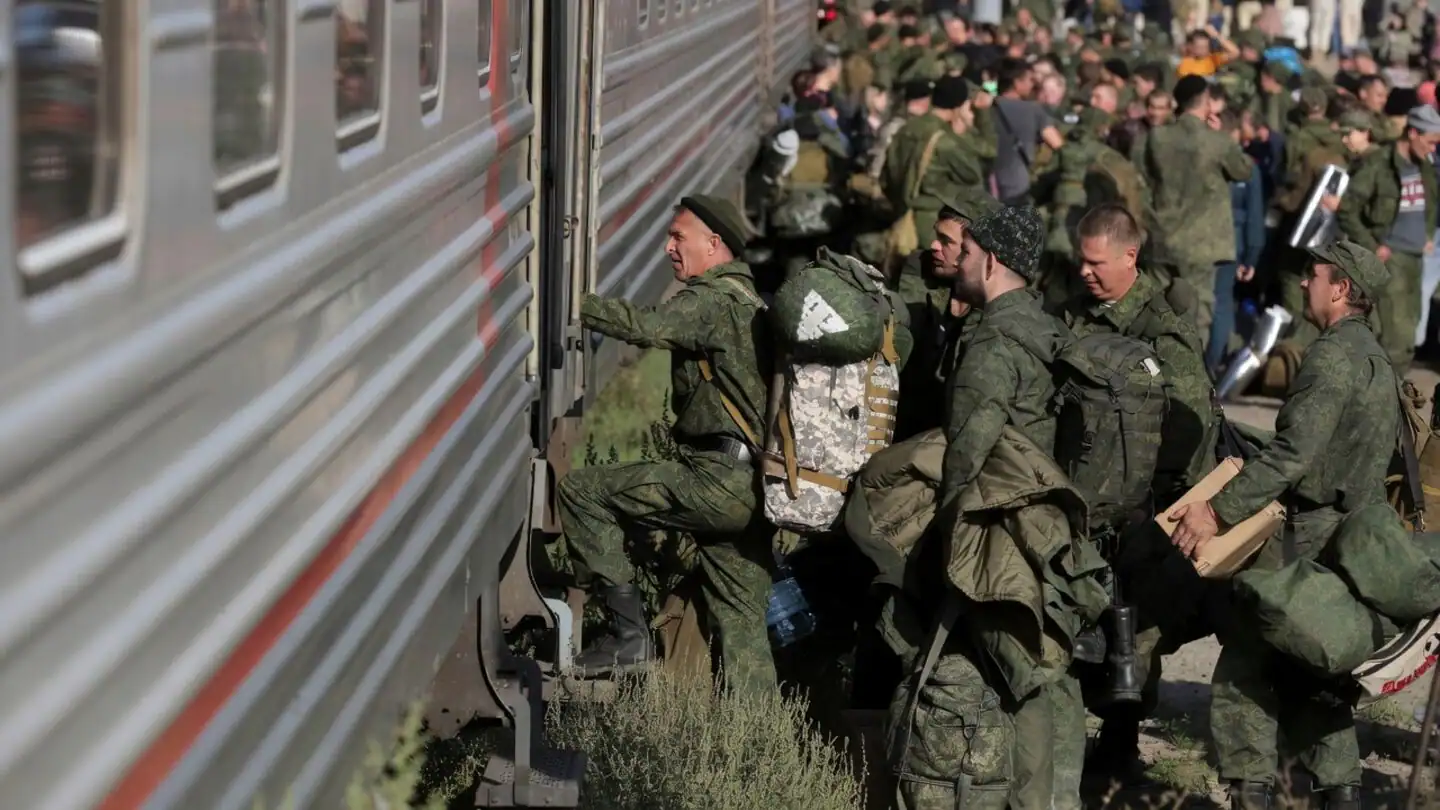
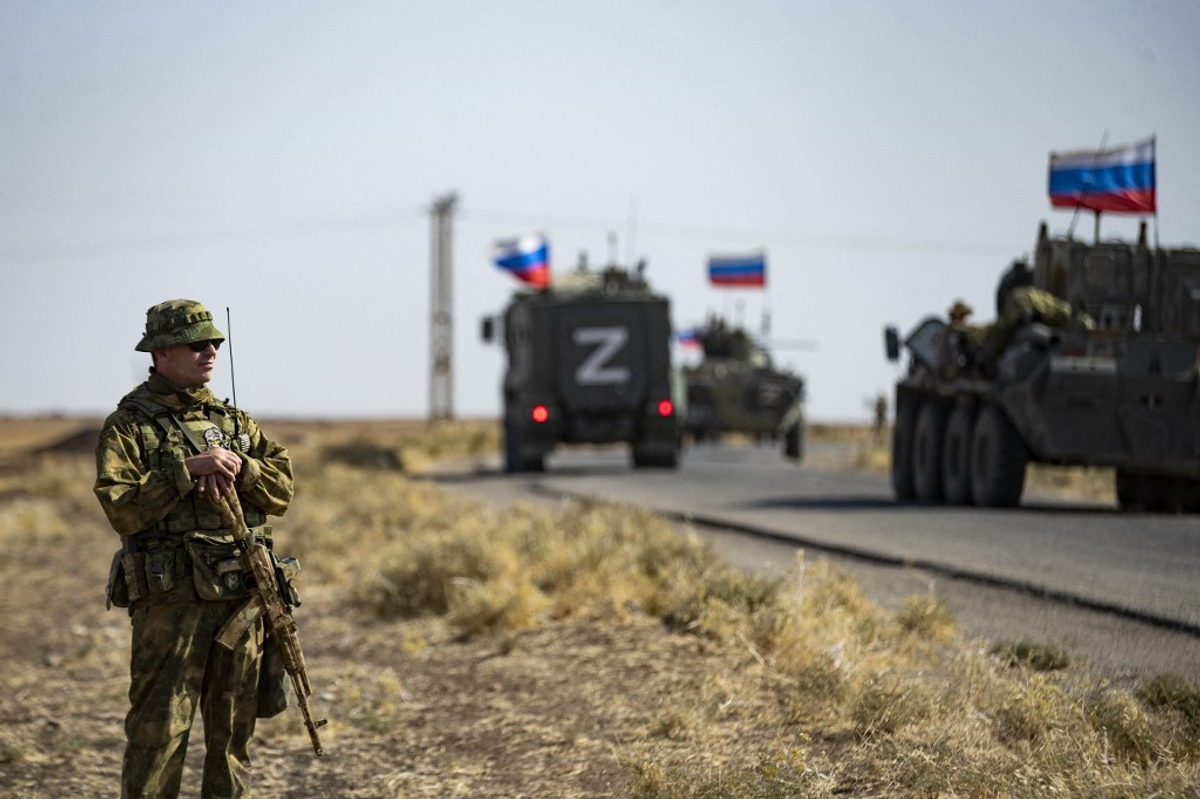
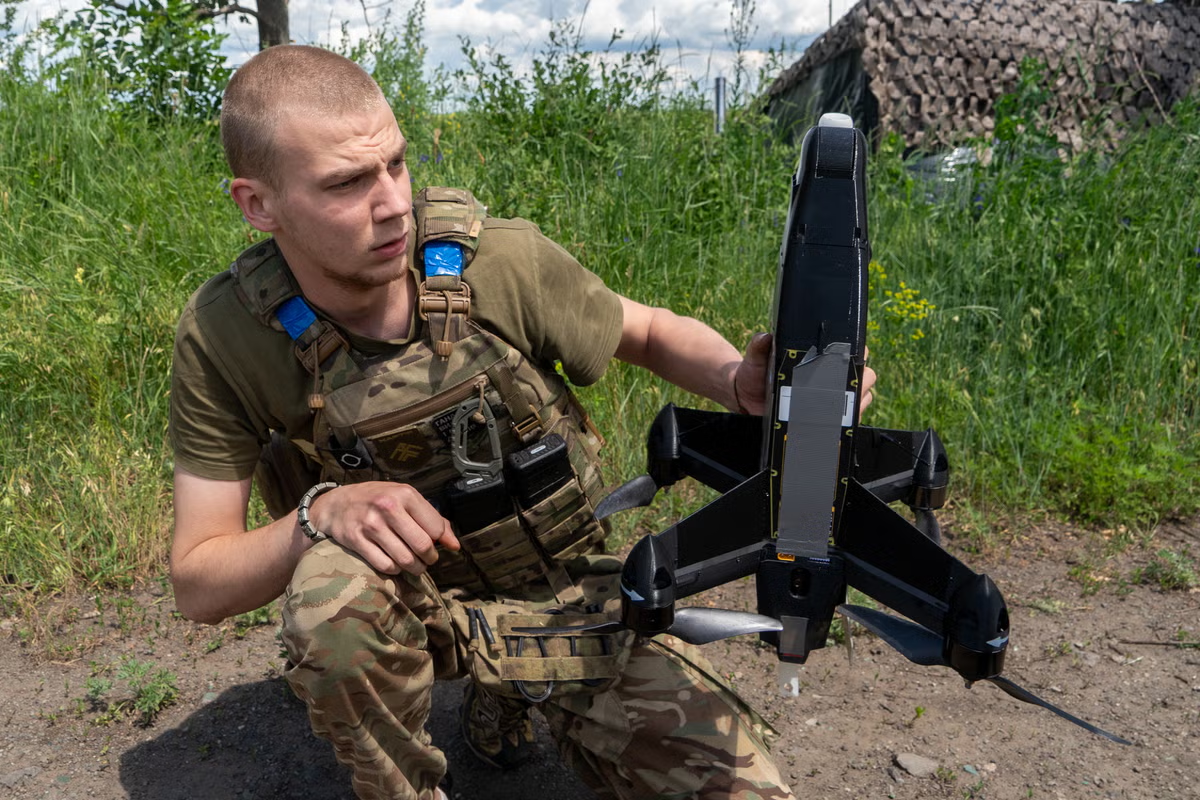
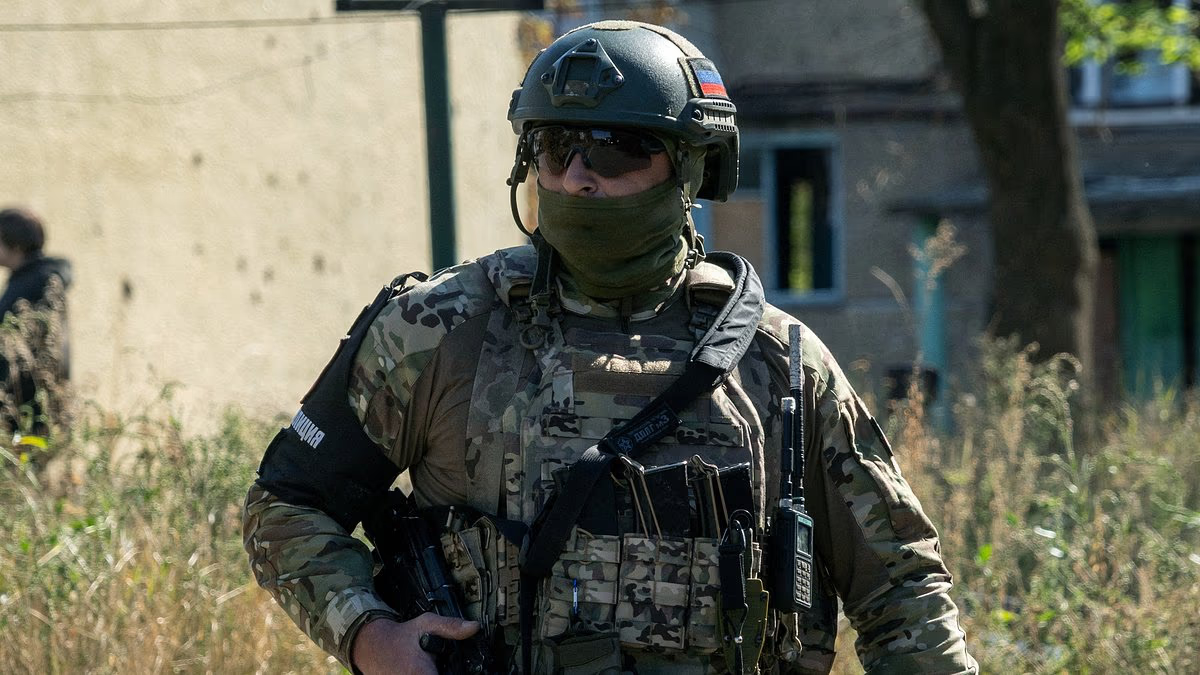
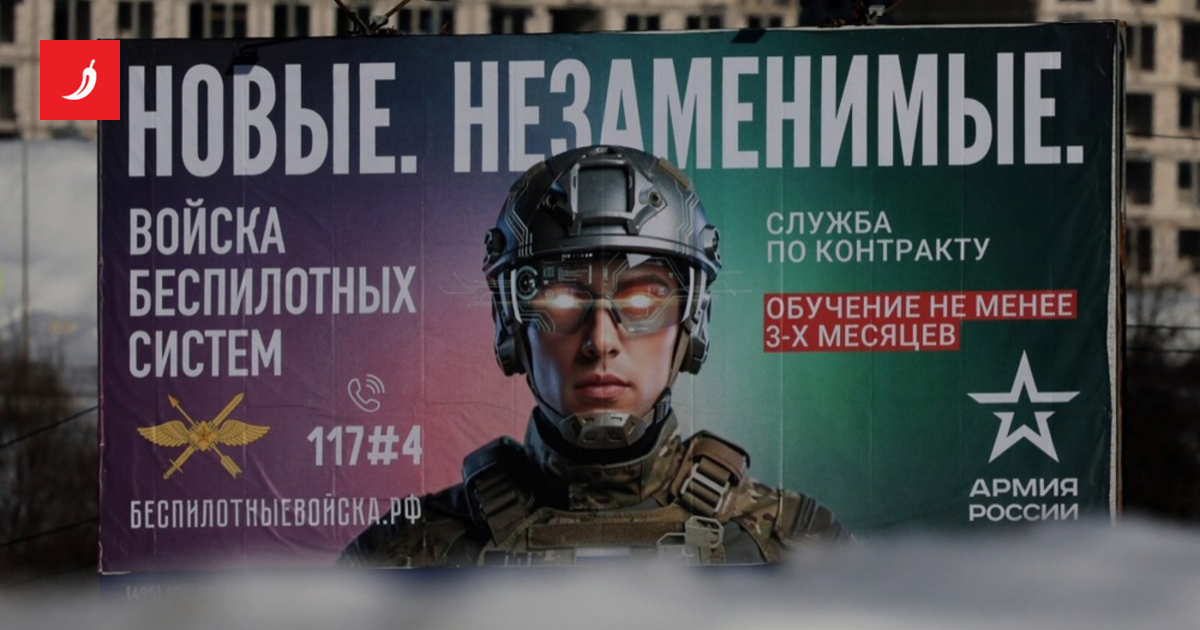
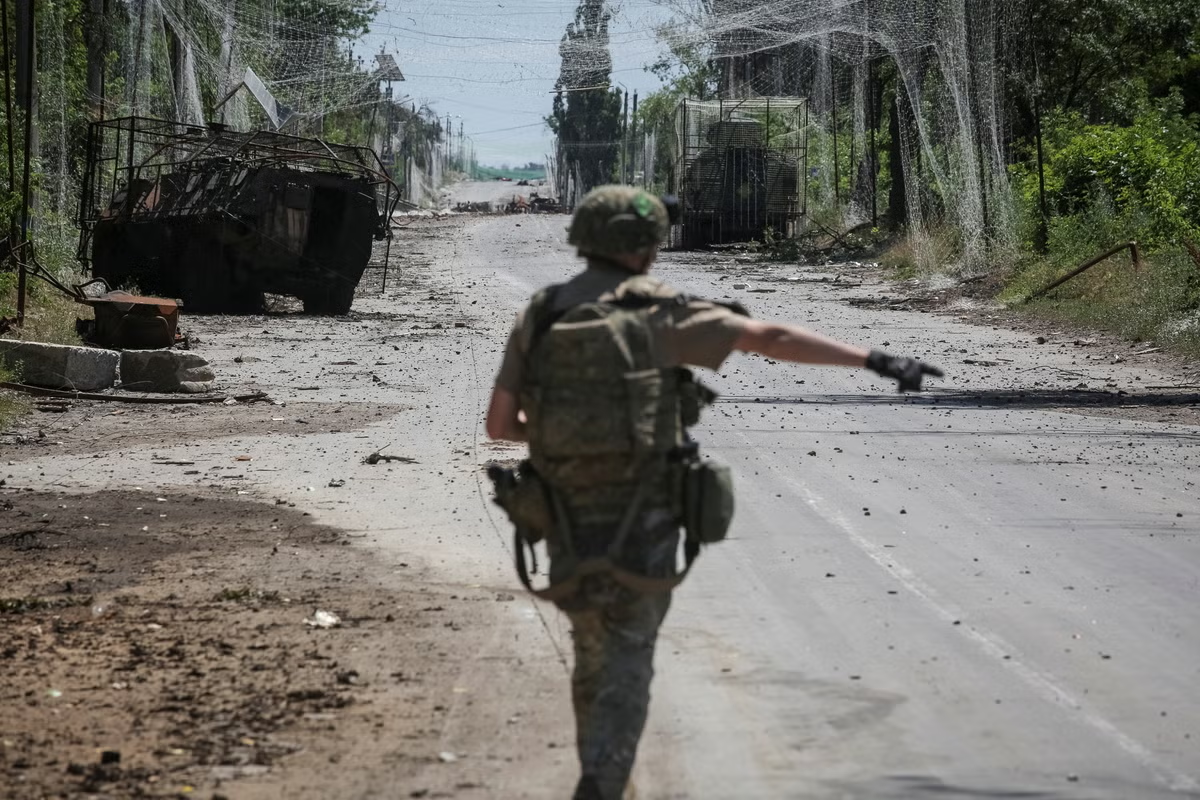
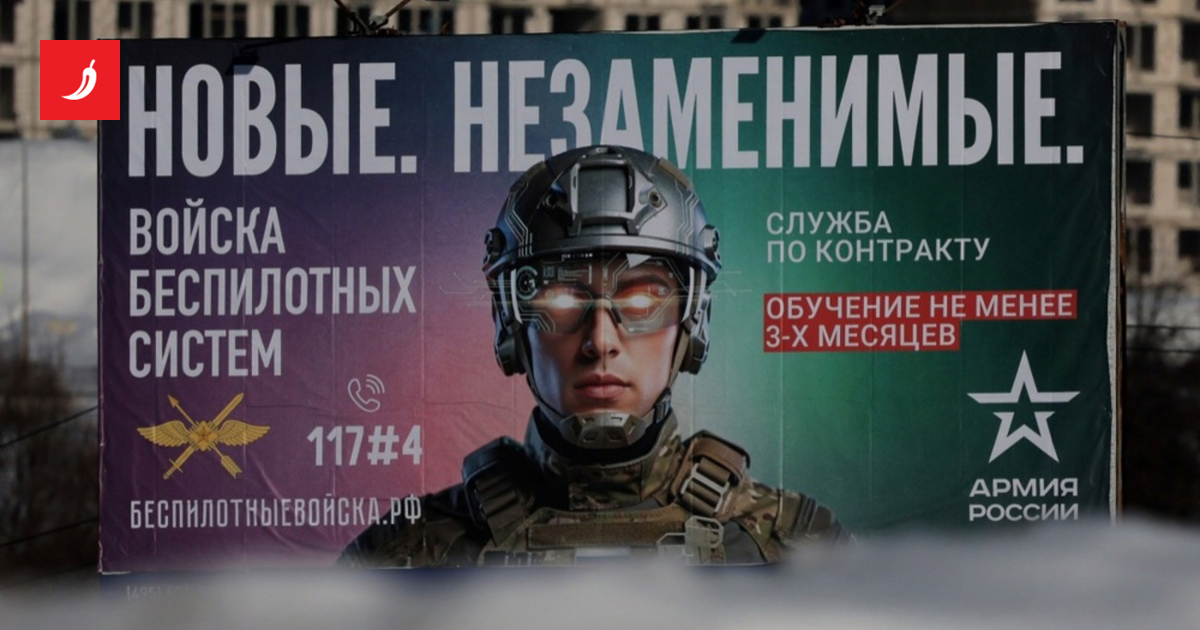
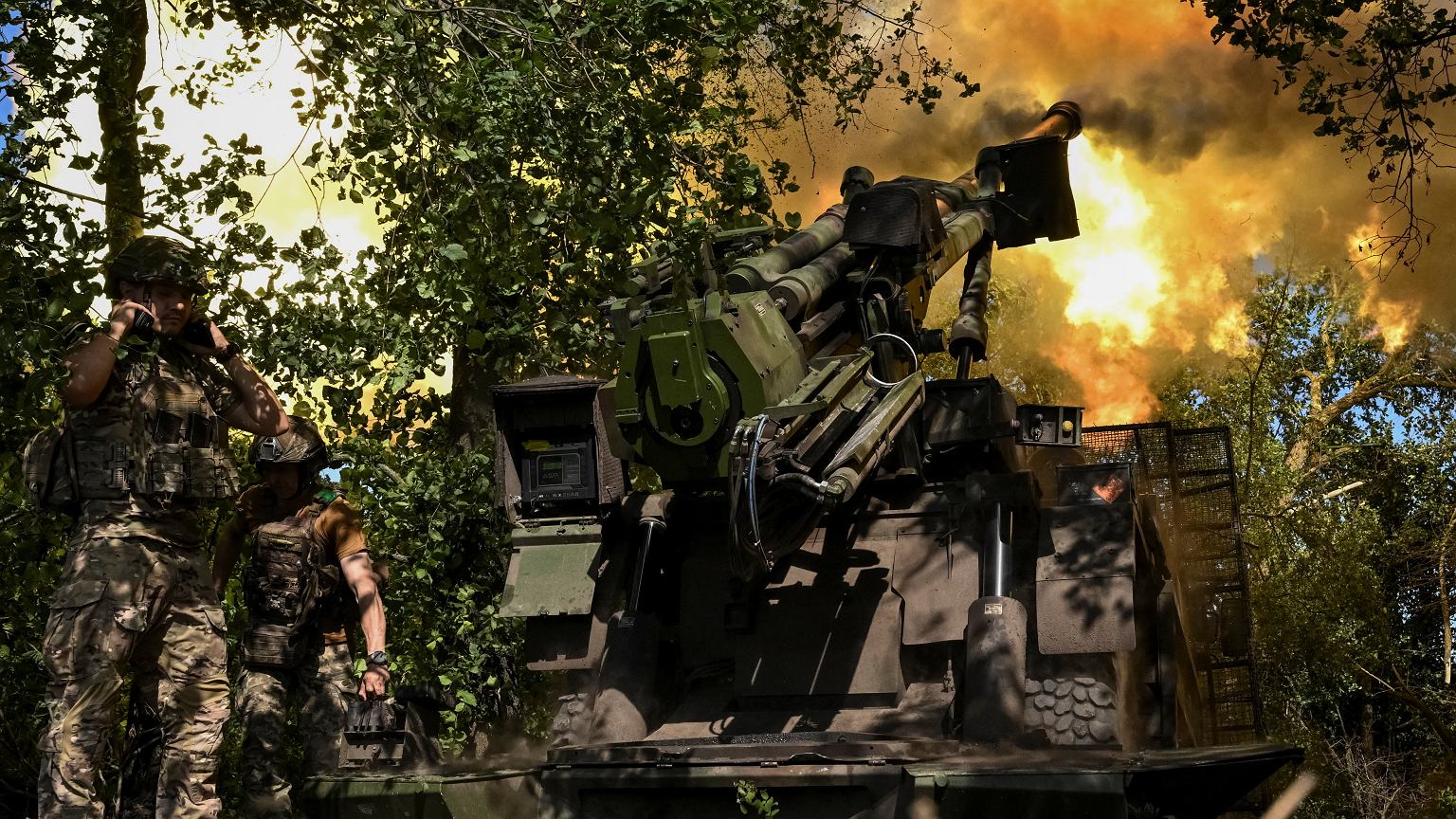
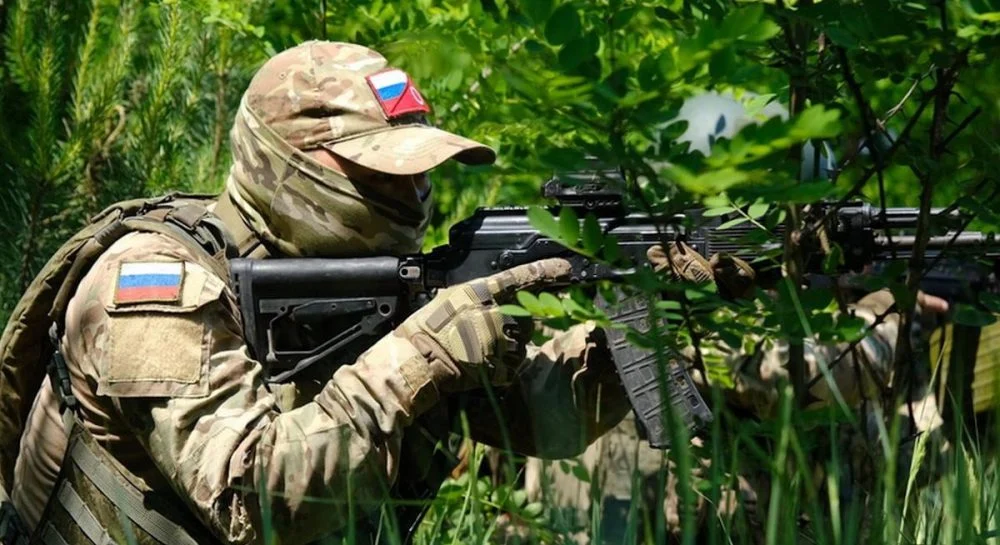
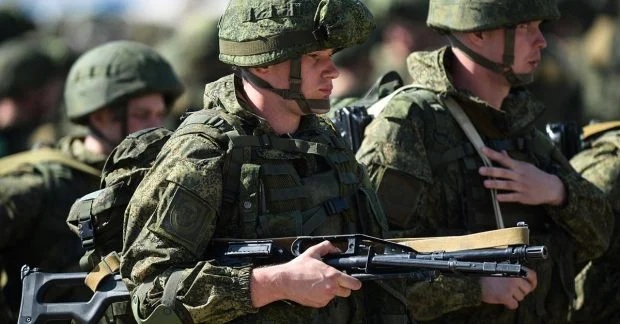
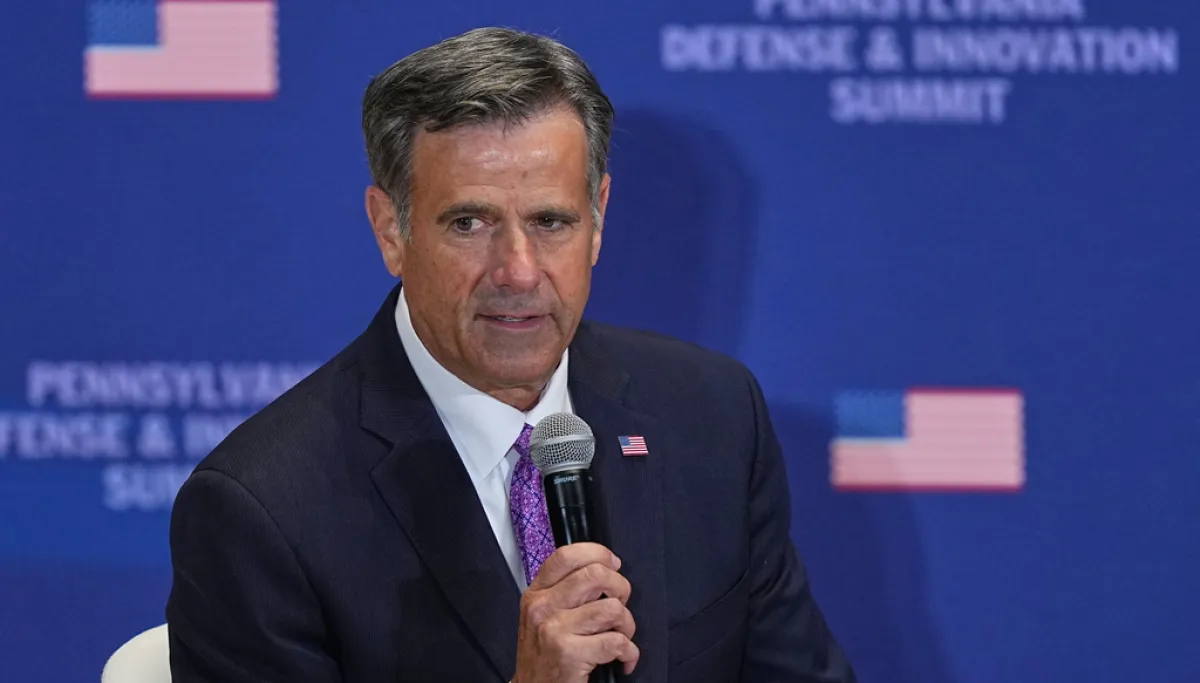
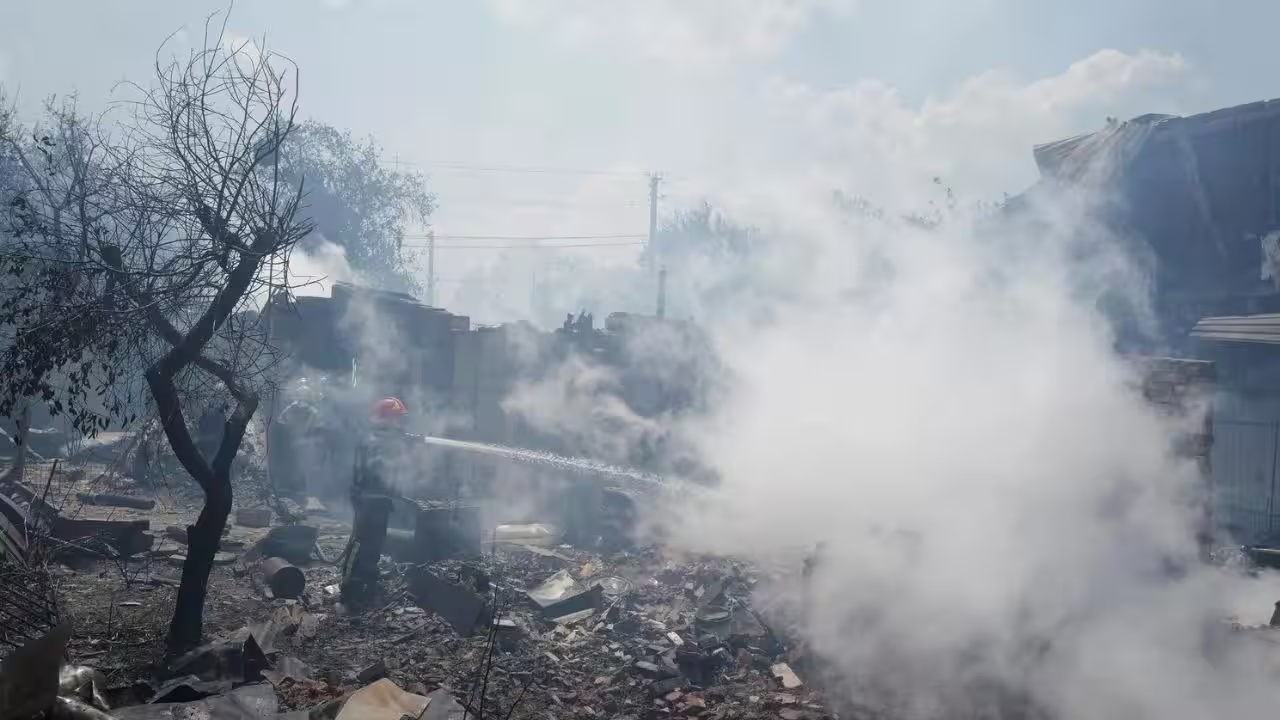
Kyiv — Once Russian soldiers reach certain parts of the front lines of the war in Ukraine, they can expect to live an average of just 20 to 35 minutes, according to a grim estimate by Russian military bloggers, cited by Oxford historian Peter Frankopan in a Foreign Policy report. CBS News has not independently verified the claim. But similar accounts are becoming increasingly common on Russian military channels, suggesting that more Russians are becoming aware of the war and its toll on their side — a toll Kremlin officials have long sought to shield from view.The war has inflicted staggering losses on Russia's young men. The director of the British intelligence agency GCHQ said last month that Russian war deaths have now likely reached nearly 500,000. Ukraine's defense ministry says it has taken over 1.4 million wounded or killed Russian troops off the battlefield. As drones have saturated the front lines — creating what is known as the "kill zone" — Russia is losing men at faster rates. Unable to rely on heavy artillery, now easily picked off by cheap first-person-view drones, Russia's military has turned to infiltration tactics: using small groups of soldiers on foot or motorcycles to probe weaknesses in Ukraine's lines. This has resulted in bloodier fighting. Drones now account for more than 80% of Russian losses, according to Ukraine's President Voldymyr Zelenskyy. And estimates suggest that there are now more Russians killed in the war than there are wounded, a first in modern warfare. Ukraine faces its own manpower problems and must resort to similar infiltration tactics to push back Russian lines. "Manpower's been a problem since the end of the summer of 2023 offensive," Rob Lee, a Ukraine-based military analyst, told CBS News. "We've had some cases where infantry have spent more than a year in position with no rotation." But Ukraine's military has managed to more effectively reduce its soldiers' exposure to danger by using drones to replace some troops in combat, medical evacuation and logistics roles.