Show Caption
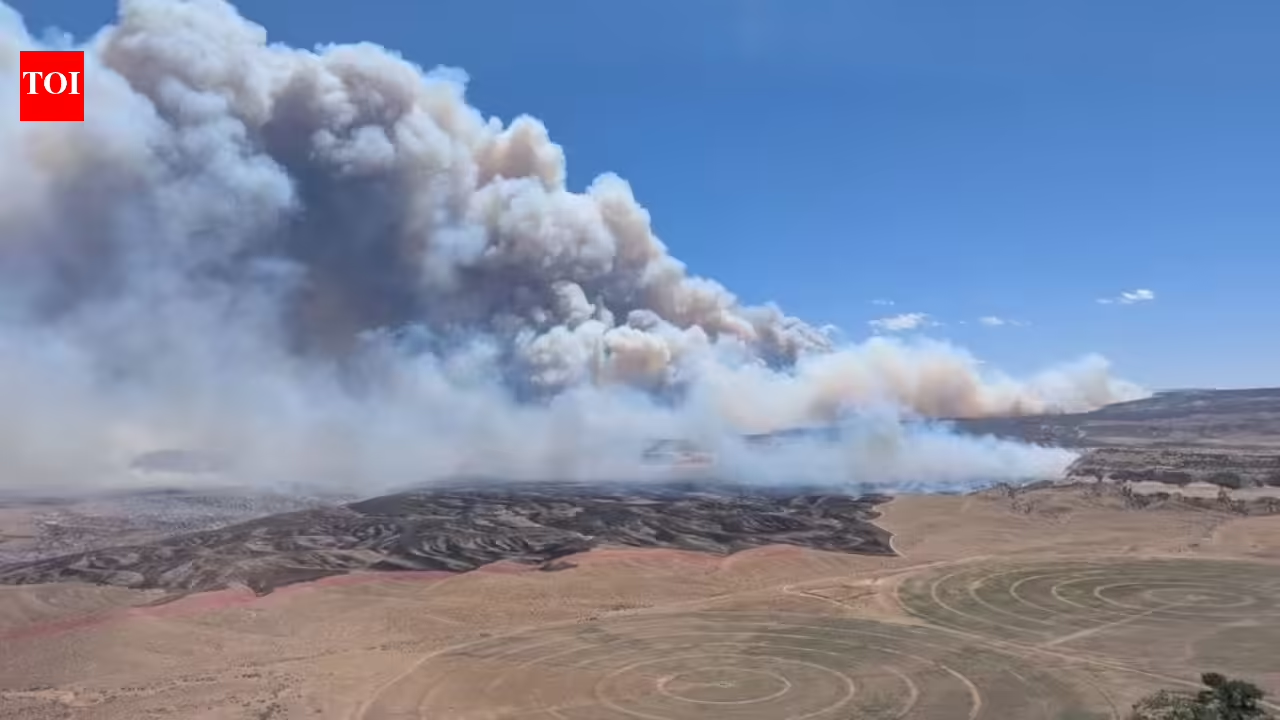
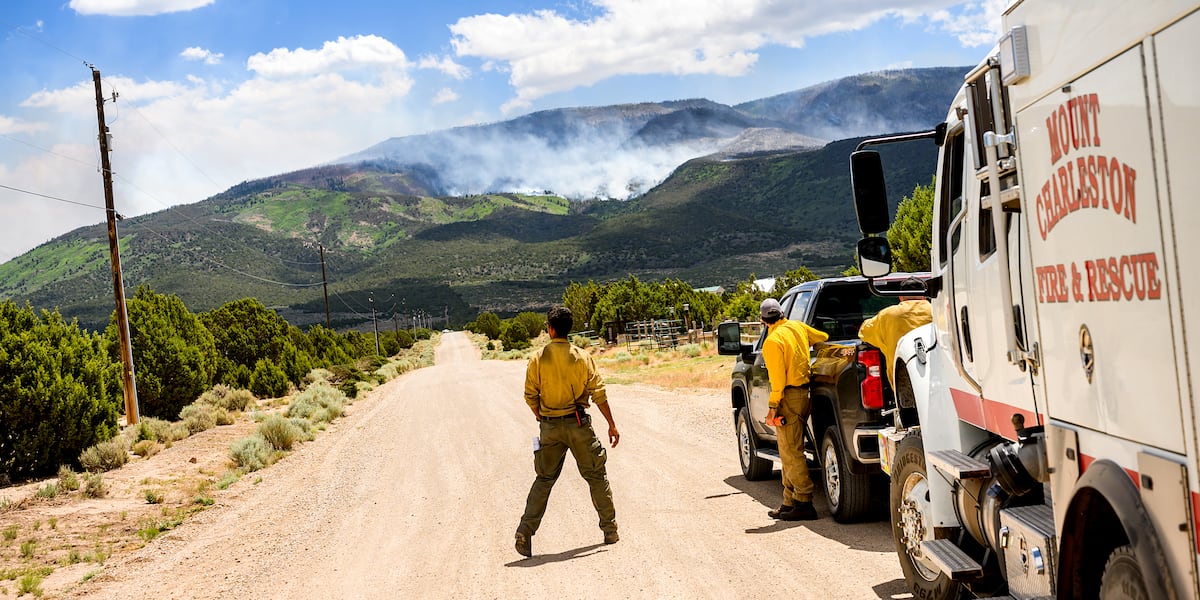
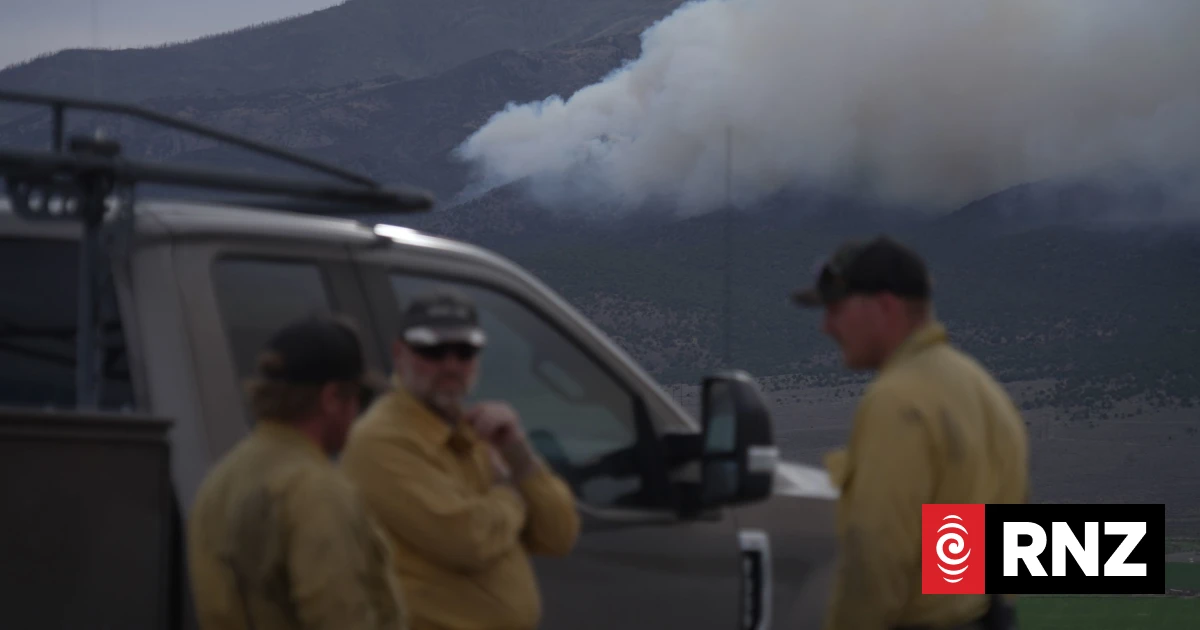
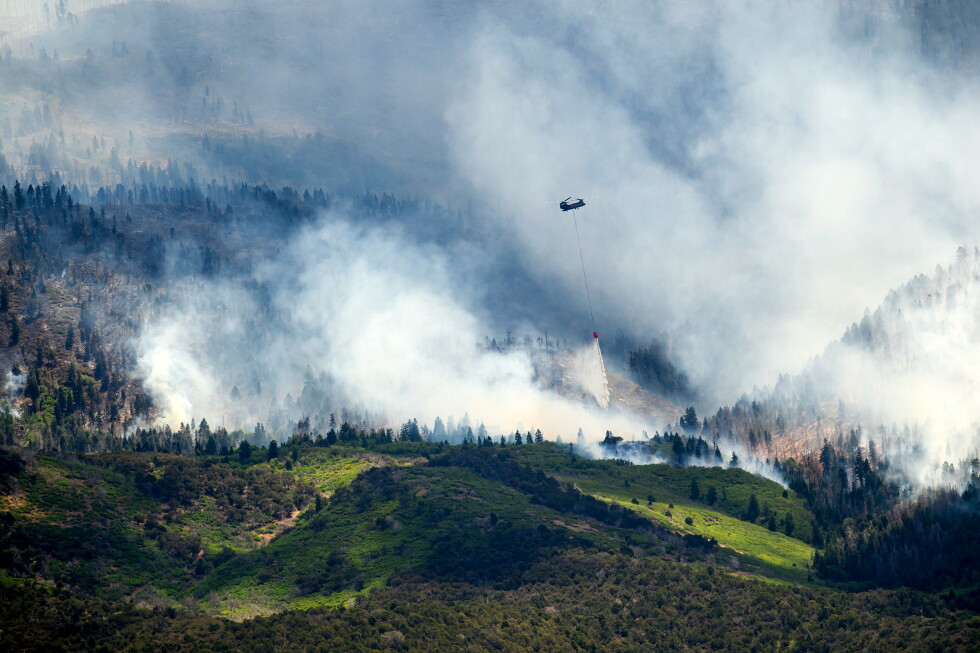
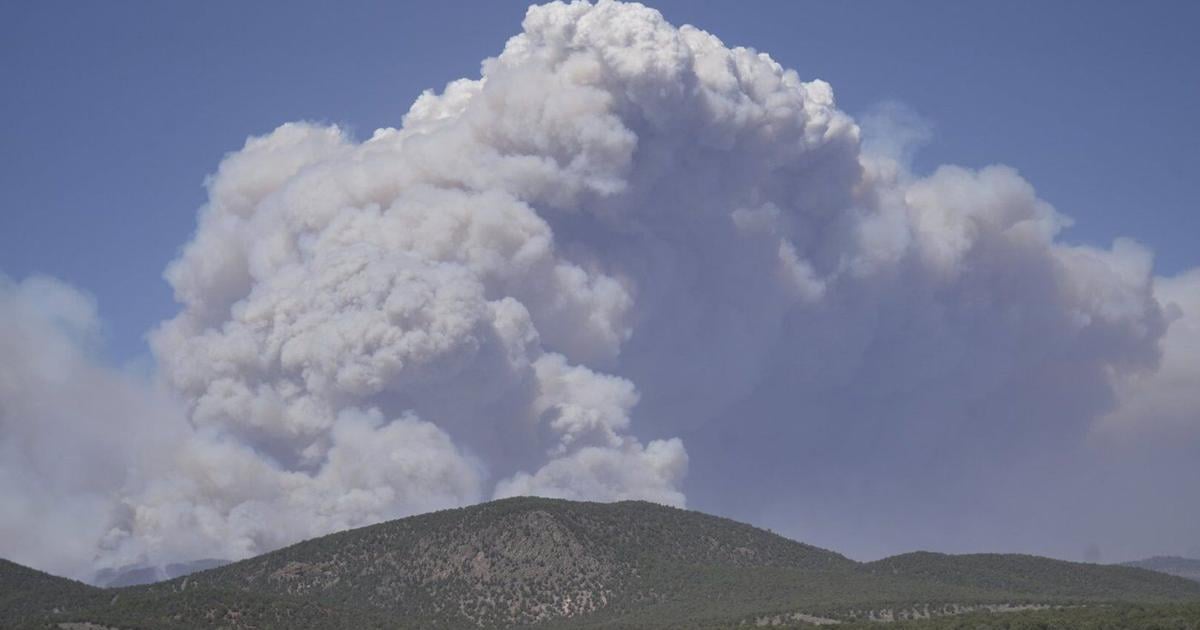
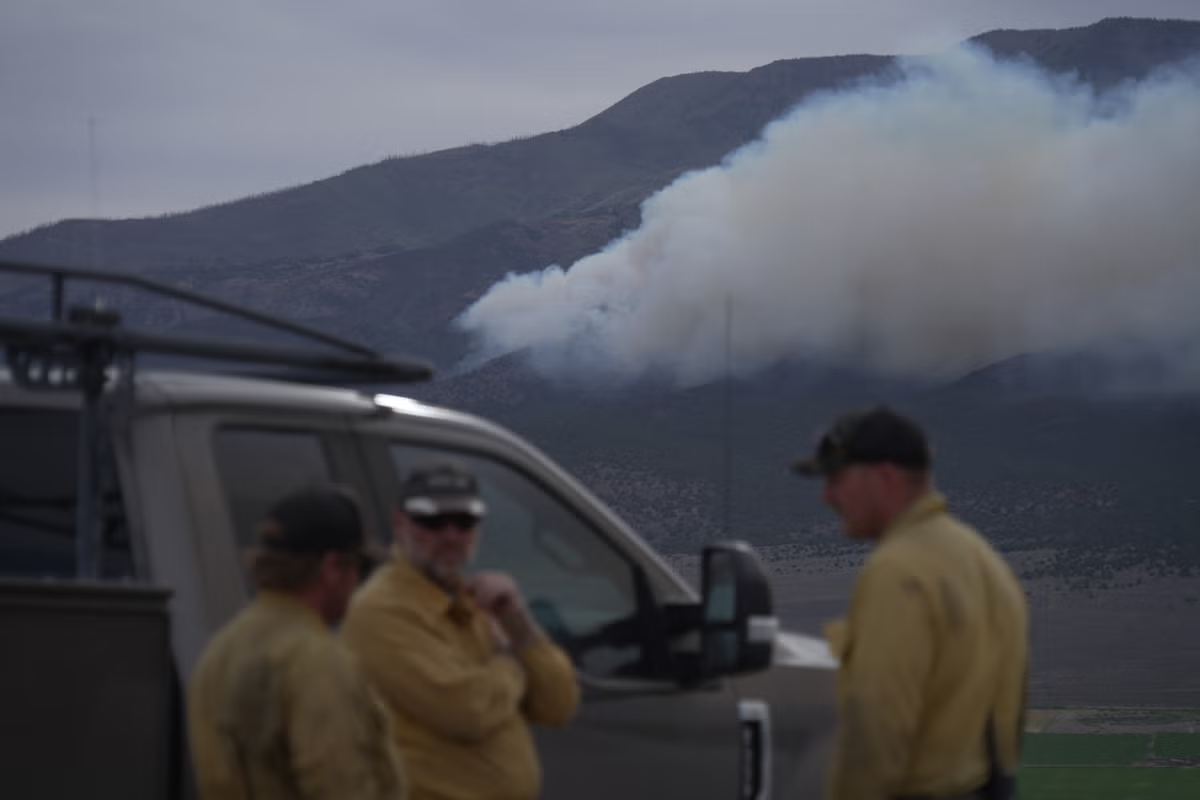
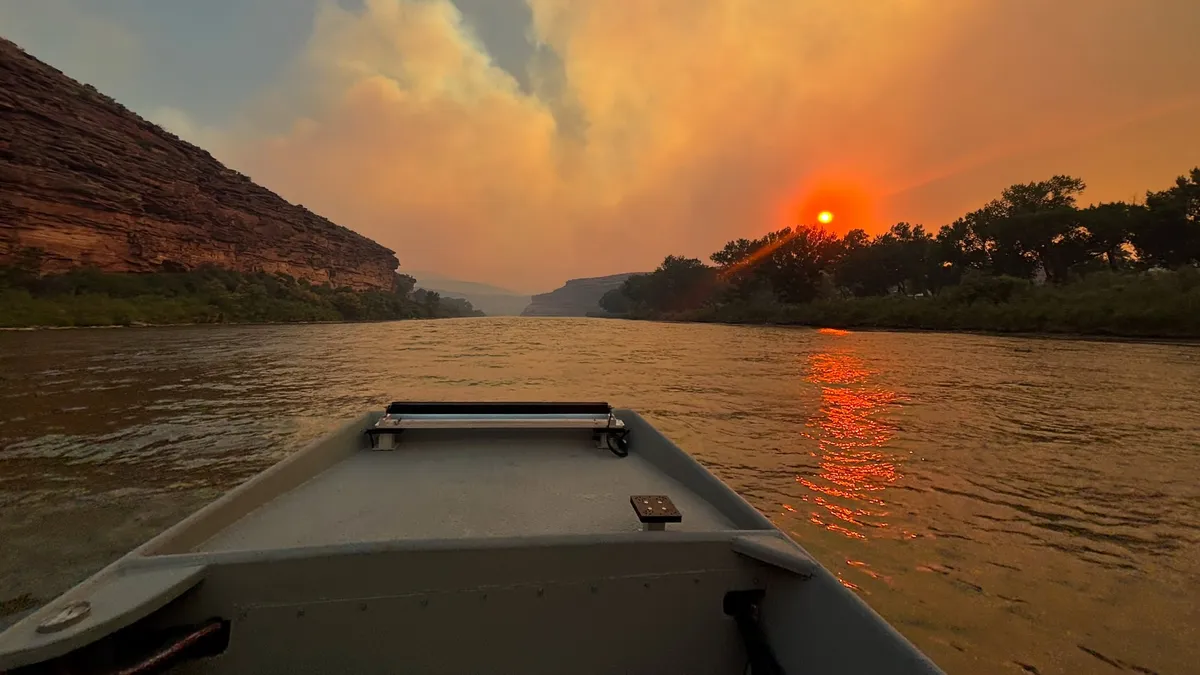
More than 120 campers and rafters were evacuated from a stretch of the Colorado River over the weekend of June 27 as one of more than a dozen large wildfires grew rapidly in the West.While flames burned across a mesa top, several agencies worked together in a complex operation to collect the 123 river rafters and six dogs from along the Loma and Westwater sections of the Colorado River and bus them out of the area, according to posts by Mesa County Search and Rescue in Colorado and the Mesa County Sheriff's Office.Other evacuations were ordered in the region as the fire grew over the weekend. By June 29, the fire had reached 28,264 acres in size.Dozens of fires are being fought and monitored across the country amid drought and soaring temperatures as June comes to a close.Critical fire-risky weather is expected across portions of the Great Basin and Colorado River valley on June 30, according to the National Weather Service. Gusts of up to 30-35 mph are forecast in northeastern Arizona, northwestern New Mexico, eastern Utah and western Colorado.A brutal heat wave is expected to sweep the country east of the Rocky Mountains by July 4, and a variety of fire and fireworks restrictions and bans are in place across the nation.Developments:In Pueblo County, Colorado on June 29, the entire town of Beulah was evacuated, as a fire dubbed the Aspen Acres fire grew in size, reported the Pueblo Chieftain, part of the USA TODAY Network.In Arizona, the 11,000-acre Pocket Fire had prompted evacuation warnings in Sedona on June 29.More than 106 million people in the United States were under a variety of heat and fire weather warnings on June 29.Firefighters killedThe fire that forced evacuation of the river rafters and campers claimed the lives of three wildland firefighters and injured two others in Mesa County as flames overtook them. The conflagration now known as the Snyder Fire was originally three different fires, including the Knowles Fire in western Colorado where the firefighters died as they were working initial attack operations, the U.S. Wildland Fire Service said.On June 29, the Wildland Fire Service identified the firefighters as:Emily Barker, 38, of Clinton Township, Michigan, assigned to the U.S. Forest Service Rifle Helitack.Nick Hutcherson, 27, of Glendale, Arizona, assigned to the U.S. Forest Service Kaibab National Forest.Sydney Watson, 27, of Warrior, Alabama, assigned to the U.S. Wildland Fire Service Rifle Helitack.“We mourn the loss of three firefighters who answered the call to protect others and made the ultimate sacrifice in service to their fellow citizens,” said U.S. Wildland Fire Service Chief Brian Fennessy. “Our thoughts are with their families, loved ones, friends and crewmates as they face an unimaginable loss. These firefighters embodied the courage, professionalism and selflessness that define the wildland fire service."More than 7,800 firefighting personnel are deployed on fires nationwide, according to the National Interagency Fire Center.How many wildfires are there?On June 29, 27 large wildfires were being monitored across the United States, the fire center said in its daily report.In total so far this year, more than 35,247 wildfires have been reported, according to the National Interagency Fire Center. That's nearly 1,700 more than any other year at this time since at least 2016, according to center statistics.Together, the fires have burned over 2.3 million acres, the most for this date since 2022.Where are the largest wildfires burning?The largest fire burning in the nation is the Cottonwood Fire near Beaver, Utah, at 93,606 acres, according to the National Interagency Fire Center.Other large fires still considered uncontained, ranked in size by acres, include:Utah – Iron, 41,467; Babylon, 38,399.Nevada – Cherry, 34,244, and Grapevine, 26,424.Colorado – Ferris, 15,888.Arizona – Sycamore, 11,939.What can you do to help firefighters?Wildfire activity is gradually escalating across multiple geographic areas, the fire center said on June 25."If you know that you live in a fire-prone area, there are steps you can take to prepare for the scary situation of a threat to your community," including the following, the fire center said.Work with your neighbors to keep streets and roads clear, so fire engines can easily maneuver, and residents can evacuate swiftly if needed.Make sure fire hydrants are visible and accessible.Clear flammable vegetation around structures, on large lots, and along roadsides.Have an evacuation plan with your household, including what essential items you will take with you and where you will meet.Dinah Voyles Pulver, a national correspondent for USA TODAY, covers wildfires, climate change, weather, the environment and other news. Reach her at dpulver@usatoday.com or @dinahvp on Bluesky or X.