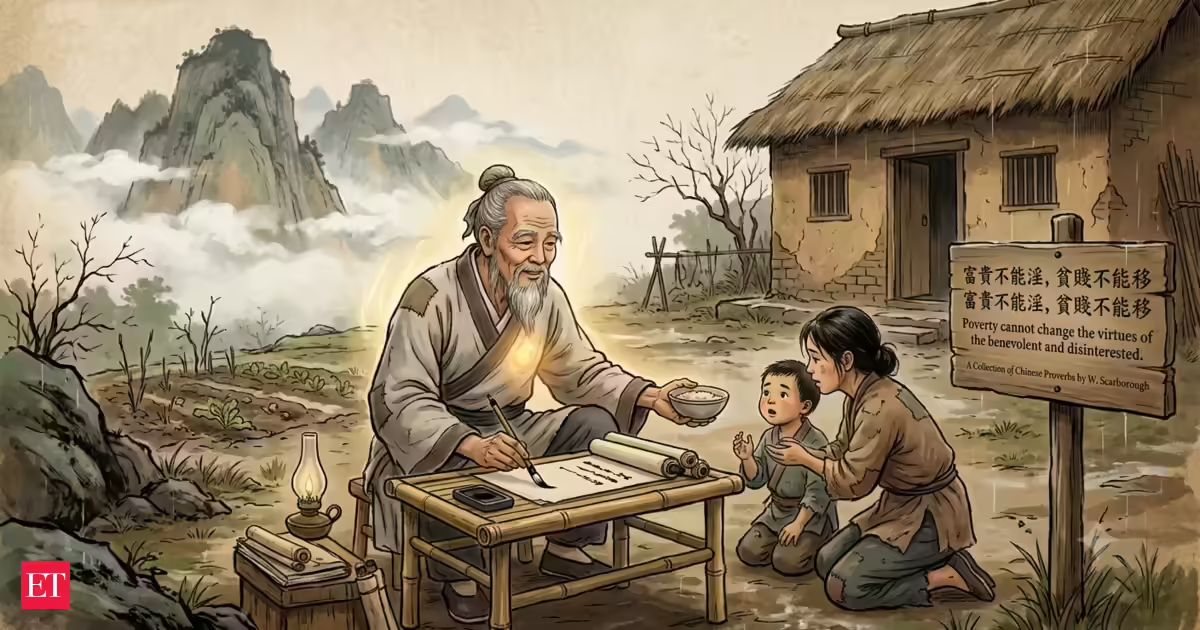
Chinese proverb of the day: 'Poverty cannot change the virtues of the benevolent and...' - this thought-provoking saying reveals why money can never replace one's character and why integrity is your greatest wealthSynopsisChinese proverb of the day: Ancient Chinese wisdom highlights that true success isn't measured by wealth but by character. One saying emphasizes that integrity, kindness, and compassion remain steadfast, even amidst financial hardship. Adversity reveals inner strength, proving that ethical values are enduring treasures, far more valuable than material possessions.Global DeskChinese proverb of the day: Material wealth has often been used as a measure of success, yet many cultures have long argued that a person's true worth lies in their character rather than their possessions. Throughout history, individuals have faced financial hardship while remaining honest, compassionate, and principled despite difficult circumstances. Ancient Chinese philosophy consistently emphasized that integrity should never be compromised for personal gain. One traditional Chinese saying reflects this belief, reminding people that genuine virtue remains constant regardless of material conditions.Chinese Proverb of the Day Today on Integrity and CharacterToday's Chinese proverb is, "Poverty cannot change the virtues of the benevolent and disinterested," as recorded in A Collection of Chinese Proverbs by W. Scarborough.The proverb teaches that people of genuine integrity and kindness remain faithful to their principles, even during times of poverty or hardship.What This Chinese Saying MeansThe proverb emphasizes that external circumstances should not determine a person's moral character.While poverty may limit financial opportunities or material comfort, it does not have the power to erase qualities such as honesty, generosity, compassion, or selflessness. Those who possess true virtue continue to uphold their values regardless of their economic situation.You Might Also Like:The expression highlights the belief that character is measured by actions and principles, not by wealth or social status.Why Integrity Is More Valuable Than WealthOne of the central lessons within the proverb is that lasting respect comes from character rather than possessions.Money and success may come and go, but honesty, kindness, and moral courage create reputations that endure over time. Individuals who refuse to abandon their principles during difficult moments often earn greater admiration than those who sacrifice integrity for personal gain.The proverb encourages people to view ethical values as treasures that cannot be bought or lost.You Might Also Like:Chinese Saying of the Day: Lessons on Virtue and PerseveranceTraditional Chinese philosophy places great importance on moral cultivation and personal discipline. This proverb reflects those ideals by suggesting that external hardships provide opportunities to demonstrate inner strength.Periods of financial struggle often test a person's values. Rather than allowing adversity to justify dishonesty or selfishness, the proverb encourages individuals to remain compassionate, fair, and principled.The Connection Between Character and ResilienceAnother important message within the proverb is that adversity reveals true character.People who remain ethical despite hardship demonstrate resilience that extends beyond financial success. Their commitment to doing what is right reflects inner confidence and strength that cannot be measured by material wealth.You Might Also Like:You Might Also Like:Motivational Chinese ProverbsA brave fellow may be harassed by the want of one cash, as recorded in A Collection of Chinese Proverbs by W. Scarborough.If you don't spend money wherever you stay, you'll provoke dislike stay wherever you may, as recorded in A Collection of Chinese Proverbs by W. Scarborough.Let the bells on the necks of your horses be broken, all relations by marriage will flee at that token, as recorded in A Collection of Chinese Proverbs by W. Scarborough.Thirsty yet having nothing to drink, hungry yet having nothing to eat, as recorded in A Collection of Chinese Proverbs by W. Scarborough.He can't buy enough rice to fill his belly or enough wine to make him drunk, as recorded in A Collection of Chinese Proverbs by W. Scarborough.Read More News on(Catch all the US News, UK News, Canada News, International Breaking News Events, and Latest News Updates on The Economic Times.) Download The Economic Times News App to get Daily International News Updates....morelessExplore More Stories
Chinese proverb of the day: 'Poverty cannot change the virtues of the benevolent and...' - this thought-provoking saying reveals why money can never replace one's character and why integrity is your greatest wealth
Chinese proverb of the day: Explore the profound Chinese proverb that highlights the unchanging nature of virtues amidst poverty. Discover why integrity and character outweigh financial success and material possessions.
656 words~3 min read