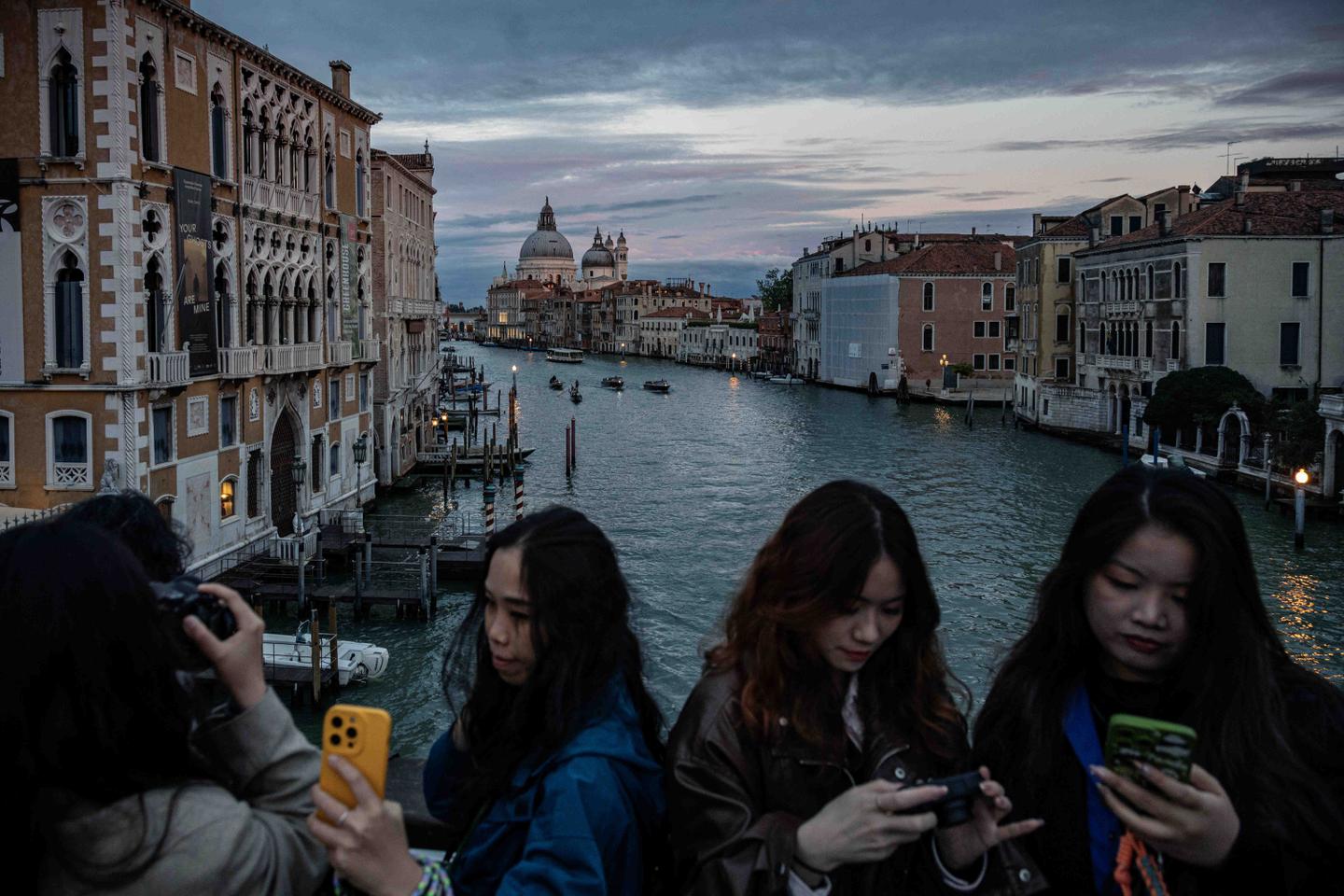
Today, Italy presents a stark structural divide: the North stands as the productive, wealthy and tax-paying engine, while the South (Il Mezzogiorno) remains economically weaker, continually waiting for a socio-economic transformation. Positioned in the middle is Rome, the political hub that governs the country and houses its vast state bureaucracy.
However, Rome is frequently criticized from both ends: Northerners often condemn it as "lumbering and slow," while Southerners view it as "cold and centralist." Yet, operations within the political heart of the capital are far more complex and challenging than these stereotypes suggest. To understand this better, we must take a closer look at Rome's deep-seated polarizations and its historically fragile stability.
History of unstable politics
With the remarkable exception of former Prime Minister Silvio Berlusconi, the average lifespan of an Italian government is approximately one year.
Italy’s political instability did not emerge by accident. It was largely shaped by the trauma of fascism. After the fall of the dictator Benito Mussolini’s regime in 1945, the architects of the new Italian Republic were determined to ensure that no leader would ever again accumulate excessive political power. The 1948 Constitution, therefore, created a system with a strong parliament and a comparatively weak executive. At the same time, a proportional electoral system encouraged coalition politics rather than single-party governments.