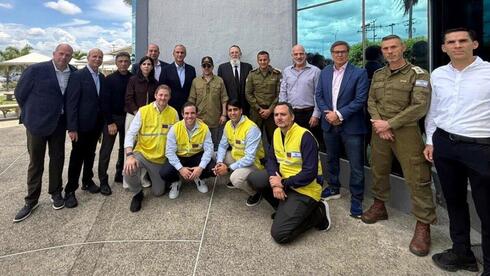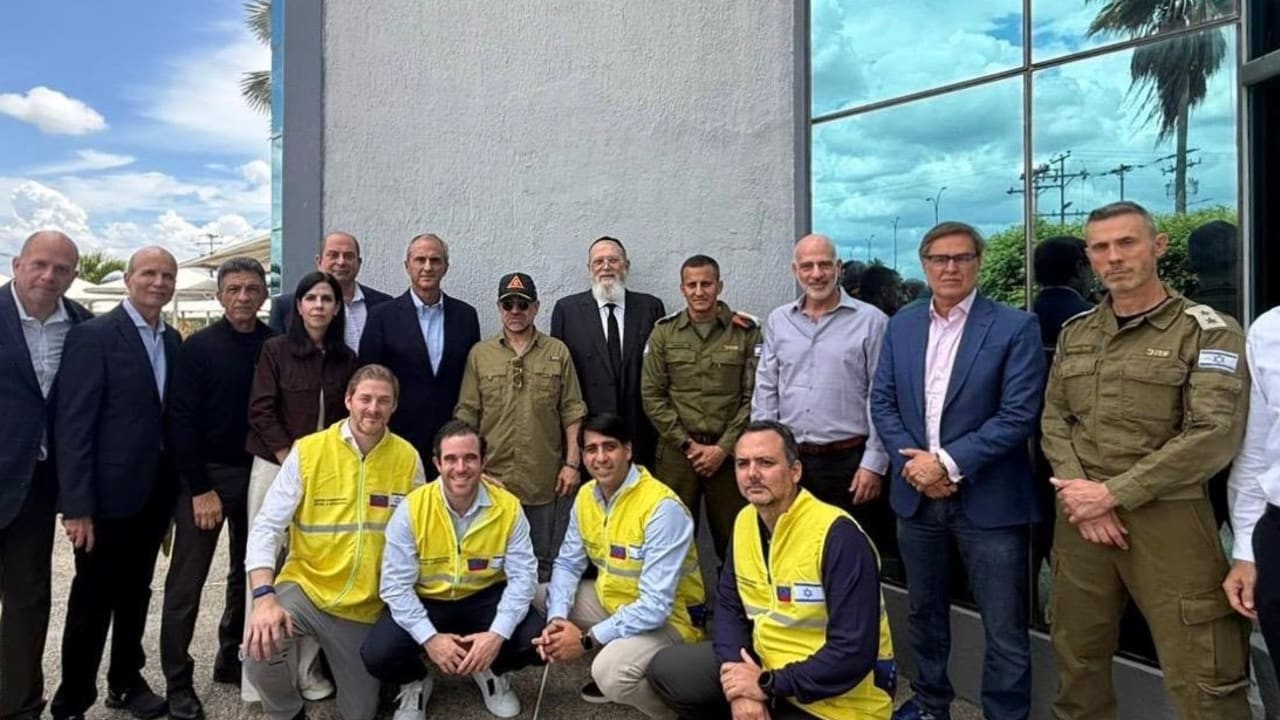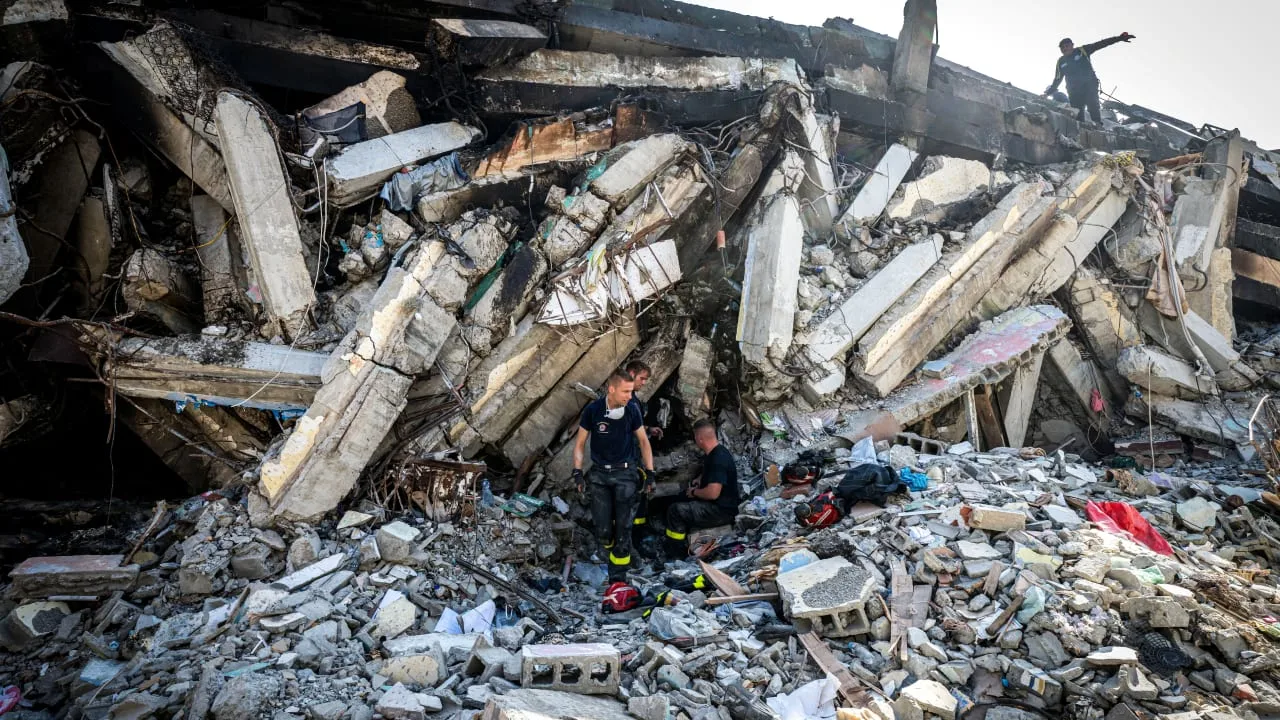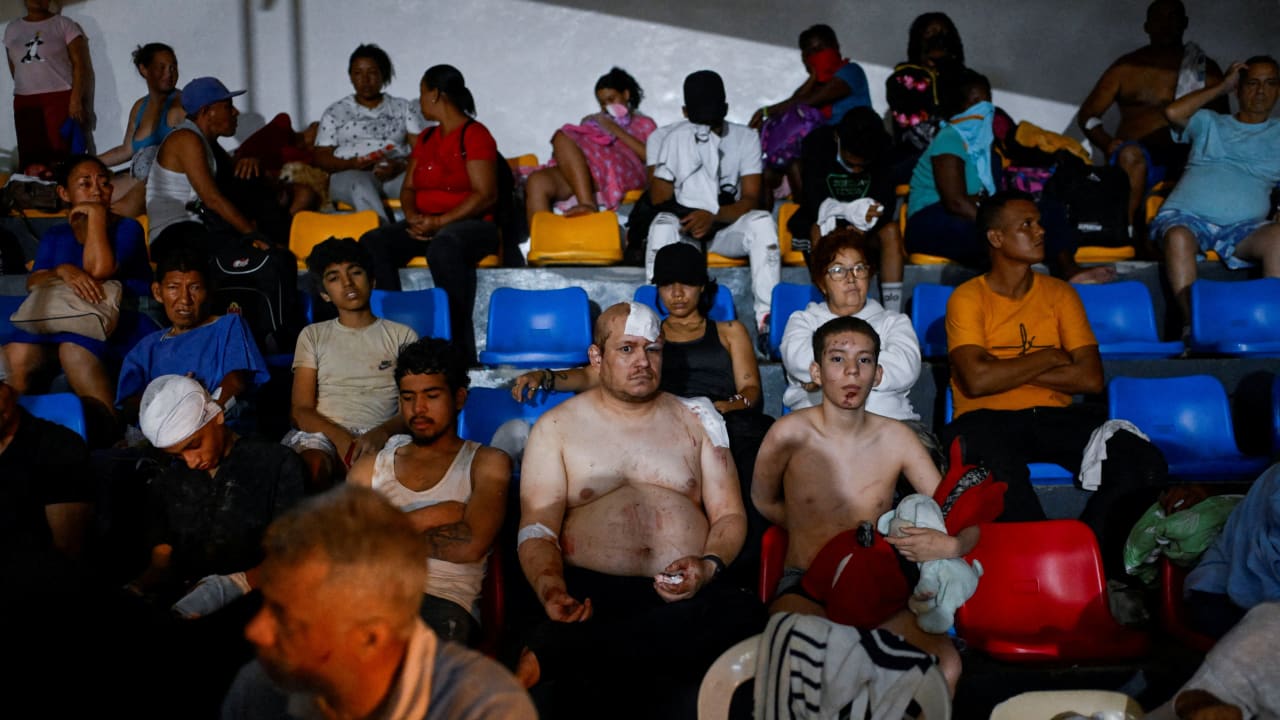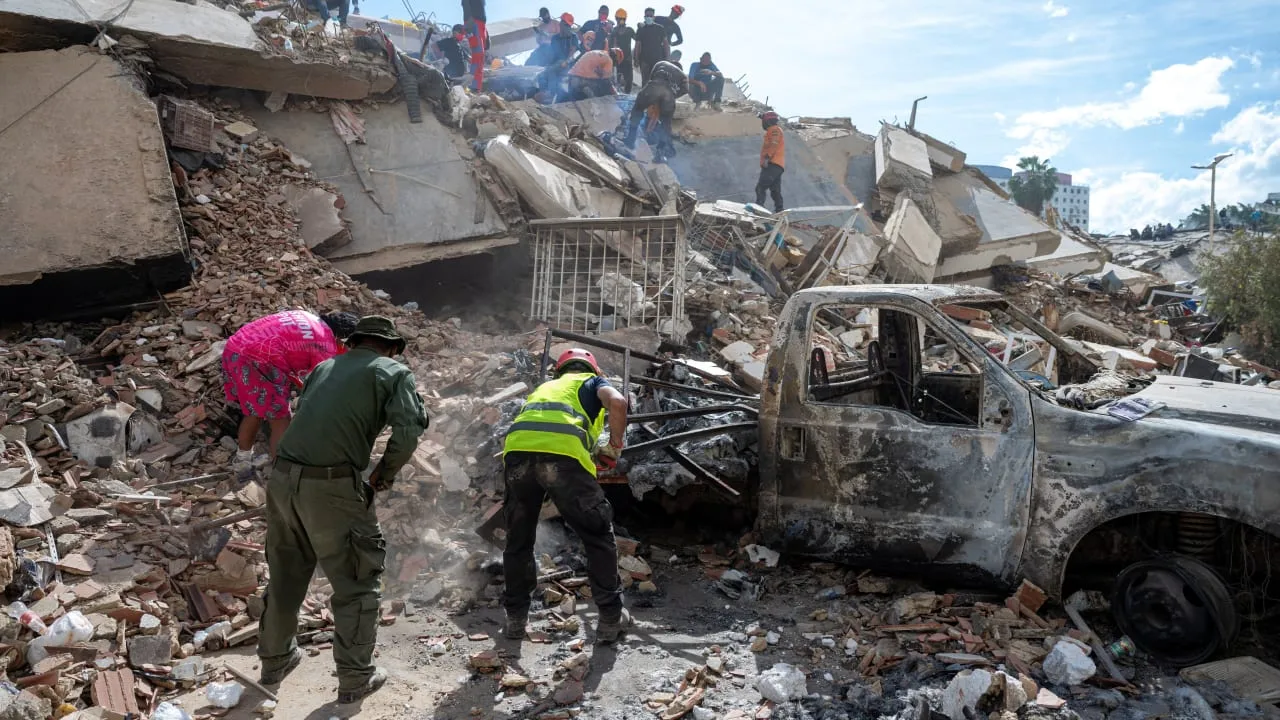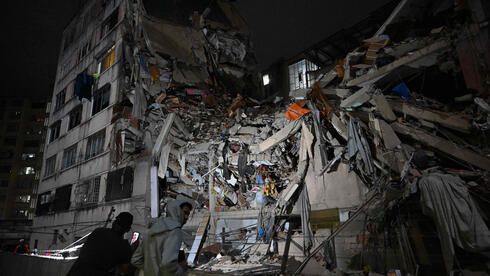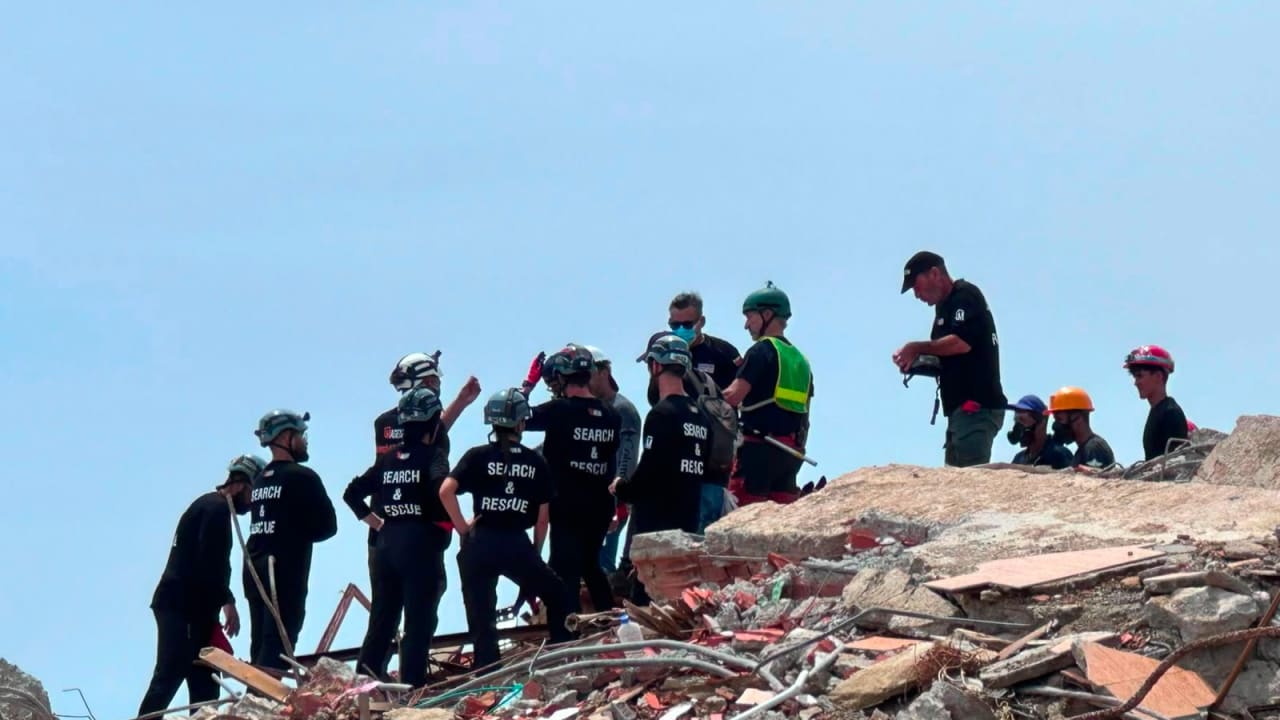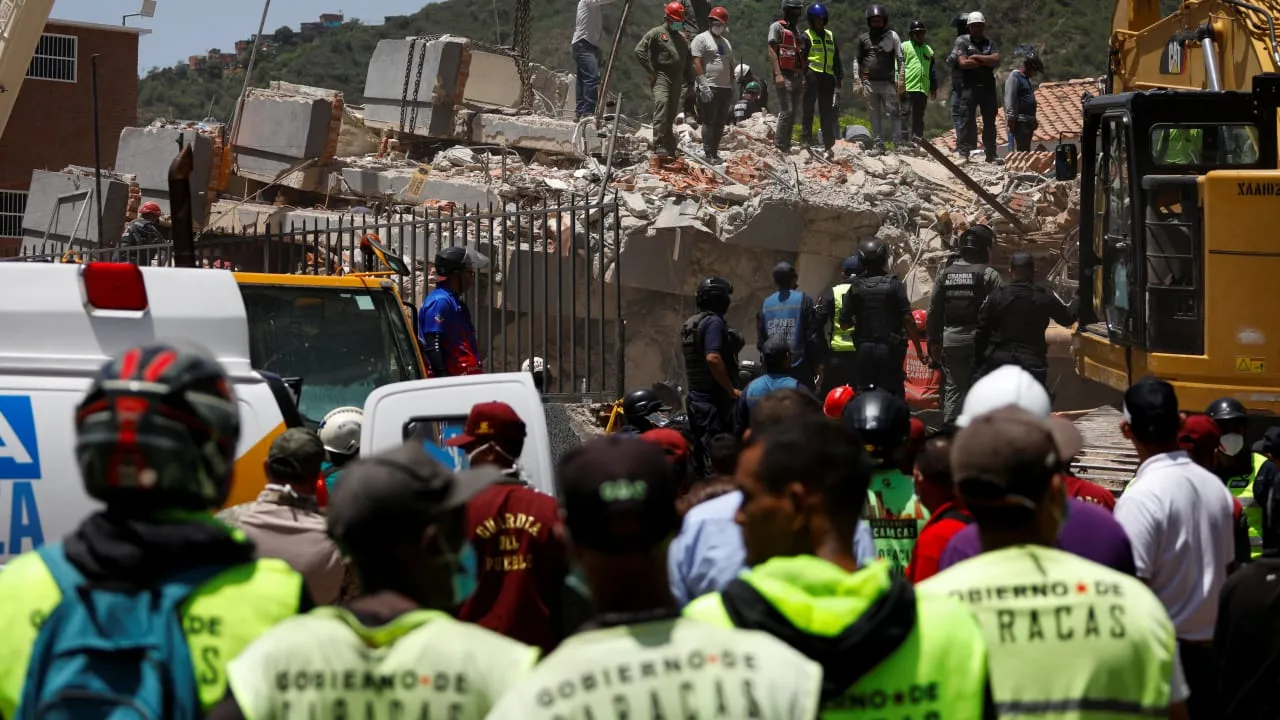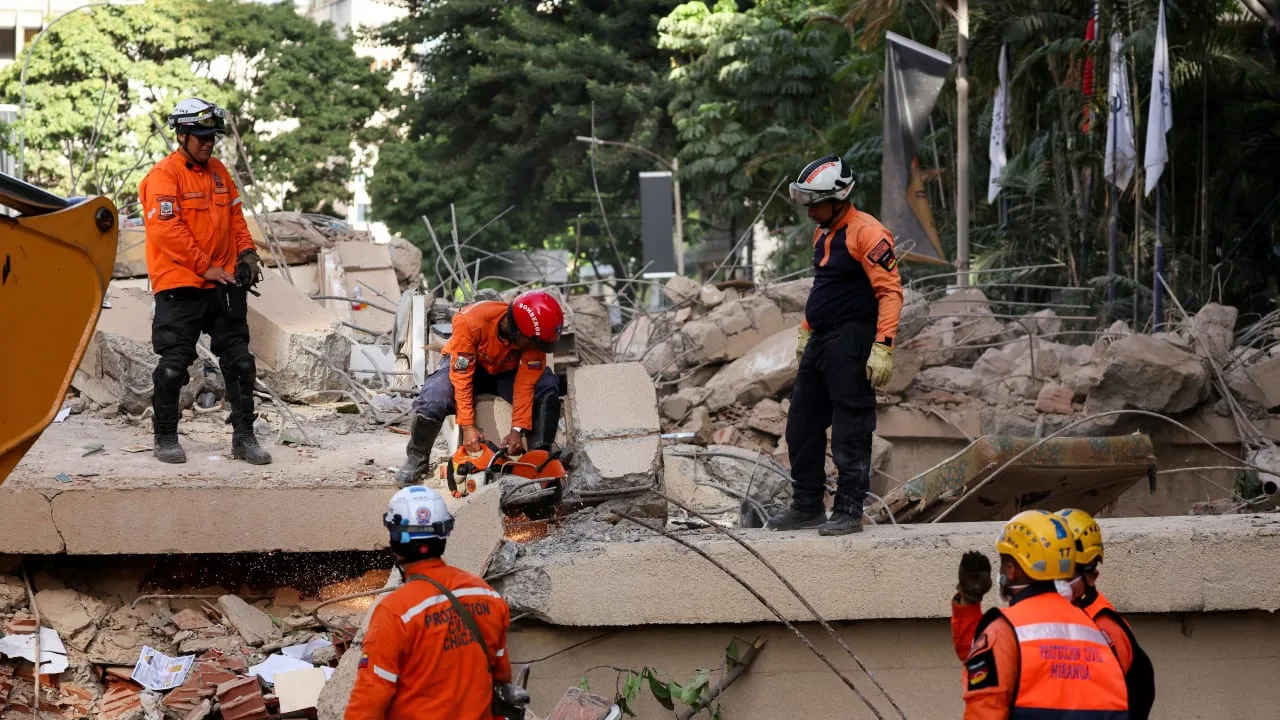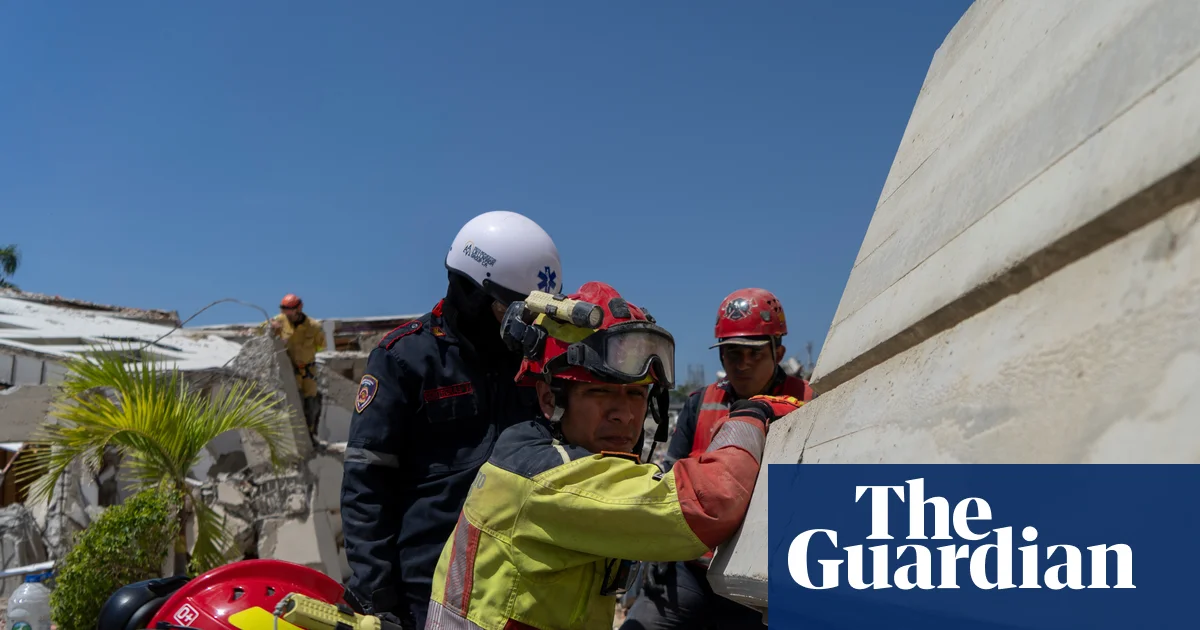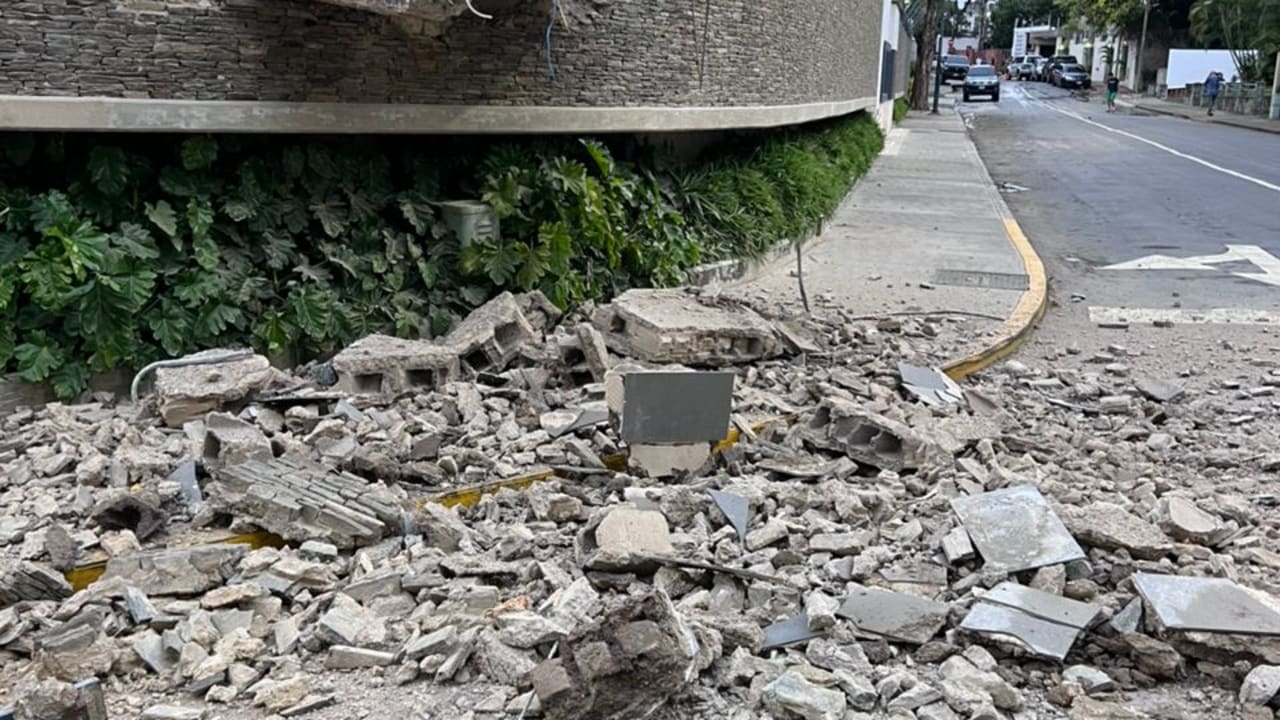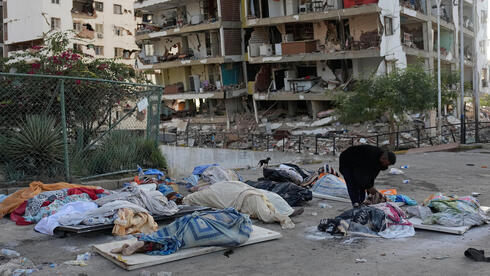
Foreign Ministry, IDF and Home Front Command delegation will include engineering experts after National Security Council review; team joins international rescue efforts as aftershock rattles La Guaira and thousands remain homelessThe delegation’s departure was approved after a review led by the National Security Council, which examined the coordination and operational requirements needed between the Israeli bodies involved in the mission.GalleryEarthquake damage in Catia La Mar, La Guaira, Venezuela (Photo: AP Photo/Fernando Vergara)The Foreign Ministry component of the delegation will be led by Ambassador Yoad Magen, who grew up in Venezuela. The IDF delegation will be commanded by Brig. Gen. Elad Edri, chief of staff of the Home Front Command.The mission is diplomatically unusual because Israel and Venezuela have had no formal diplomatic relations since 2009, when Caracas severed ties with Jerusalem during Operation Cast Lead in Gaza. Despite the absence of relations, the Israeli delegation is expected to coordinate professionally with Venezuelan counterparts according to the needs on the ground.The team leaving Tuesday will include engineering professionals from the Home Front Command and representatives from the Foreign Ministry. Additional experts from the Home Front Command and the National Emergency Management Authority are expected to join later.The Israeli experts will work with their Venezuelan counterparts according to the needs on the ground.In Venezuela, rescue teams on Monday continued searching through the ruins of buildings toppled by last week’s back-to-back earthquakes, while a 4.6 magnitude aftershock shook the northern state of La Guaira, near the disaster zone.Relief organizations say the first 72 hours after a natural disaster are usually the most critical for finding survivors, though survival can be extended if people have access to food and water. Five days after the twin quakes struck northern Venezuela, attention has increasingly turned to the humanitarian crisis emerging in the devastated areas.The death toll has risen to more than 1,700 people, according to the Venezuelan government.(Photo: AP Photo/Fernando Vergara)Major questions remain over whether the cash-strapped government under acting President Delcy Rodríguez can coordinate the large-scale response needed for thousands of people who lost their homes.Facing criticism that authorities have acted too slowly, the government has promoted its rescue efforts on social media and state-run outlets. On Monday, it released footage of Rodríguez inspecting a school that had been turned into a shelter for displaced people in the badly hit town of Catia La Mar, as well as videos showing survivors being pulled from ruins to applause.But at the epicenter, families continued to wait at search sites for news of missing relatives.“We have to stay strong, even without food, without sleep,” said Ana Rada, who watched as civil defense workers searched for her brother. “Until I see the body, I still have hope.”Monday’s aftershock struck near the epicenter of last week’s quakes, about 27 kilometers north of Caraballeda on Venezuela’s Caribbean coast, and measured 4.6 magnitude, according to the U.S. Geological Survey. Colombia’s geological survey put it at 5.1 magnitude.Jorge Rodríguez, head of Venezuela’s National Assembly, said there were no immediate reports of additional damage, but the aftershock sent residents in Caracas running into the streets.“Here we are again, back in the street. I don’t know when we’ll have a moment of true peace,” said Concepción Hernández, 51, who evacuated her apartment building in the Chacao municipality of Caracas.The Caracas Metro said it would temporarily suspend service Monday to inspect infrastructure after the aftershock.US aid delegation arrives in Venezuela after the earthquake, June 26 (Photo: social media. U.S. Department of State/Handout via REUTERS)The disaster has also raised questions about the extent of U.S. assistance, given Washington’s takeover of Venezuela’s oil industry earlier this year. A senior State Department official said 300 first responders sent from the U.S. were working on the ground alongside dozens of other international rescue teams, and that two dozen C-17 military transport planes were arriving daily with supplies. U.S. financial support now exceeds $300 million, the official said.The U.S. military is also helping repair damage to the port in La Guaira so more relief supplies can arrive by sea. Another American team is helping manage air traffic after the quakes damaged part of the control tower at Simón Bolívar International Airport in Caracas, according to the official, who spoke on condition of anonymity because he was not authorized to speak publicly.The full scale of the damage remains unclear. Jorge Rodríguez said Monday that 15,866 people had been affected and that 855 buildings had been damaged or collapsed.A preliminary NASA assessment estimated that the earthquakes damaged or destroyed 58,870 buildings, using radar imagery from the European Space Agency’s Sentinel-1 satellites to detect infrastructure changes.The United Nations has said up to 6.8 million of Venezuela’s nearly 30 million residents may be affected, including people displaced or cut off from essential services such as electricity and water.Because of chaos and poor cellphone service, many Venezuelans have turned to non-governmental digital databases to report missing relatives. More than 50,000 people were listed as missing in one such database, though it remains unclear how many have since been found.
Israel sending aid team to Venezuela as quake toll passes 1,700
Foreign Ministry, IDF and Home Front Command delegation will include engineering experts after National Security Council review; team joins international rescue efforts as aftershock rattles La Guaira and thousands remain homeless
833 words~4 min read