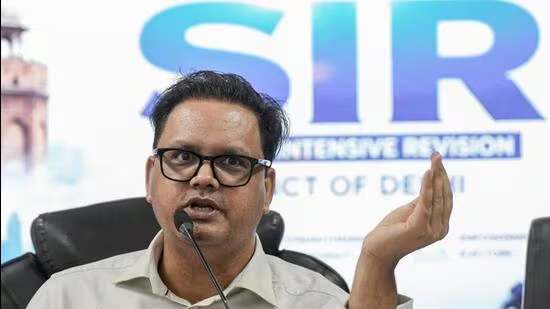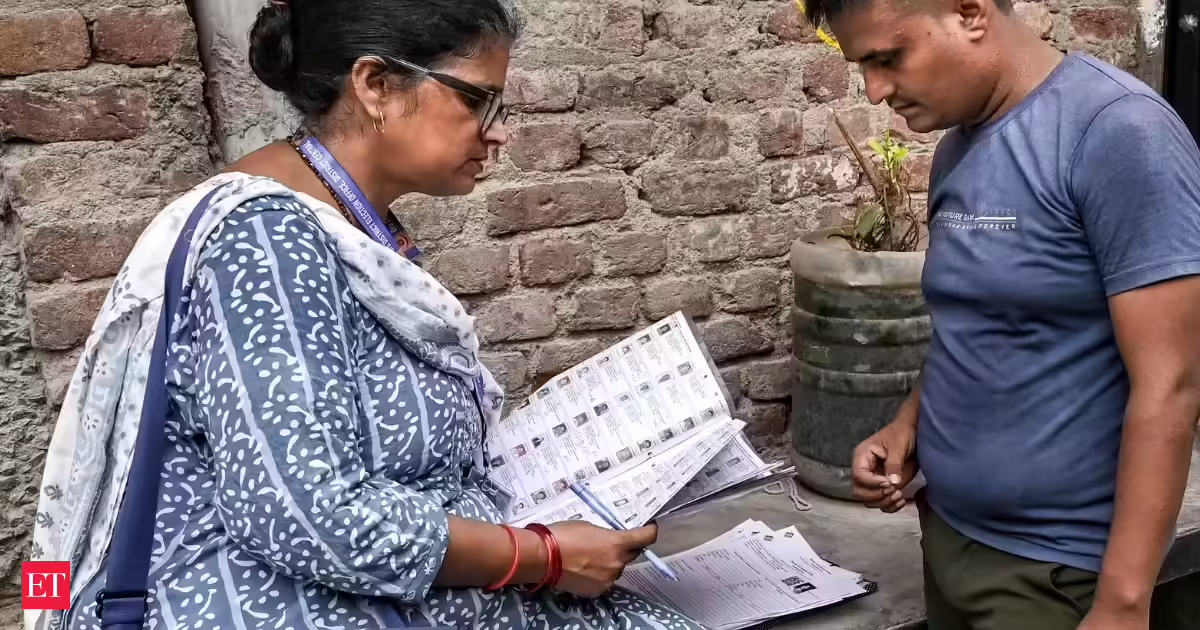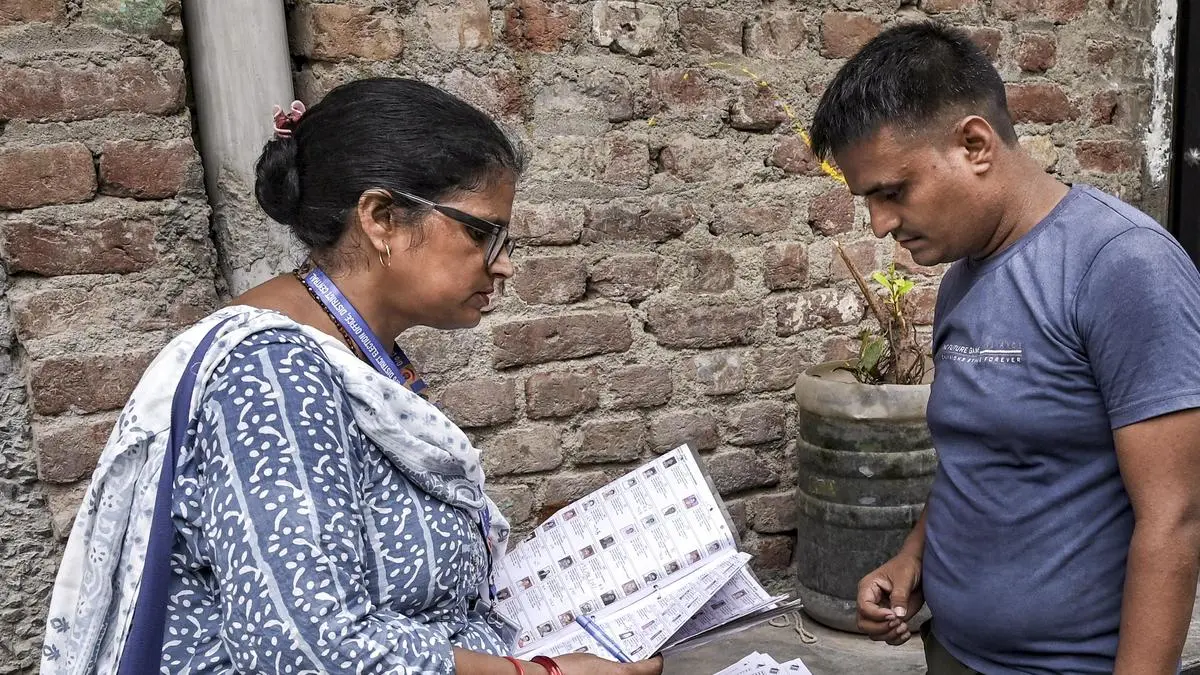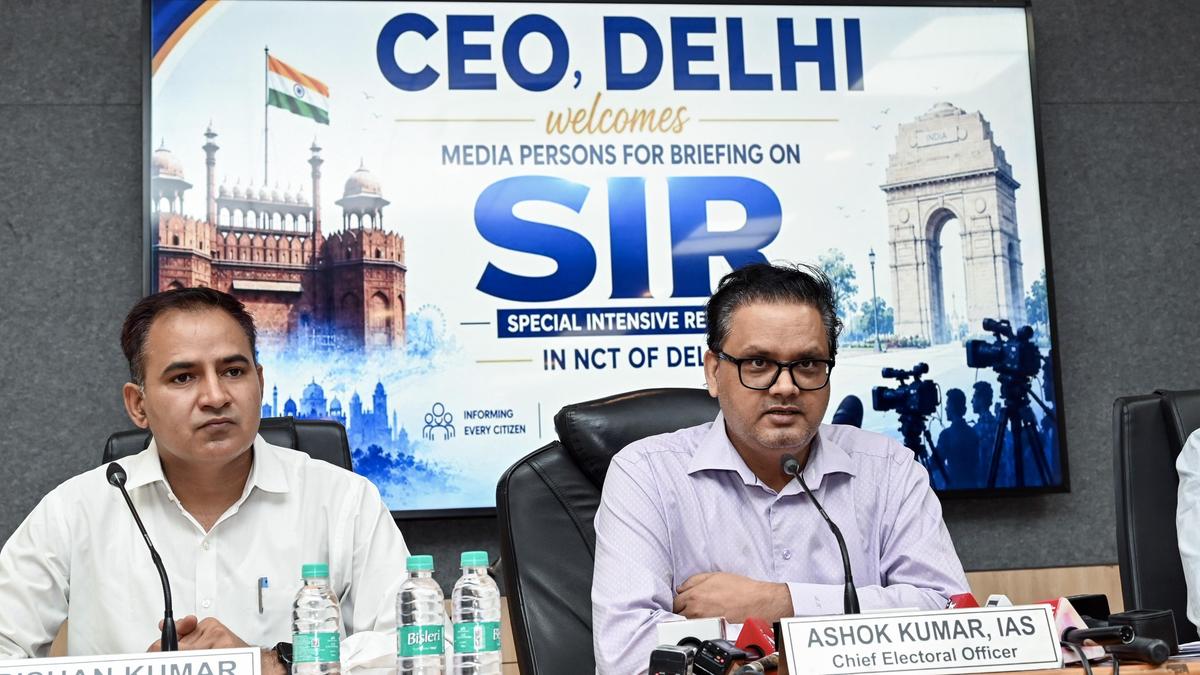
Delhi Chief Election Officer Ashok Kumar said the concern was regarding electors whose registered addresses no longer exist because their houses had been demolished.
| Photo Credit: Sushil Kumar Verma
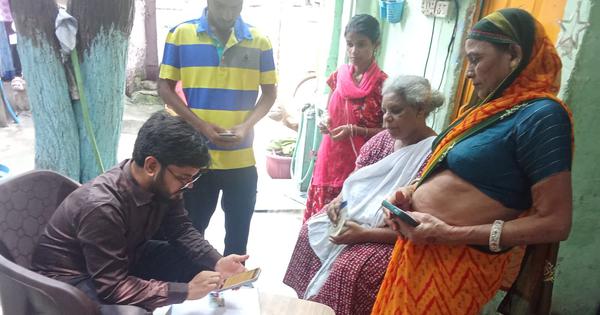
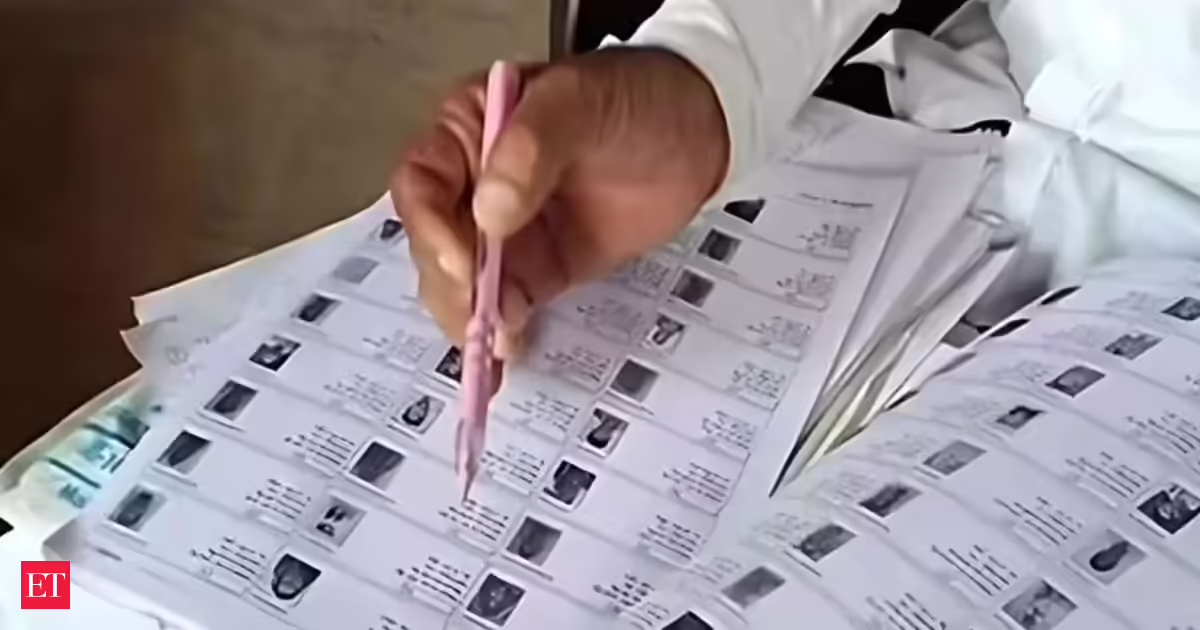
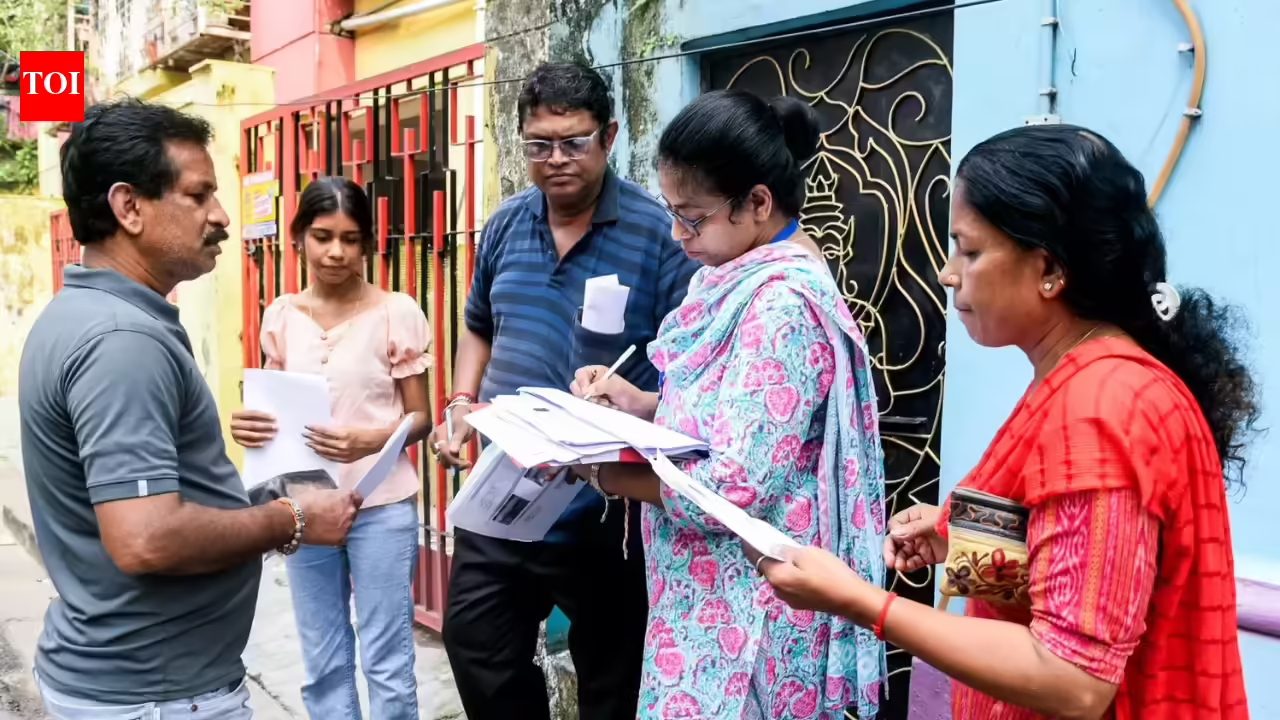
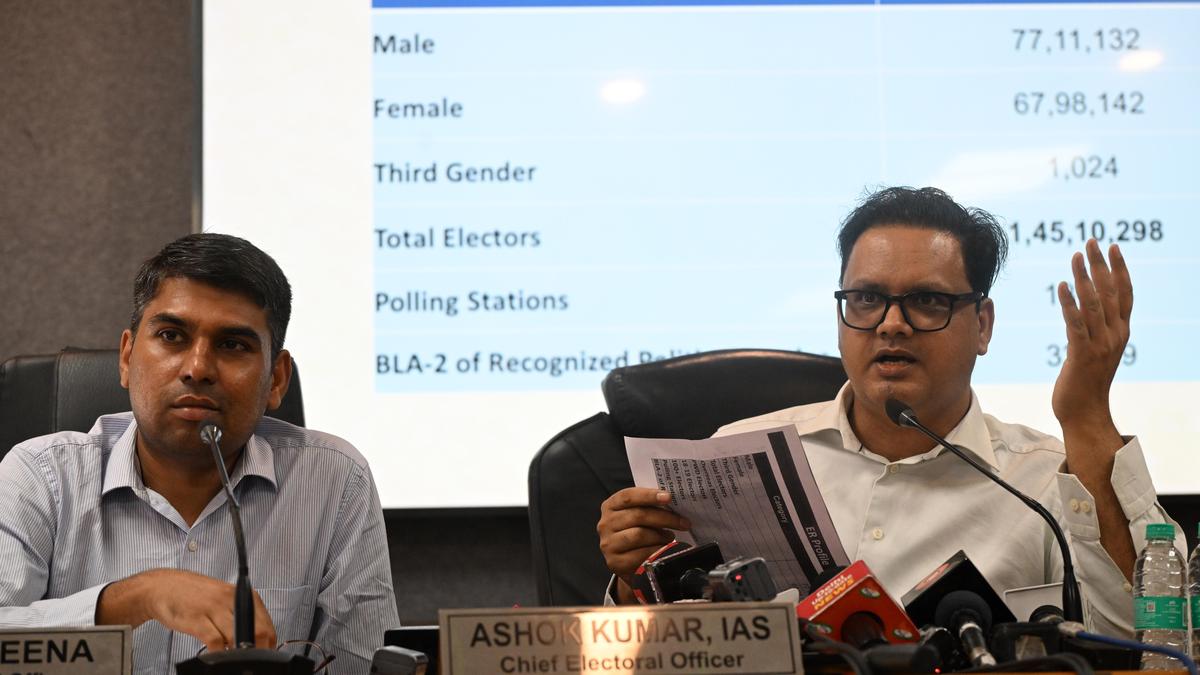
NEW DELHIAhead of the door-to-door exercise for the special intensive revision (SIR) of electoral rolls beginning in Delhi today, Chief Electoral Officer (CEO) Ashok Kumar on Monday said the Election Commission of India (EC) will work out a mechanism to ensure that voters whose homes have recently been demolished are not excluded.Noting that the issue had emerged in the run-up to the exercise, Mr. Kumar said the concern was regarding electors whose registered addresses no longer exist because their houses had been demolished.“Since their houses at the registered addresses may have been demolished by the time of the Booth Level Officer (BLO)’s visit, and they might not be able to obtain alternative residence proof during the duration of the SIR, we will work out a plan to ensure their inclusion,” he said at a press conference.The month-long exercise will run from June 30 to July 29, during which BLOs, including teachers, anganwadi workers and other government staff, will visit every household to distribute pre-printed enumeration forms in duplicate to all existing electors. Delhi has 13,033 polling booths covering 1,45,10,298 voters, and each elector will receive two copies of the form at their registered address.“Electors will have to fill the form and submit one copy to the BLO, who will issue an acknowledgement receipt. BLOs will also assist voters in filling out the forms during their visits. If a voter is unavailable, the forms will be handed over to an adult family member or left at the residence if it is locked,” Mr. Kumar said.He added that the draft electoral roll will be published on August 5, after which claims and objections may be filed until September 4. The claims and objections would be disposed of by October 3 and the final electoral roll would be published on October 7.Inclusion of the homelessResponding to a question about the inclusion of homeless persons, Mr. Kumar said that BLOs would visit every registered address, even if it were a temporary location.“BLOs will visit the registered address of the elector, even if it is a pillar under a flyover. If they are not there, they can file claims and objections after the draft list is published,” he said.Asked whether the exercise could be affected by the upcoming monsoon and whether the deadline for submission of enumeration forms could be extended, he said the one-month period was adequate. “One month is enough for conducting the exercise,” he said.Electoral processAs part of the SIR, electors are required to map their details with the electoral roll prepared during Delhi’s last exercise in 2002 or with the last SIR roll of any other State where they were enrolled at the time. If a voter’s name is not found in previous SIR rolls, they can establish eligibility by linking themselves to parents or grandparents whose names appear in those rolls.Around 42% of electors were mapped in Delhi as part of pre-SIR mapping. Electors can check their own names or those of their blood relatives in previous SIR rolls through the ECINET app or its website.If electors are unable to map their names to any previous SIR roll, they will have to submit one of the 12 documents approved by the EC after receiving a notice from the Electoral Registration Officer (ERO) following publication of the draft electoral roll on August 5.The Delhi electoral roll was frozen on June 16, with around 2.48 lakh new voters added between January and June 16. National political parties have appointed 32,429 booth-level agents (BLAs) to participate in the revision exercise. Published - June 30, 2026 12:12 am IST