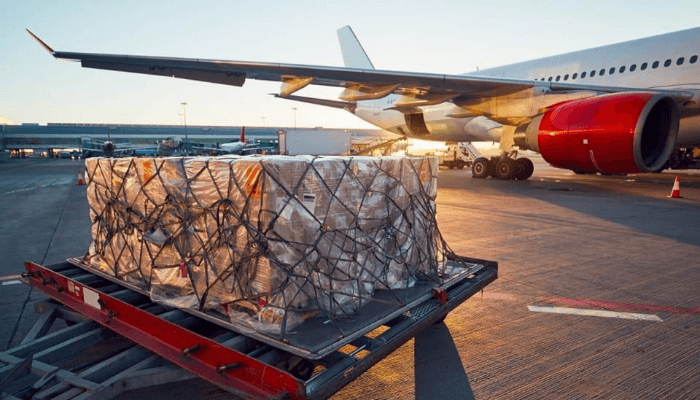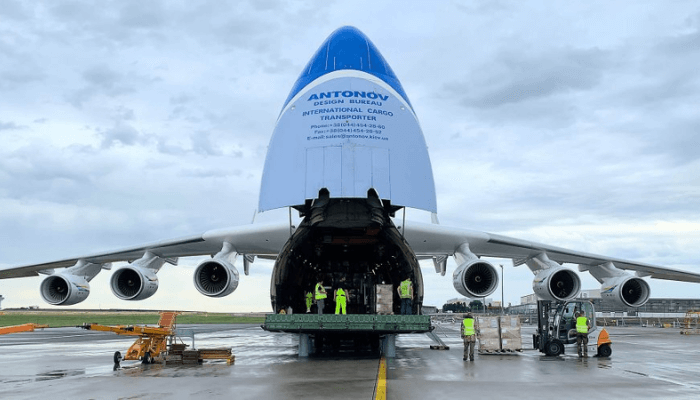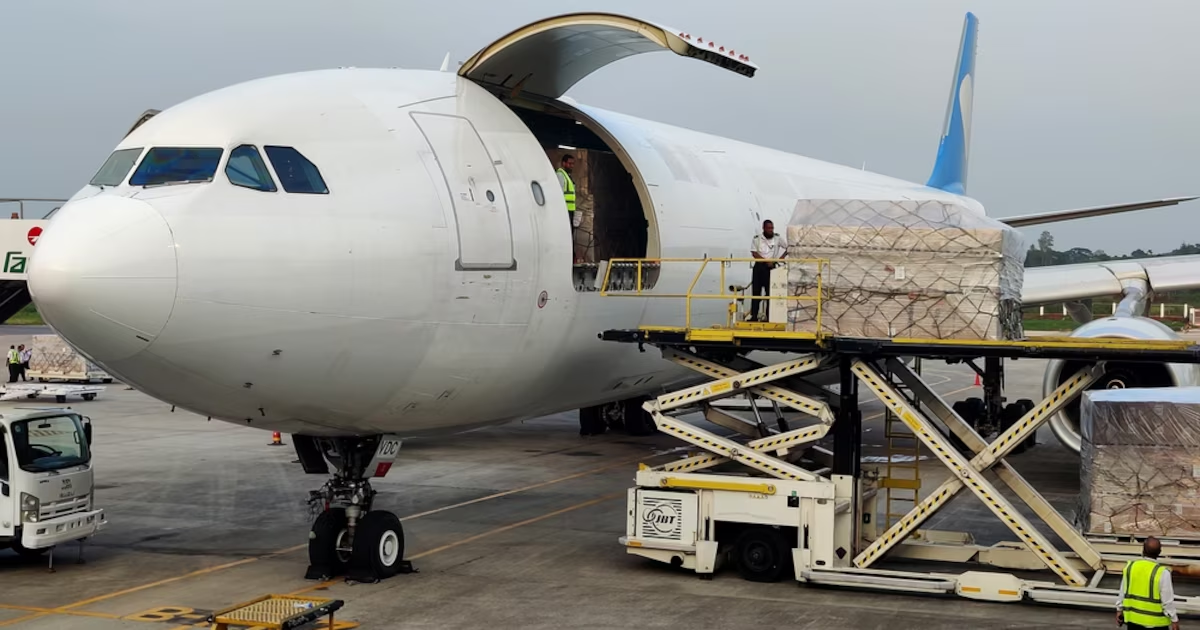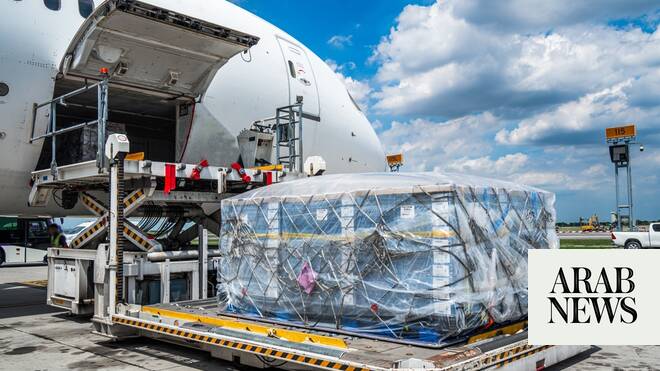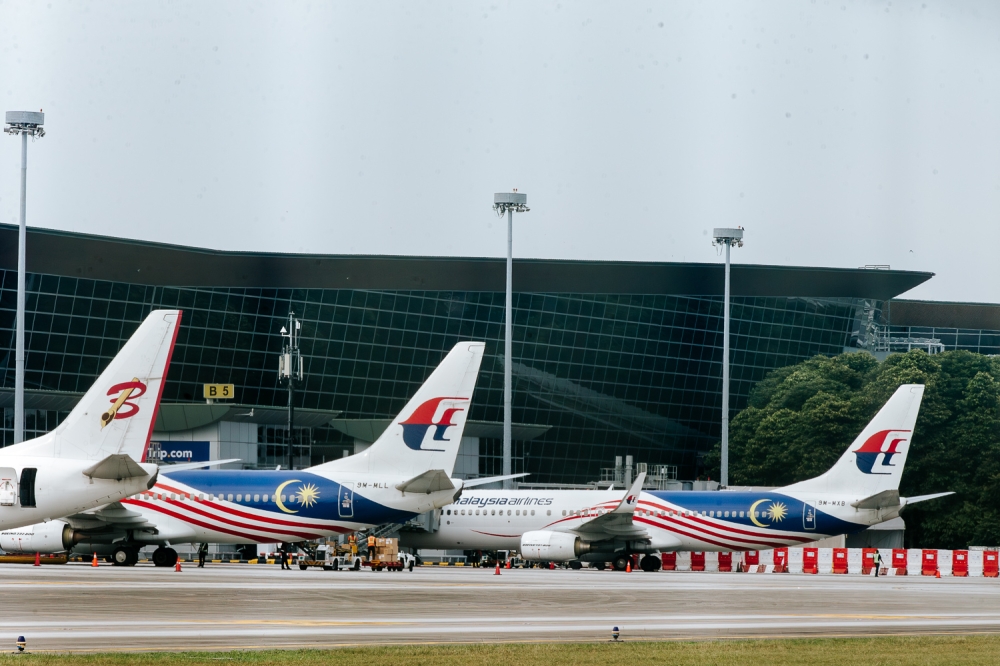
Global total air cargo demand increased by 6%, year-on-year (y-o-y), in May, the International Air Transport Association (IATA) has reported. (IATA is the global representative body for the airline industry.) International air cargo demand rose by 6.5%. Air cargo capacity in May was up 1.9% y-o-y in May, with international capacity increasing by 2.8%.
“Africa, Asia-Pacific, Europe, and North American regions all [reported] above-trend growth. Carriers in the Middle East, however, reported a combined contraction of 8.9% [y-o-y] as war-related impacts continued,” highlighted IATA director-general Willie Walsh. “May’s strong performance coupled with macroeconomic factors give cautious optimism for air cargo’s prospects over the remainder of the year. Trade and manufacturing output are both growing. Airlines have adapted operations to align with shifting demand patterns and supply chain needs. Meanwhile, yield growth and higher load factors are helping to recoup higher fuel costs. It’s still a tough year, particularly as Middle East uncertainties weigh heavily on parts of the industry, but robust demand and airline resilience are clear.”
Wider economic factors which affected the air cargo sector included global trade, which increased by 5% y-o-y in May. This was the twenty-fifth straight month of such growth. Jet fuel prices in May were up 93.5% y-o-y, but down by -16.3% month-on-month. The global manufacturing Purchasing Managers’ Index (PMI) went up to 53.5 (indices above 50 indicated growth) but the PMI for new export orders was 49.6 (signalling contraction); this suggested that the growth in air cargo demand was being stimulated by selected trade flows and not by broad-based trade growth.