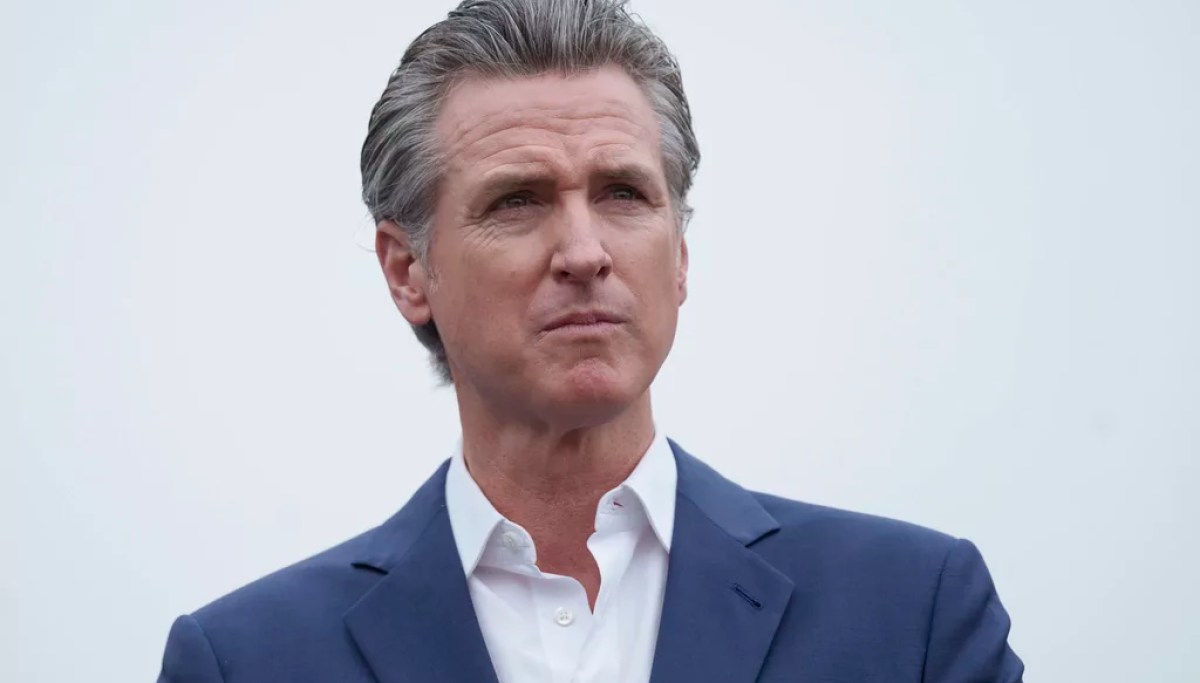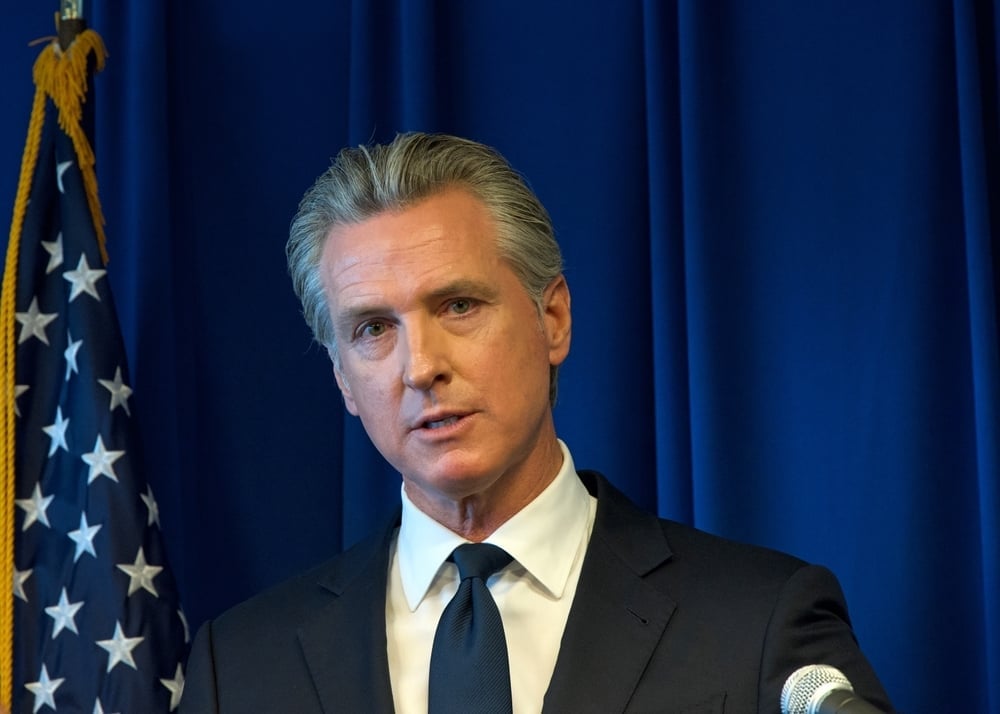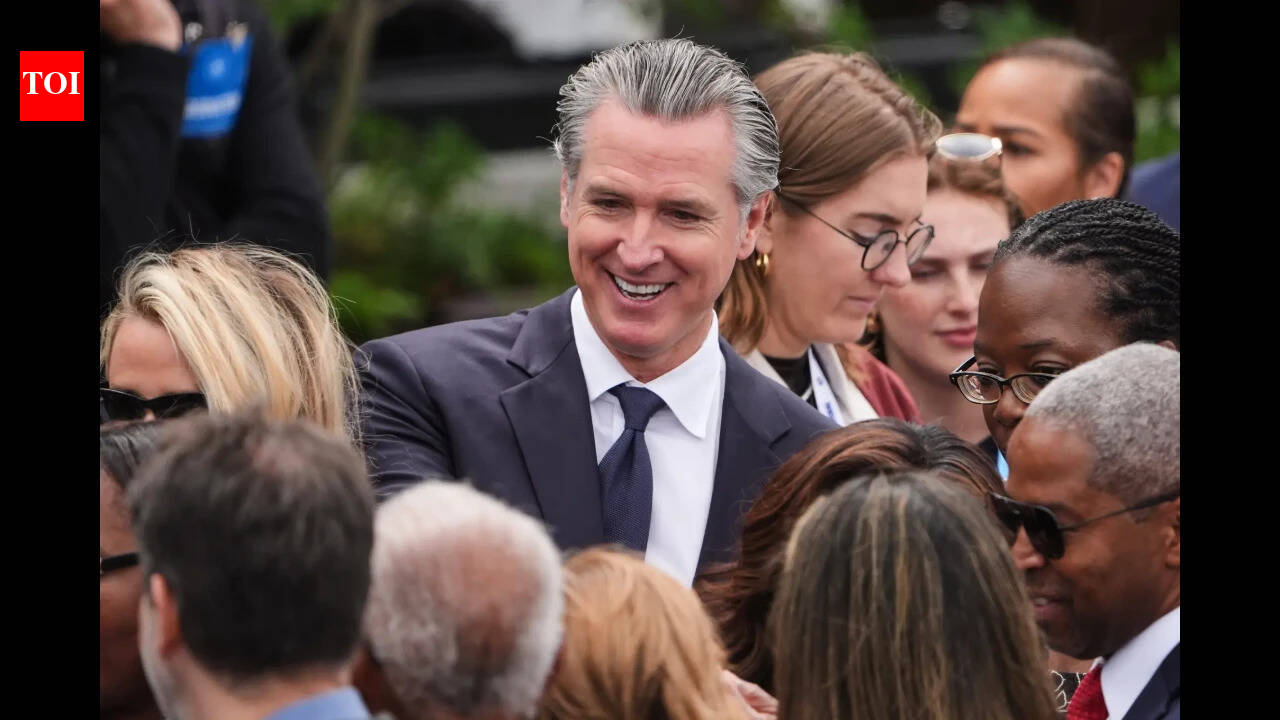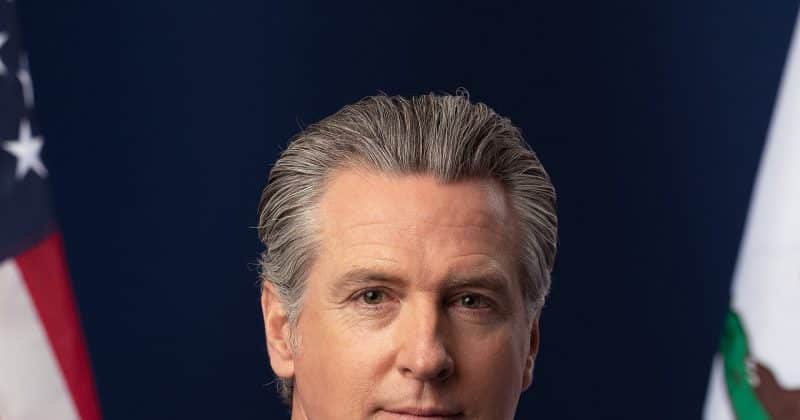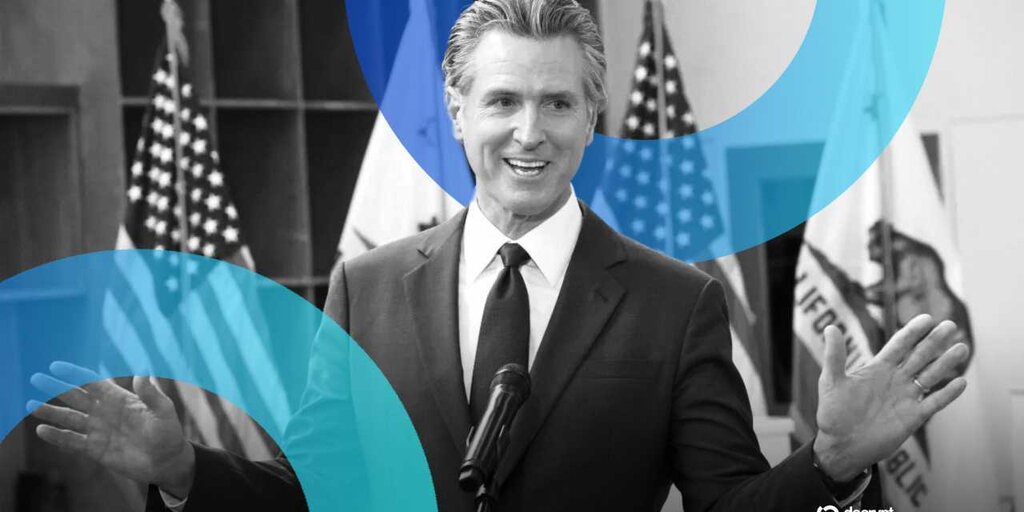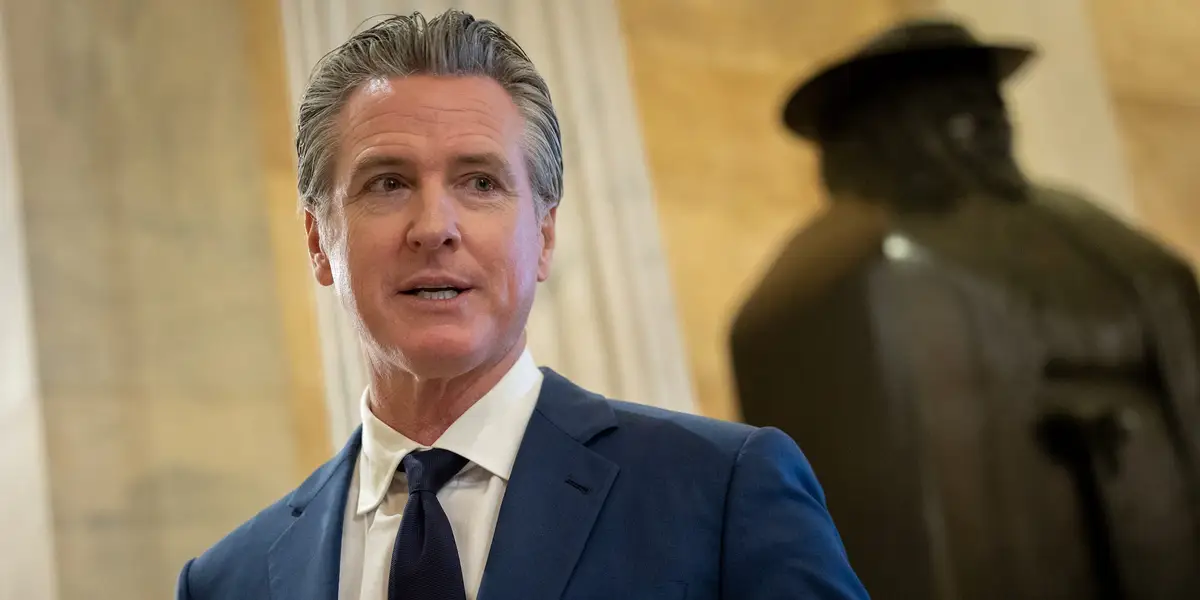
Governor Gavin Newsom speaks to reporters inside the U.S. Capitol in Washington, DC on May 20, 2026.
Nathan Posner/Anadolu via Getty Images
This March, Newsom signed an executive order meant to raise standards for AI companies seeking state contracts and allow California to separate its procurement process from the Trump administration.While that order could directly challenge the federal government, Newsom's administration says the new Anthropic deal was not intended as a rebuke or response to Washington.Newsom has issued a series of executive orders to promote generative AI as a way to improve government efficiency. Claude is already used for certain state tasks, from patching code to supporting a platform that collects input on the public's feelings about AI.
Ahead of a likely presidential run, the governor has tried to position himself as both an ally to the booming, yet increasingly controversial AI industry and an advocate for protecting Americans from the disruption it could bring.In recent weeks, Newsom has turned his attention to the potential widespread job losses AI could trigger. He issued another executive order last month, tapping state agencies to explore policies that could help California respond faster to AI-driven layoffs.The order drew mixed reviews, including frustration from labor leaders who have warned Newsom that they will not support a future presidential bid unless he enacts stronger worker protections against AI.Last week, Newsom launched a new tool to track AI-related job losses."AI should not replace the human work of government," Newsom said in a statement regarding his Anthropic deal. "It should help our workers move faster, solve problems more effectively, and deliver better results for Californians."His administration has put Anthropic products to work across a range of government services. Its models helped develop and currently power the state's digital assistant, Poppy, one of the first gateways for state employees to start using AI.Claude underpins the public engagement platform that Newsom has employed most recently for gathering residents' views on how AI is impacting their jobs and the future of work. It's also a tool for customer service at the California DMV and for internal workflows that assist Medicaid recipients at the Department of Health Care Services. And the state Department of Technology has a cybersecurity partnership with Anthropic, using Claude to spot vulnerabilities in state code and critical systems.Given said the state will be looking to secure similar discount deals with other AI companies and tech providers. It invited AI model providers to negotiate with the state back in December.California's first meeting with Anthropic for the deal was March 5, the same day the Pentagon formally labeled the Claude maker a supply chain risk.Newsom's March executive order, which came after the Pentagon's decision, directed the California Department of Technology to review any such federal designations. If it found the designation to be improper, the order instructed state officials to issue guidance allowing California to continue doing business with that company.The federal supply chain risk designation "was not an issue that we faced while signing and negotiating this contract," Given said, declining to elaborate on the reason. "It just didn't come up."His department is formalizing recommendations for Newsom on that part of the order and expects those to be ready by next month.This story originally appeared on POLITICO and is courtesy of the Axel Springer Global Reporters Network, which harnesses the resources of the company's newsrooms to publish ambitious scoops, investigations, interviews, opinion pieces, and analysis. It allows journalists — including those from POLITICO, Business Insider, WELT, BILD, Onet, and Fakt — to collaborate on major stories for an international audience of hundreds of millions across platforms.