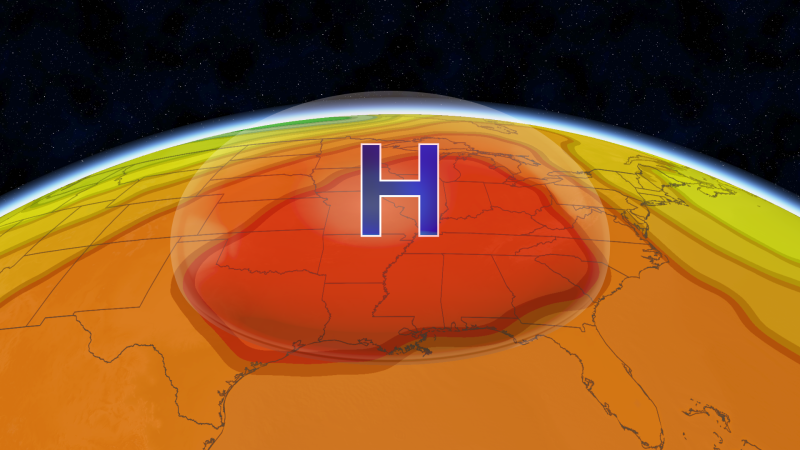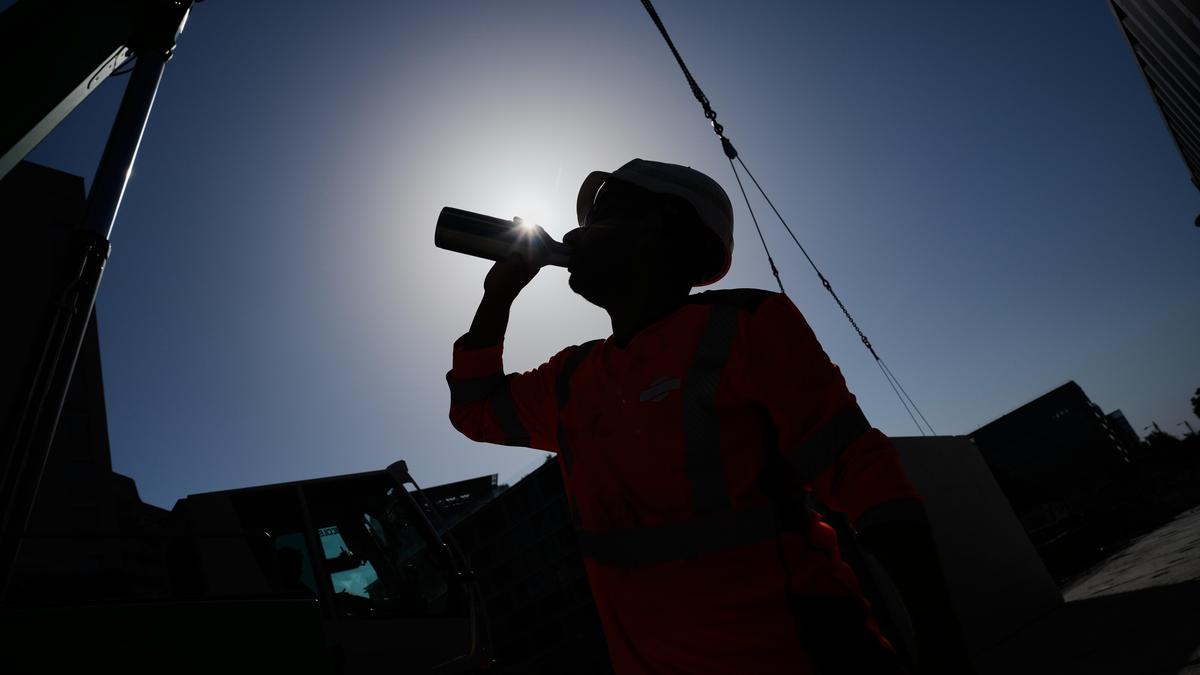
These unbearably hot and humid summer months that put millions of people across the globe at risk are typically made possible by phenomena known as heat domes.Heat domes can make already-high temperatures even more extreme and prolonged, and they are worsening in severity and becoming more frequent as the planet warms.Here’s what to know.What makes up a heat dome, and what does it do?Heat domes are essentially high-pressure systems hovering above a region that trap heat and humidity, experts say.
A person uses an electric fan during a heat advisory, in the Brooklyn borough of New York, May 19, 2026. (AP Photo/Adam Gray, File)
They result from the northward flow of warm air. That system sends air sinking, pressure increasing and temperatures rising. “The concept of a heat dome really means that the air in this region is so warm, and we know that warm air expands,” said Jennifer Francis, a climate scientist at the Woodwell Climate Research Center. “It basically means that the layers of the atmosphere are bulging upward as well.”Simply put, heat domes cause heat waves. They’re associated with very dry, sunny conditions that last for multiple days at a time, trap heat at the surface and help to amplify it, said Zachary Labe, climate scientist at Climate Central, an independent collective of scientists.