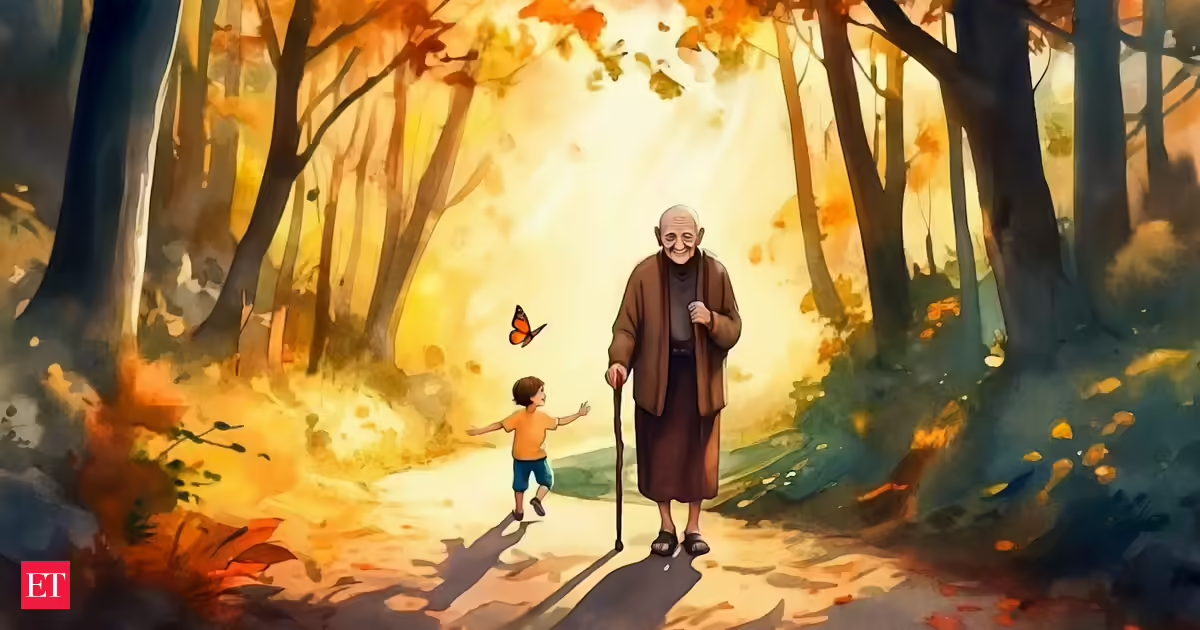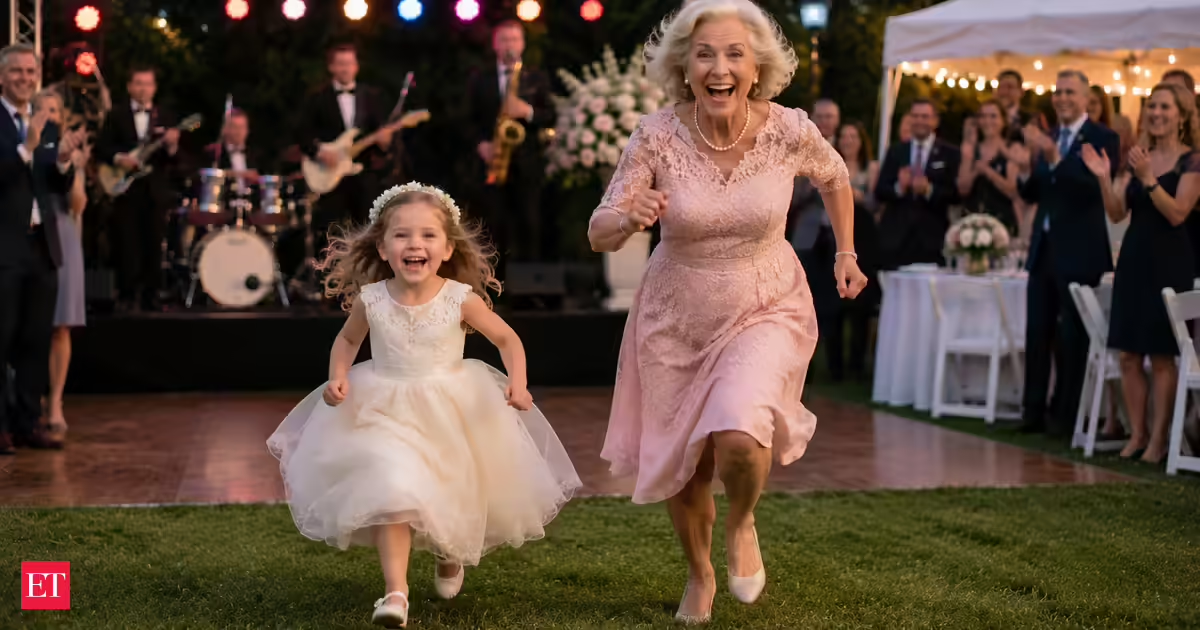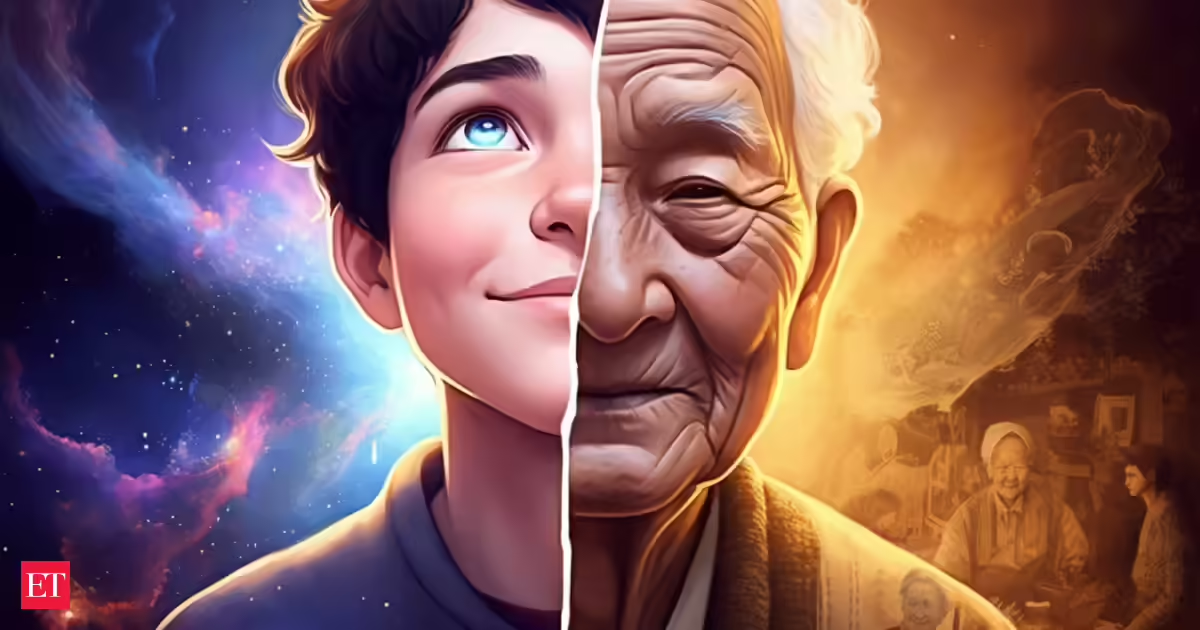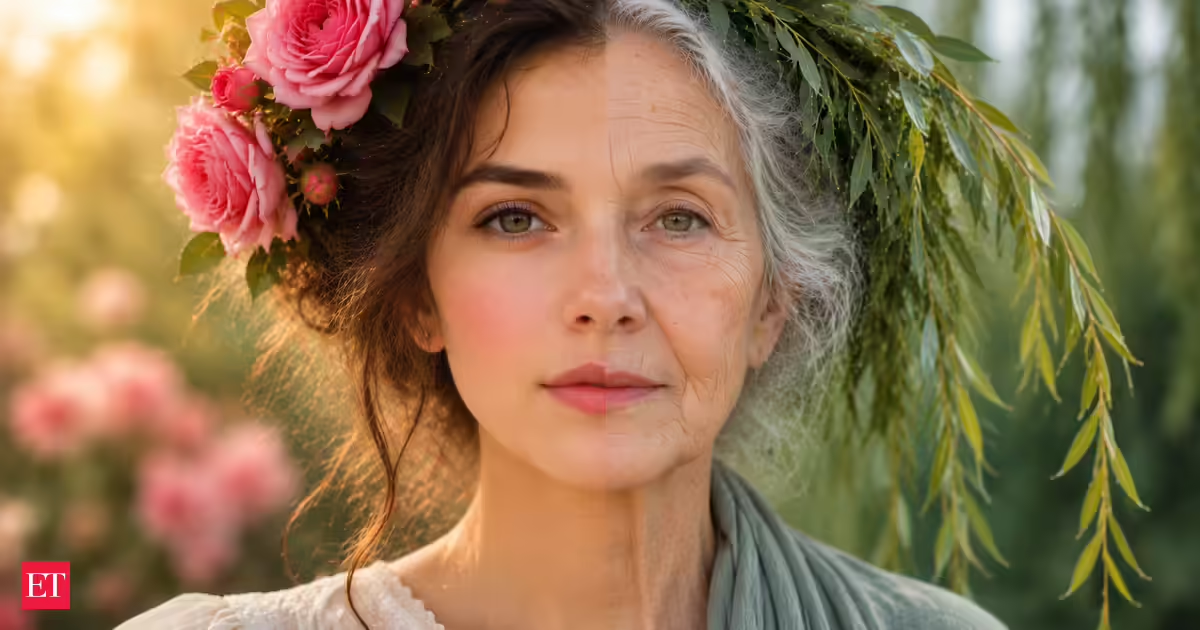
Jewish Proverb of the Day highlights a traditional saying that reflects patterns of human experience, perception, and the natural stages of life shaped by time and reflection. The proverb “Youth is a crown of roses, old age a crown of willows” offers insight into how different phases of life carry their own meaning, symbolism, and emotional value. Youth is often associated with beauty, energy, and opportunity, while old age is linked with wisdom, experience, and deeper understanding shaped by life’s journey. Many people turn to such proverbs to better understand human life in simple, relatable terms. These sayings are often rooted in cultural observation and lived experience, passed down through generations. Over time, they have become part of daily reflection, reminding us that every stage of life has its own importance and that identity, value, and wisdom are shaped not only by age, but also by experience and perspective.Jewish Proverb of the Day – Why age is just a number"Youth is a crown of roses, old age a crown of willows”Meaning of the Chinese ProverbChinese proverb of the day highlights a timeless idea about human perception, self-awareness, and the influence of social expectations on personal identity. The proverb “Youth is a crown of roses, old age a crown of willows” reflects how age and life stages are often interpreted not just as biological changes, but as experiences shaped by society, emotion, and personal understanding.The first part of the proverb suggests that youth is commonly associated with beauty, energy, confidence, and opportunity. It challenges the assumption that youth is only about appearance, instead highlighting how it is also shaped by mindset, emotions, and how a person views themselves during early life.The second part emphasizes that old age brings reflection, wisdom, emotional depth, and life experience. It suggests that aging is not simply a decline, but a transformation in perspective, where individuals often become more aware, thoughtful, and grounded in reality.Together, the proverb teaches that perception and self-understanding are shaped by both external expectations and internal reflection. What appears as simple aging is actually a complex journey influenced by confidence, experience, and how individuals interpret their own life stages.Why With Age Comes WisdomWith age comes wisdom means that as people grow older, they gain deeper understanding through life experiences, challenges, and personal reflection. Over time, individuals learn from their successes and failures, which helps them make better decisions and develop a clearer sense of judgment. Age often brings emotional maturity, allowing people to respond to situations with patience, balance, and insight rather than impulse. It also provides perspective, helping individuals understand that many problems are temporary and that not everything requires immediate reaction. Wisdom is not only about knowledge, but about how that knowledge is applied in real life. As people age, they tend to understand human behavior better, value relationships more deeply, and prioritize what truly matters. Ultimately, this phrase reminds us that growing older is not just about time passing, but about evolving into a more thoughtful, experienced, and understanding version of ourselves.The proverb carries practical lessons about self-awareness, acceptance, and how individuals relate to different stages of life in everyday experience.1. Every life stage has valueYouth and old age are both meaningful, each offering unique strengths that shape a person’s identity and growth.2. Perception shapes self-understandingHow people view themselves often influences how they experience youth, maturity, and aging more than external opinions do.3. Growth comes with experienceLife experience adds emotional depth, wisdom, and clarity that cannot be gained in early years alone.4. Acceptance brings peaceAccepting both youth and aging as natural parts of life leads to greater emotional balance and self-confidence.5. Society influences perceptionCultural expectations can shape how people feel about age, beauty, and value, but personal mindset plays an equally important role.Overall, the proverb reminds us that life is a continuous journey where every stage has its own meaning, and true understanding comes from balancing social perception with inner awareness.Why this proverb is still relevant todayIn modern life, this proverb goes beyond simple comparisons of youth and old age. It reflects how society often values youth for its beauty, energy, and opportunity, while overlooking the deeper strengths that come with aging. At the same time, it highlights that both stages of life carry their own dignity and meaning, rather than one being superior to the other.The proverb encourages a more balanced and respectful view of life’s journey. It reminds us that youth is often shaped by growth, exploration, and possibility, while old age is defined by wisdom, reflection, and life experience. In many cases, people are influenced by cultural ideals that prioritize appearance over experience, but true understanding comes from appreciating both. Ultimately, it teaches that every stage of life has its own value, and that meaning is found not in age itself, but in how we live, learn, and grow through each phase of life.English equivalent and related expressionsOther English expressions that reflect similar thinking include:“Youth is wasted on the young.”“Beauty fades, but wisdom lasts.”“You’re as young as you feel.”“Growing older is a privilege denied to many.”“Life is measured by meaning, not years.”Each of these highlights the idea that age is not just a physical measure, but a reflection of experience, wisdom, perspective, and the value each stage of life brings.
Jewish Proverb of the Day: “Youth is a crown of roses, old age a crown of… – Life lessons on youth, aging, wisdom, perception and every age has its own beauty and meaning
Jewish Proverb of the Day highlights the meaning of “Youth is a crown of roses, old age a crown of willows.” The saying reflects how different stages of life carry their own unique value, symbolism, and emotional depth rather than being judged by appearance alone. Youth is often associated with beauty, energy, and opportunity, while old age represents wisdom, experience, and reflection. It suggests that life should not be measured by age itself, but by the qualities, understanding, and perspective that each stage brings.
874 words~4 min read