As Their Nationwide Pollution Problem Deepens, Russians Say They Have Bigger Worries - The Moscow Times
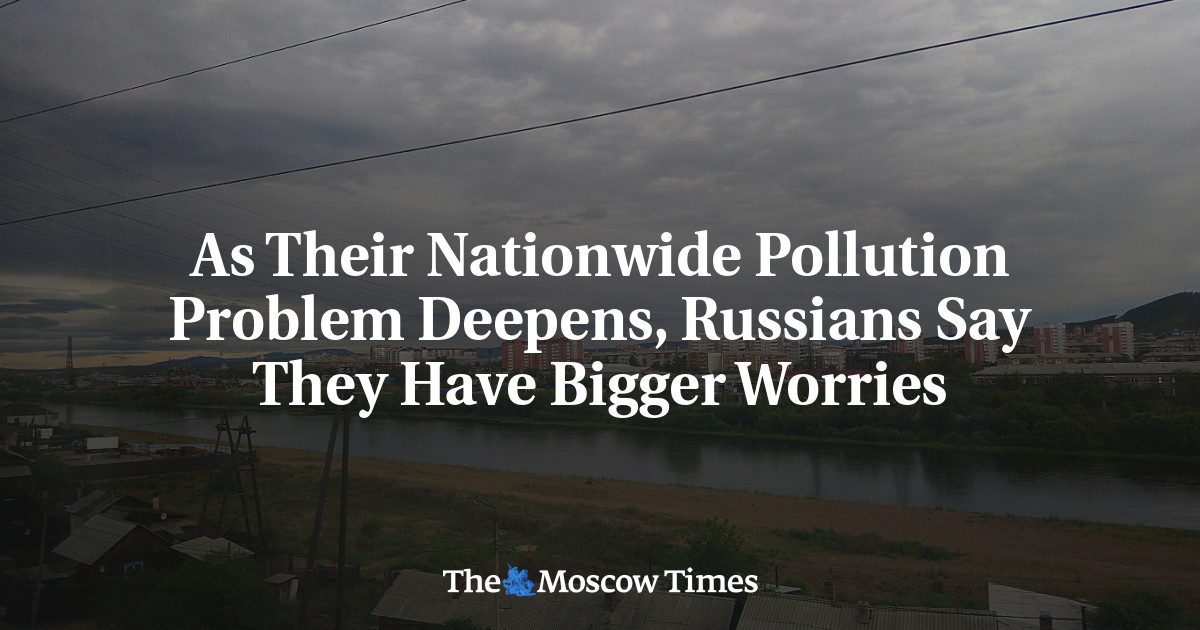
For residents of Ulan-Ude, the capital of Russia’s republic of Buryatia, the fleeting Siberian summer offers a rare chance to breathe clean air. Situated on a low plain surrounded by mountains, Ulan-Ude is plagued for most of the year by smog from coal-fired power stations and the stoves used to heat its many single-family homes. “Problems with air pollution have existed here for a long time,” a woman from Ulan-Ude told The Moscow Times on condition of anonymity. “Things are fine in spring and summer, but in winter, it is impossible to breathe at times.” Siberia’s cities and towns consistently rank as having some of the worst air pollution in Russia, a result of their heavy reliance on coal, emissions from heavy industry and increasingly severe wildfire seasons. What once seemed like a regional anomaly in the biggest country on Earth has now become an everyday reality for roughly 57% of Russia’s population, according to a report published this month by consumer safety watchdog Rospotrebnadzor. But as Russians contend with more urgent problems like fuel shortages and rising grocery prices, environmental concerns — and their impact on public health — have slipped down the list of priorities for some. “Surprisingly, the topic of air or water quality hasn't come up in recent years, although we used to talk about it a lot back in the day,” said one native of Chelyabinsk, a major industrial hub in the Ural Mountains notorious for its pollution.
For residents of Ulan-Ude, the capital of Russia’s republic of Buryatia, the fleeting Siberian summer offers a rare chance to breathe clean air.
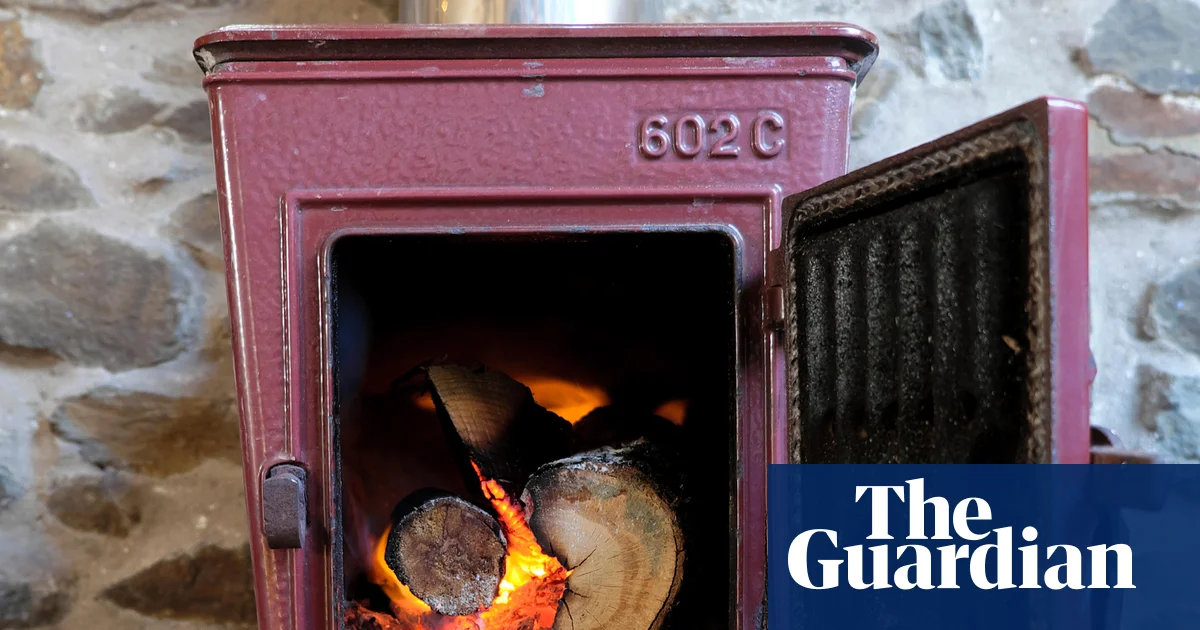
Situated on a low plain surrounded by mountains, Ulan-Ude is plagued for most of the year by smog from coal-fired power stations and the stoves used to heat its many single-family homes.
“Problems with air pollution have existed here for a long time,” a woman from Ulan-Ude told The Moscow Times on condition of anonymity. “Things are fine in spring and summer, but in winter, it is impossible to breathe at times.”
Siberia’s cities and towns consistently rank as having some of the worst air pollution in Russia, a result of their heavy reliance on coal, emissions from heavy industry and increasingly severe wildfire seasons.
What once seemed like a regional anomaly in the biggest country on Earth has now become an everyday reality for roughly 57% of Russia’s population, according to a report published this month by consumer safety watchdog Rospotrebnadzor.