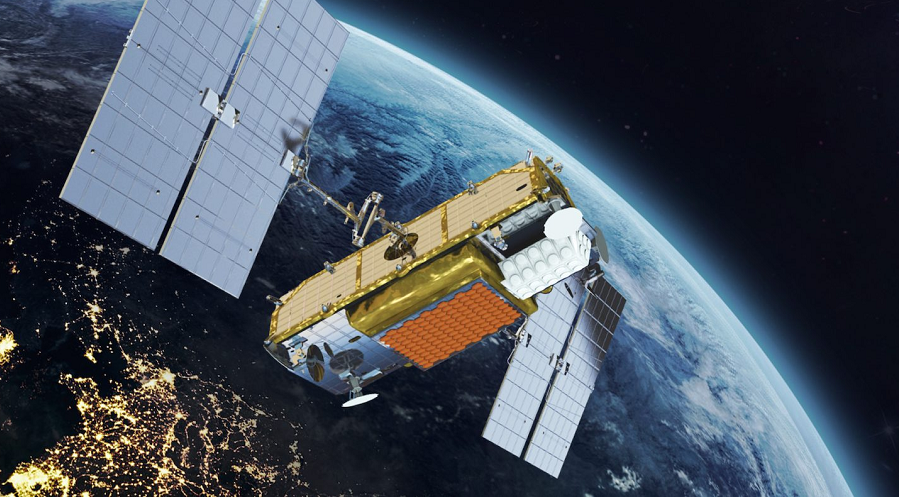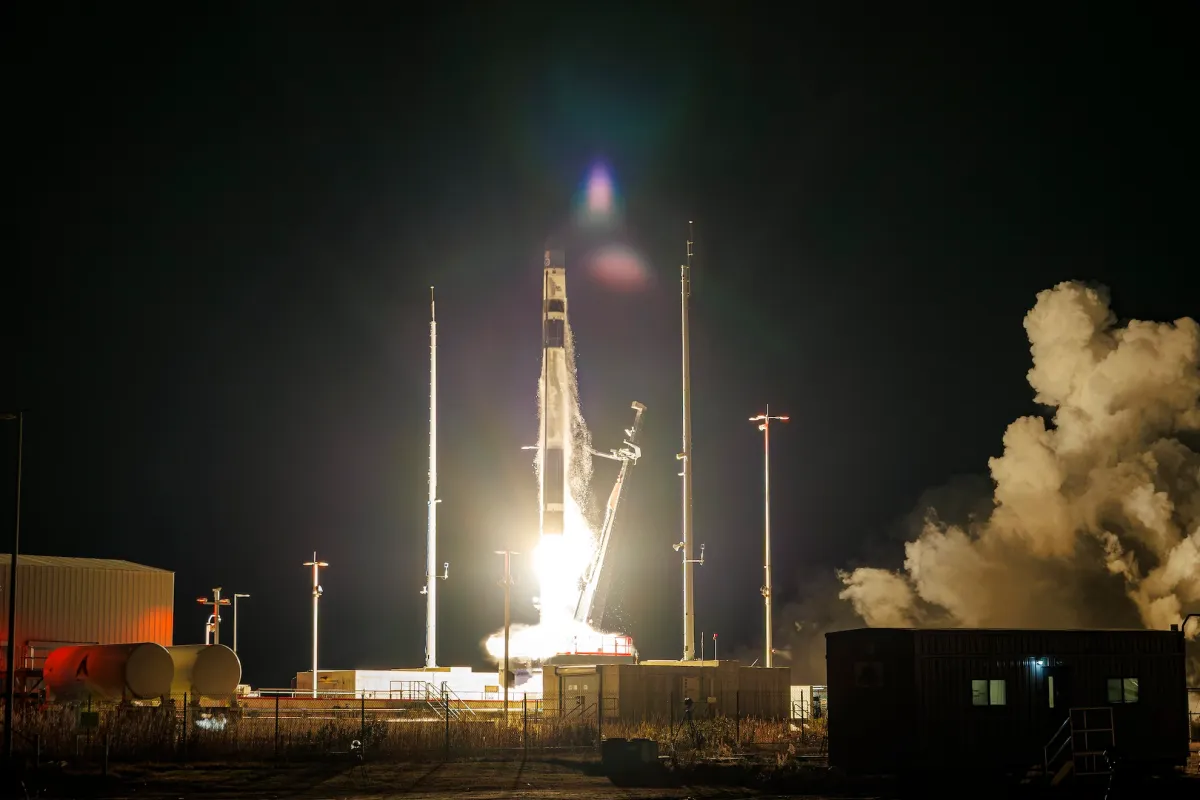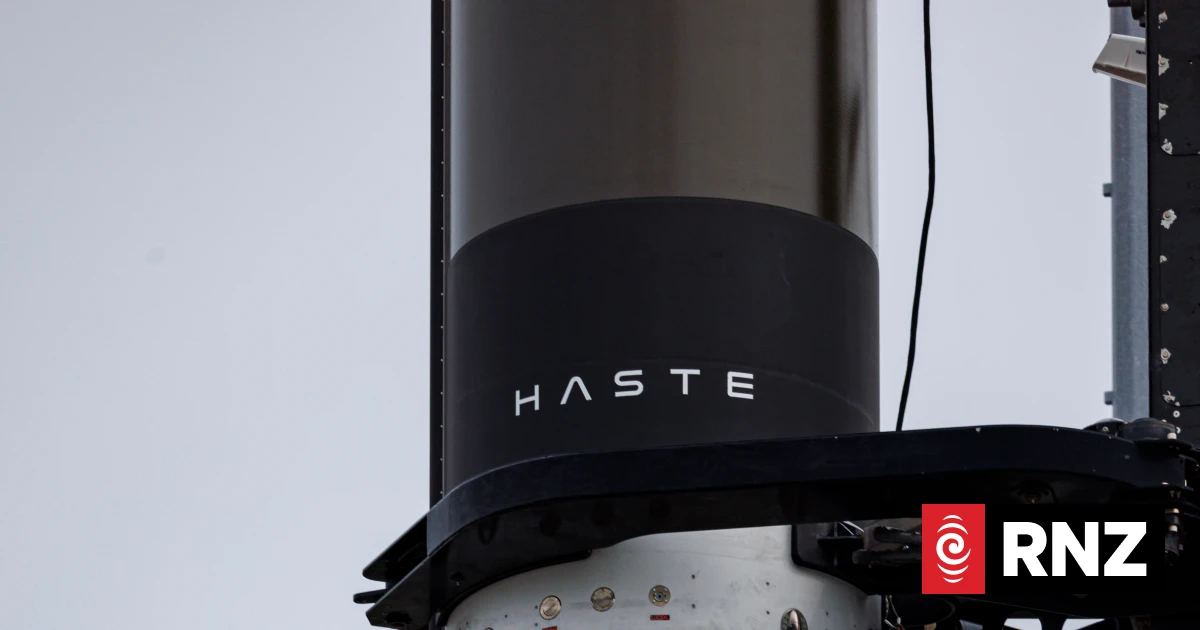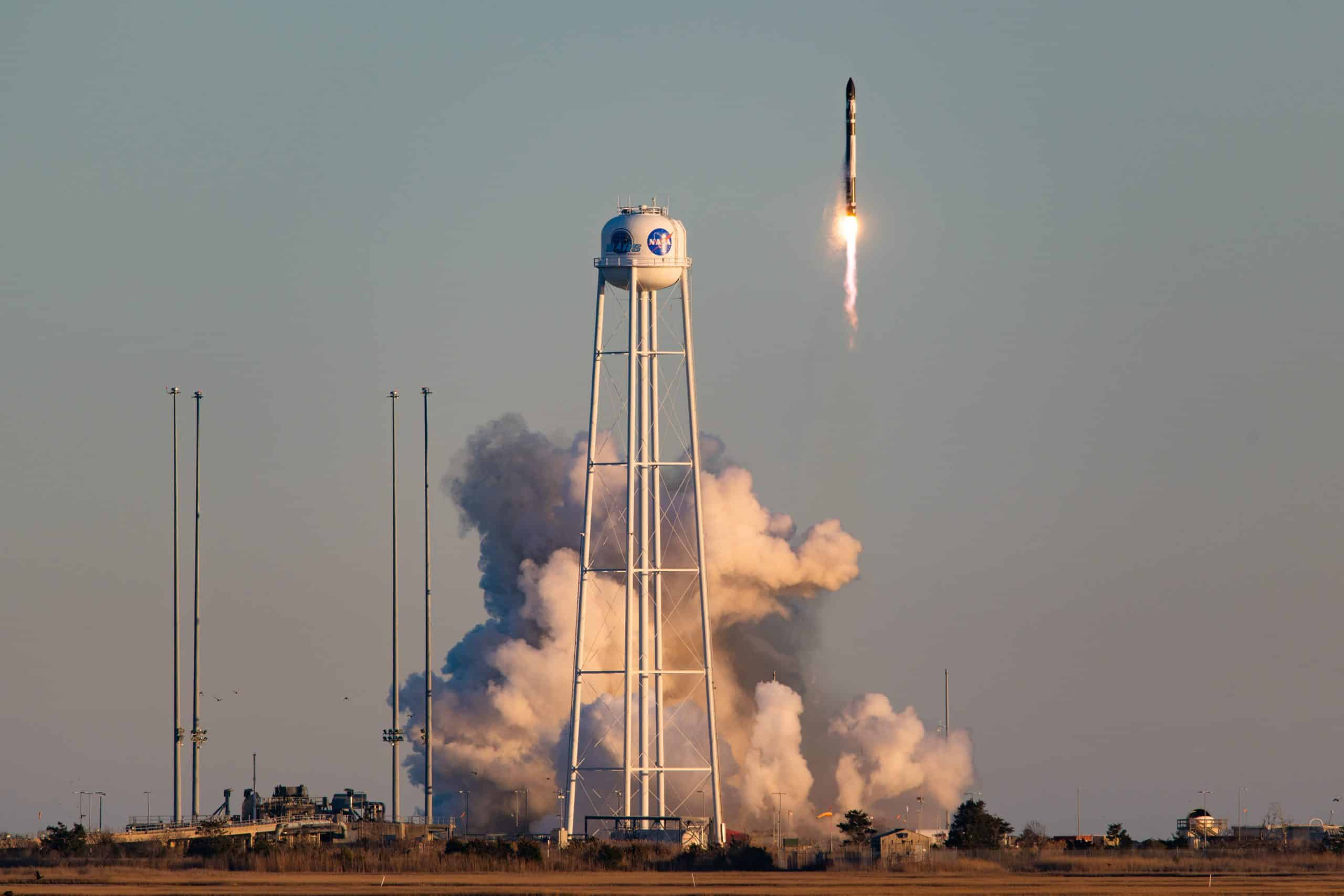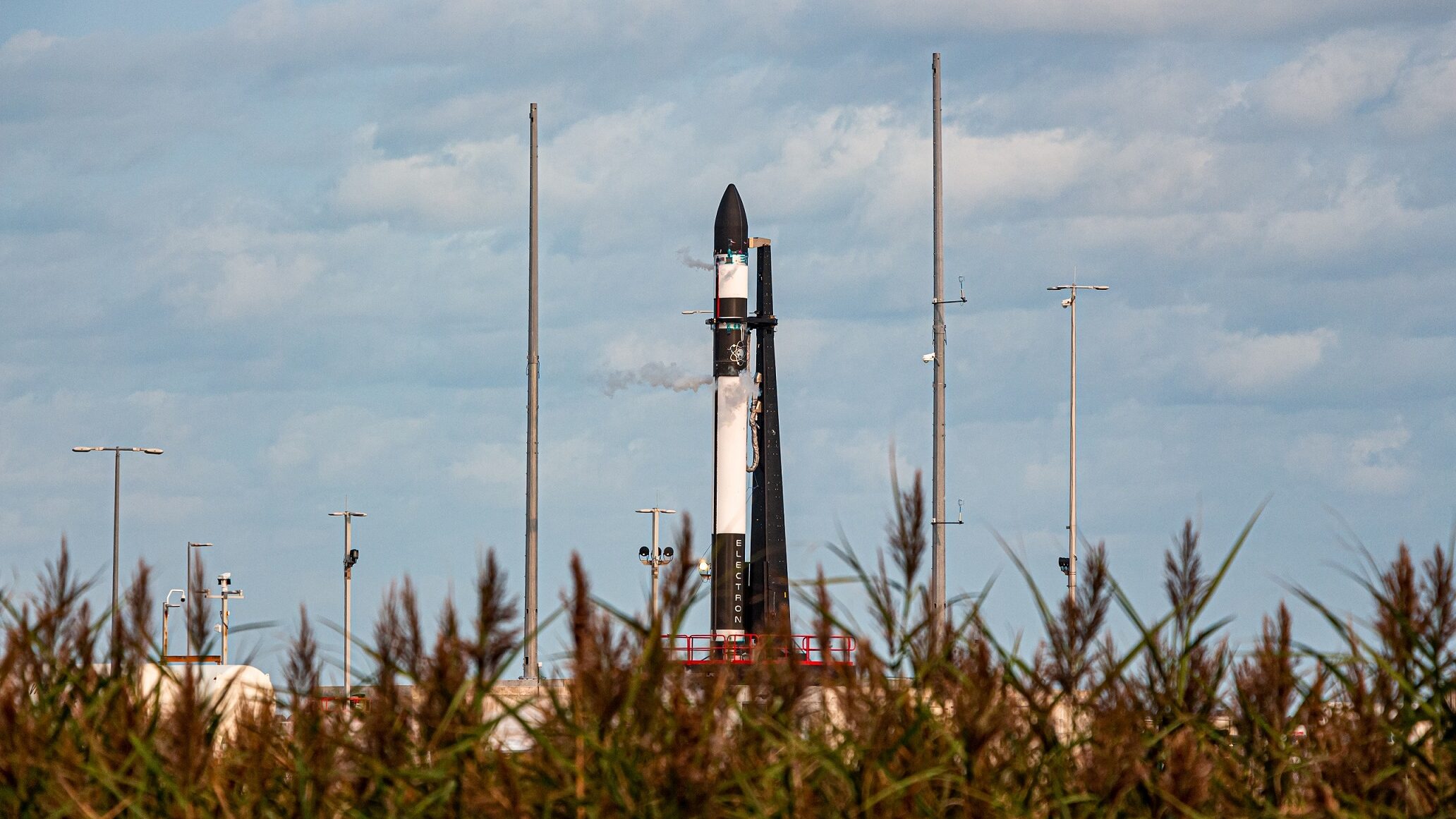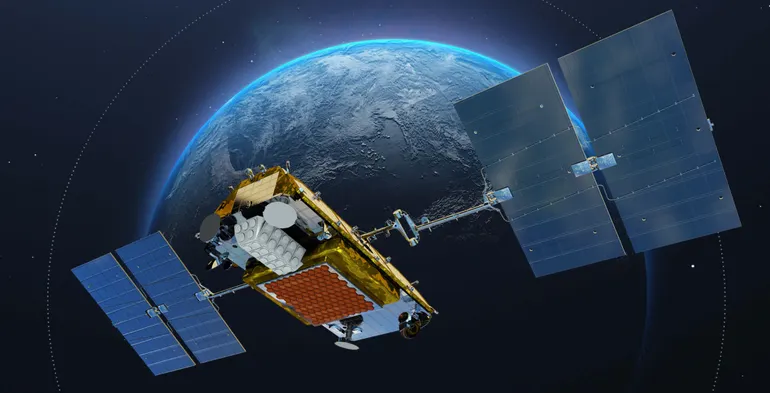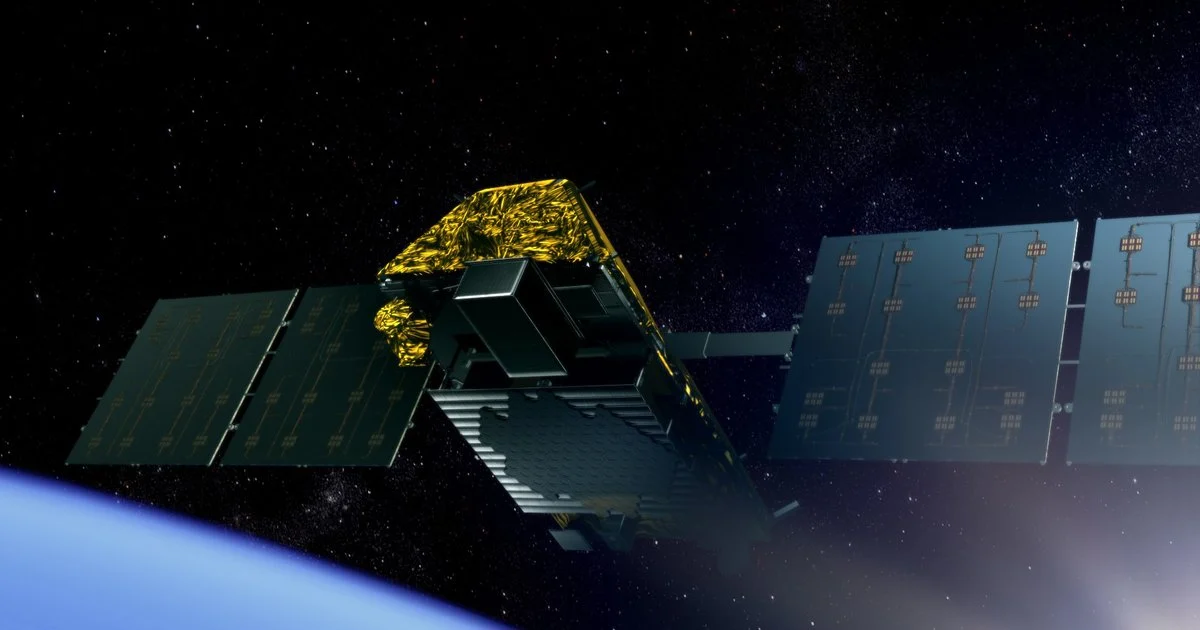
Rocket Lab Corporation, a rocket developer and launch operator, is to acquire Iridium Communications Inc., a large legacy satellite operator.Announced this week, Rocket Lab is buying all outstanding shares of Iridium common stock for $54 a share in cash and stock, representing an enterprise value of approximately $8 billion. The transaction is expected to be completed in mid-2027.“By marrying Iridium's deep heritage, trusted infrastructure, and highly sought-after spectrum with Rocket Lab's extensive and proven launch and manufacturing capabilities, we have the capability to unlock entirely new markets,” said Sir Peter Beck, founder and CEO of Rocket Lab, in a statement. “We will go far beyond maintaining a legacy; we are going to build upon it to pioneer next-generation space applications and deliver sought-after capabilities to existing and new customers."Iridium’s original L-band satellites launched in the late 1990s and were retired around 20 years later. Work on the Virginia-based company’s second-generation fleet – known as NEXT – began in 2017. Today, the network comprises 80 machines.The acquisition grants Rocket Lab an array of satellite products and services in Internet of Things, direct-to-device, position, navigation, and timing (PNT), access to spectrum, notably in the L-band, and Iridium’s 500-plus partner ecosystem.Nasdaq-listed Iridium now gains access to a fleet of two-stage small-lift Electron rockets, and the in-development reusable medium-lift rocket, Neutron, which is targeting a similar payload capacity as SpaceX’s Falcon 9, with the hope to launch it even more cheaply at $50 million per launch to the Falcon 9’s $74mn, a lofty ambition.As part of the transaction, Rocket Lab has received commitments for a $3.6 billion 364-day senior secured bridge term loan facility from Deutsche Bank and Wells Fargo. Rocket Lab intends to fund the cash component of the transaction through a combination of cash from its balance sheet and other debt and equity financing sources. Iridium's market cap is currently around $5.59 billion at the time of writing, with the company's shares rising in the wake of the acquisition offer.Rocket Lab’s latest mission, “Ten Owl of Ten”, launched the HASTE variant of Electron from the company’s New Zealand complex on the night of June 26, carrying Tokyo-based Synspective's 10th imaging satellite. It was the 12th launch by Rocket Lab in 2026, and Electron’s 9th.While no launcher can compete with SpaceX on price, high demand for its rideshares leads to long waiting periods. The company has also been accused of bumping non-American customers in the interest of prioritising national businesses.While power blocs like Europe are voicing aspirations to reduce exposure to America and Musk, a more bespoke launcher like Rocket Lab, with its origins in New Zealand, could argue a geopolitical distance from Silicon Valley oligarch industry and appeals to satellite operators looking for a less volatile partner in space.Rocket Lab pledges to build upon Iridium’s hard-won scale to expand into new markets and create new space-based services.Speaking to DCD in May, Iridium acknowledged it had been the subject of much speculation about acquisitions, following Amazon’s acquisition of Globalstar, and Echostar’s sale of its spectrum to AT&T and SpaceX. “There’s a key question about spectrum. Everyone looking around thinking, ‘if it’s valuable, well, who else has the spectrum?’ Iridium CEO, Matt Desch, told DCD. “There are only two companies that have anywhere close to global spectrum, and that’s Viasat and Iridium. Viasat has more, but it’s messier; it has to be shared with Space42, and they sold some spectrum to Ligado, which is now tied up in the courts. Ours doesn’t have those problems.”
Launcher Rocket Lab acquires satellite operator Iridium in $8bn deal
A new American vertical launcher-operator is formed by merging a former “big four” satellite operator with a commercial launcher building a competitor to SpaceX's Falcon 9
581 words~3 min read