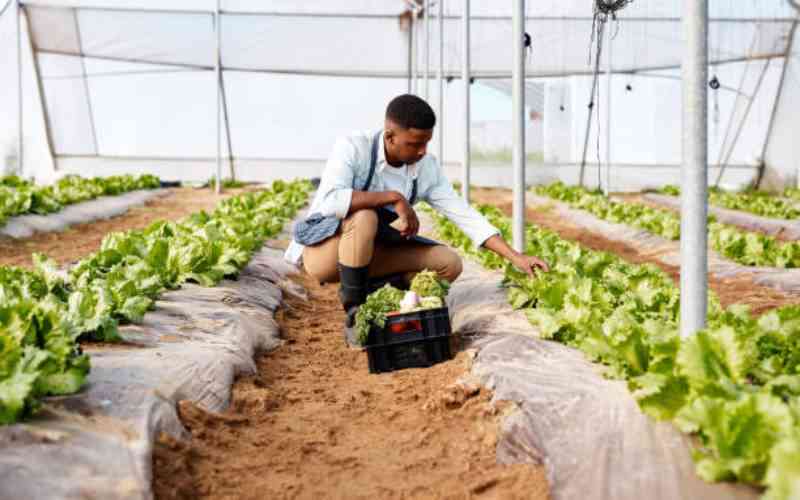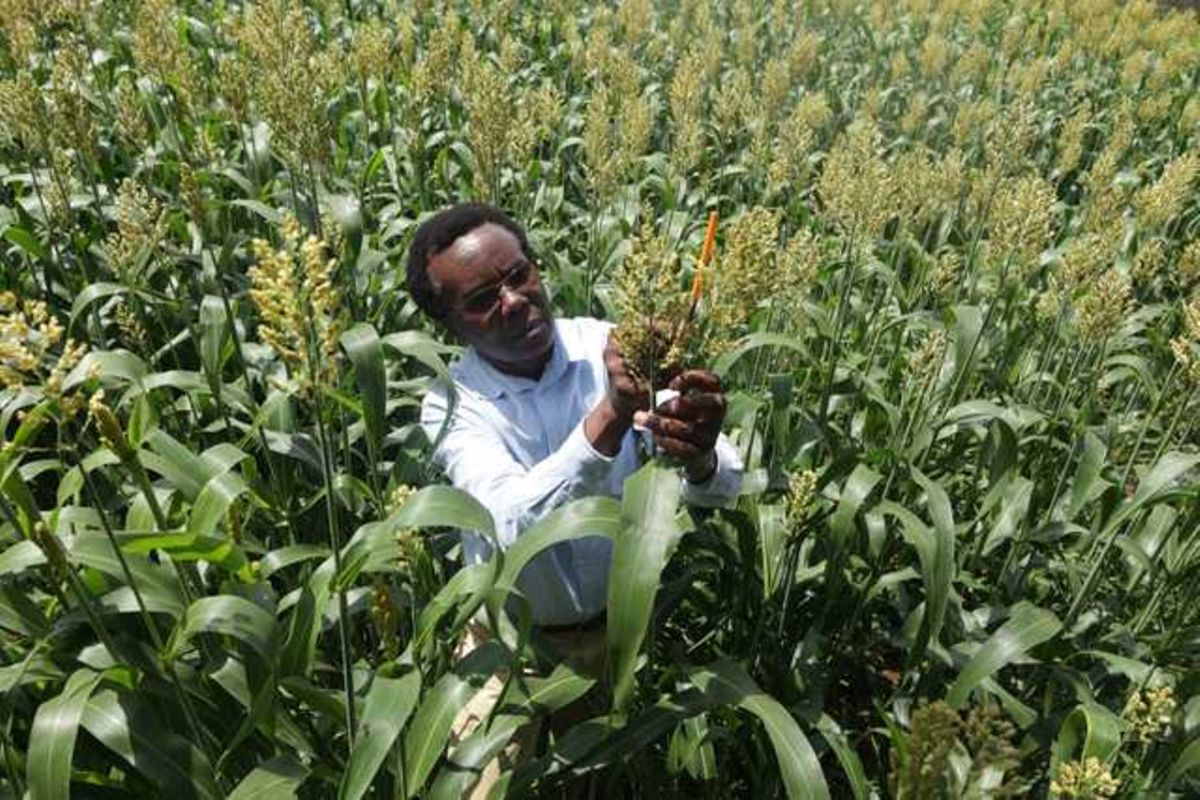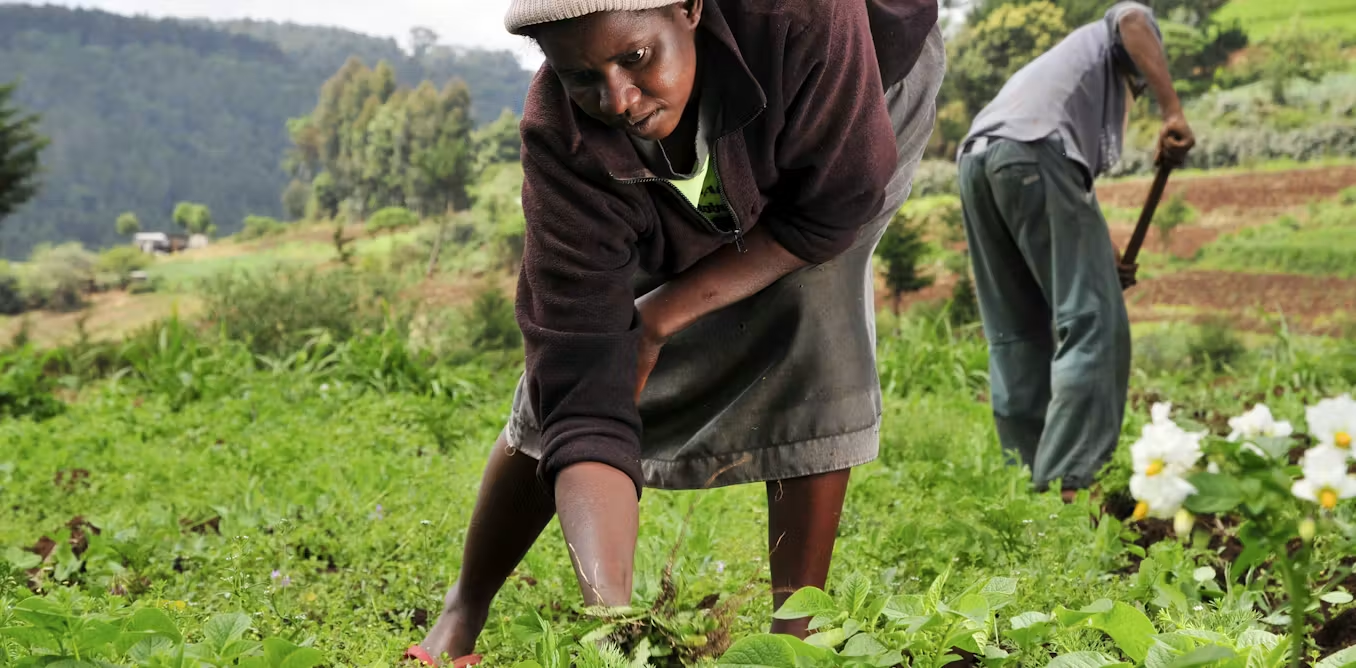
More and more of Kenya’s farmlands are coming under the control of people who live and work in urban centres. Over the past two decades, the proportion they control has grown to nearly a third of Kenya’s total agricultural land.
This trend has also been recorded in Ghana, Malawi, Tanzania and Zambia. Urban residents acquire rural farmlands because they see land as an attractive investment. They think of farming as potentially rewarding because of rising food prices, liberalised agricultural markets and the growing demand for food in rapidly urbanising areas.
The rural, small-scale farmer has long been the focus of agricultural transformation efforts on the continent. But some researchers and policymakers regard urban residents engaged in farming from afar as more innovative and entrepreneurial – capable of advancing commercial agriculture. These urban residents have better access to financial capital as well as information on markets and commodities.
Other researchers have pointed out that the impacts of urban-based farmers are either ambiguous or negligible.
For my PhD in Geography I investigated whether and how Kenyan urban residents engaged in farming from afar were shaping the development of commercial agriculture in the country. I also looked into the relations that these urban residents have with the rural people and places where they are active.