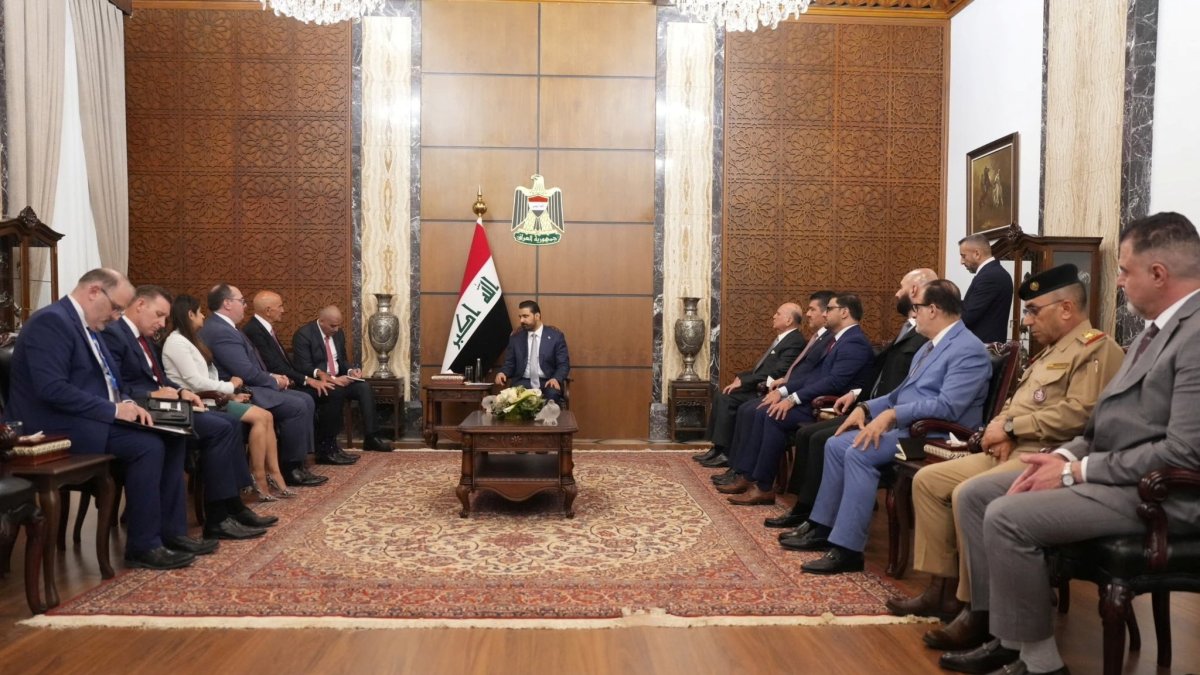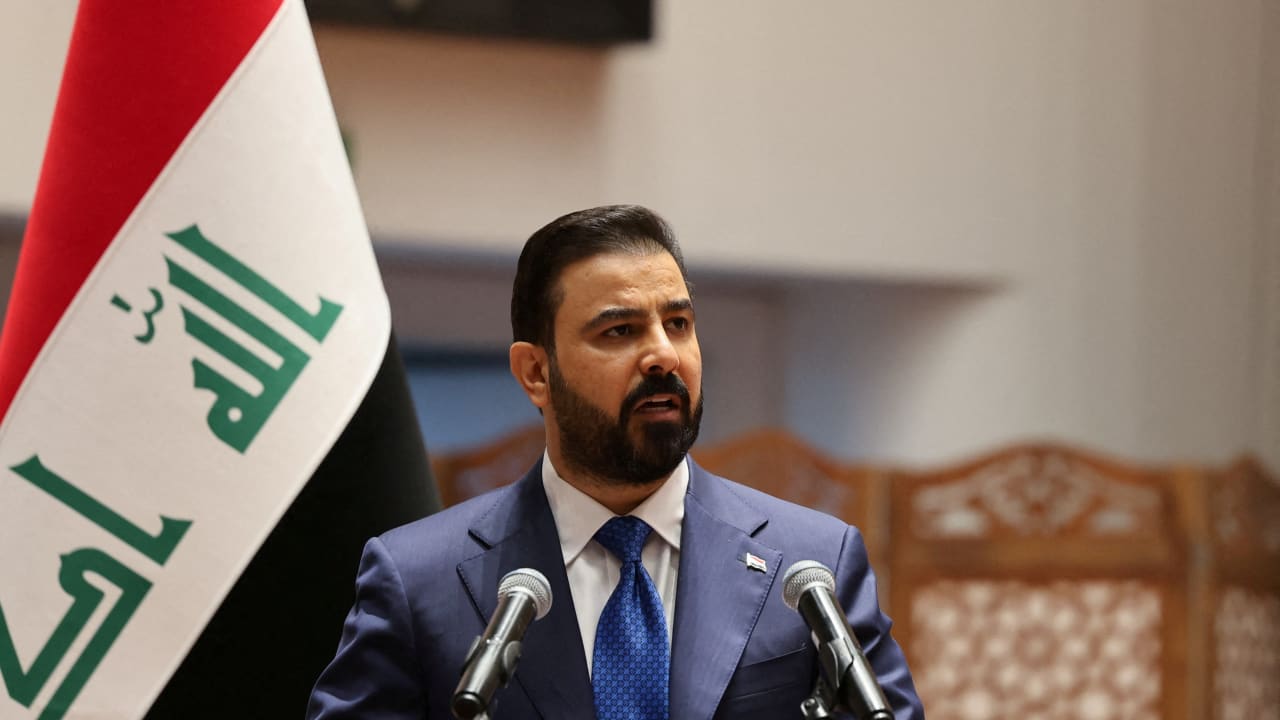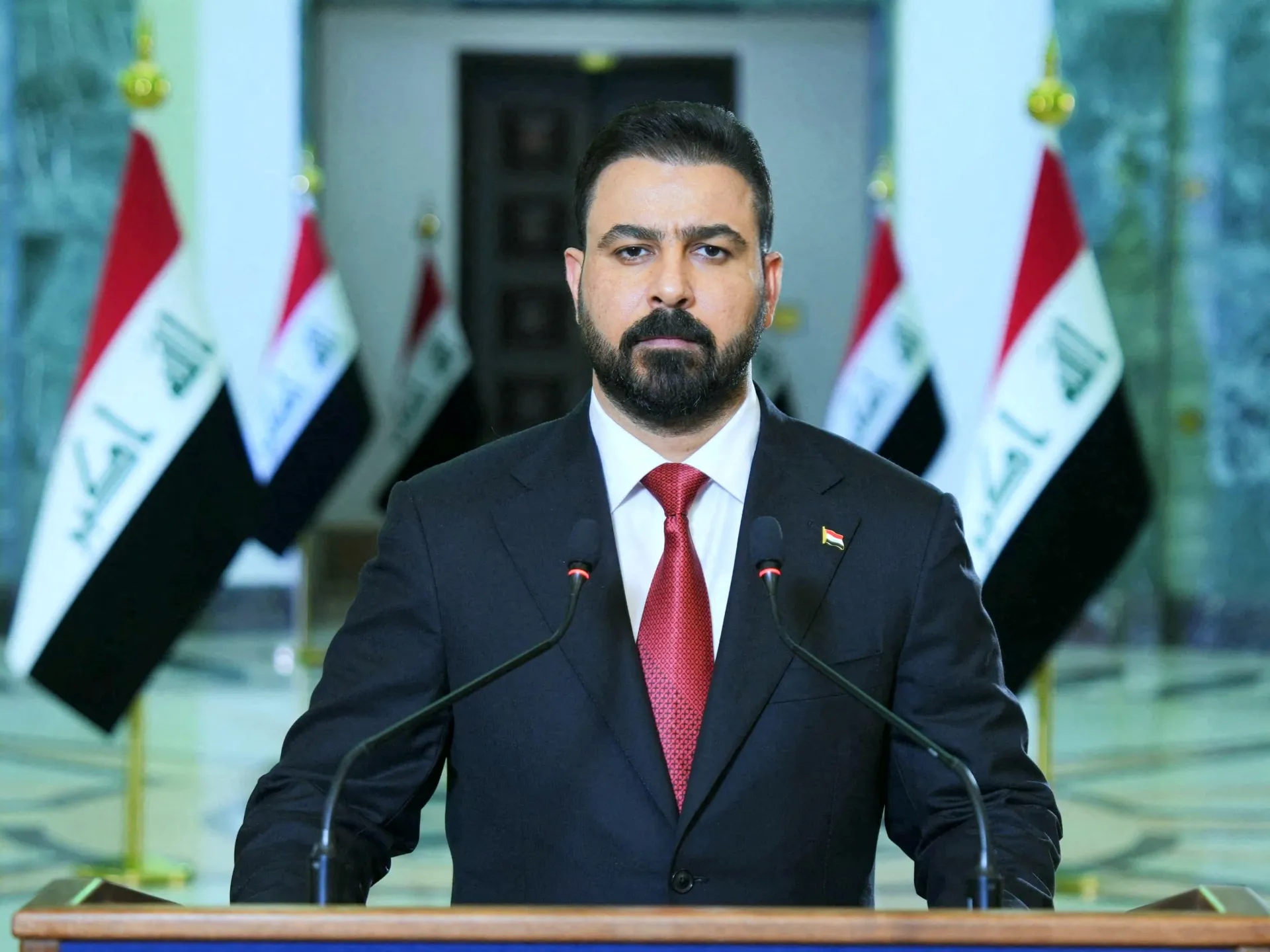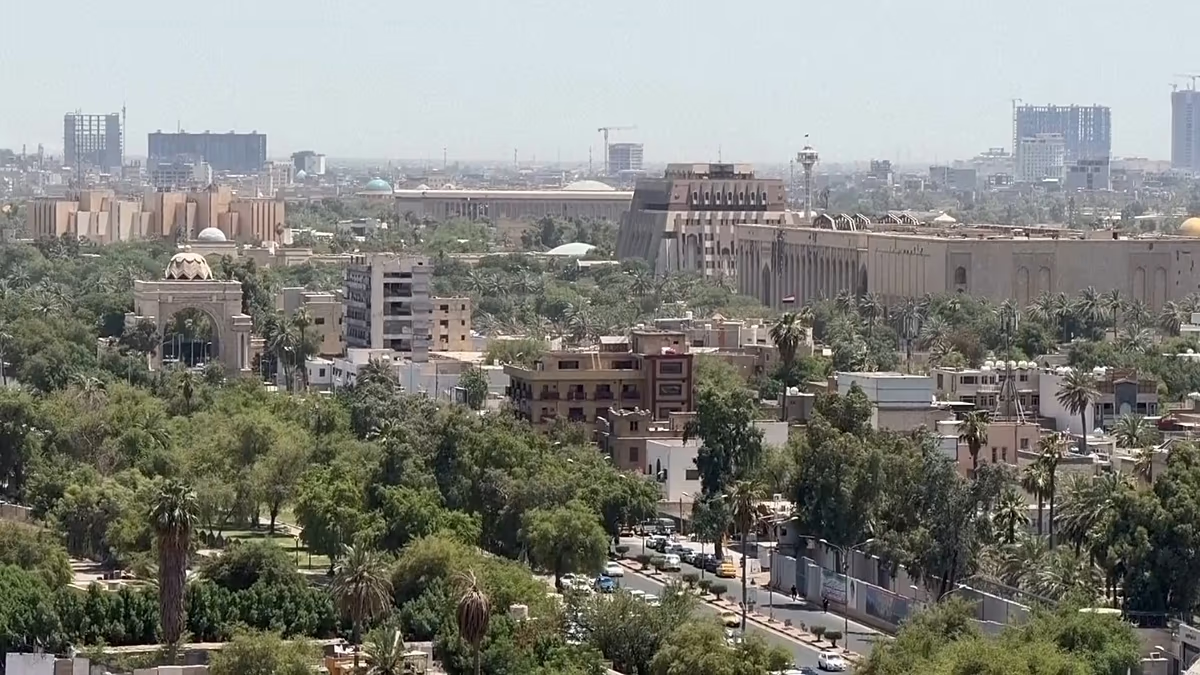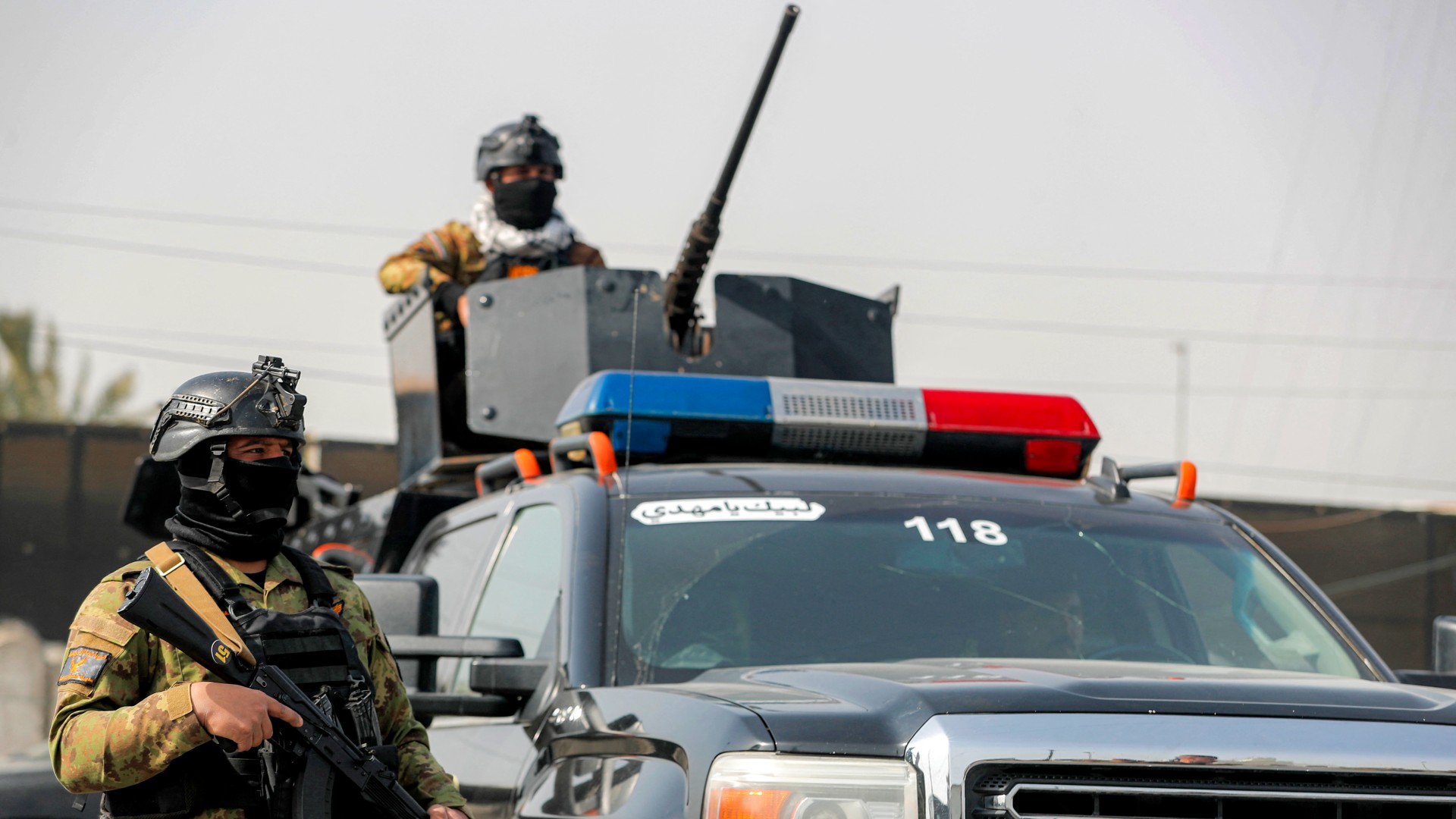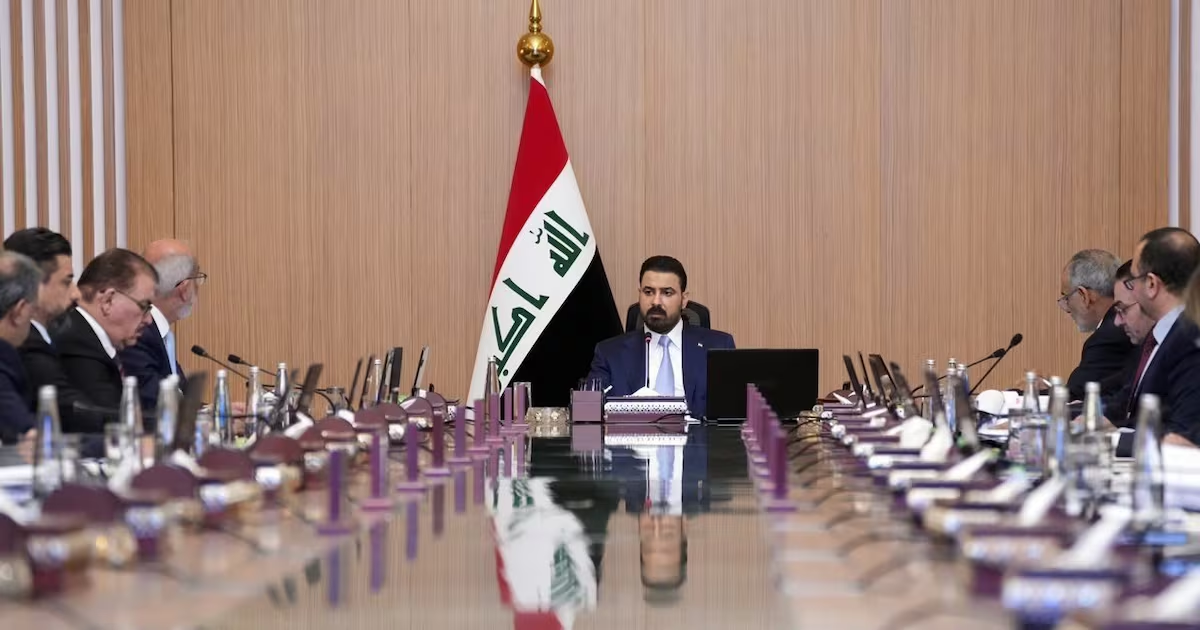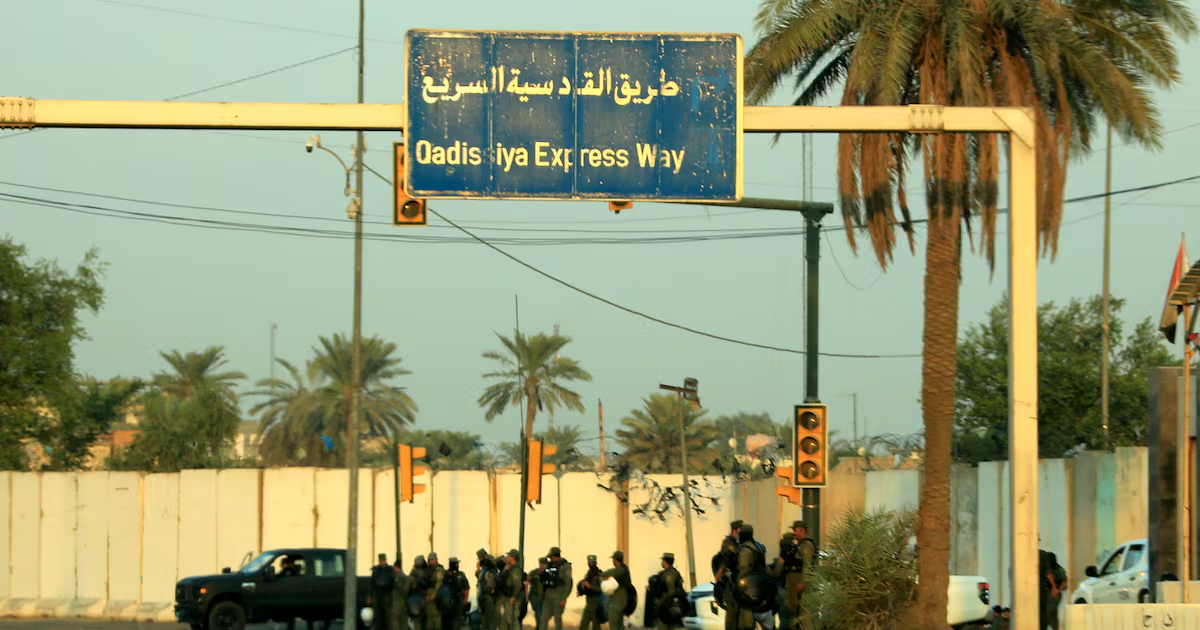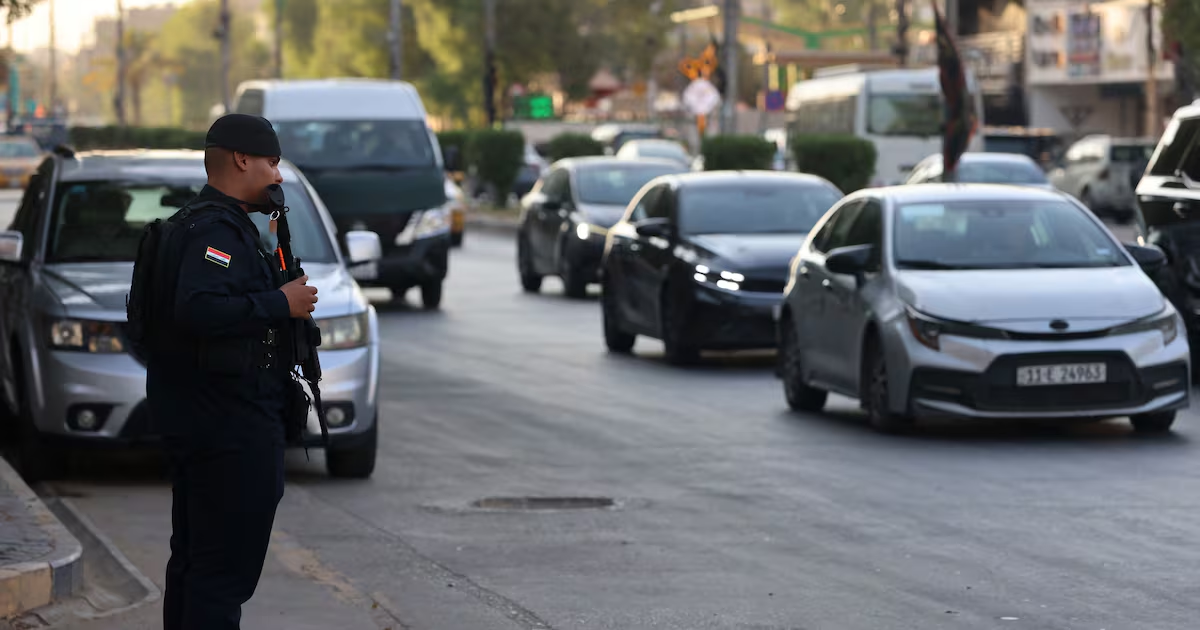
The wave of arrests that swept Baghdad’s Green Zone before dawn on Sunday is being presented, at home and abroad, as the moment Iraq finally turned on its own corruption. It is better understood as the opposite: the ethno-sectarian system that produces that corruption, performing maintenance on itself, removing a rival faction while leaving the machinery intact.The distinction is not academic. It determines how Arab capitals and Washington should read the government of Prime Minister Ali Al Zaidi in its first weeks.The facts, as reported, are these. Elite Counter-Terrorism Service units sealed the Green Zone overnight and raided the residences of politicians and officials. Iraq’s state news agency put the number detained at 47, including members of Parliament and oil ministry figures; a security report obtained by the Associated Press described seven arrests, among them five lawmakers.Some of those held belong to the bloc of former prime minister Mohammed Shia Al Sudani. The operation followed the May 30 arrest of Adnan Al Jumaili, the oil ministry’s undersecretary for refining affairs, in a case in which the judiciary says it has now seized about $86 million. No charge sheet has been made public for Sunday’s detainees, and the specific accusations against them have not been stated.The most revealing document of the day was not a court filing. Hours after the raids, Nouri Al Maliki congratulated the campaign by name. The two-time former prime minister praised “Operation Fajr” and the “brave judges” pursuing it, pledged his support and urged that the work be carried through to the end.Play00:44Top Iraqi politicians arrested in anti-corruption crackdownThe significance is in who was speaking. Mr Al Maliki presided over the consolidation of Iraq’s patronage state during his second term. Weeks ago, he was the Co-ordination Framework’s own candidate to return as prime minister, withdrawn only after Washington signalled it would cut support to Baghdad if he prevailed. A campaign that genuinely threatened the system would not draw applause from one of its principal architects. He is applauding because he can see what the targeting makes plain.What it makes plain is the nature of the corruption itself. Since 2003, Iraq has been governed by muhasasa, the apportionment of ministries and senior posts among parties along ethno-sectarian lines. Under that arrangement, ministries are run as party fiefdoms. Procurement is carried out through inflated contracts and kickbacks that feed the parties and the armed groups attached to them. Senior positions are traded during the bargaining that forms each government.Transparency International ranks Iraq 136th of 182 states and notes that its oversight bodies lack the power to enforce. The corruption is not a malfunction of this system. It is the system’s method of distributing money and loyalty.A drive against corruption that left that method untouched would look exactly like the one now under way. Its targets are an undersecretary, provincial governors, ministry officials and back-bench lawmakers – and, pointedly, members of the bloc that won the largest share of seats in November’s election yet was denied the premiership. The party leaders and militia financiers who own the distribution networks are not among the detained. They are among those congratulating the detainees from outside the cells.QuoteThe test of Operation Fajr is whether it reaches the party leaders and financiers who own the networks rather than the officials who merely staffed themThe instrument is its own evidence. The Counter-Terrorism Service reports directly to the prime minister as commander-in-chief, and was deployed on Sunday to bypass the routine police and judicial procedures that ordinarily govern such cases. Iraq already has a Commission of Integrity and a Board of Supreme Audit for this purpose. A campaign that concentrates coercive power in the prime minister’s own hands, rather than equipping those bodies to act, does not build the institutions that would constrain future corruption. It builds an instrument that can be turned on the next rival as readily as on this one.The timing points to the audience the campaign is performing for. Mr Al Zaidi is expected in Washington next month, seeking investment and carrying a promise to disarm Iran-aligned factions; a diplomat in Baghdad told Agence France-Presse the operation was “part of the Washington visit preparations”. The raids also coincided with a visit to Baghdad by Iranian Foreign Minister Abbas Araghchi, who promised to expand co-operation with the new government as Tehran had with its predecessors. Both patrons were satisfied on the same afternoon – a result that a serious assault on the patronage economy, through which Iranian influence runs, could not have produced.The test of Operation Fajr is therefore not the number of arrests, nor the sums recovered, but whether it reaches the party leaders and financiers who own the networks rather than the officials who merely staffed them, and whether the next phase is carried by the Integrity Commission and the courts rather than the prime minister’s counter-terrorism units.Until it does, the campaign is best read as the system defending itself in the vocabulary of reform. Mr Al Maliki’s endorsement, rather than the arrests, is the clearest guide to what it is.
There is more to Iraq's corruption crackdown than meets the eye | The National
The raid is the country's ethno-sectarian system defending itself in the vocabulary of reform
840 words~4 min read