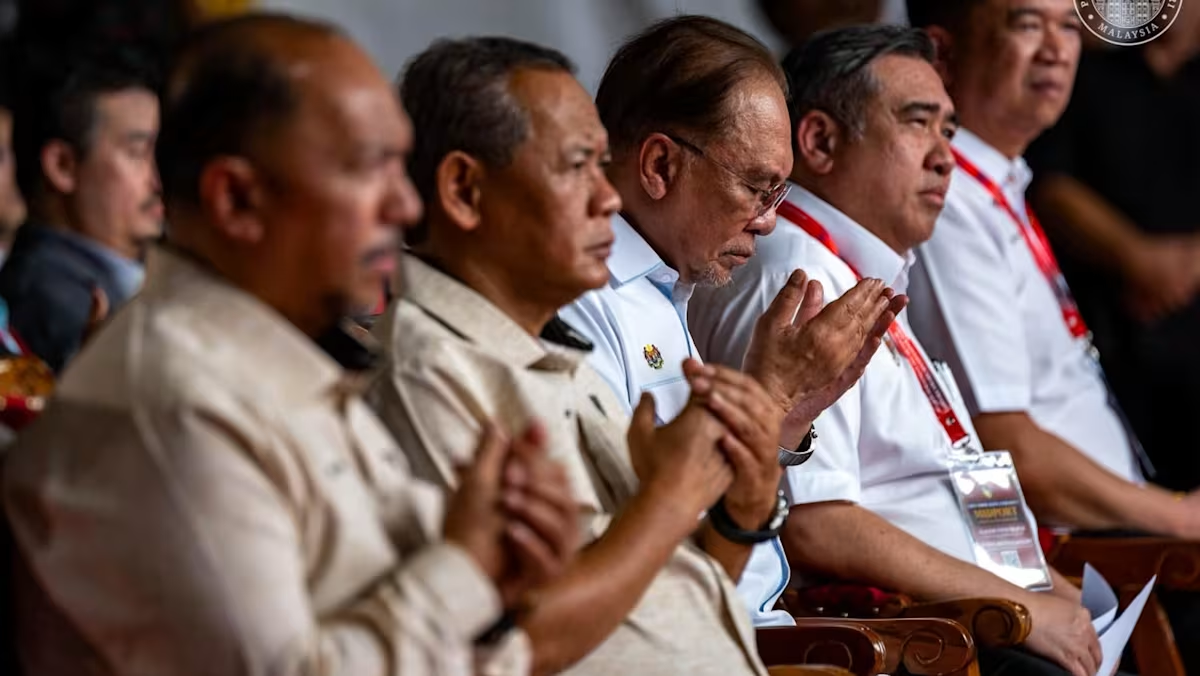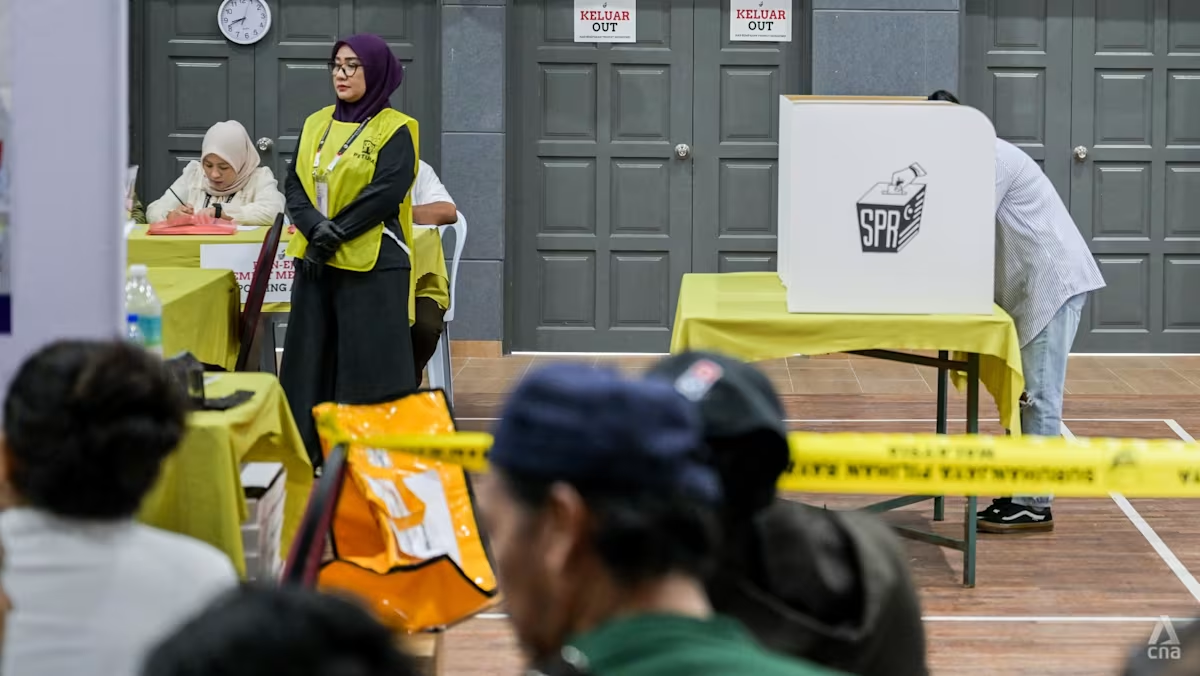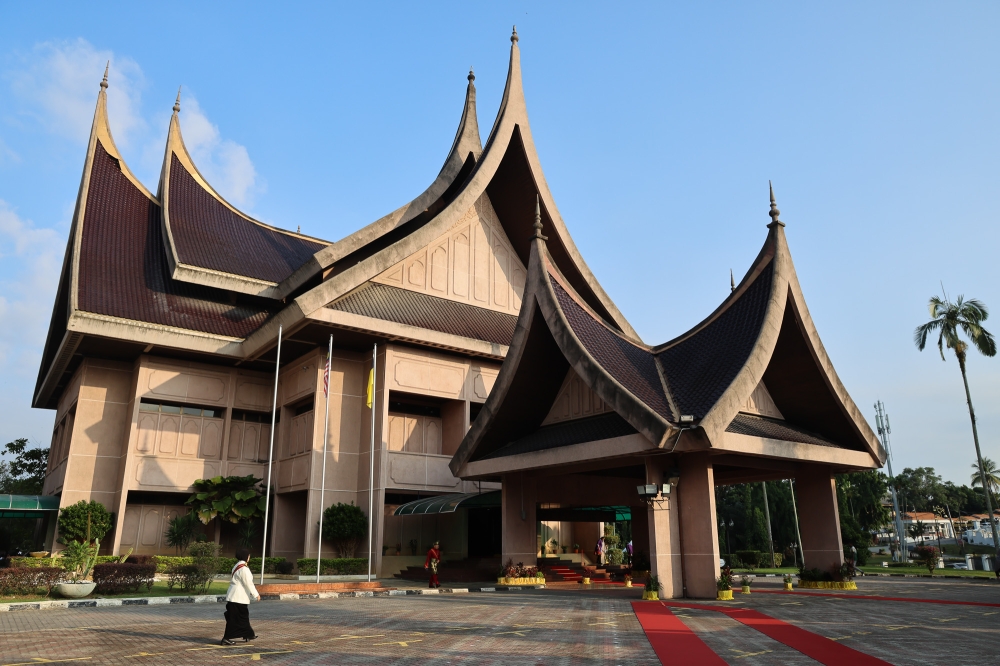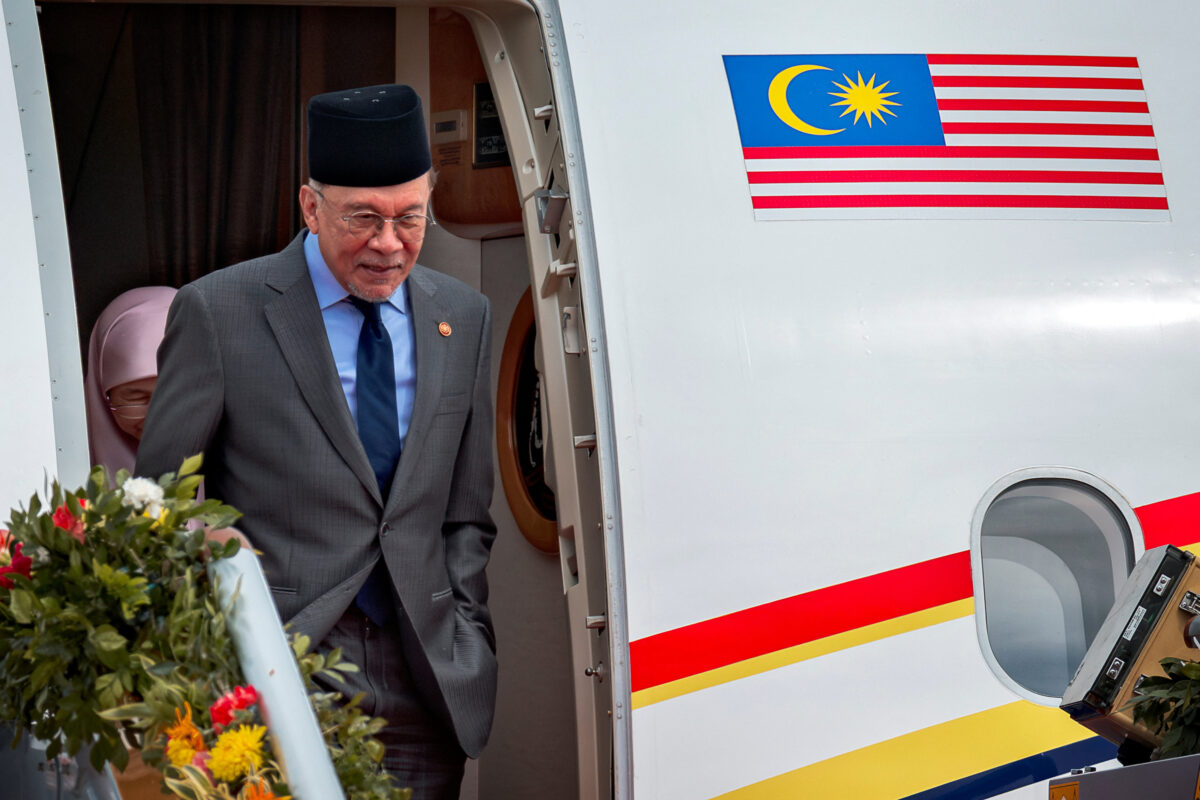
Two southern Malaysian multi-ethnic states — Johor and Negeri Sembilan — are set to hold elections in quick succession. Held on 11 July and 1 August 2026 respectively, these elections could undercut Prime Minister Anwar Ibrahim’s tenure if his Pakatan Harapan (PH) coalition experiences losses. After over three years in office during which the government has maintained political stability and strengthened economic performance, the coming polls will test Anwar’s Madani federal government — a coalition of coalitions of PH, the once-dominant Barisan Nasional (BN) and Borneo partners.
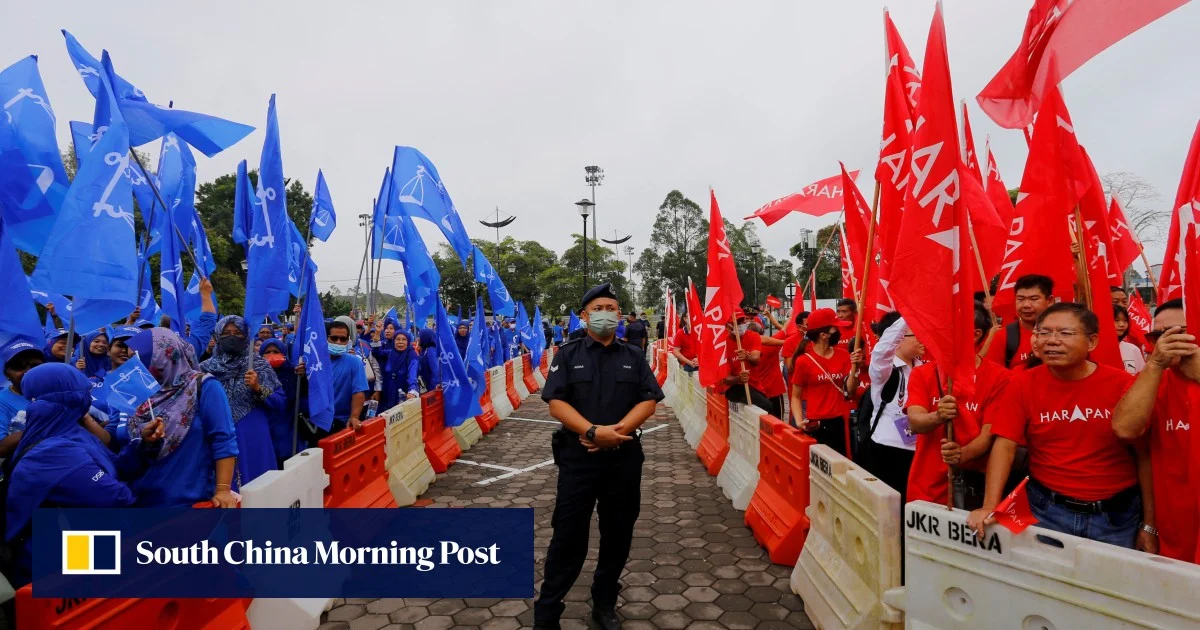
Usually, state elections are bellwethers of government support. The coming polls go further as a test of electoral strength of various parties in Malaysia’s complex political landscape. They are the first to pit PH coalition partners in the federal Madani government in competition in Peninsular Malaysia. Already, Madani coalition allies have gone on the attack against each other to shore up support among their core voters.
The Chinese-dominant Democratic Action Party in the PH coalition and the United Malays National Organisation (UMNO) that dominates BN have distanced themselves from each other in their state electoral campaigns, aiming to offset the delegitimation each has suffered from working together in the federal government. This has heightened ethnic mobilisation in a country where racial politics is deeply rooted.