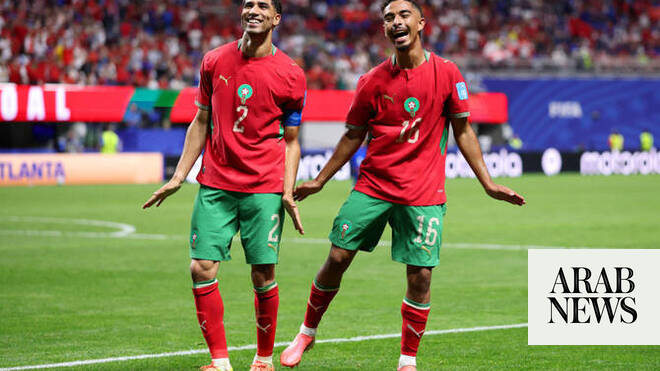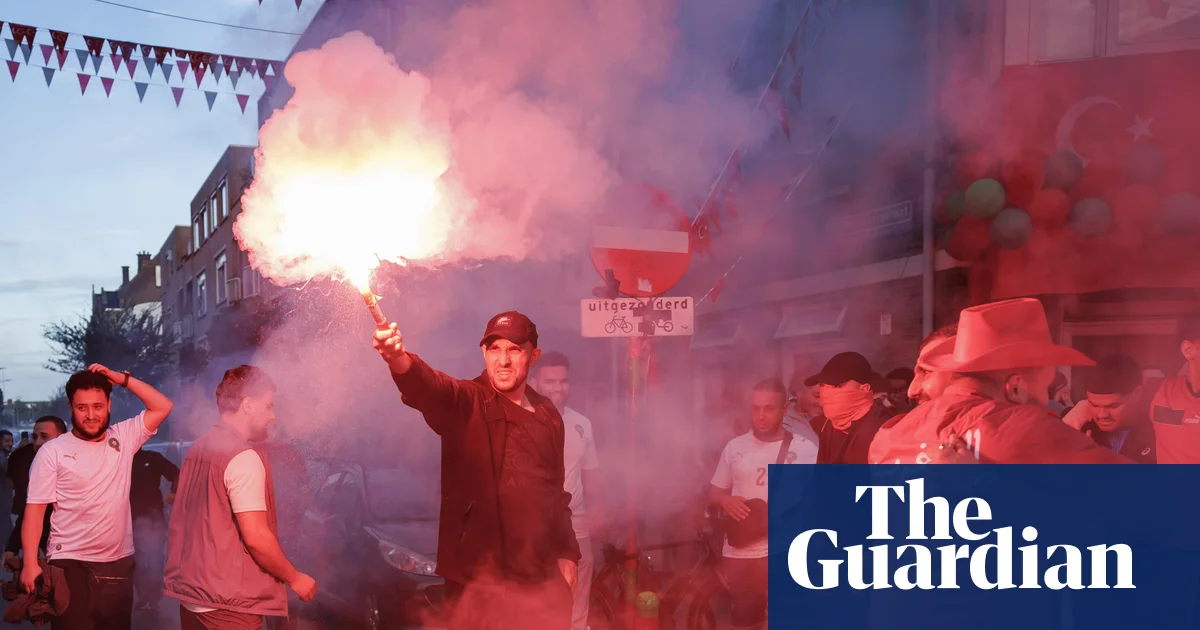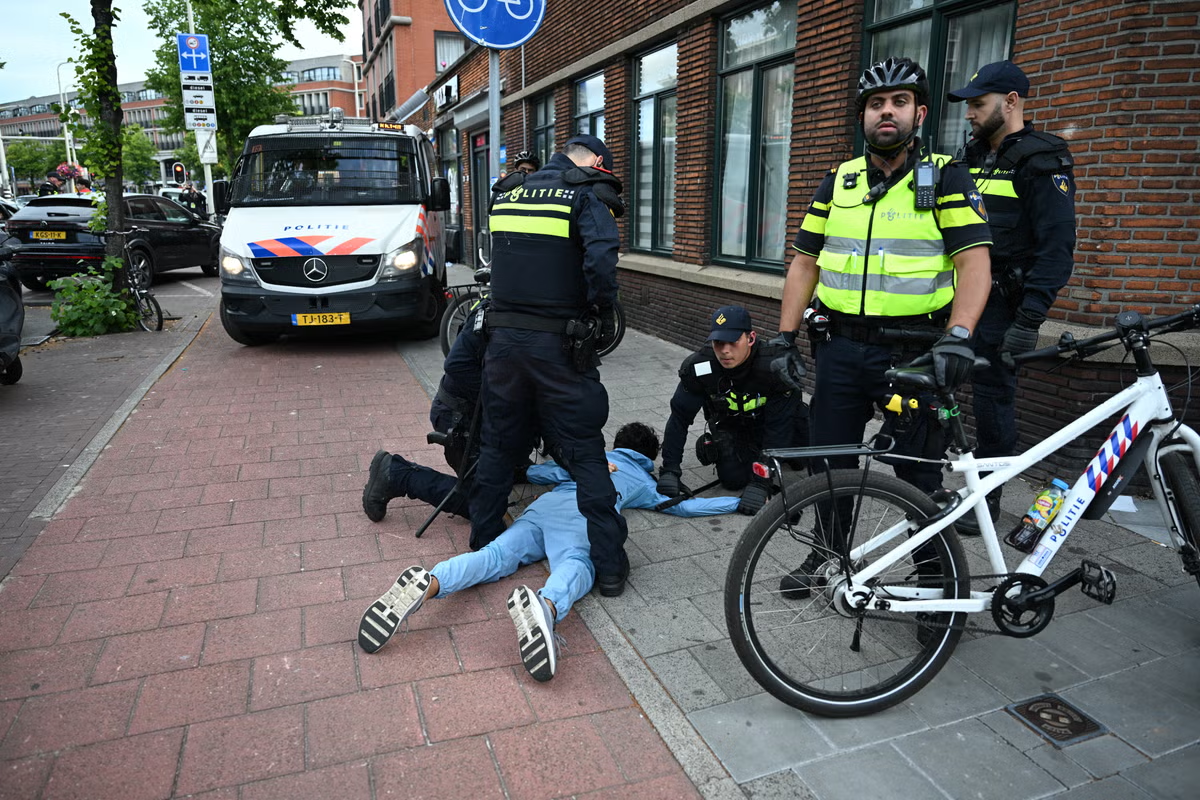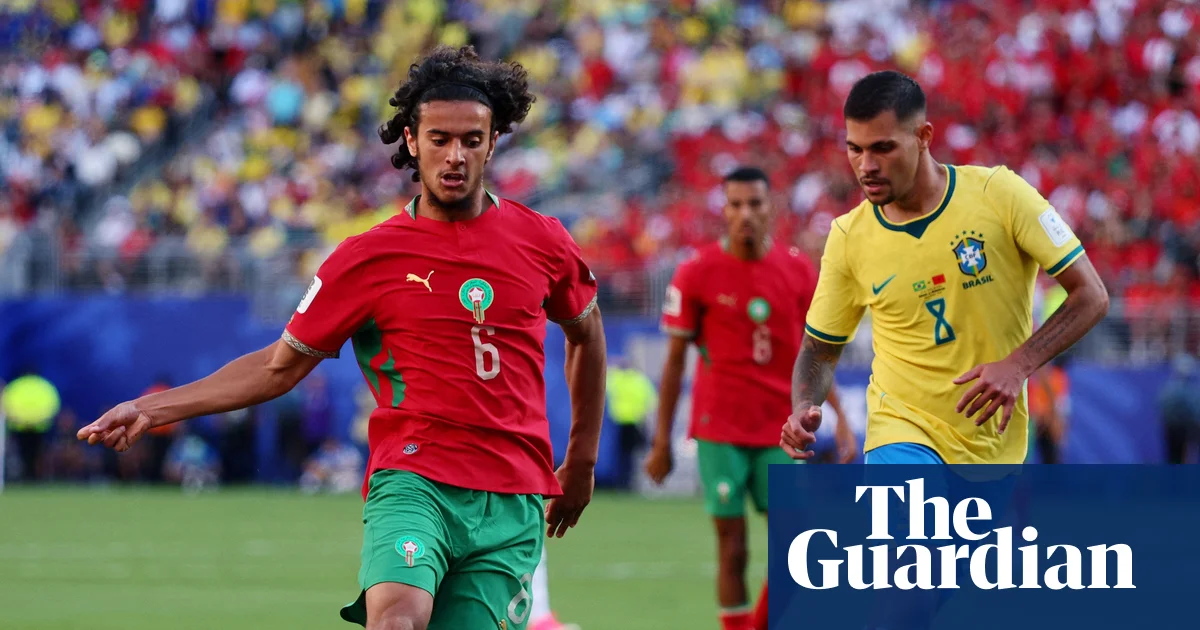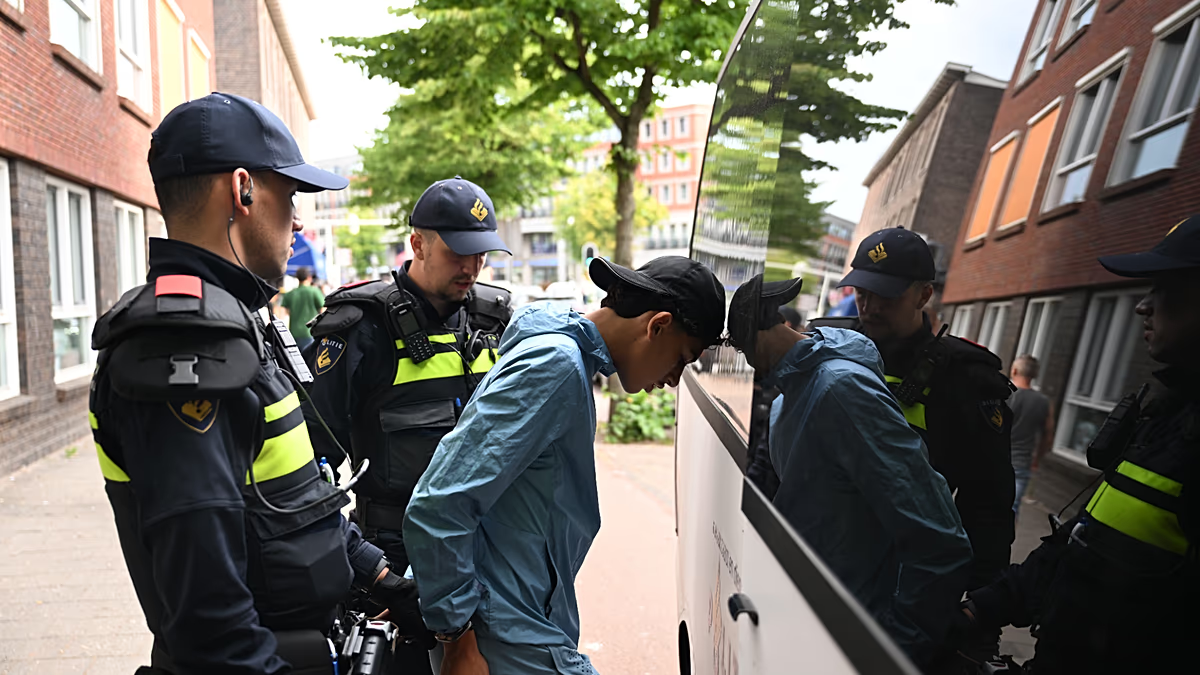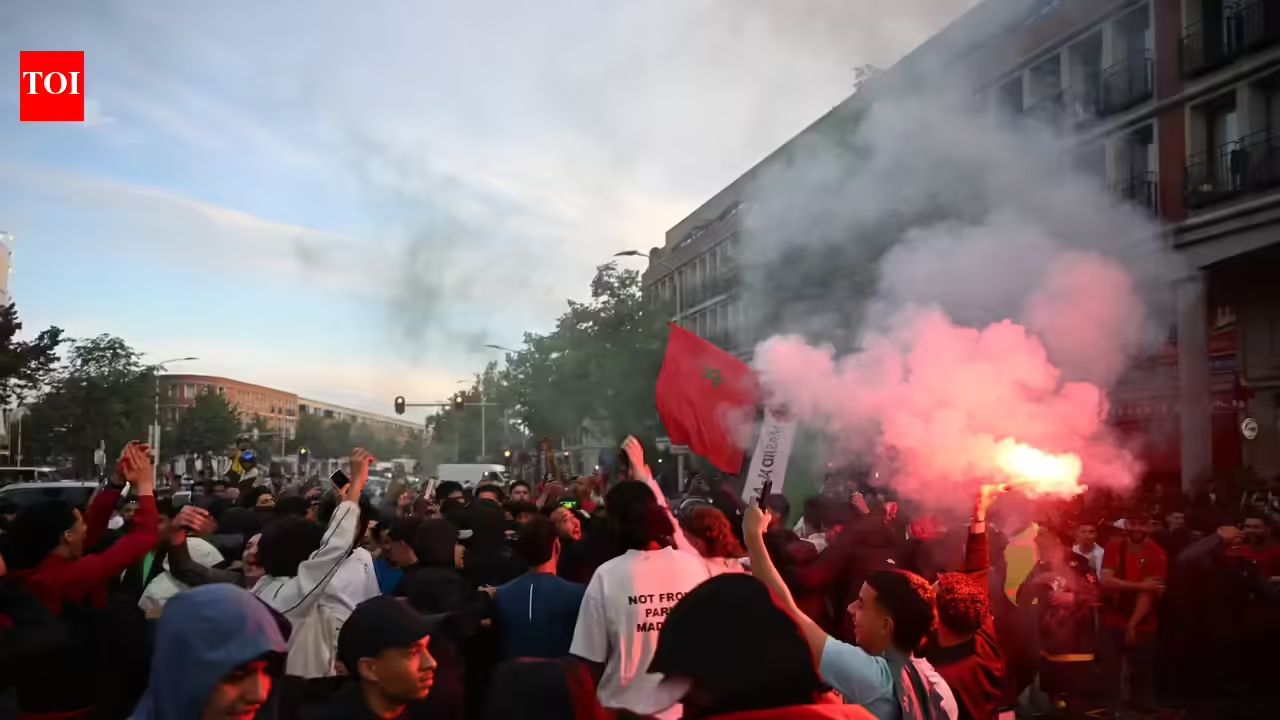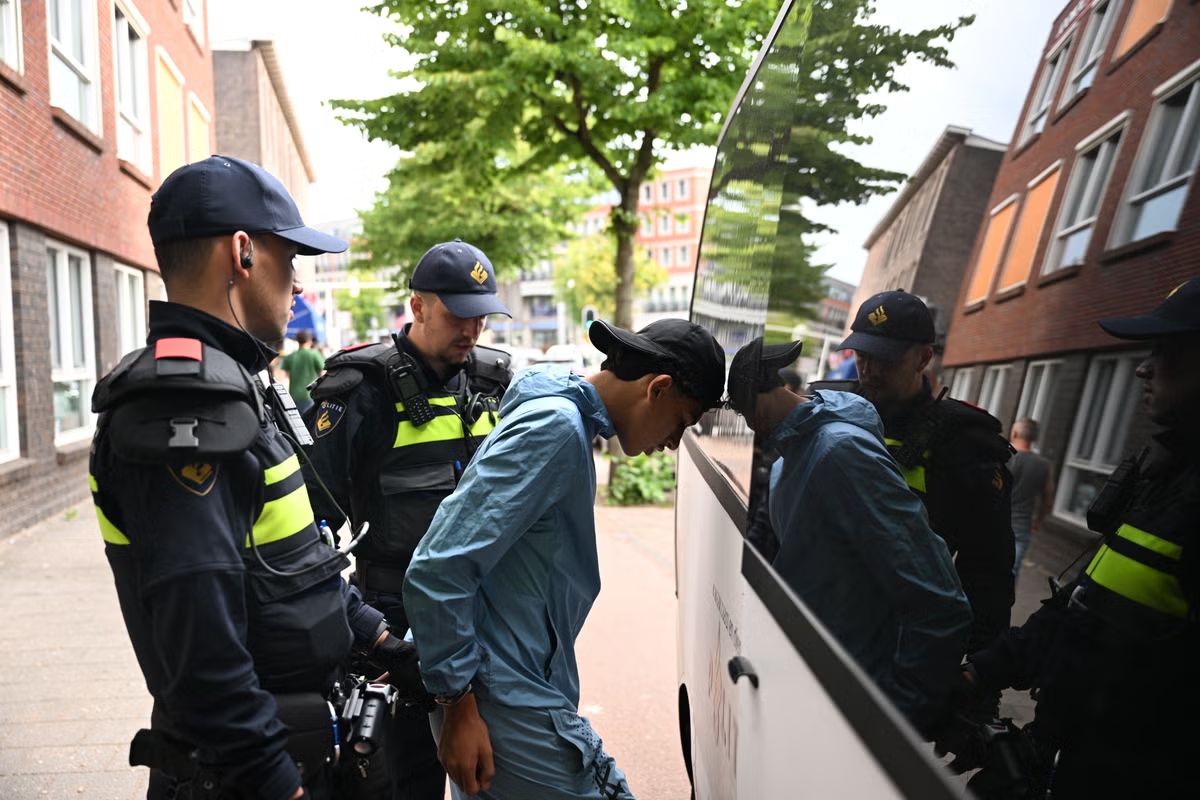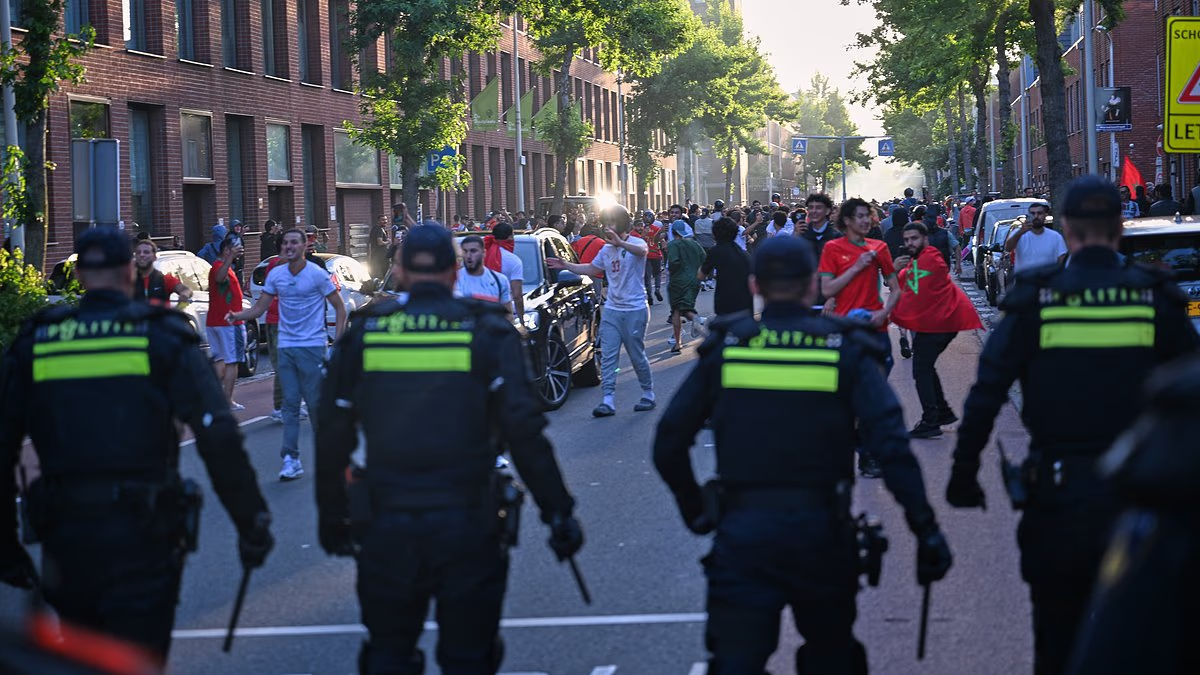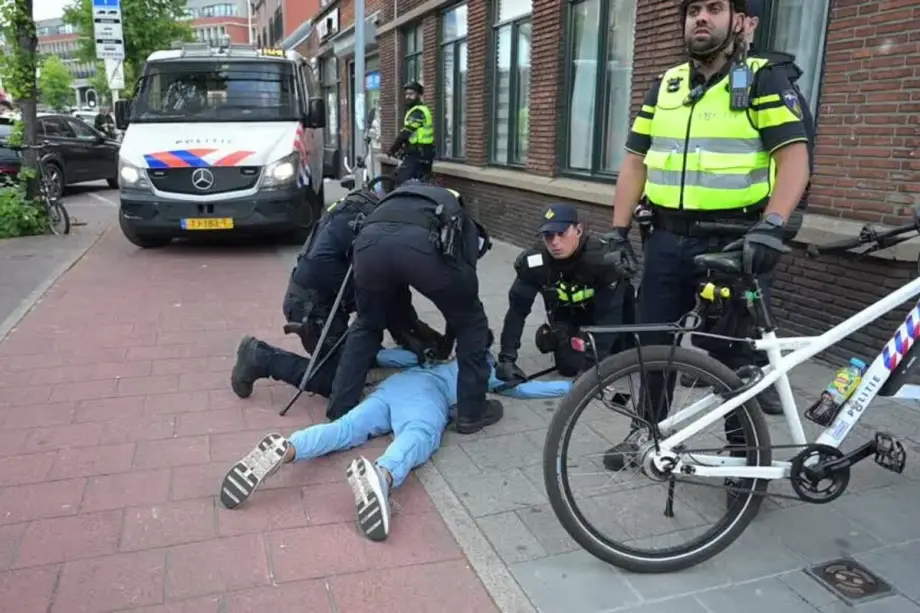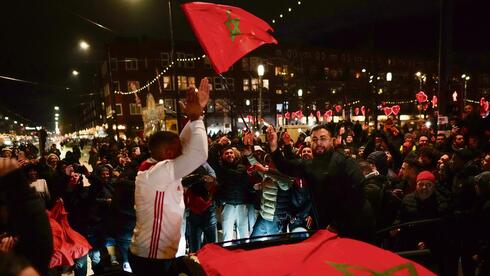
Dutch authorities brace for unrest as a huge Moroccan community, football hooligans and rising anti-immigrant politics turn one of the tournament’s biggest matches into a security test for Amsterdam and other citiesThe match between the Netherlands and Morocco is one of the most compelling ties of the first knockout round. African teams faced plenty of criticism after the tournament expanded, with some pundits mocking them for their supposed lack of tactical discipline. Yet nine of the continent's 10 representatives reached the knockout stage, and Morocco — a World Cup semifinalist at the previous tournament — has once again emerged as Africa's standard-bearer.The Netherlands, meanwhile, along with France, has been Europe's most impressive team at the tournament. Both have scored 10 goals, making them the competition's most prolific attacks (Germany also scored 10, though seven came against minnows Curaçao), with the Dutch doing so in a far stronger and more competitive group.GalleryMorocco fans celebrate in the streets of Amsterdam (Photo: AP/Peter Dejong)The Netherlands also boasts another remarkable statistic: since Andrés Iniesta's winning goal in the 2010 World Cup final, the Dutch have not lost a match in the tournament. Their only eliminations came in penalty shootouts against Argentina, while they failed to qualify altogether in 2018.Adding to the stakes, the winner will enjoy what appears to be a favorable path in the next round, facing the winner of Canada versus South Africa.So why, despite the match's enormous sporting significance, has the result become almost secondary in the Netherlands, home to a large Moroccan community?"Whatever happens," an Israeli living in Amsterdam told me, "people here are expecting the worst — or something even worse. There won't be any celebrations. No sensible person is going to watch this match at a public viewing event."Dutch police and security forces have reinforced their presence and have been given broader powers to stop and detain people. Large numbers of officers are stationed in central squares while police boats patrol Amsterdam's canals.Still, authorities have not gone as far as they did four years ago, when Amsterdam, The Hague, Rotterdam and Utrecht completely banned public screenings of Morocco's matches. This time, because the Dutch national team is playing, public viewing areas will remain open — but police are far better prepared for worst-case scenarios.Four years ago, thousands of Moroccan fans poured into the streets to celebrate victories over Portugal and Spain. The unrest had already begun after Morocco's win over Belgium, when celebrations quickly turned into riots involving torched and overturned cars, stones thrown at vehicles, bottles hurled at police and fireworks fired at officers trying to restore order.Dutch born in Morocco: Noussair Mazraoui
A World Cup clash, a tinderbox: Netherlands-Morocco puts Dutch cities on edge
Dutch authorities brace for unrest as a huge Moroccan community, football hooligans and rising anti-immigrant politics turn one of the tournament’s biggest matches into a security test for Amsterdam and other cities
1,035 words~5 min read