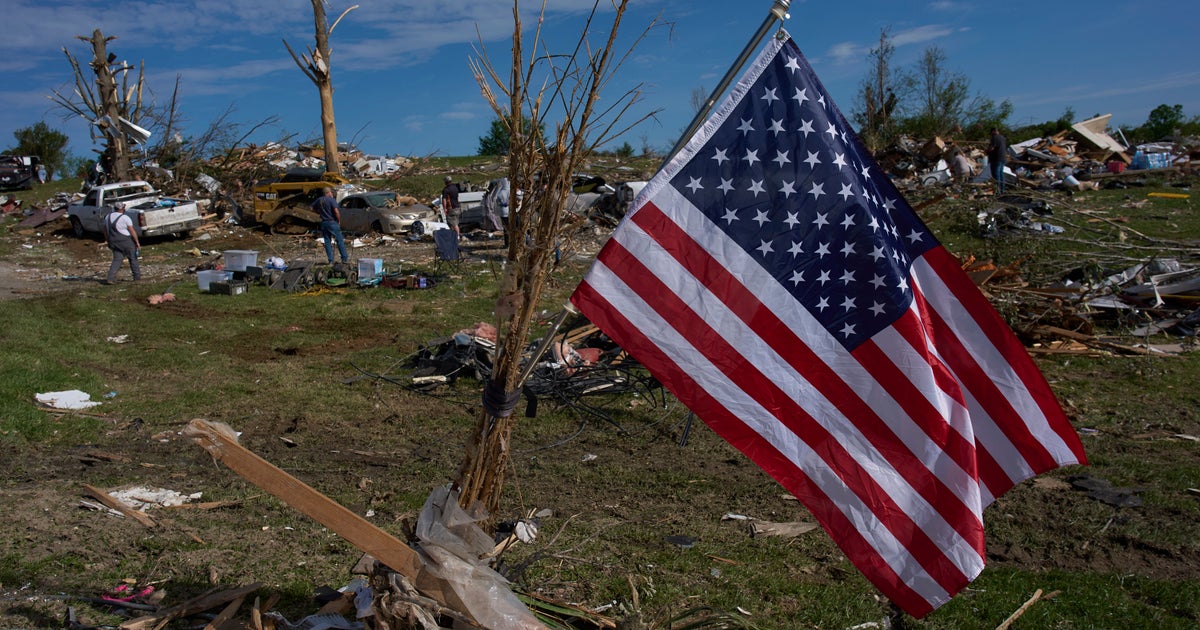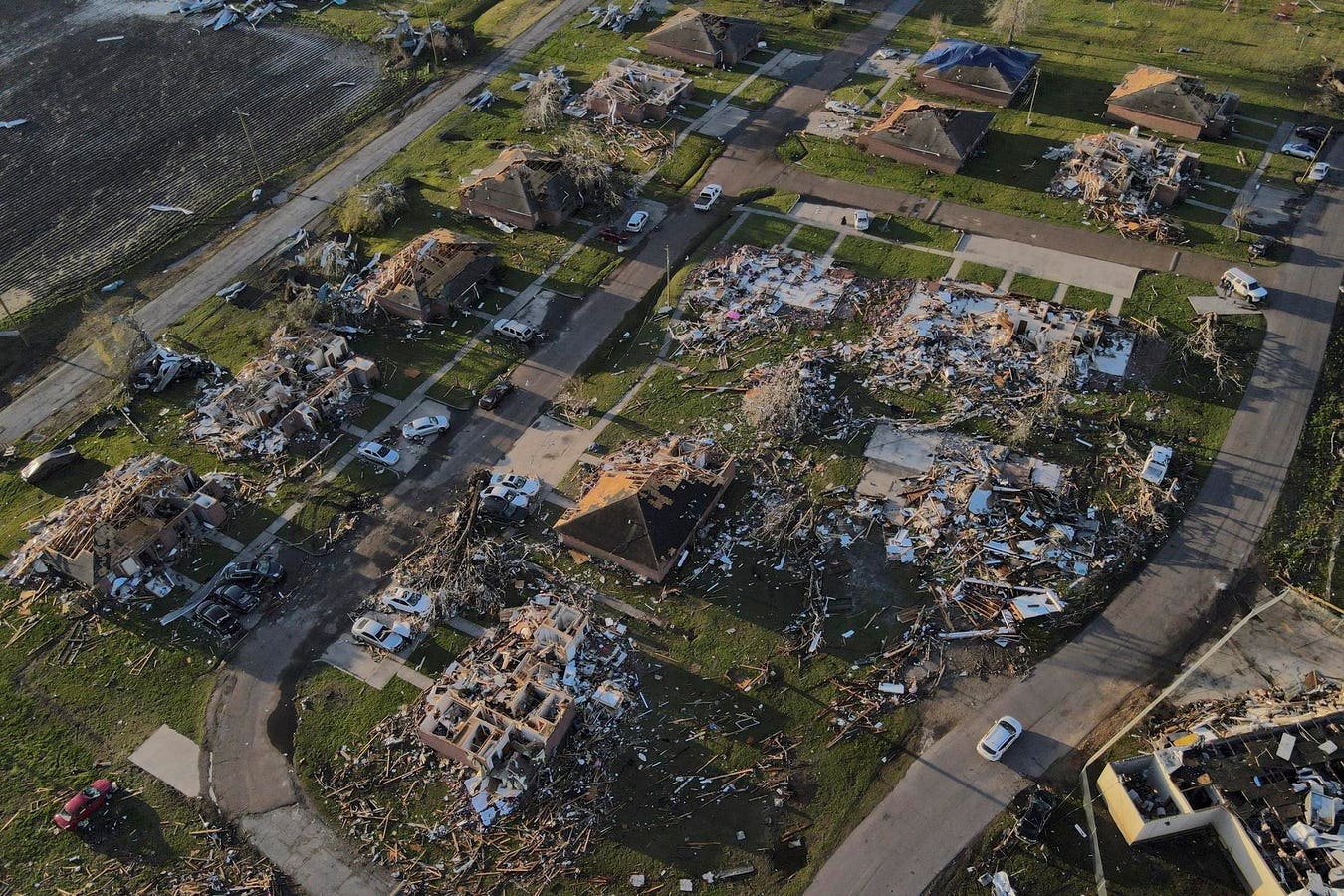
Damage is seen on properties in Rolling Fork, Miss., where three days earlier a tornado ripped through the town, Monday, March 27, 2023, in Rolling Fork, Miss. (AP Photo/Julio Cortez)
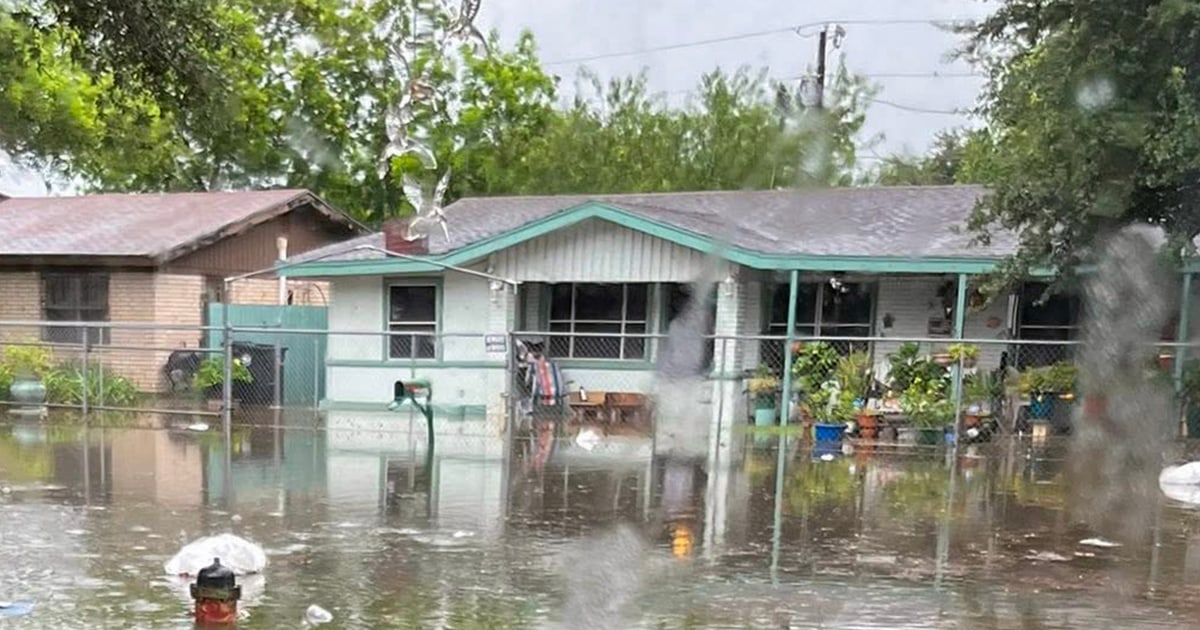
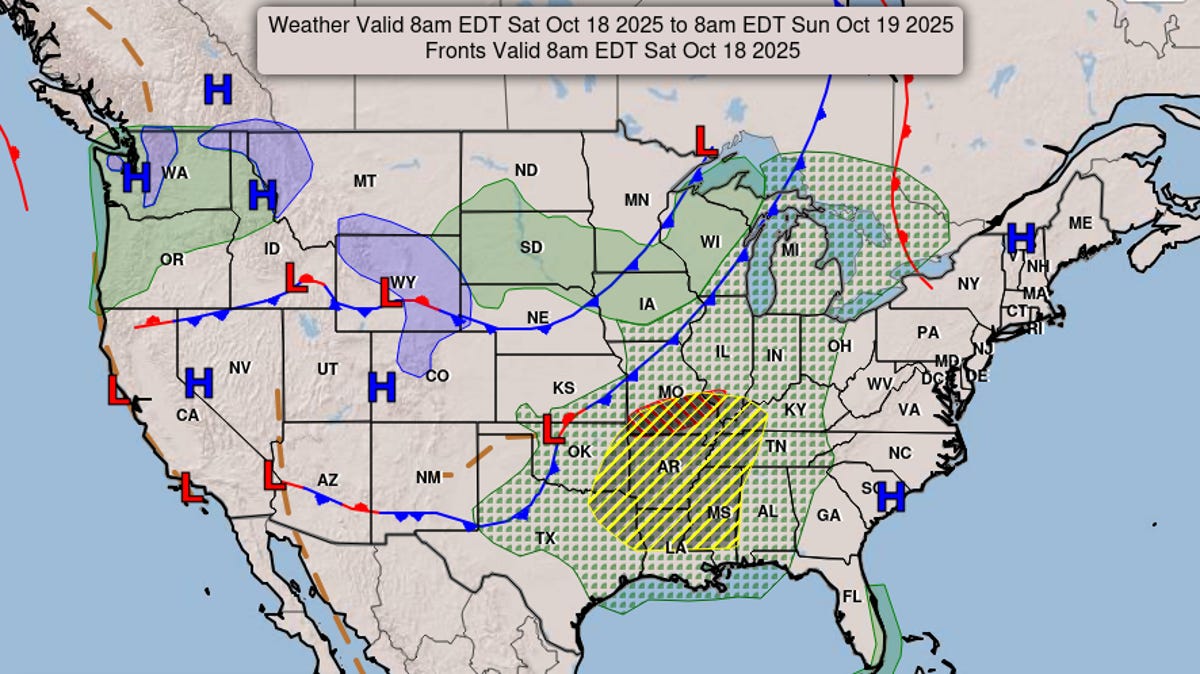
Late spring and summer offer a host of weather hazards that disrupt families. In 2026, tornadoes and other severe storms have ravaged the Midwest and Southeast. Tropical Storm Arthur caused historic flooding in Louisiana, and the peak of hurricane season is still months award. Much of the eastern half of the United States is about to endure a brutal heatwave with heat index temperatures potentially reaching 100 to 110 degrees Fahrenheit. Heat kills more people in the U.S. each year than any other weather hazard, according to the National Weather Service, but the public often treats it differently than a tornado or hurricane. Cumulative effects of extreme weather events disrupt families, the economy, national security, and more. As with many things, some communities disproportionately suffer more from extreme weather outcomes. A new book explores the intersections of weather, culture, risk, and communities.
The book is called “Protect The House: Weather Doesn’t Discriminate But Impacts Do.” It is written by first-time author and Mississippi native Jamese Sims, an atmospheric scientist and assistant professor of meteorology at Jackson State University. Scholarly studies have consistently shown that everyone in a community is exposed and affected by tornadoes, ice storms, heatwaves, floods, and hurricanes. However, communities of color, people living in poverty, the elderly, and children are disproportionately vulnerable because they often have lower incomes and less resiliency to withstand or bounce back from the event. Hurricane Katrina (2005) is still the poster child.