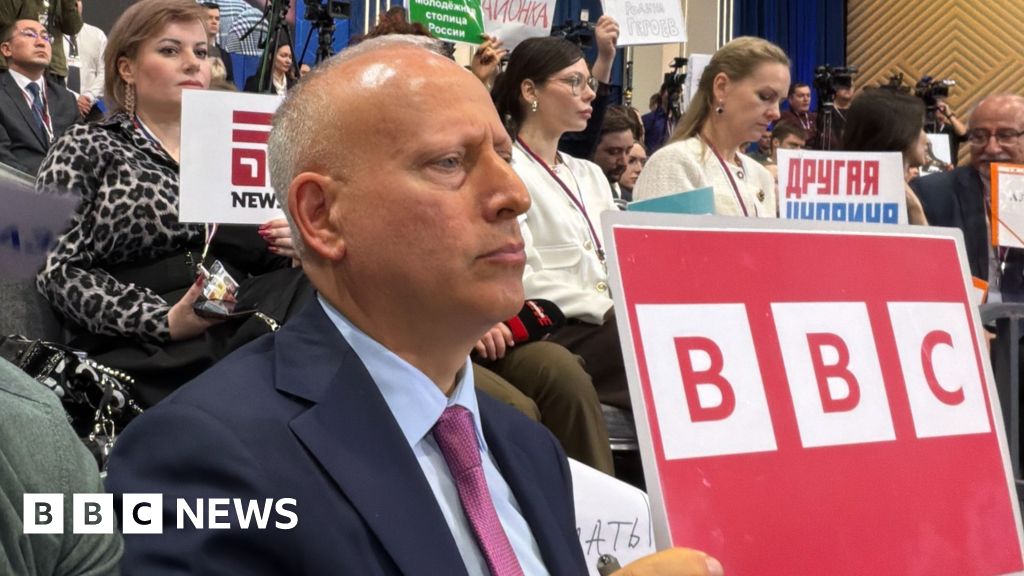
The BBC’s Steve Rosenberg does a superb job. If the reader doesn’t follow his work, they really should. He doesn’t just get Russia; he likes it, which is refreshing in the current information climate.
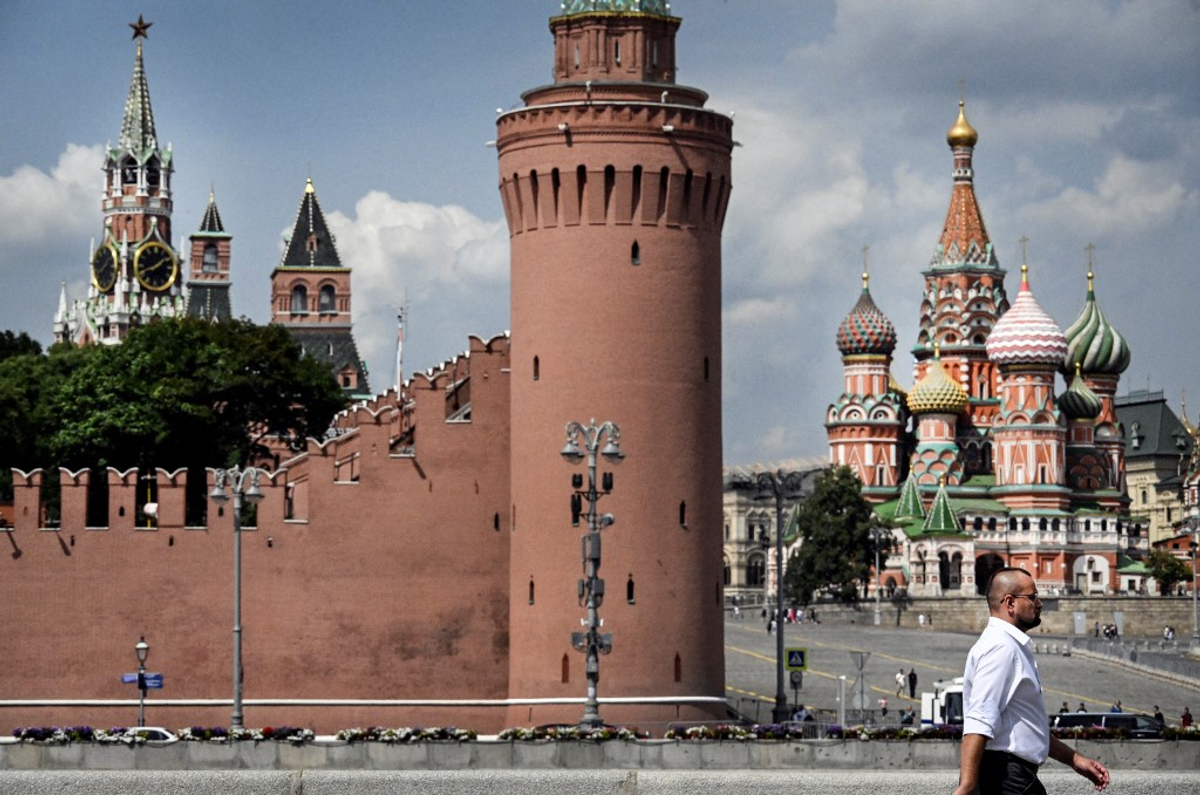
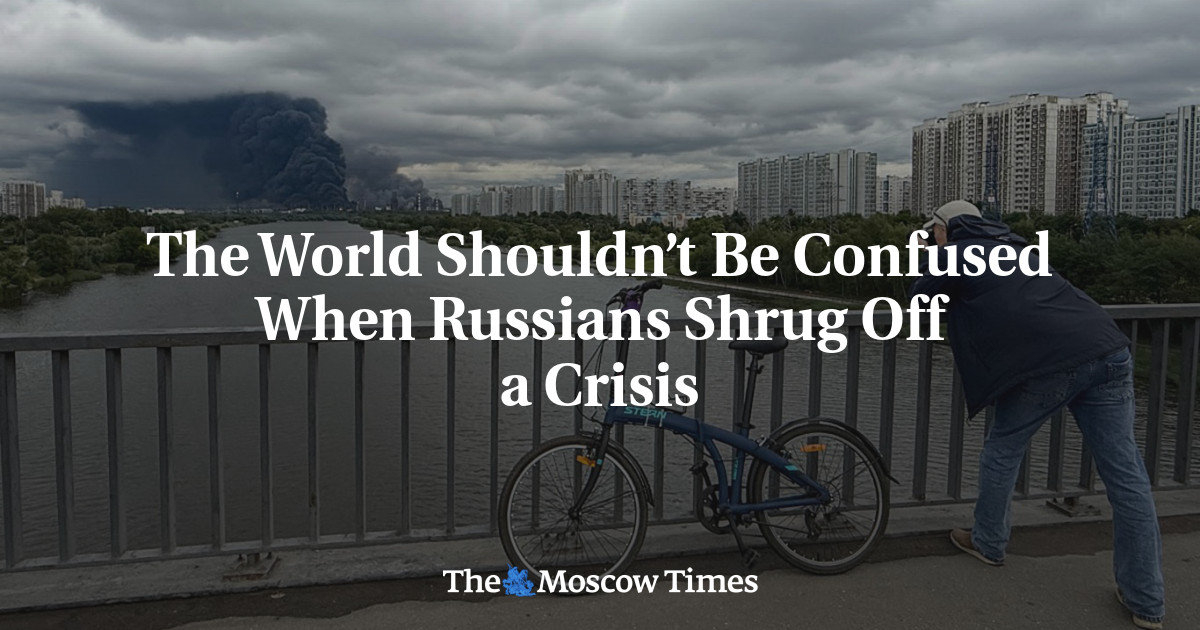
More refreshing was how Rosenberg admitted to being perplexed by the indifference of locals following Ukraine’s drone attack on a Moscow oil refinery. As images of black clouds engulfing the city hit our screens to tell us Ukraine is turning the tide and that Russia’s economy is in the death zone, most Muscovites shrugged and carried on.
“I realized then that my sense of what's normal in Moscow and what's not needed updating,” Rosenberg wrote. He echoed most of the expert community. But unlike him, many of them are hellbent against updating their understanding.
Many of us still in (or regularly visiting) Russia weren’t that surprised by Moscow’s “meh.” A tornado in the Urals shocked more people the following week, as did the football World Cup. And it isn’t just because this happened in a quiet southeastern suburb.
Two things we mustn’t forget tell us a lot. First, a number of major cities have faced high-profile attacks or tragedies in recent decades: the Crocus City Hall attack, the Volgograd train station suicide bombing, the St. Petersburg metro bombing, the Kemerovo shopping mall fire, not to mention the 1999 apartment bombings shortly before then-Prime Minister Vladimir Putin became president. Since 2022, many smaller cities and regions have been hit by drones, notably in the largely forgotten Operation Spider’s Web attacks.