By
Updated on: June 29, 2026 / 9:45 AM EDT
/ CBS News
Add CBS News on Google
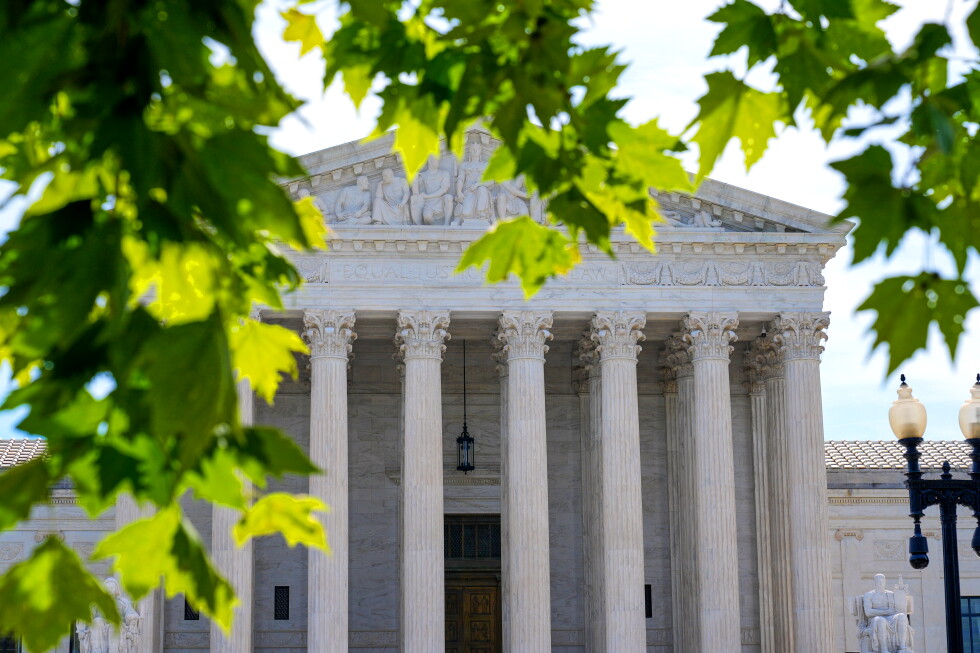
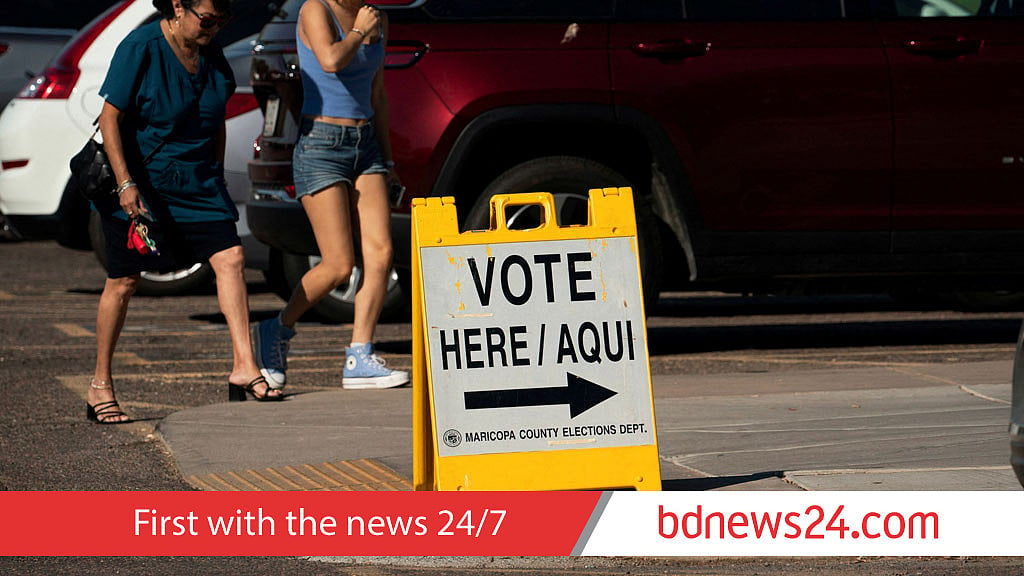
Washington — The Supreme Court on Monday agreed to decide whether federal law bars Arizona from imposing tightened voting rules, including a measure that requires documentary proof of citizenship to register to vote on a state form.The case sets up a high-stakes dispute over the state's efforts to tighten its voting requirements. It is a crime for non-U.S. citizens to vote in federal and state elections, but some states have sought to implement new restrictions aimed at ensuring noncitizens are not on their voter rolls amid claims of election fraud by President Trump.The dispute before the Supreme Court involves two Arizona laws that were adopted by the state legislature after the 2020 election. The first requires prospective voters who are registering to vote on a state form to provide proof of citizenship, and the second involves procedures for state election officials to review voter rolls and cancel the voter registrations of noncitizens.Prospective voters can also register using a federal form, which does not require proof of citizenship. In Arizona, applicants completing the federal form that do not provide citizenship proof may be registered as voting in only federal elections, but are not eligible to vote for president or by mail. There were more than 19,000 Arizonans who had not supplied proof of citizenship and were registered as "federal-only" voters as of July 2023, according to court records.After the measures were approved by the Arizona legislature, the Democratic National Committee, the Arizona Democratic Party and nonprofit organizations filed lawsuits seeking to block their enforcement. The plaintiffs argued that the provisions violated or were preempted by the National Voting Registration Act, as well as a 2018 consent decree between Arizona's secretary of state and the Maricopa County recorder.A federal district court said election officials could not reject state voter registration forms that lacked proof of citizenship, citing the consent decree, and ruled that under the NVRA, Arizona could not systematically cancel voter registrations within 90 days of a federal election.The U.S. Court of Appeals for the 9th Circuit considered the district court's earlier injunction and last year, it went on to uphold that order barring enforcement of Arizona's voter-registration laws. A divided panel of judges on the 9th Circuit agreed that the proof-of-citizenship requirement for prospective voters registering for federal elections on the state form violates the National Voting Registration Act, and said the requirement for county recorders to reject state-form applicants without citizenship proof violates the 2018 consent decree.