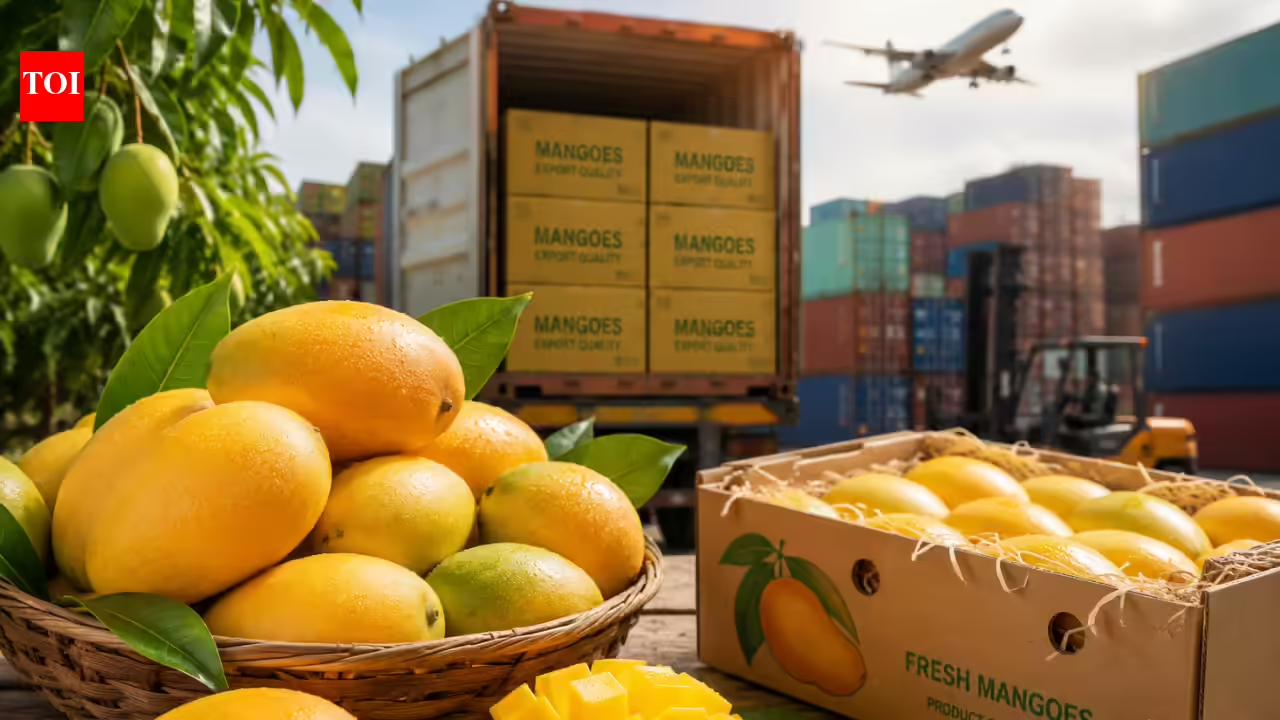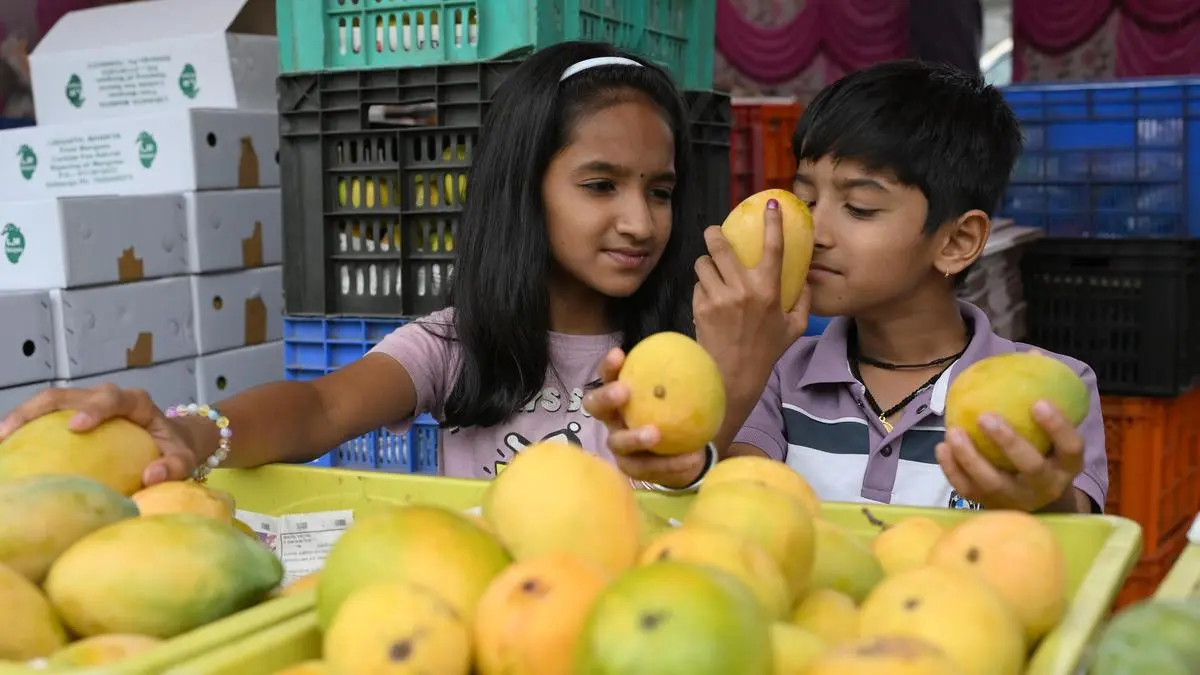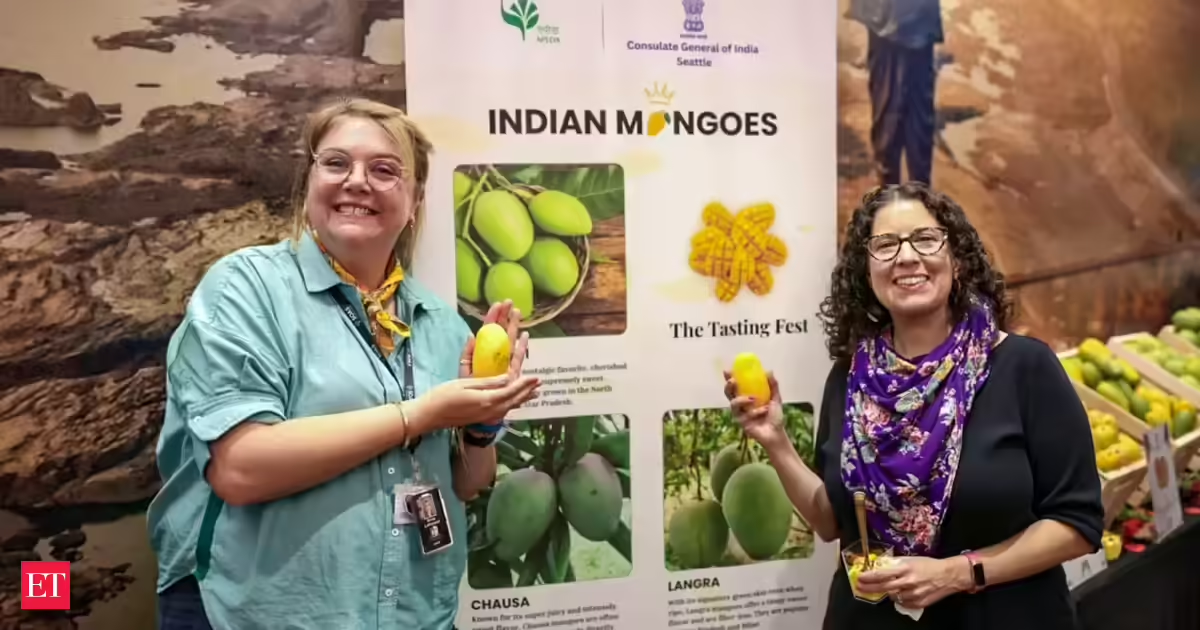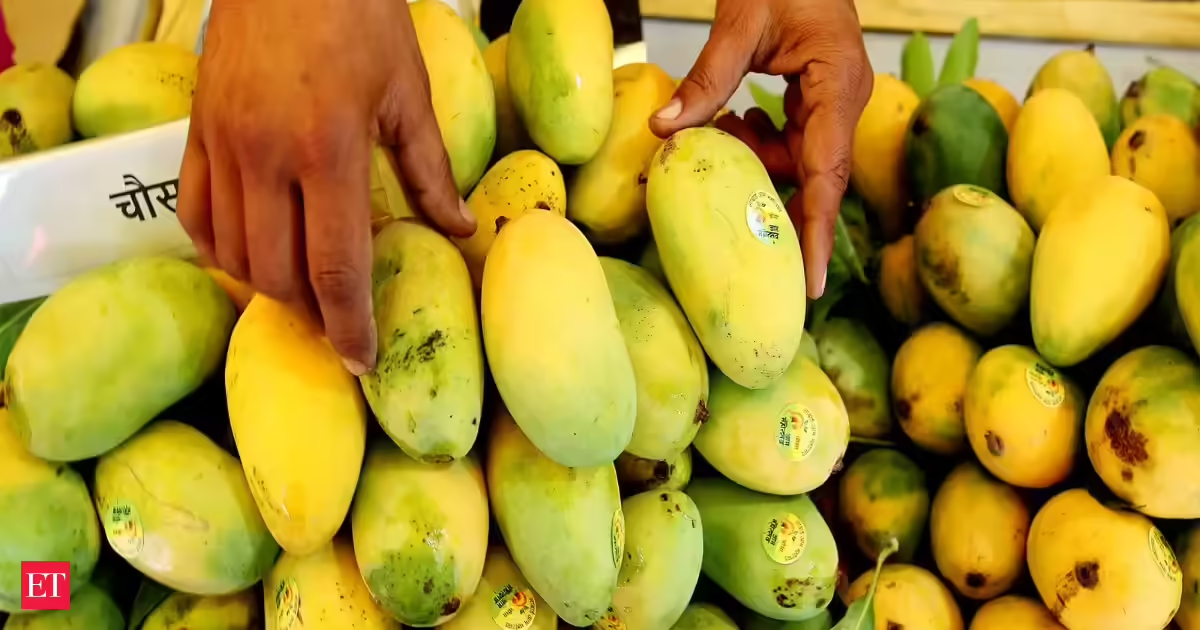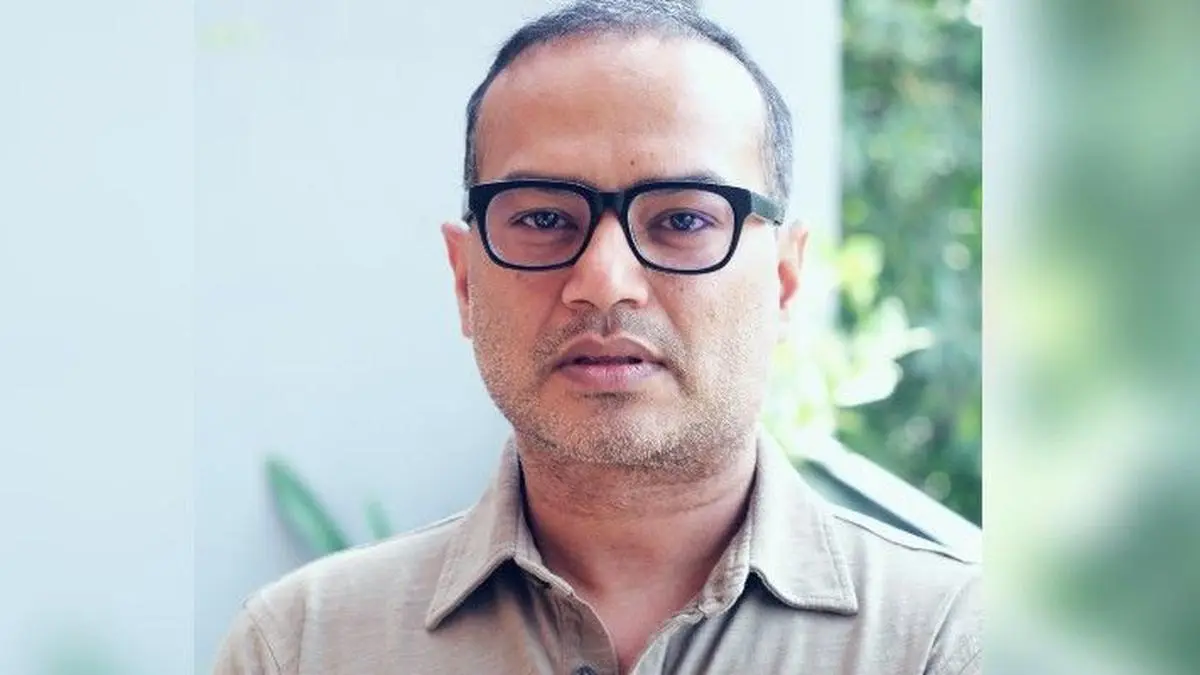
Superplum, an Indian fresh produce brand and agtech company that leverages technology, data, and an integrated farm-to-fork supply chain, plans to export special Indian fruits such as mangoes and lychees, said Shobit Gupta, the founder and CEO of the company. “India grows half the world’s mangoes. But its share in the global trade is 0.4 per cent. Over the next few years, one large objective for us is to get products that India grows very well, mango, lychees, etc., to the international customer,” he told businessline in an online interaction.Though export of Indian mangoes, particularly to Japan, is facing problems, the company’s founder and CEO said he sees it as an opportunity for Superplum.“If you do things properly, a lot of consumers or retailers internationally are not even aware of the quality and the flavour of Indian mango. These are products that India grows very well, but are not part of global trade,” said Gupta, adding that India is underserving itself by not being part of the global trade or retail channels. Modern supply chain“Same thing with fruits like lychees, of which India is the second largest producer in the world,” said Gupta who launched Superplum in 2019 to set up a modern supply chain for fresh foods in the country. “There is a real opportunity to set up a modern system, as in other countries. The opportunity is bigger as nothing of that sort exists in India. That was our objective to set up modern facilities, develop a complete core chain and modern processes,” he added. Most of Superplum’s business is domestic, spread across 24 states and business-to-business (B2B). “We distribute mangoes, peaches and apples grown in the country. Our primary distribution is Delhi, Bangalore and Mumbai,” he said. The company is the largest buyer of fresh lychees in West Bengal, Bihar and Madhya Pradesh, besides dealing with produce such as grapes.Working with farmersSuperplum’s products are now being distributed across Hyderabad, Chennai and Chandigarh. The company has 40 clusters across the states, depending on the fruit of the season. The facilities are flexible and move around. It also has transport systems and distribution centres in the large cities. Superplum has not entered into any contract farming, though it works with farmers in certain regions, as food safety is important to it. “We have more than 25 fruits, out of which 11 are different types of mangoes. So we work across 8 states for mangoes from January to August,” said Gupta.The company deals with a lot of cherries from Kashmir all the 12 months in the year and distributes it across the country.It has procurement teams that visit farmers before and after the season. They track farm quality, product quality and output, he said.Direct procurementThe company procures directly from farmers during the season. Farmers are graded right from the flowering season and then the pruning. It has 6,500 farmers in its system and does intensive analysis of the farm on its quality, management and project. As Superplum prioritises food safety, it maintains a shortlist of 1,700 farmers for whom it has clarity on the safety precautions they take and the pesticides or insecticides they spray. Since Covid, the demand for premium produts has been growing, not just fruits. It is evident from the demand for imported fruits, which is increasing 20-25 per cent annually, he said, adding that the domestic fruit sector is growing at 5 per cent a year.With consumer acceptance being high for quality fruits, there is ample room to grow, said Gupta, adding that it was the main reason why the company decided to build the whole supply chain from scratch. Superplum developed its supply chain to optimise quality and lower wastage. “Whether it’s putting cooling systems and sorting systems right at the farm, we pick the right quality and the wastage in the system is lowered down the line. We make sure we’re picking the right quality product, clean, sorted and cooled as soon as possible,” said the company’s founder and CEO.Value-additionThe company is in talks with quick commerce companies to promote its products. Though it is early, it is seeing good traction on the quick commerce front. On value-addition as a solution, Gupta said while Superplum is lowering wastage, value-add is something it is looking at to include core products. On the climate change issue, the Superplum founder and CEO said that weather extremes are increasing. “That’s one part of the reason we are working more closely with farmers in many areas to make sure we can deal with these situations,” he said. It is also the reason why the company has introduced total traceability as every pack comes with a QR code, which provides information on pesticide residue tests, besides the whole journey from the farm to the retail shelf.Published on June 29, 2026
Fresh produce brand Superplum plans export of mangoes, lychees
Superplum aims to export Indian mangoes and lychees, enhancing global trade with modern supply chain solutions and farmer collaboration.
800 words~4 min read