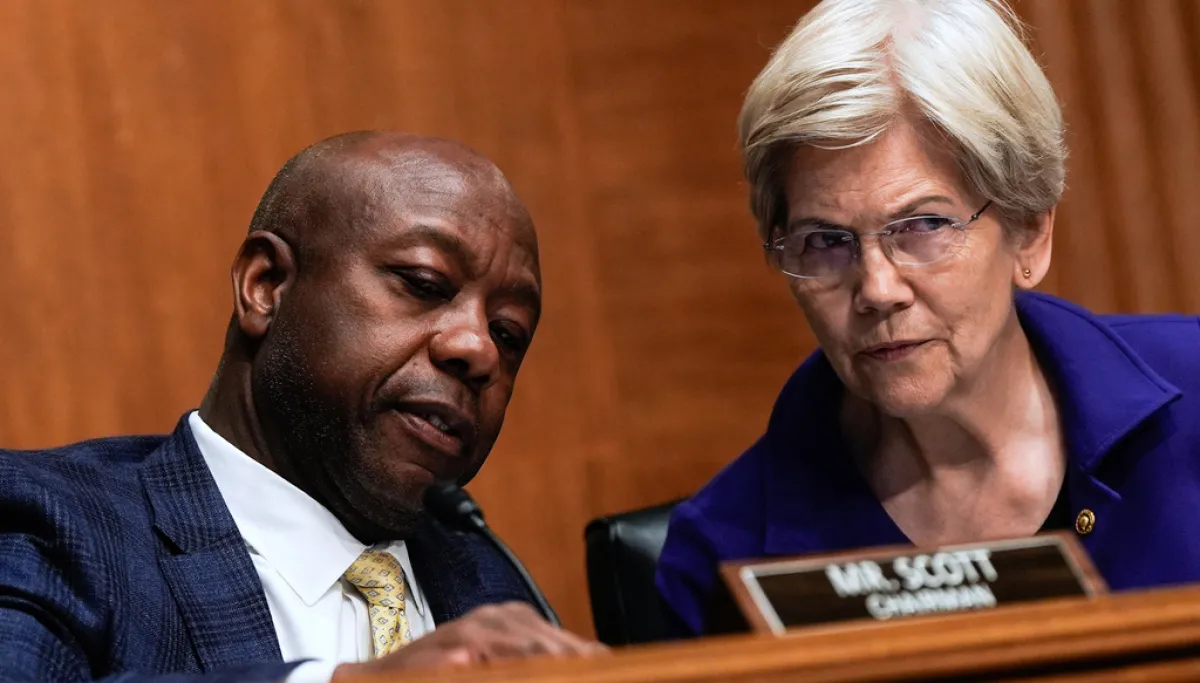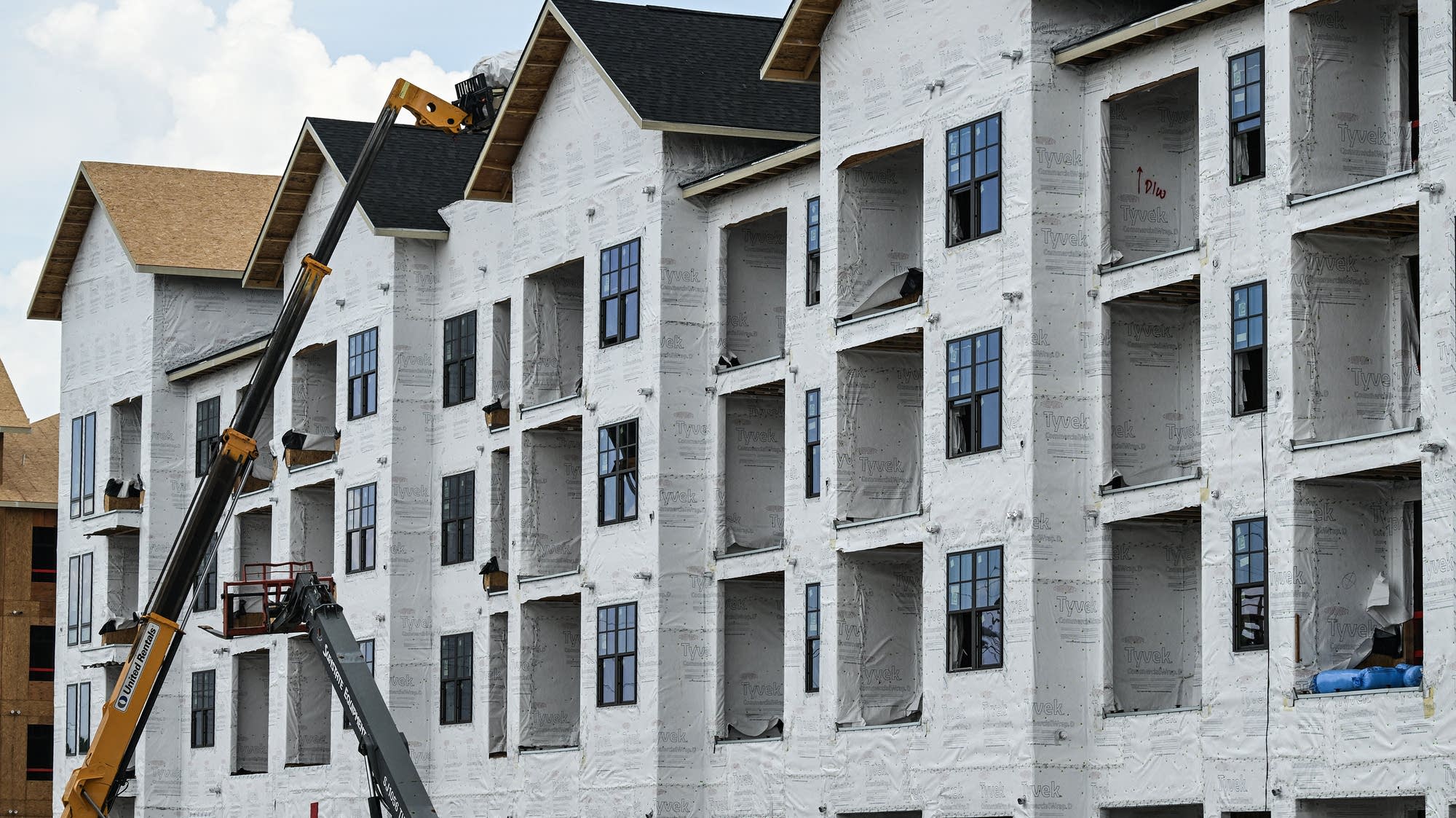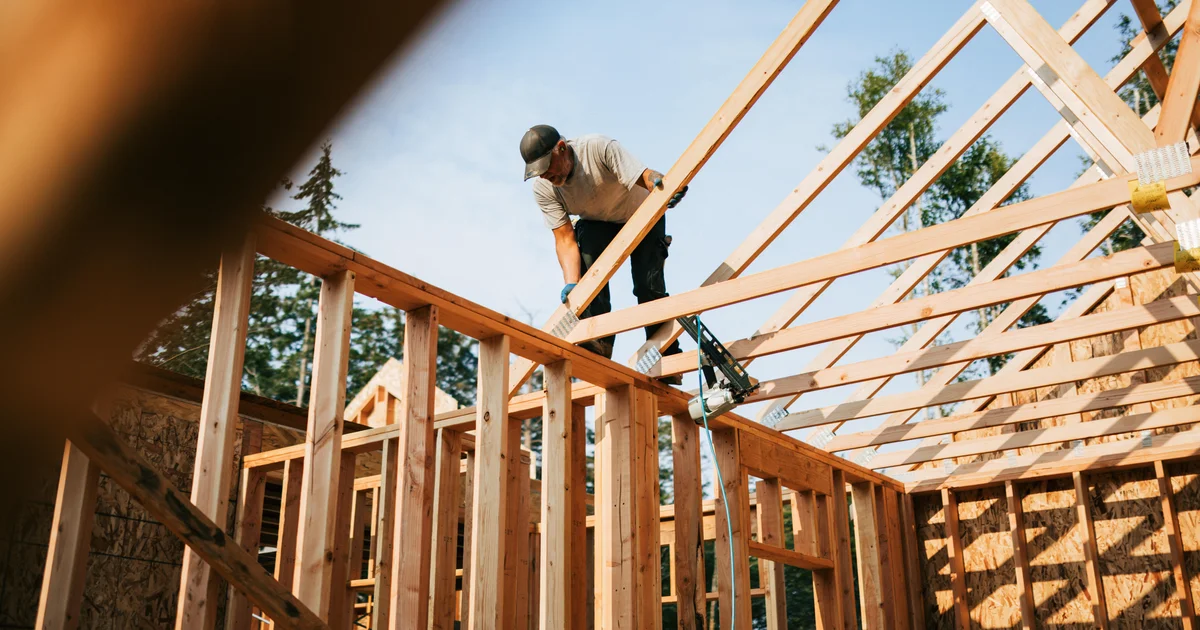
When President Donald Trump dialed Elizabeth Warren back in January to talk housing, she almost didn’t pick up because she didn’t recognize the number. This president cold-calling one of the Senate’s most prominent progressives is itself highly unusual. Even more extraordinary is the result: bipartisan passage of the 21st Century ROAD to Housing Act. The United States needs an estimated 4 to 5 million additional homes. As long as that deficit persists, homeownership, the primary vehicle for middle-class wealth accumulation, recedes further from reach. Young workers are priced out of opportunity, families delay buying homes and having children, and the gains from rising home values increasingly accrue to those who already own property.The recent political achievement deserves acknowledgment. But the ROAD Act mistakes America’s housing shortage for a failure of federal program design when the real obstacles are local land-use rules and federal cost mandates that make building expensive. Exclusionary zoning, Davis-Bacon prevailing wages, and costly energy mandates are not incidental to “the housing crisis.” They are the crisis. The bill is best understood, unfortunately, as selective deregulation wrapped in an expansion of administrative discretion.
The ROAD Act is a detour to housing affordability, not a solution
Until Washington makes building easier, the families priced out of the market will keep waiting while the federal bureaucracy keeps growing.
882 words~4 min read