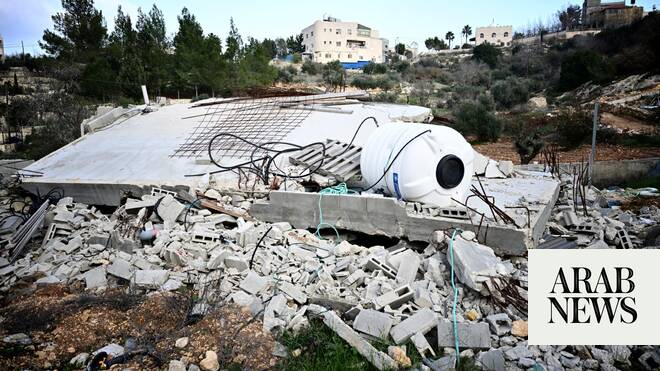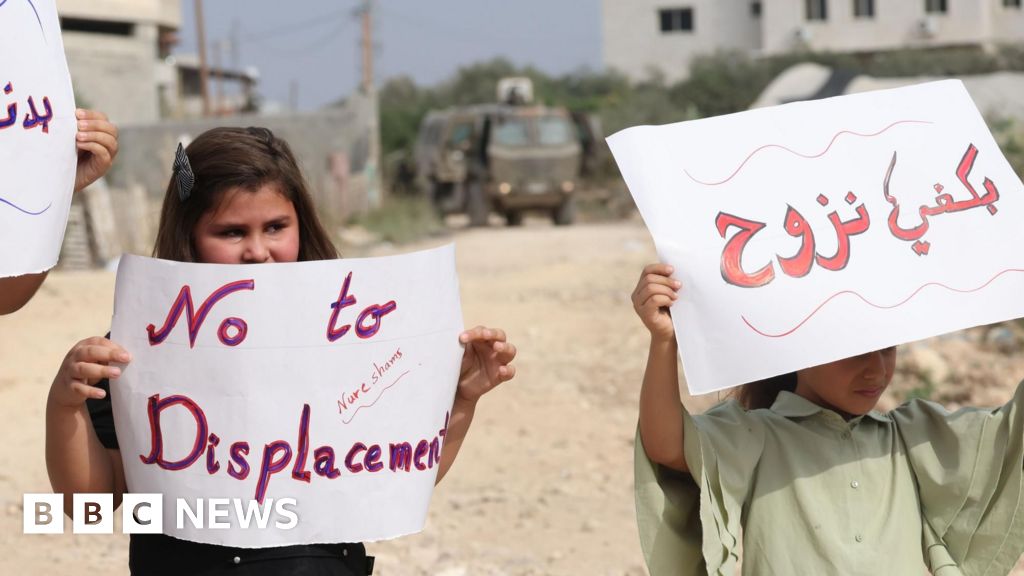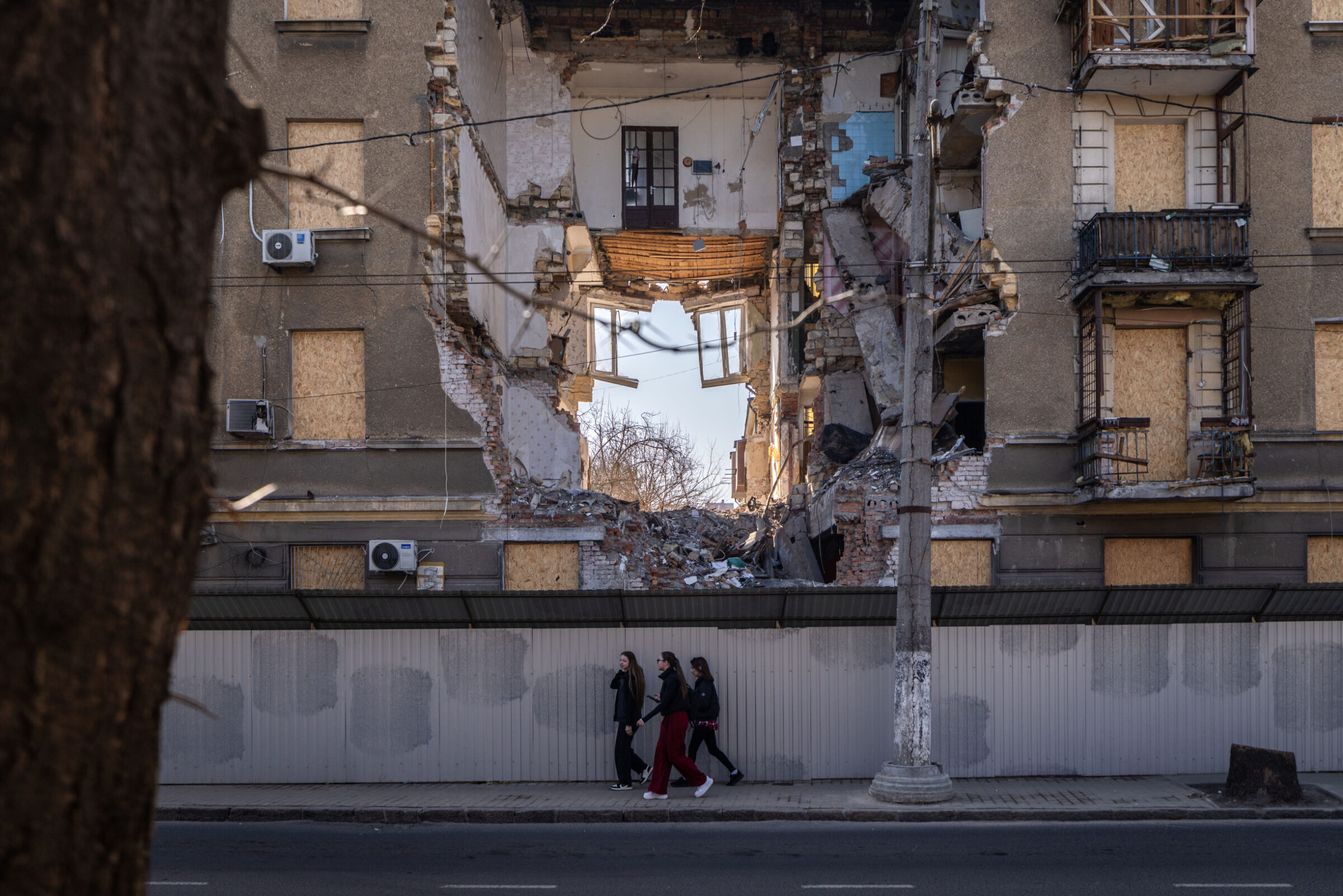
Yevhen, Kristina, and their children welcomed 2022 in their newly-renovated apartment in eastern Mariupol in Ukraine.
Just weeks earlier, they had finally paid off the mortgage they had carried for 11 years. The family had little time to enjoy the home they had worked so hard to build.Two months later, Russia’s full-scale invasion of Ukraine forced them to flee the besieged city. During the attacks that followed, their apartment building was damaged. Then, at the end of 2025, they learned that the Russian occupation authorities had declared their apartment “ownerless.”As Human Rights Watch recently found, Russian authorities in occupied areas of Ukraine label homes “ownerless.” That allows authorities to transfer them into municipal ownership by Russia-installed courts and redistribute them, including to new residents holding Russian passports. This sham process violates international law on occupation and international human rights law.The only way for owners of homes in occupied territories to avoid seizure is to re-register their property under Russian law by July.
Russian passport required
But in practice, this is impossible without first obtaining a Russian passport. The message to Ukrainians is clear: accept a Russian passport and comply with the occupier’s rules, or forfeit your home.Properties can also be confiscated for unpaid utilities and alleged safety risks linked to nonuse. But in practice, the lack of registration remains the decisive factor.