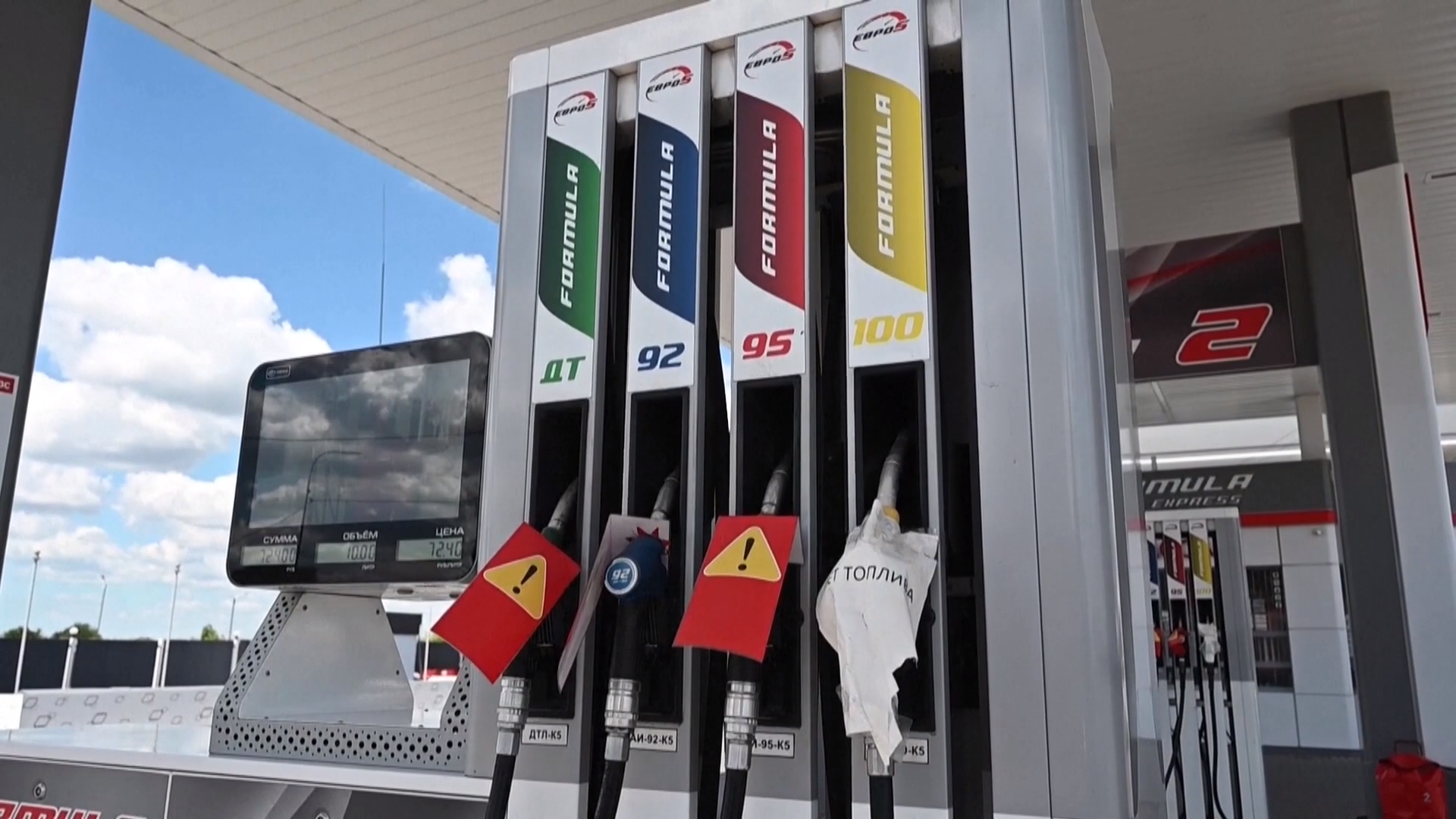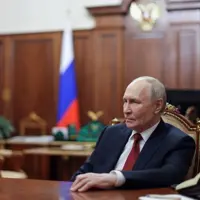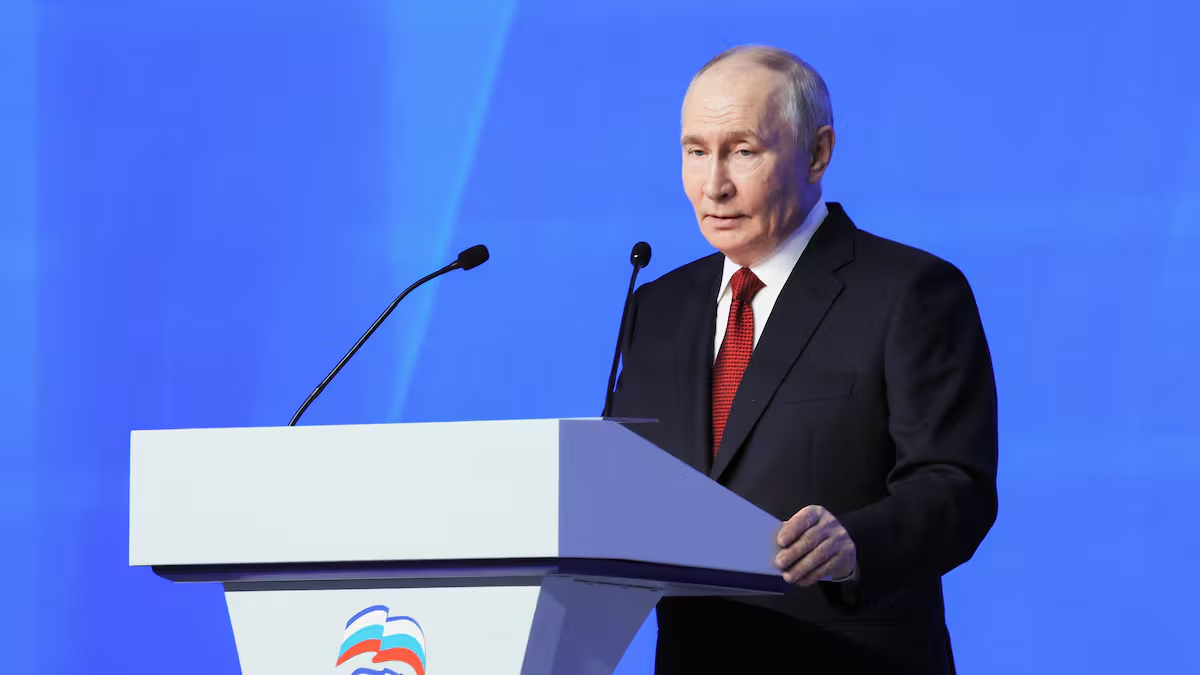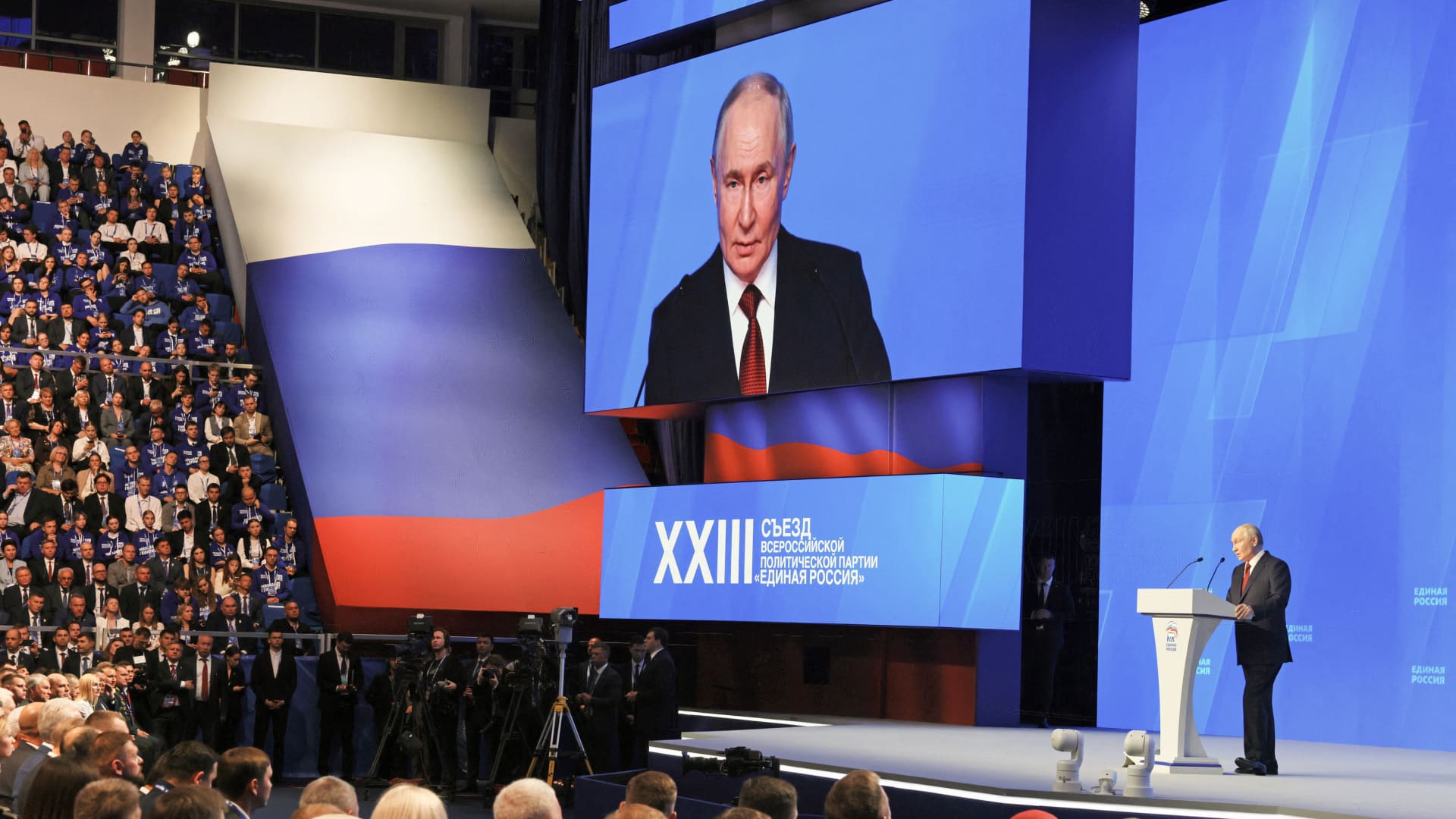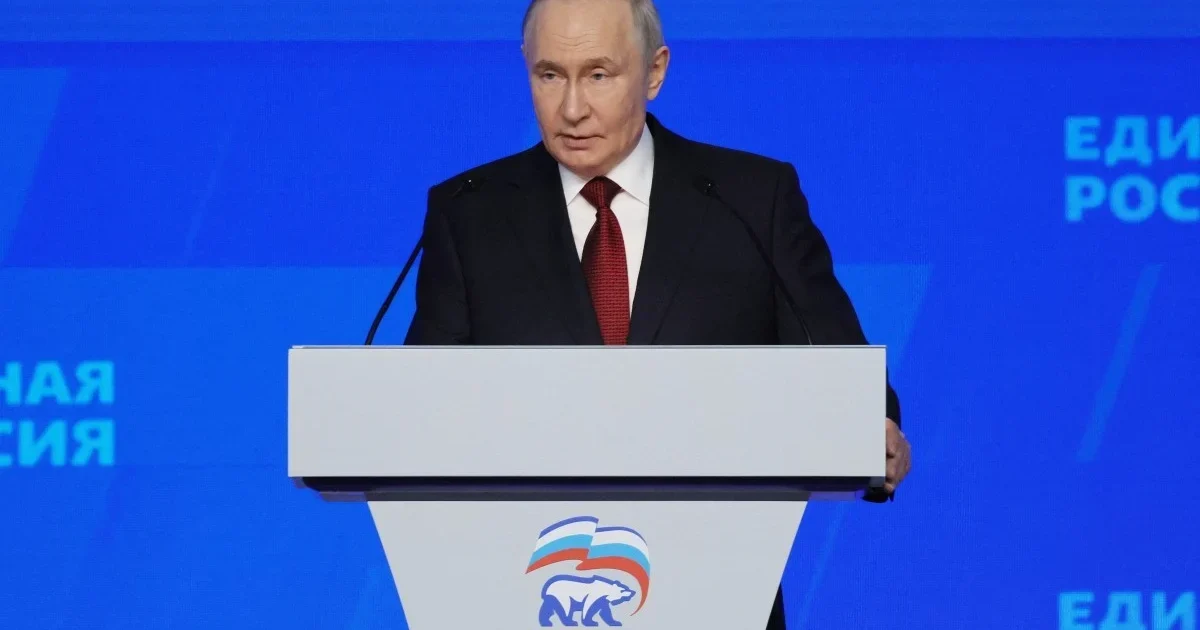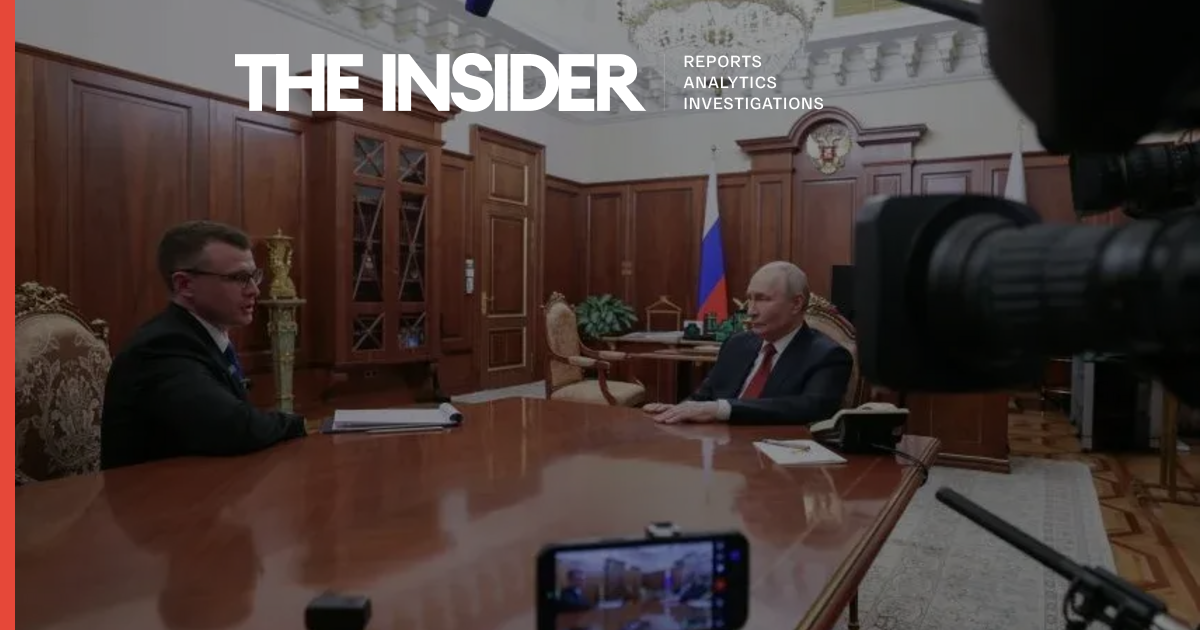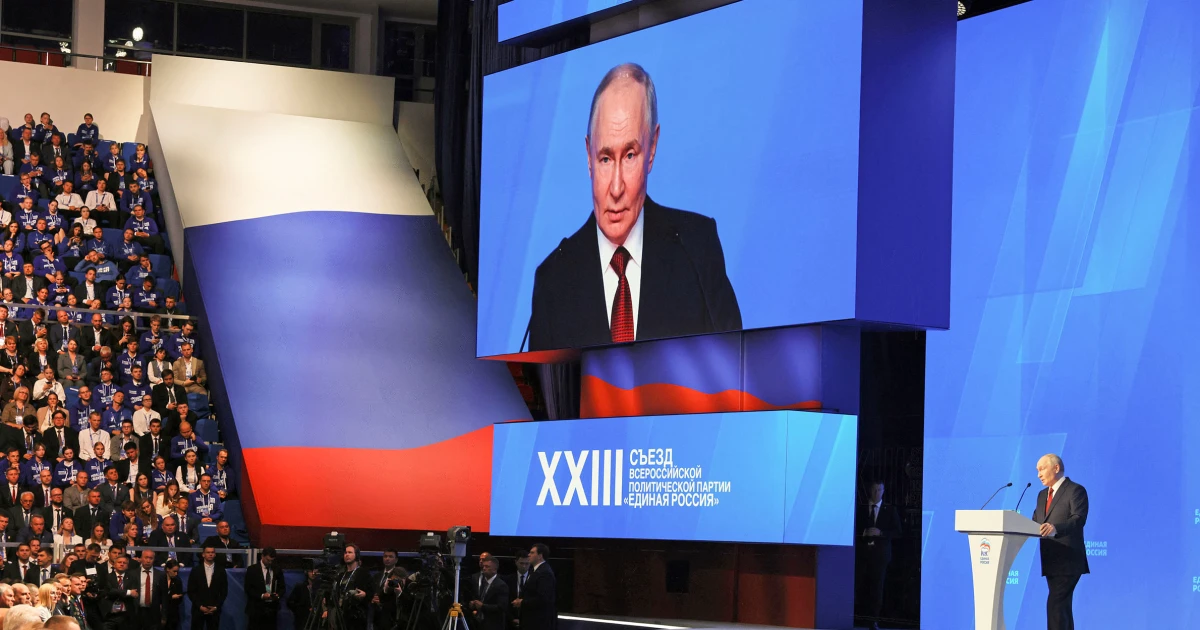
June 29, 2026, 9:08 AM EDT / Updated June 29, 2026, 9:10 AM EDTBy Elmira AliievaRussian President Vladimir Putin acknowledged for the first time Sunday that Russia is facing fuel shortages following a wave of Ukrainian attacks deep inside the country. Putin said a task force was working to alleviate the issue, which has grown into a serious crisis as the Kremlin grapples with simmering discontent on a range of issues. Moscow must now also content with the renewed engagement of the United States, with President Donald Trump offering public praise for Kyiv’s efforts.01:04“These attacks on our infrastructure facilities do create problems, that is obvious,” Putin said in an interview with a state TV reporter, which marked the first time he publicly addressed the toll Kyiv’s campaign has taken on Russia’s energy sector. But while Russia was “currently seeing a certain shortage” of fuel, he said, “the problems that have arisen are not of a critical nature.”The comments came after the Russian leader chaired a meeting with government officials on Sunday, where he discussed the situation with fuel distribution and said a ban on diesel exports was under consideration. Black smoke billows from the area of Gazprom Neftâs Moscow oil refinery, on the outskirts of Moscow, on June 18, following what the Russian capital's mayor described as a large scale drone attack by Ukraine.Sefa Karacan / Anadolu via Getty ImagesIn the following interview with Russian state TV, Putin said that Russia’s immediate priorities were strengthening air defenses and maintaining fuel supplies, particularly to Crimea, the Russian-annexed peninsula that declared a state of emergency on Friday.Ukraine has intensified medium and long-range attacks on Russian energy facilities in recent weeks, sparking fuel shortages and miles-long lines at gas stations across the country — including in occupied Crimea, which Kyiv has increasingly sought to isolate with drone attacks. “We are going through a difficult period, but this has taught us a great deal, and allowed us to grasp the very essence of what it means to be a Russian citizen,” Putin said in a speech to the United Russia party congress earlier on Sunday. “Yes, we see the problems, we are aware of them and are responding to them, but we will certainly ensure the security of both the country and our citizens, as well as the inviolability of Russia’s borders,” he said. Signs reading "No" placed on fuel pump nozzles at a gas station in Yevpatoriya, Crimea on June 11, amid a fuel supply shortage.Alexey Pavlishak / ReutersThe timing of Putin’s busy schedule suggested a growing sense of urgency, as the Russian president rarely holds government meetings on Sundays.Last week, Ukraine launched what appeared to be one of its largest drone assaults since the start of the war, striking targets across 12 Russian regions, including Moscow and St. Petersburg, as well as Crimea. The strikes are Ukraine’s response to Russia’s near-daily attacks on Ukrainian civilian and energy infrastructure. They have also become an increasingly bold demonstration of Kyiv’s expanding capabilities, allowing it to project strength beyond the battlefield and increase pressure on Moscow to negotiate an end to its more than four-year war.Satellite image shows burning oil storage tanks producing heavy black smoke near Kerch in Crimea after recent attacks.Vantor / via Getty Images“We continue our operations that weaken Russia’s ability to wage this war,” Ukrainian President Volodymyr Zelenskyy wrote on X Sunday. Ukrainian Foreign Minister Andriy Sybiha said that Moscow should “respond to Ukraine’s serious proposals to sit down at the negotiating table and end the war.”“The longer Putin refuses to accept the reality that he will never achieve any goals on the battlefield, the worse things will get for Russia,” Sybiha wrote on X.Putin said that Ukraine had proposed a mutual halt to long-range strikes as a step toward peace, but said Russian forces would press ahead with their battlefield campaign.“The reason for such a proposal is obvious: our retaliatory strikes deep inside Ukrainian territory are far more powerful, more painful and, frankly speaking, more destructive, causing truly serious consequences for the Kyiv regime,” Putin said in a Sunday interview.He added that Ukrainian attacks were aimed at “diverting our attention and resources from the main task — the final liberation of Donbas and Novorossiya,” referring to the Donbas as well as the Zaporizhzhia and Kherson regions of eastern Ukraine.Despite Ukraine’s drone campaign taking a growing toll on Russia’s energy sector and logistics, the Kremlin’s forces are pressing forward toward Kostyantynivka. The city is a key stronghold in Ukraine’s eastern “fortress belt” that Putin has long sought to capture.Russian state media outlet TASS claimed last week that Russian forces had “gained full control” of Kostyantynivka’s eastern part and approached its northeastern outskirts.Kyiv has rejected claims that Kostyantynivka is being encircled and the Institute for the Study of War, a Washington-based think tank, said parts of the city have become a contested “gray zone,” with neither side exercising full control.Capturing Kostyantynivka would move the Kremlin closer to one of its remaining major war aims: seizing the entirety of the Donbas region. It would also be a timely propaganda boost given the pain that Ukraine has been able to inflict in recent months.
Putin admits fuel shortages after Ukrainian attacks
The Russian leader said a task force was working to alleviate the issue, which has grown into a serious crisis as the Kremlin grapples with simmering discontent on a range of issues.
860 words~4 min read