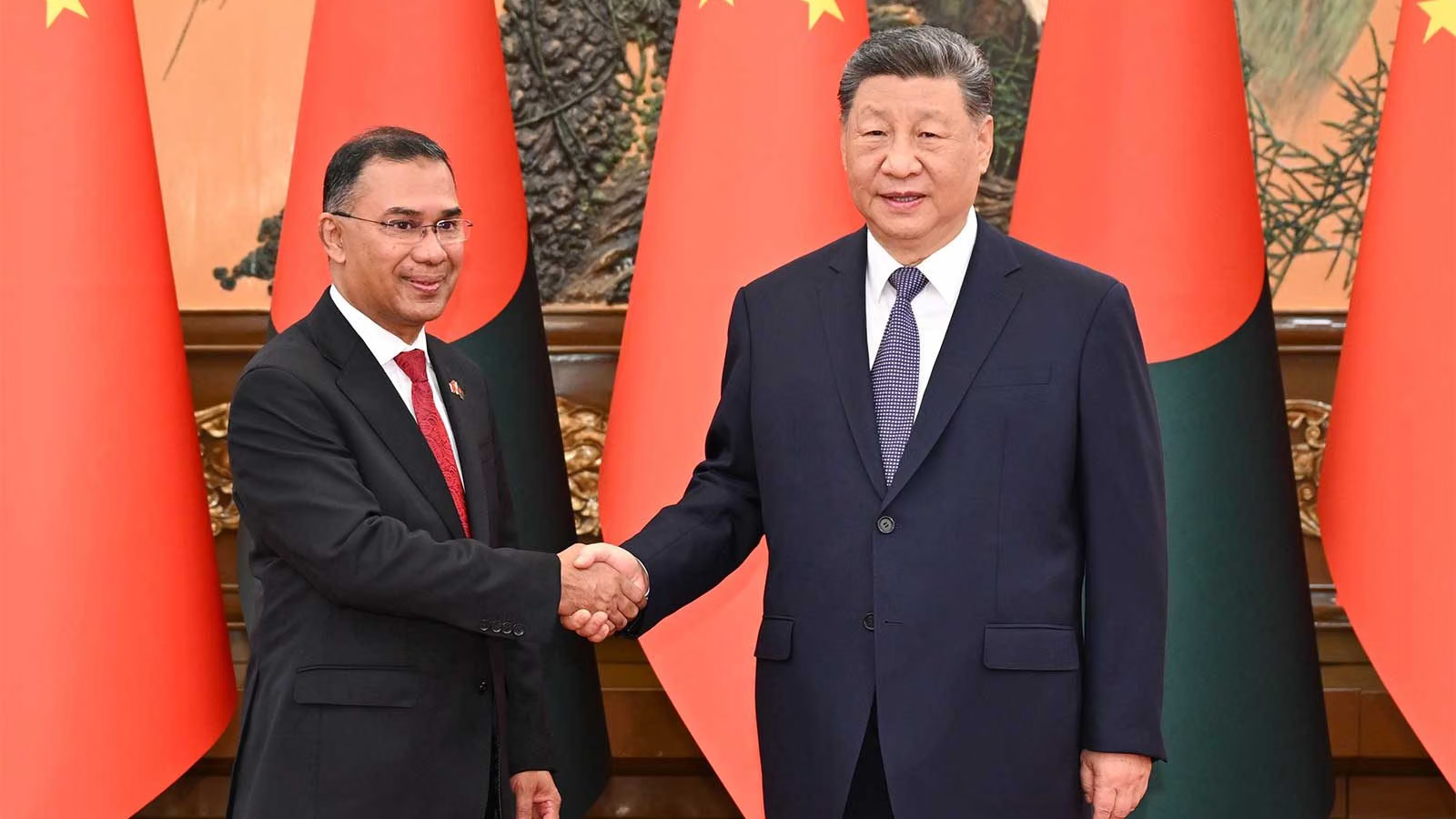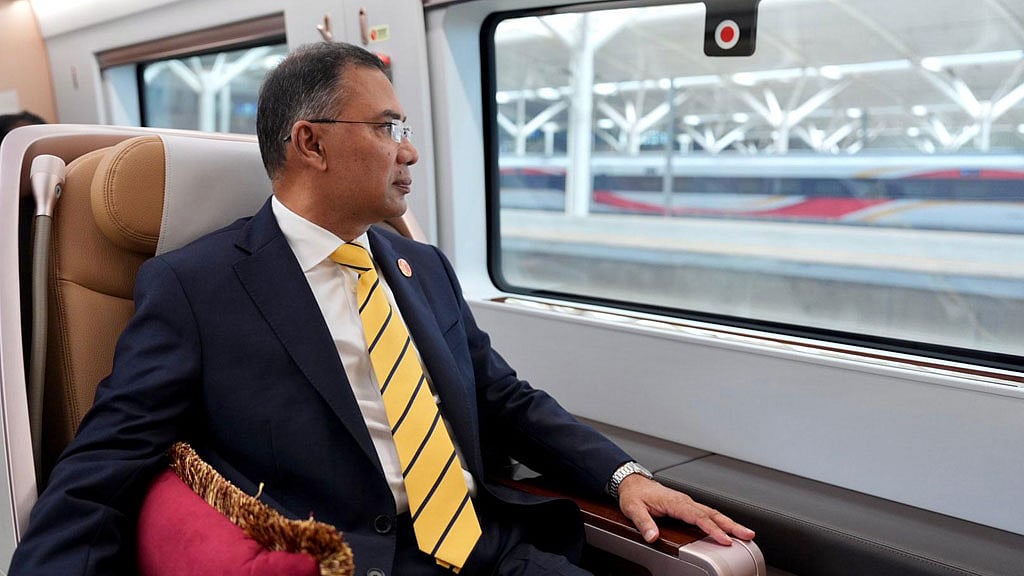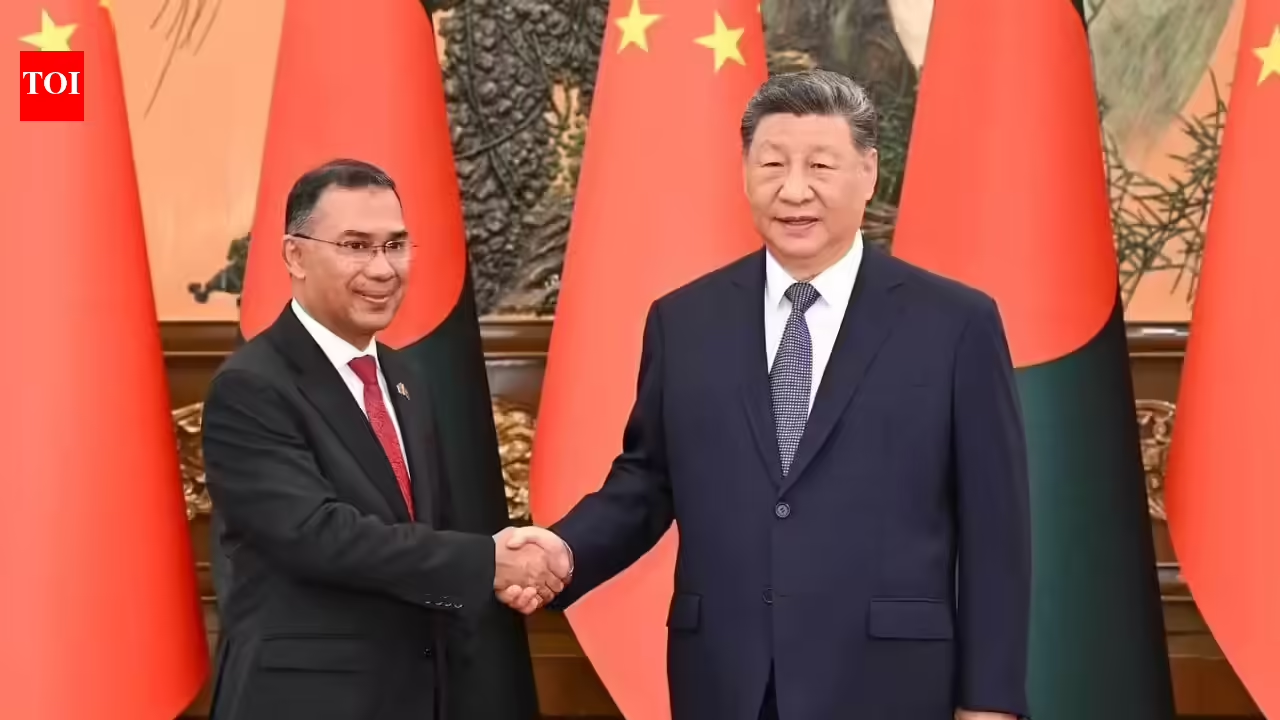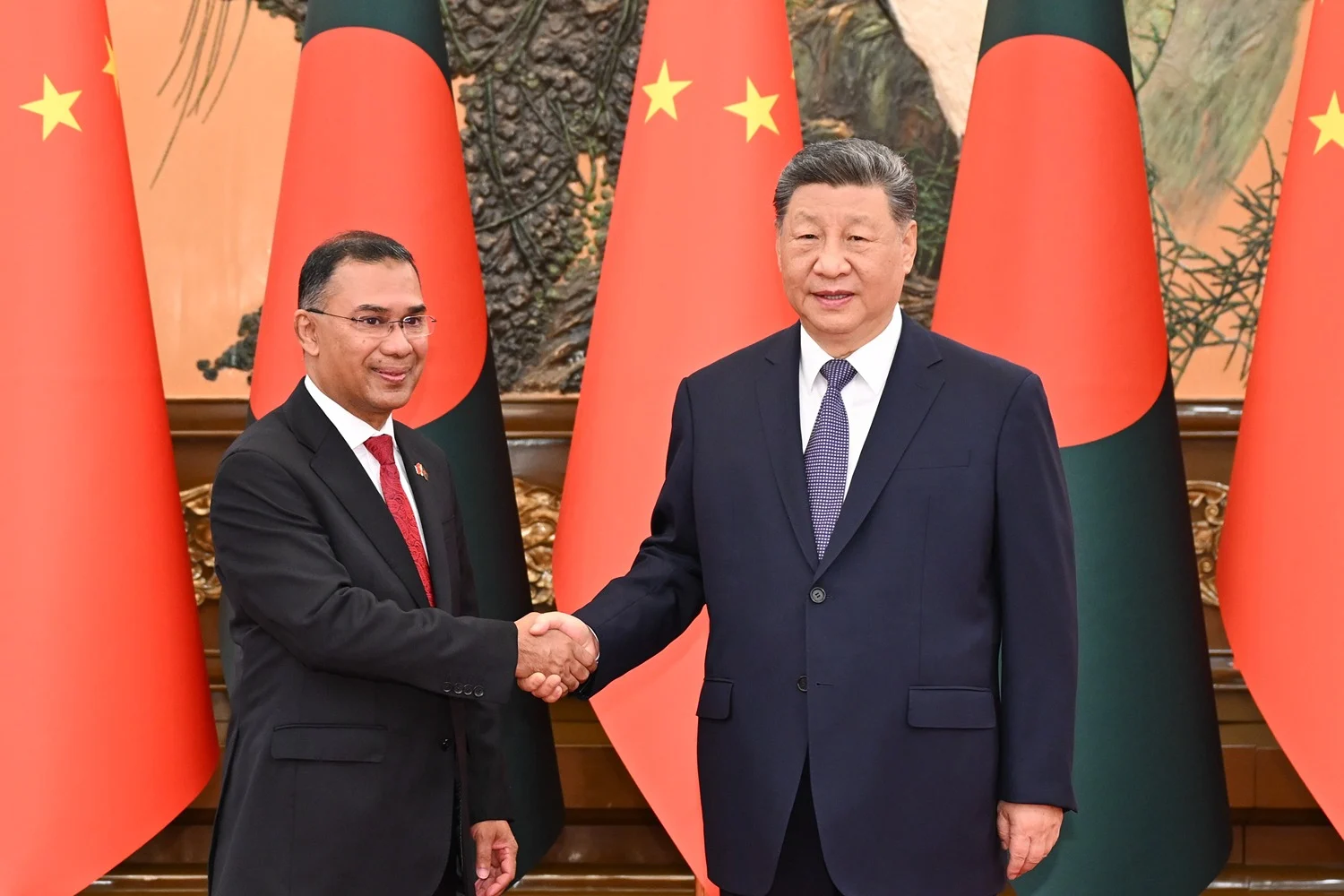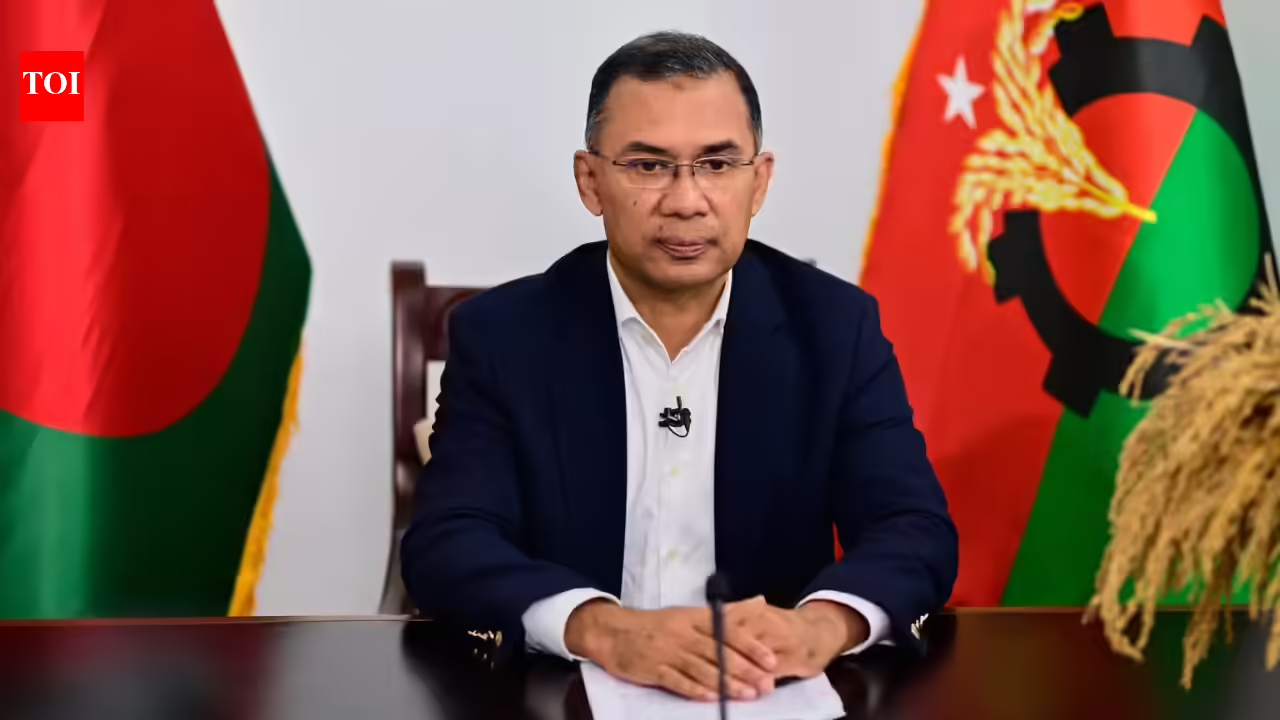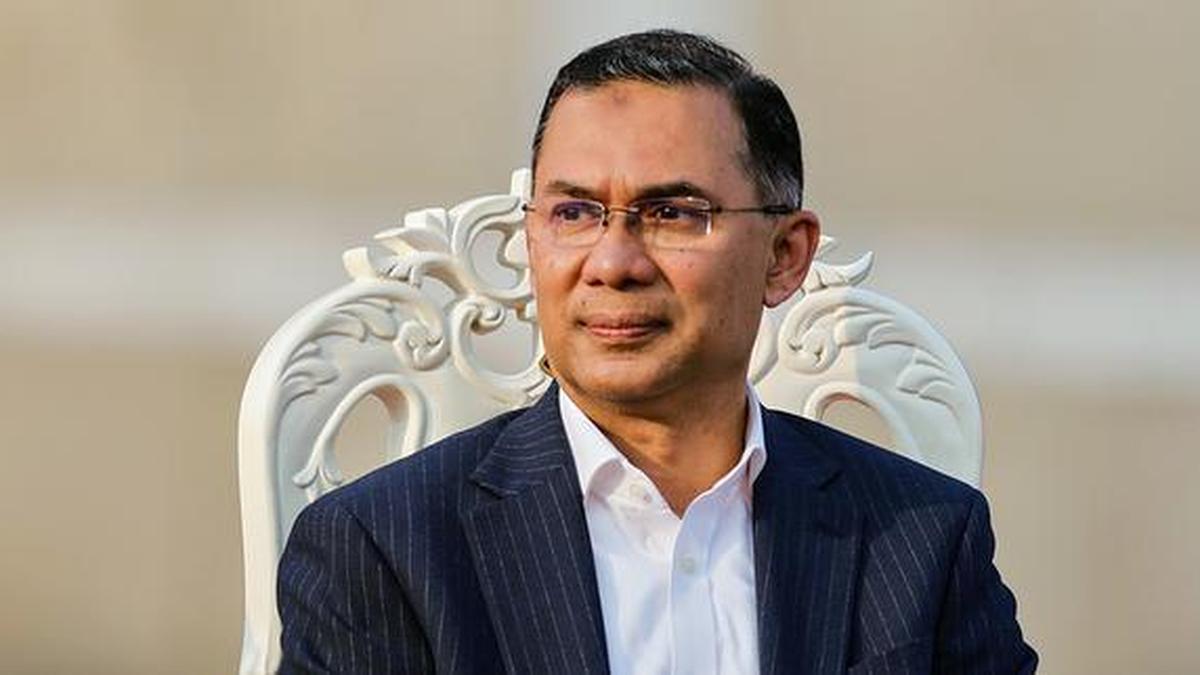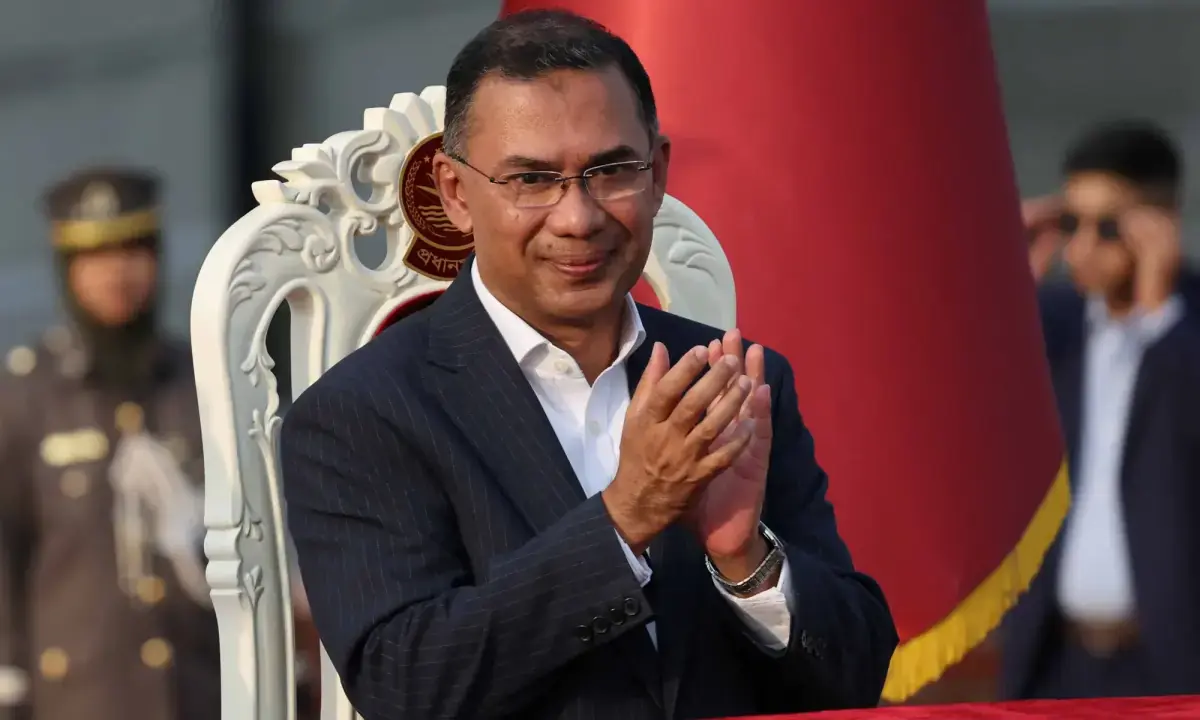
Bangladeshi Prime Minister Tarique Rahman’s first overseas tour since taking office in February did not begin in Beijing or New Delhi. Instead, it began in Kuala Lumpur, where discussions centered on labor migration, trade, investment and economic cooperation.
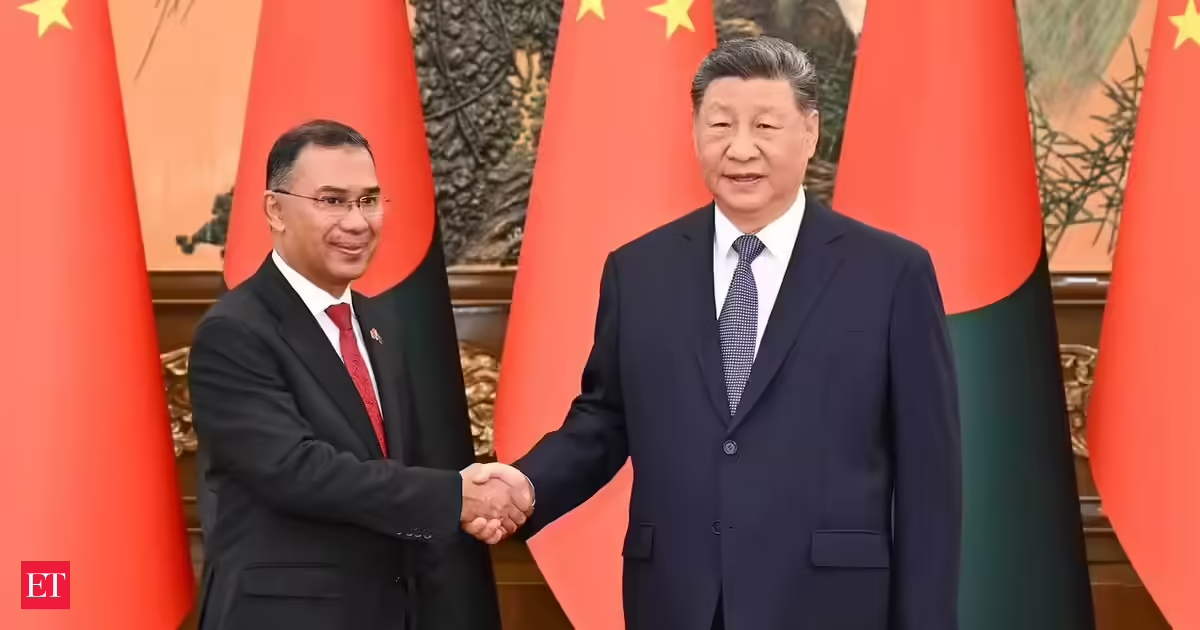
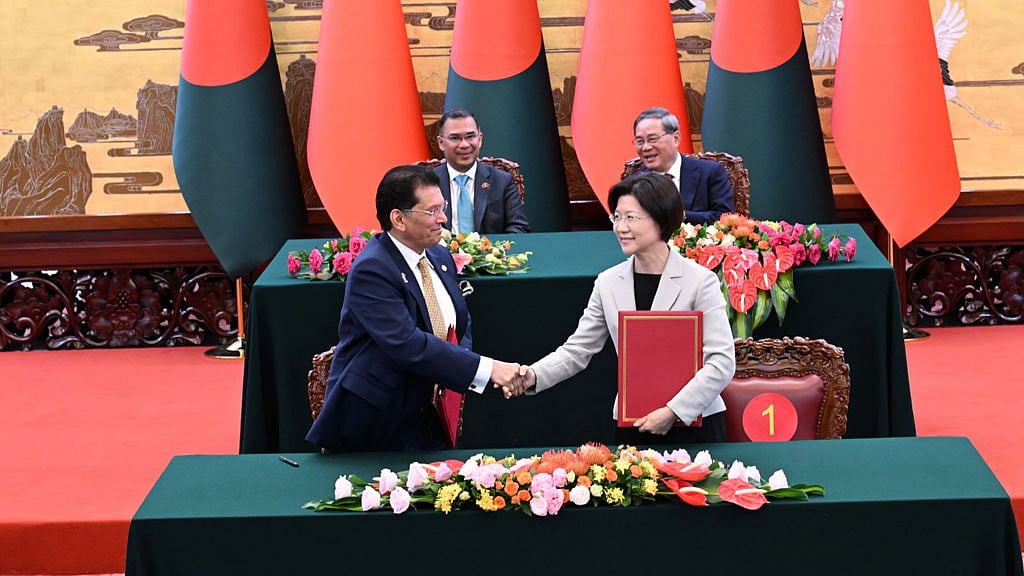
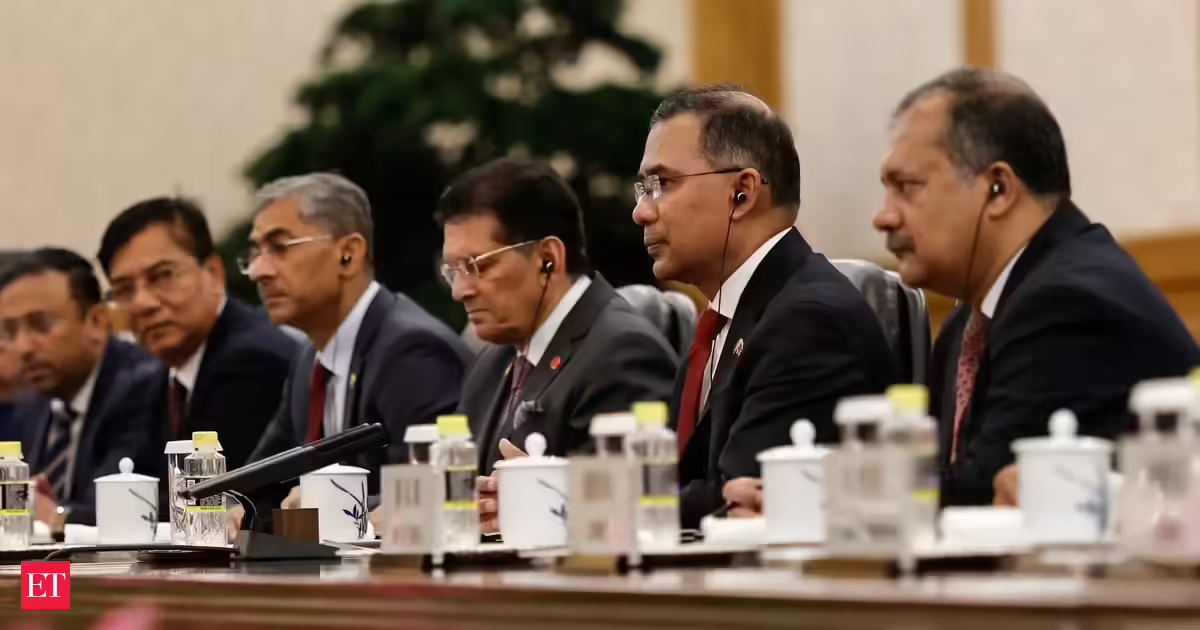
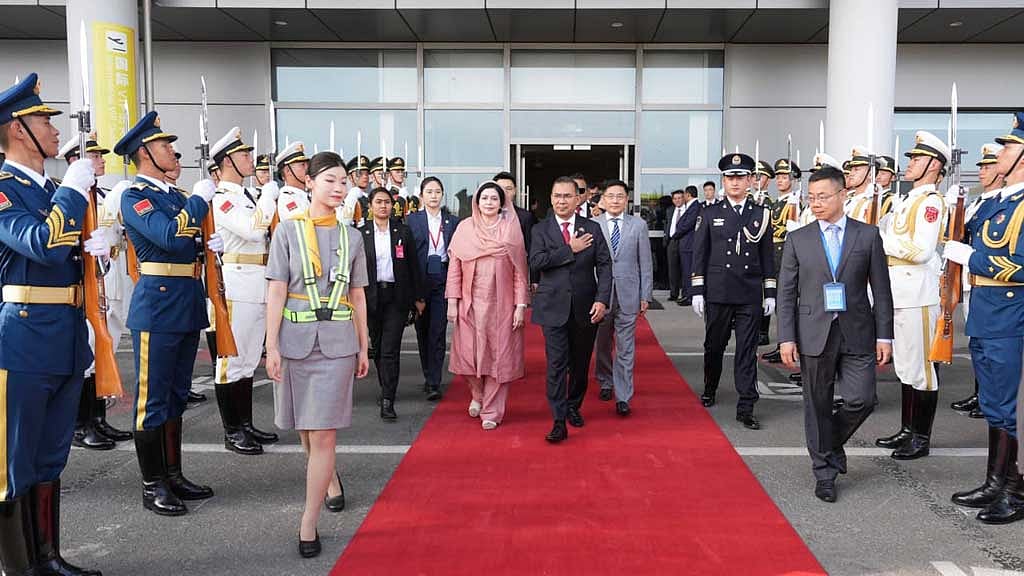
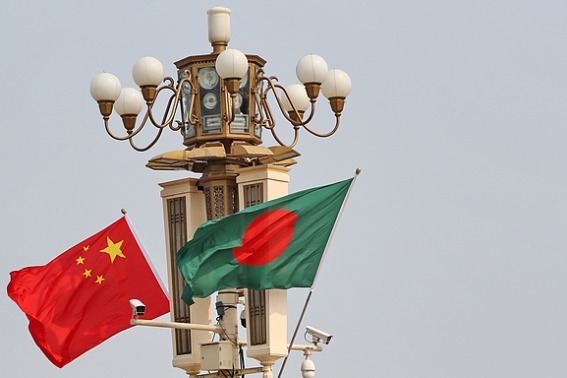
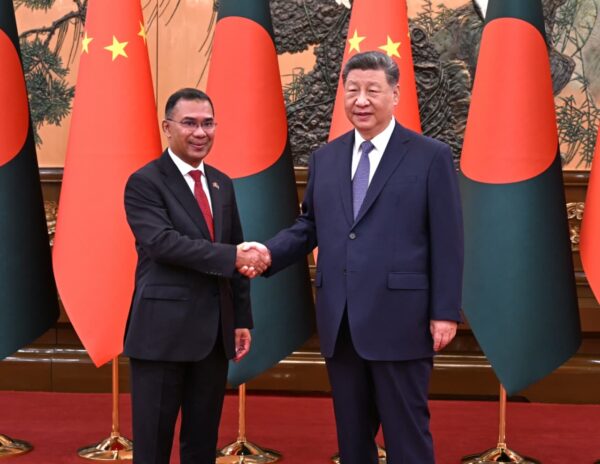
Rahman then travelled to China for the second leg of his tour, which combined participation in the Summer Davos forum with an official bilateral visit.
The sequencing was noteworthy as China is Bangladesh’s largest trade partner and one of its most important development partners. Yet, Beijing was not chosen as Rahman’s inaugural foreign destination. Equally notable was the absence of an early visit to India, Bangladesh’s closest neighbor.
Whether this reflected diplomatic scheduling, economic priorities, or the political environment inherited by the new government, the sequence shows the balancing act facing Dhaka’s new administration.
But more important than which capital came first on Rahman’s agenda is a deeper question: Has Bangladesh’s China policy fundamentally changed under successive governments, or has engagement with Beijing become one of the few areas of continuity in Bangladesh’s foreign policy?