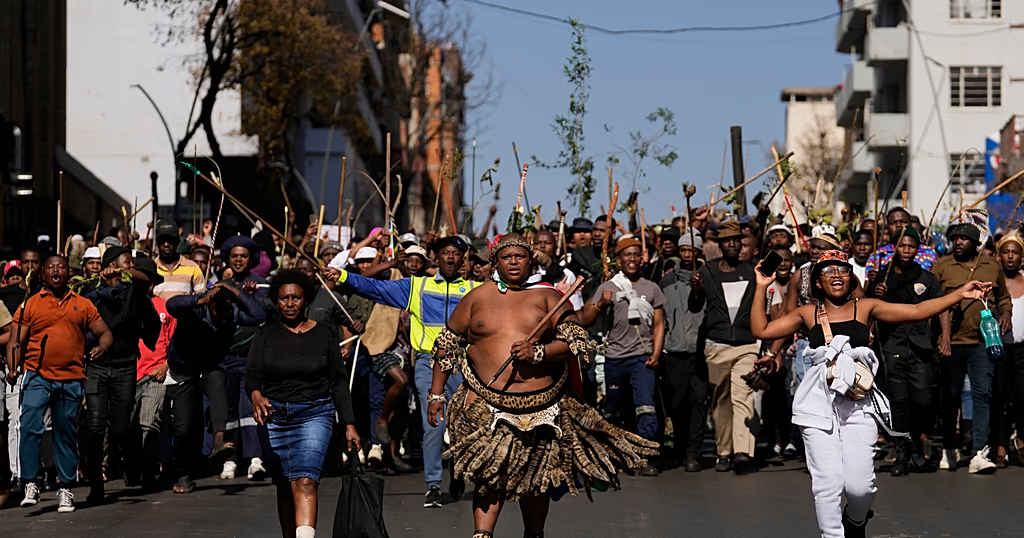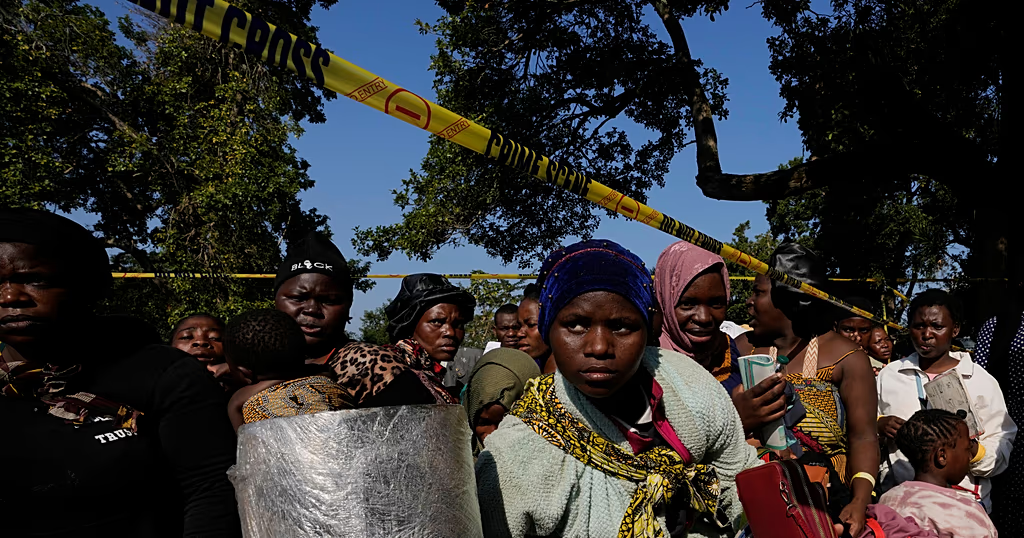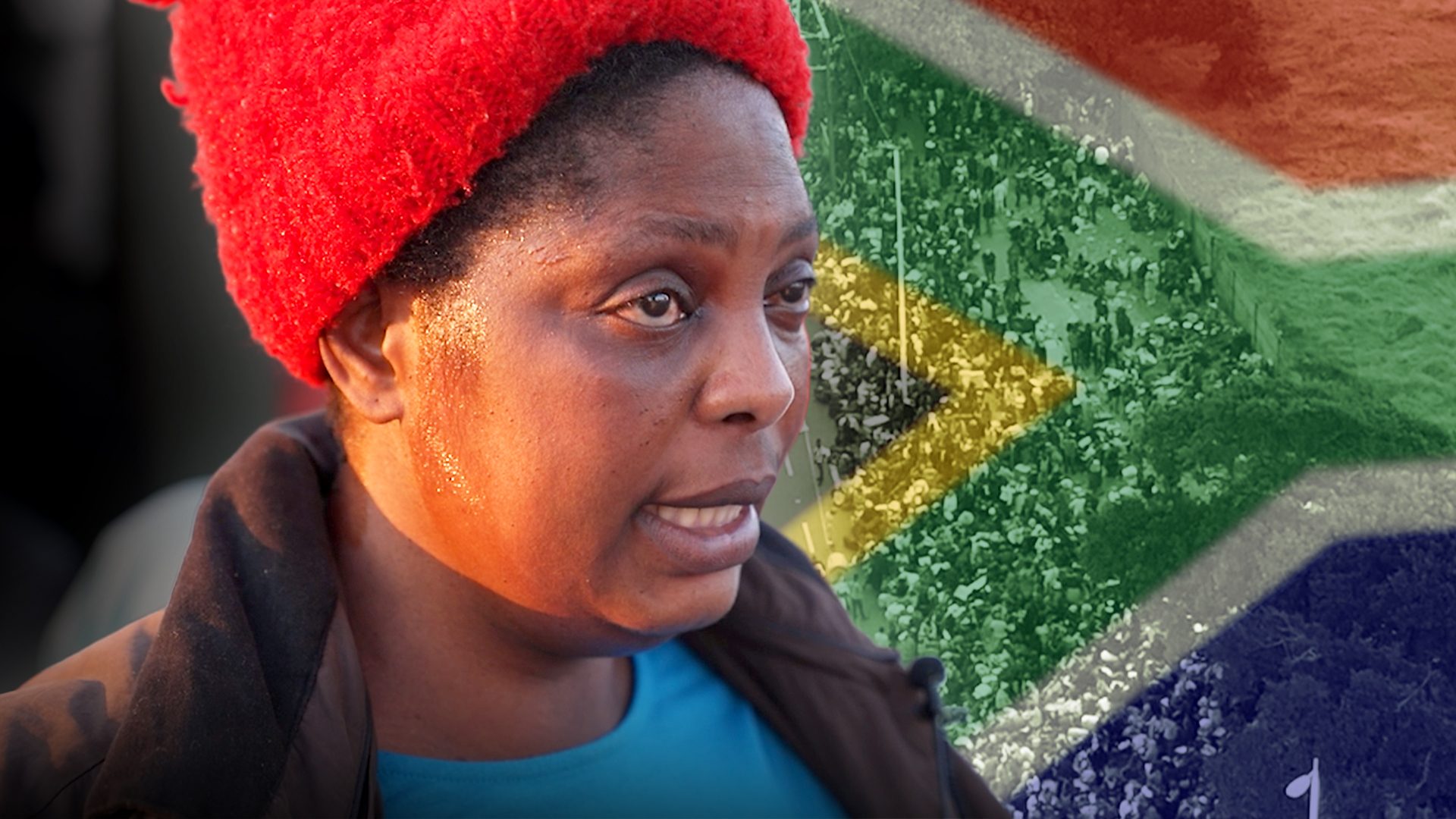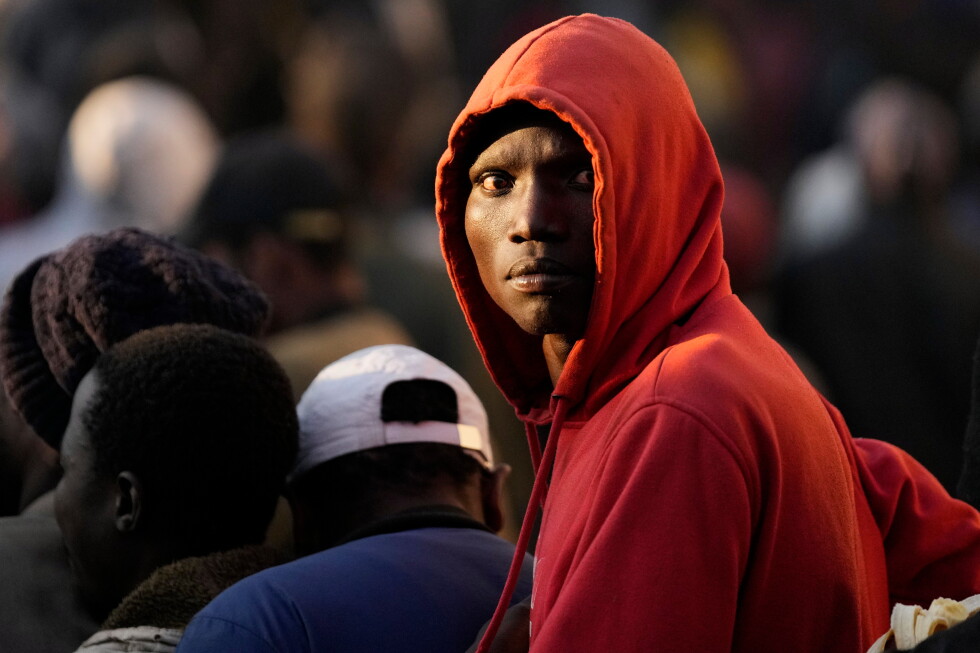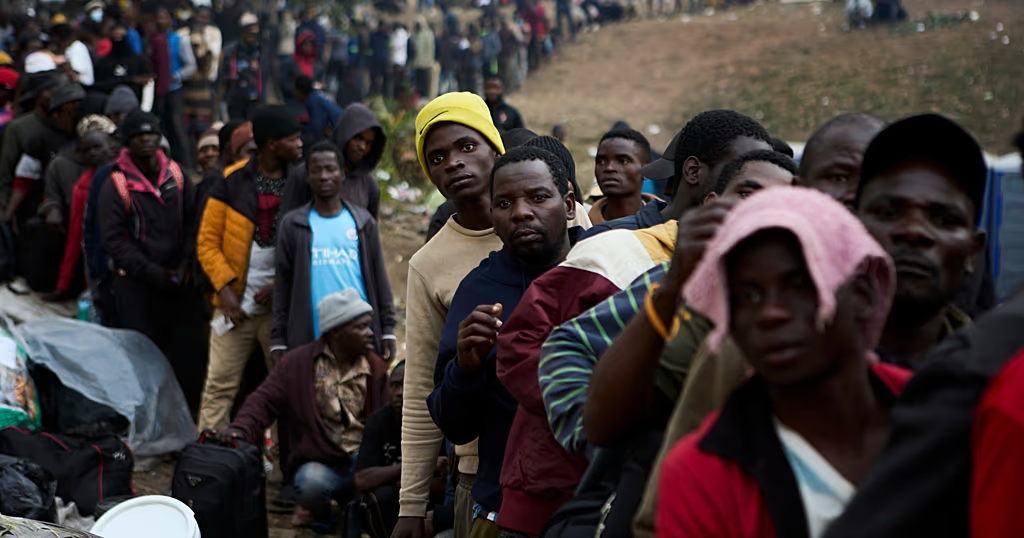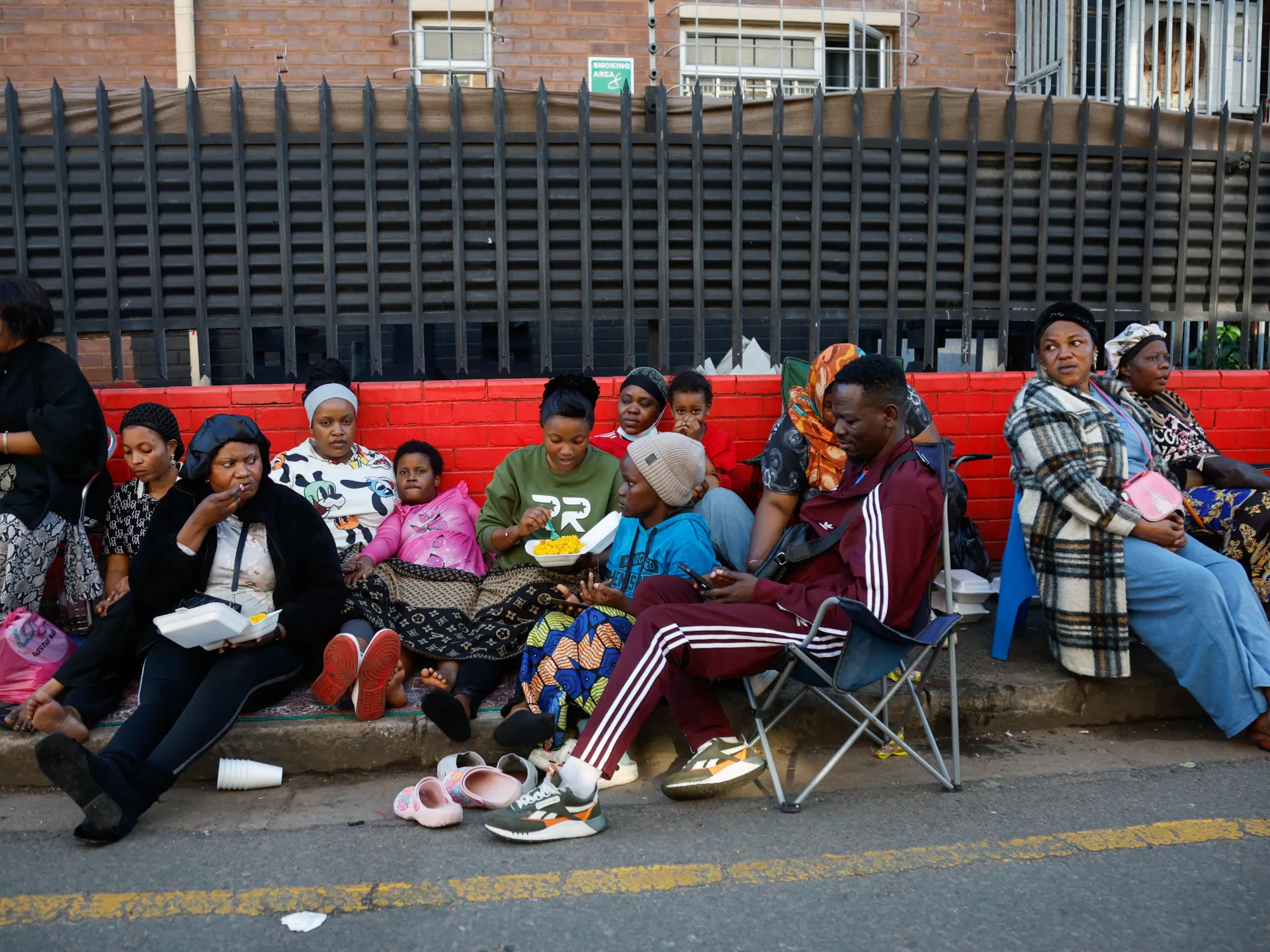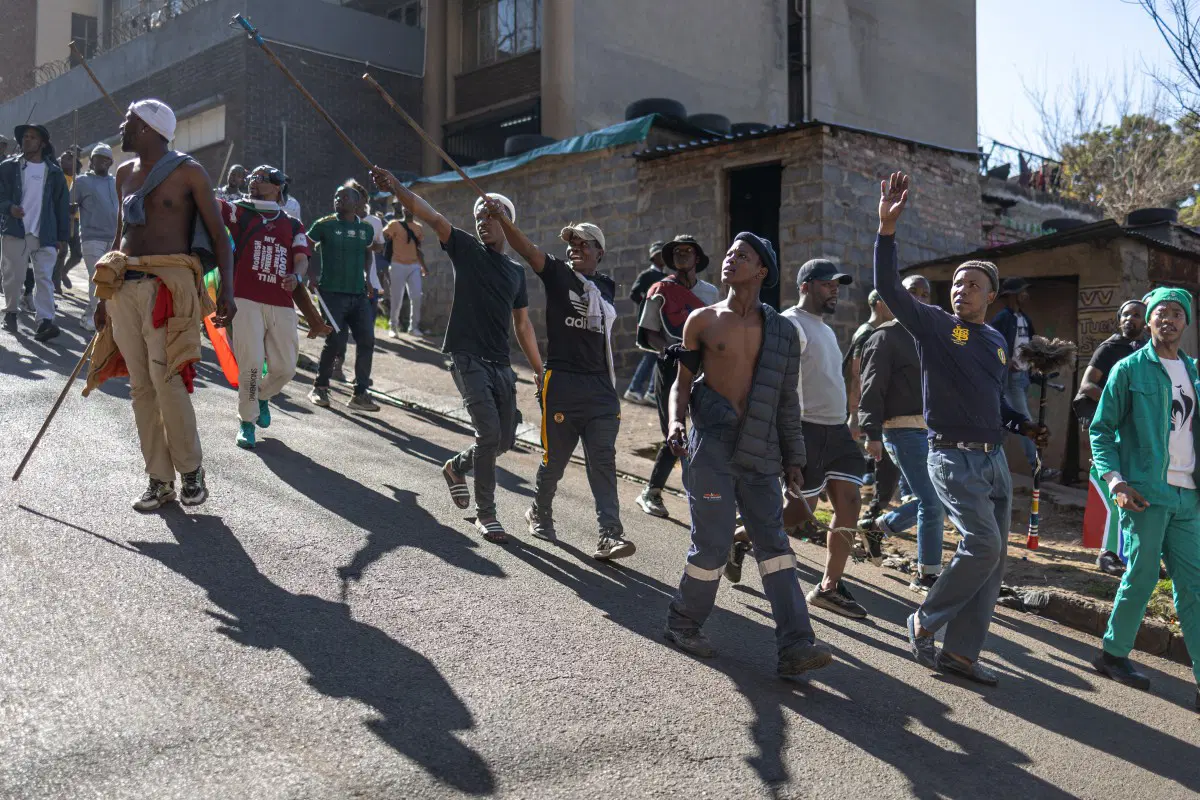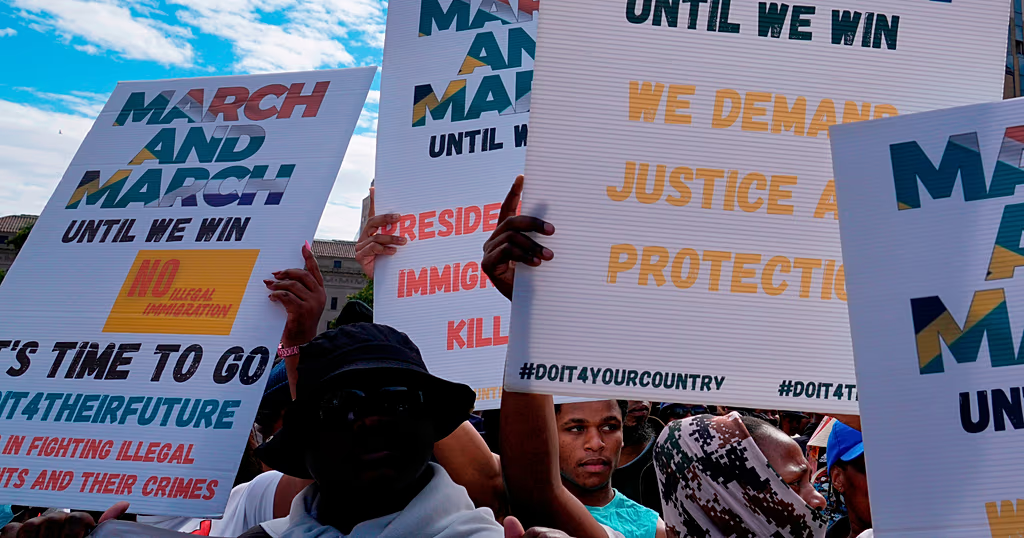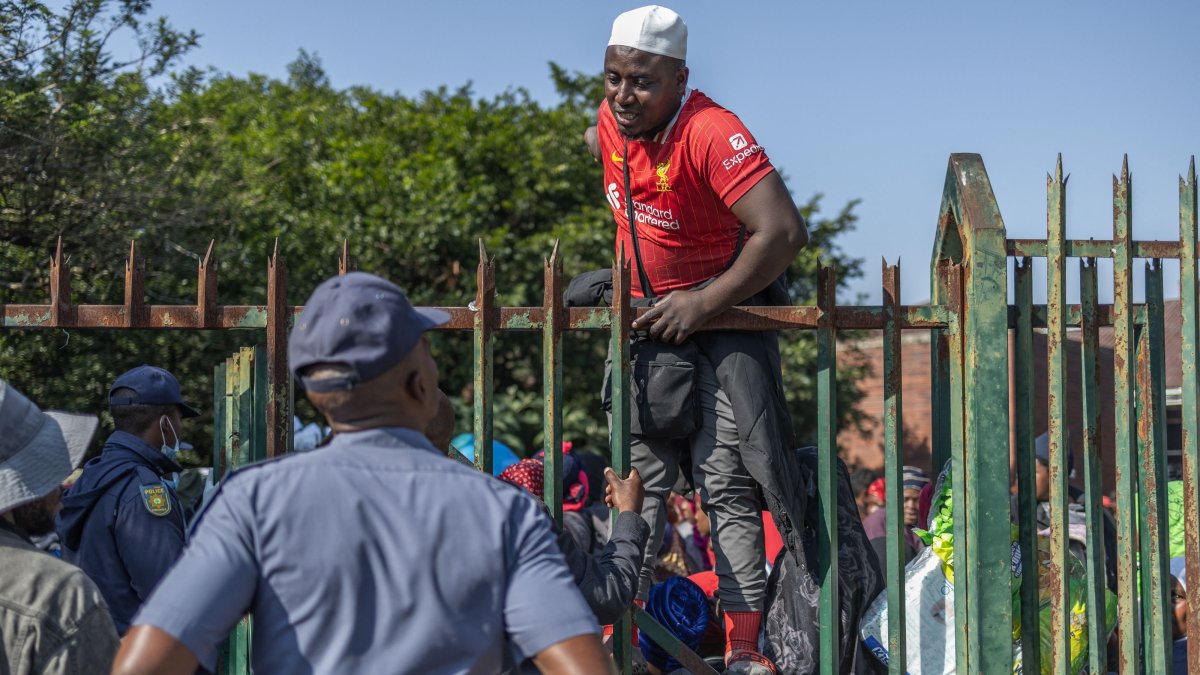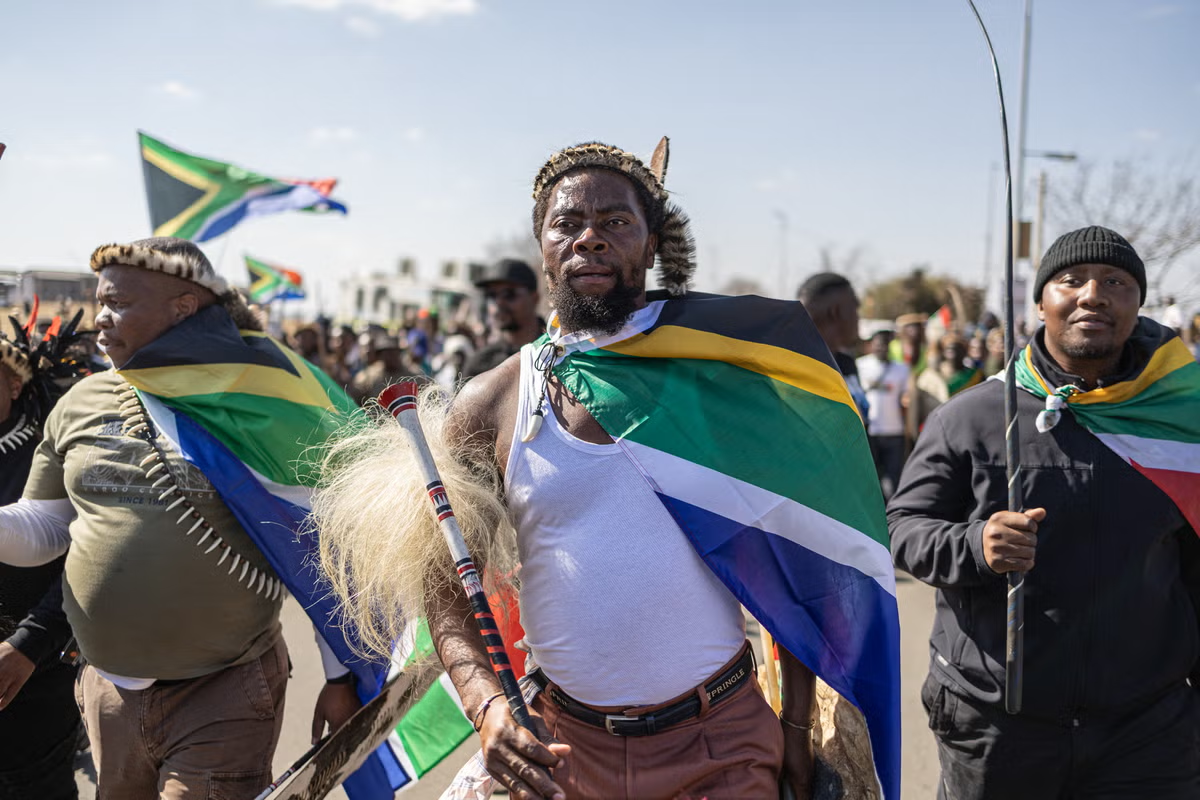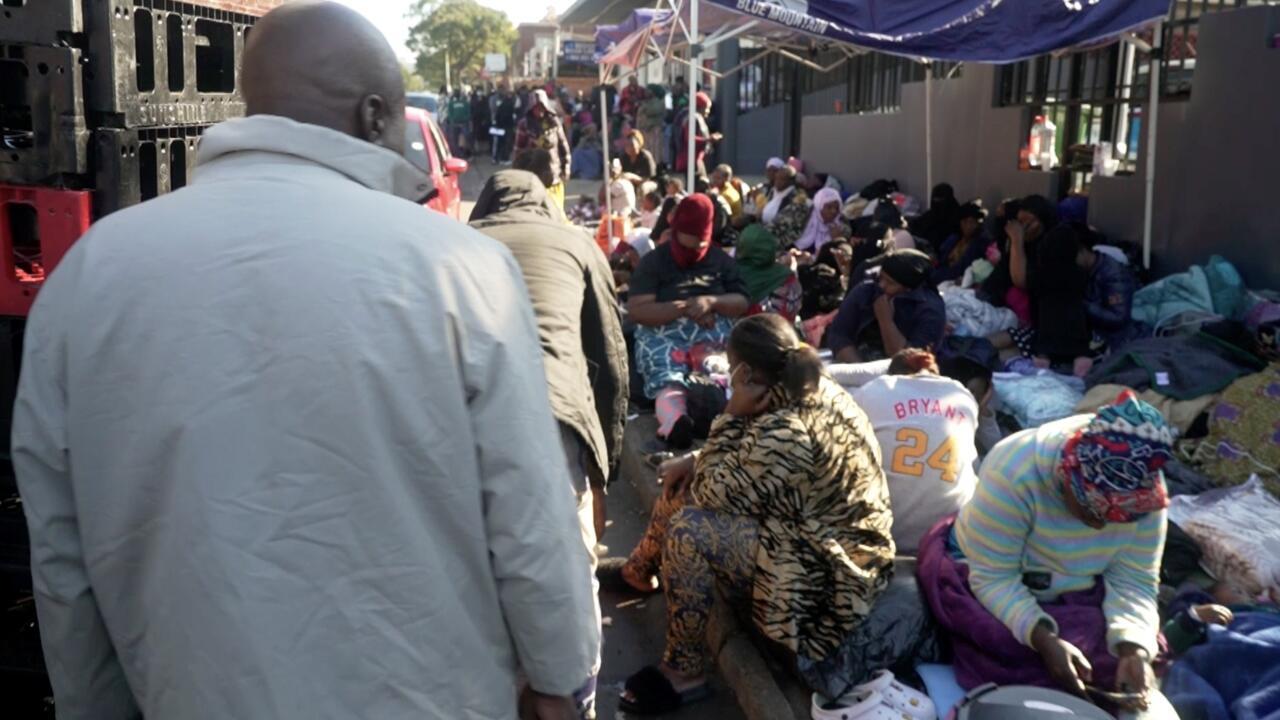
Anti-immigrant groups in South Africa have set a June 30 "deadline" for undocumented immigrants to leave the country, planning widespread demonstrations on that date and threatening a “national shutdown” if the government does not take significant action on immigration. Anti-foreigner sentiment has been on the rise in recent months, with protests in several major cities across the country. Read more‘Chased like dogs’: Anti-migrant mobs in South Africa force foreigners to flee Three people, including a Malawian man and two Mozambican nationals, were killed during recent anti-immigration protests in KwaZulu-Natal and the Western Cape provinces. South African Police Services launched a special $36 million operation ahead of the new round of protests, with acting Minister of Police Firoz Cachalia saying police would not tolerate violence or lawlessness. The government announced measures in early June to combat undocumented nationals following pressure from anti-immigrant groups, notably vowing to crack down on violations of the Immigration Act and prioritising border security. The government is also looking to update the immigration system with modern technology while working in concert with other African countries. Read more‘It’s organised intimidation’: New wave of anti-migrant violence sweeps South Africa Faced with the threat of violence, foreigners are banding together. FRANCE 24 spoke to two refugees who were forced to flee their homes in early June following anti-immigrant protests in Durban, KwaZulu-Natal. The men gathered outside the Home Affairs offices along with hundreds of other foreign nationals, where they remained on the pavement for weeks, awaiting repatriation to their countries after decades in South Africa. 'You will die together' Marjolain Mabako stands on a sidewalk covered with the personal items of more than 550 people, including blankets, water containers and luggage. Women and children sit close to the few belongings they could carry when they hurriedly left their homes. “People have abandoned their homes,” Mabako recounted, the day after protesters entered their homes and threatened them: "You must go back home, you must leave … You cannot set foot here anymore.” Mabako has refugee status in South Africa, where he has lived for more than 22 years. He has carved out a life here as his country of origin, the Democratic Republic of Congo (DRC), has been embroiled in conflict for decades. Since he arrived at the Home Affairs office more than a month ago, many more people have arrived. “When you become a victim, you flee and come here to be together with the others. If it is necessary to die, you will die together,” said Mabako. He said he cannot go back to his home or work. According to Mabako, a proud barber, protesters ransacked homes and places of work. “They broke everything. That is why nobody has anything left. They stole, they beat people,” he said. On the day we visited the Home Affairs office, a foreign national was assaulted and injured at the local market.
Thousands of foreign nationals leave South Africa ahead of June 30 'deadline'
Thousands of people have fled South Africa in recent weeks ahead of a June 30 "deadline" for foreign nationals to leave the country announced by anti-immigrant groups. We spoke to Congolese refugees…
1,377 words~6 min read