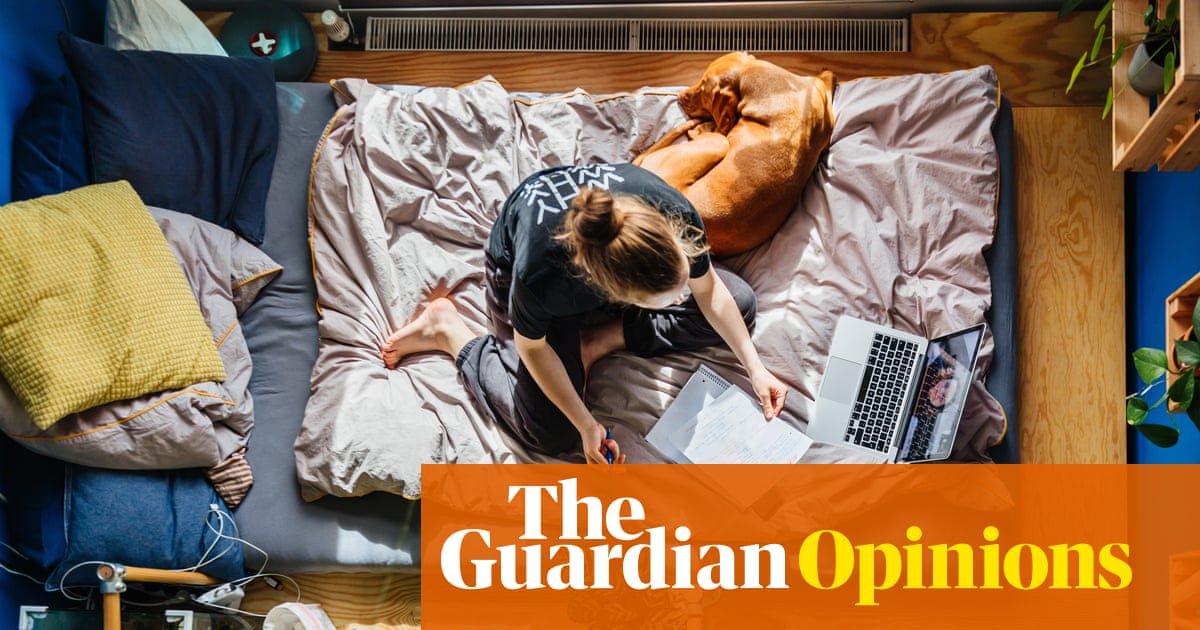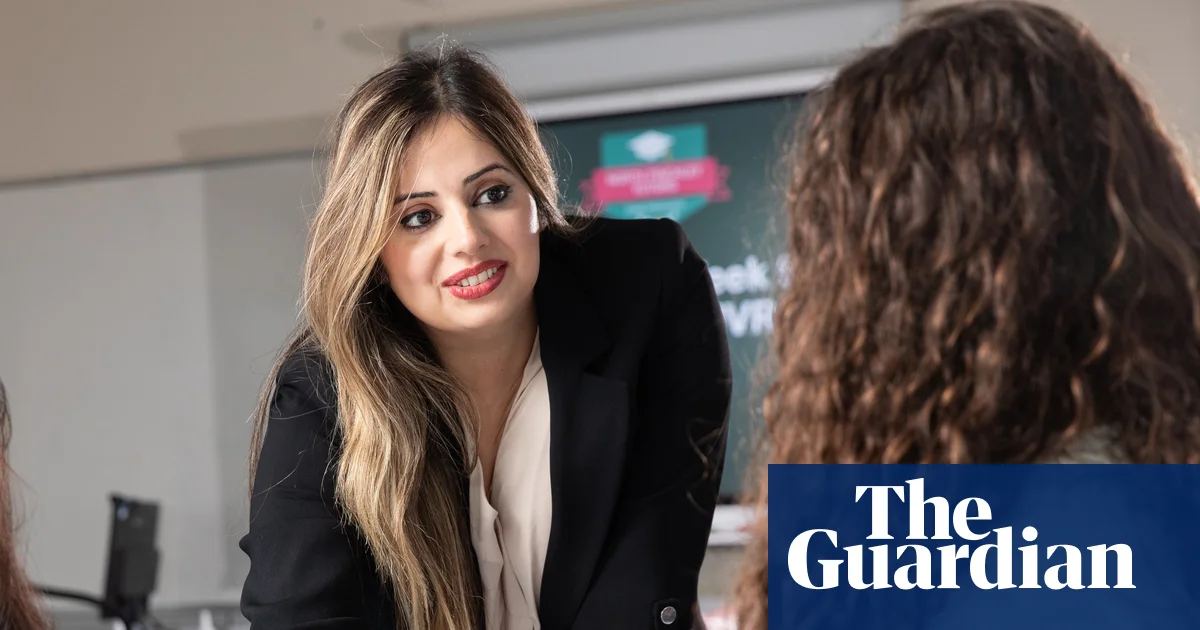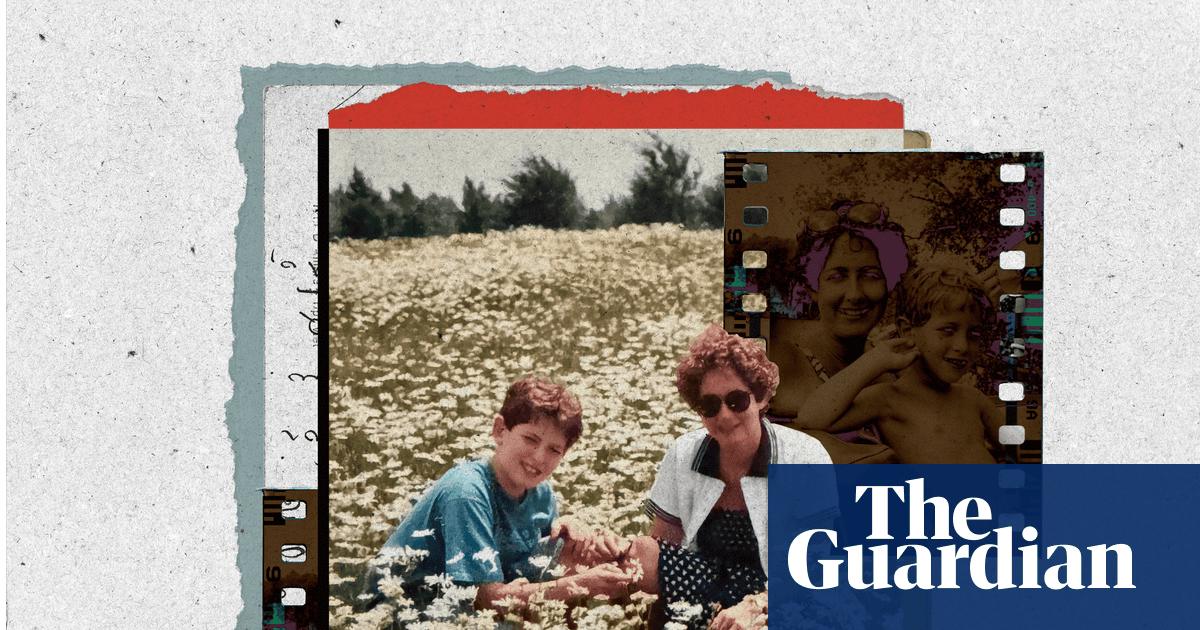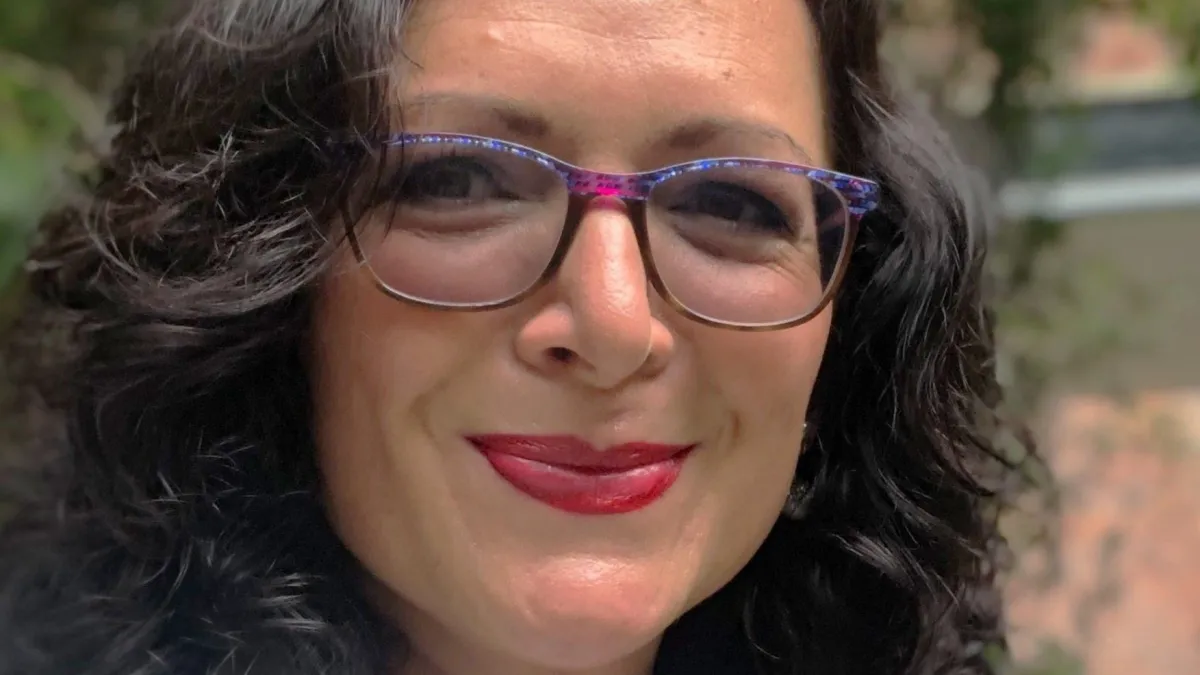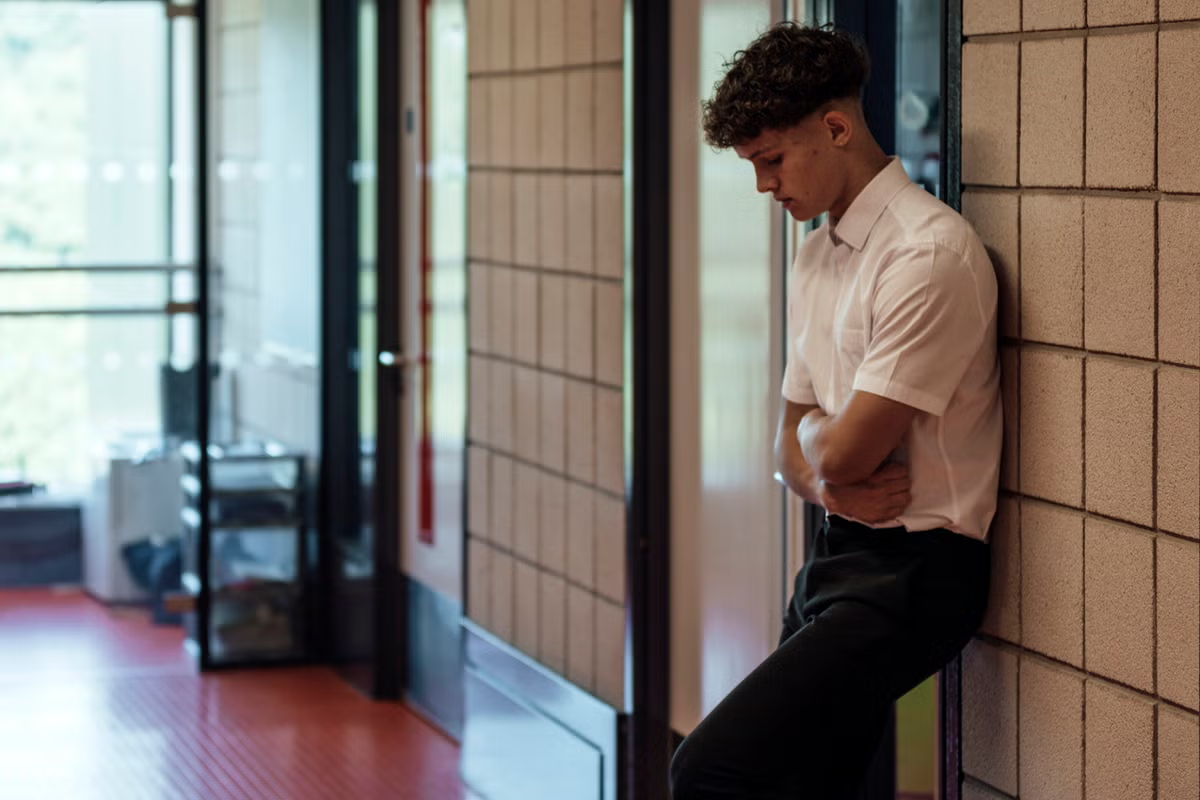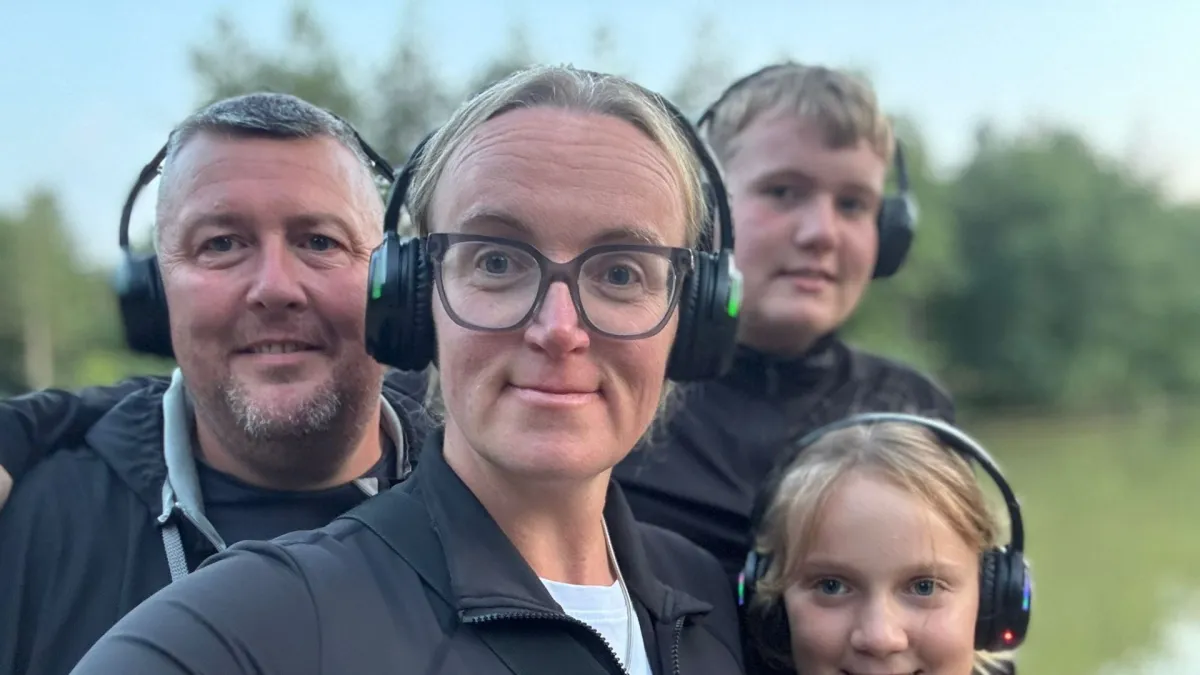
Ask my teenage son Max to name his favourite places and he’ll tell you that one of them is school.There, he gets to learn with a glass of chocolate milk in his hand and his beloved pet tortoise and budgie at his side, with the promise of a dog walk at lunch.Aged 14, Max is one of a growing number of children who attend private online school from the comfort of their own homes – not to be confused with home educating, where Mum and Dad are the teachers.The school beamed into his bedroom each day is the £8,800-a-year Minerva Virtual Academy (MVA), a Department for Education (DfE) accredited school for 11 to 18-year-olds, which counts elite sports boys and girls and the kids of diplomats among its pupils, all of whom travel and need to learn on the road.Max has been a student with it since December 2024, after I pulled him out of the mainstream state secondary school close to our family home in Dorset that had been a source of relentless stress for him.So while parents up and down the country prepare to have their children at home again for the summer holidays, for me, Max has never left.And he certainly isn’t alone – the DfE estimates 1.34million pupils were ‘persistently absent’ from school across 2024 and 2025.Groups of boys would follow him in the playground and corridors chanting ‘retard’ and making loud noises. Whether it was lessons in classes of 30 or more pupils, or a classroom that was too hot or too cold, Max struggled. He would shut down completely and hide under a table. Aged 14, Max is one of a growing number of children who attend private online school from the comfort of their own homes – not to be confused with home educating, where Mum and Dad are the teachersEach morning I would put him on the bus, consumed with guilt that I was sending him somewhere that made him utterly miserable.At the desk where I work in social housing, I’d await a call from school to say they’d found Max sitting alone by the lockers in the corridor, a regular place of solace when the bullying and being overwhelmed got too much for him. They’d then suggest I come and collect him. Again.Signs that school wasn’t for Max had been there even when he attended the same little village primary school that I went to as a child and which my older son had loved, too.Max would be allocated calming tasks by teachers when they sensed he was stressed, such as feeding the class goldfish or reading quietly in a corner.The extent of his struggle was amplified when he started secondary school in September 2022 – a year after we’d begun the process of getting him assessed for ADHD. We’re now four years deep and awaiting an official diagnosis. With input from Child and Adolescent Mental Health Services (CAMHS), though, we’re certain he has the condition.Yet we’ve had no further support from health professionals. And although the school staff were adamant they ‘wouldn’t tolerate bullying’, it was never successfully addressed.We tried a reduced timetable to make lessons more comfortable for Max: he’d go in for the mornings and I’d collect him at lunch. It was hardly worth him going.At home, Max and I agreed that different reward methods might be helpful. If he didn’t get any negative behaviour points at school for an entire half term, for instance, I’d treat him to a few nights in London. In December 2024 Laura pulled her son out of the mainstream state secondary school close to their family home in Dorset because it had been a source of relentless stress for himFor six months or so in Year 7 he thrived, even receiving a headteacher’s award. But things quickly went back downhill, mainly due to bullying.Despairing of what to do, we went to the local authority, who suggested three schools that might better suit Max’s additional needs. They were too far away, however, and had significant intakes of pupils with behavioural problems, which isn’t helpful for neurodivergent children like Max.Over breakfast, I’d distract him from school with talk of what we’d do when I picked him up and what he’d like for dinner, only to endure the rigmarole of him coming downstairs wearing just his school trousers, or just one sock – anything to delay leaving the house.He’d say: ‘Mum, I just don’t want to go.’ Short of physically picking him up and forcing him, what could I do?At the end of June 2024, when Max was nearing the end of Year 9, enough was enough. His shoulders sagged with relief when I said I’d told the school he would no longer be attending.Max was struggling to regulate his emotions and felt scared. He needed to be at home, but the idea of educating him myself was horrifying and impractical in equal measure. I’m not a teacher, for starters, and I’d have had to give up work.I spotted MVA on Instagram, then I contacted the local council education department and applied for funding for a place for Max. The fee is about the same as is allocated from taxpayer money for a child in state school, and significantly cheaper than places in schools for children with special educational needs, which can cost more than £50,000.After doing their due diligence, the council agreed to fund his education and Max officially became a MVA pupil, studying GCSEs in maths, English, sciences and classical civilisation.Each day, he signs into the online portal and joins live lessons with anywhere between 14 and 20 other pupils. Just like mainstream school, he has preparation to do – which could be completing a quiz or watching a video – and homework.Assemblies are a regular part of online school life, as are trips – we went to the Harry Potter Studios and London Zoo last summer with some of the other pupils, parents and teachers.I have the luxury of working from home a couple of days a week, but when I’m in the office or on visits, Max is more than capable on his own, doing lessons and making his lunch. My mum lives round the corner, which is really handy too.MVA assigned him a mentor – Catherine, one of the teachers – with whom he has a weekly online meeting to check his progress. Initially he wouldn’t allow her to see his face on video calls, now has the confidence to wear cool hats or use funny filters.The change in him is remarkable. Burnt out and depleted by mainstream school, his wicked sense of humour has been restored, he loves playing chess and gaming with a close friend in person and online, and he even volunteers at a local alpaca farm at weekends. During pub lunches with the family, Max regales everyone with tales of school and alpacas, where once he’d have plugged himself into his iPad to avoid conversation.I used to think: ‘My children go to school – I can’t take Max out. It’s not the done thing.’ Then you realise that, actually, you can flip things to suit your child.Online school is not a panacea for a teenager, though. There are days Max still needs a nudge to log on to lessons. The difference is he’s happy and he’s learning.Exam results aren’t my concern any longer; he’ll find his way in life. Being able to learn in a calm home environment minus the stress of a mainstream school and with the structure of formal online education has been the making of him.minervavirtual.comAs told to Sadie Nicholas
My son refused to go to school. Now he's privately educated at HOME
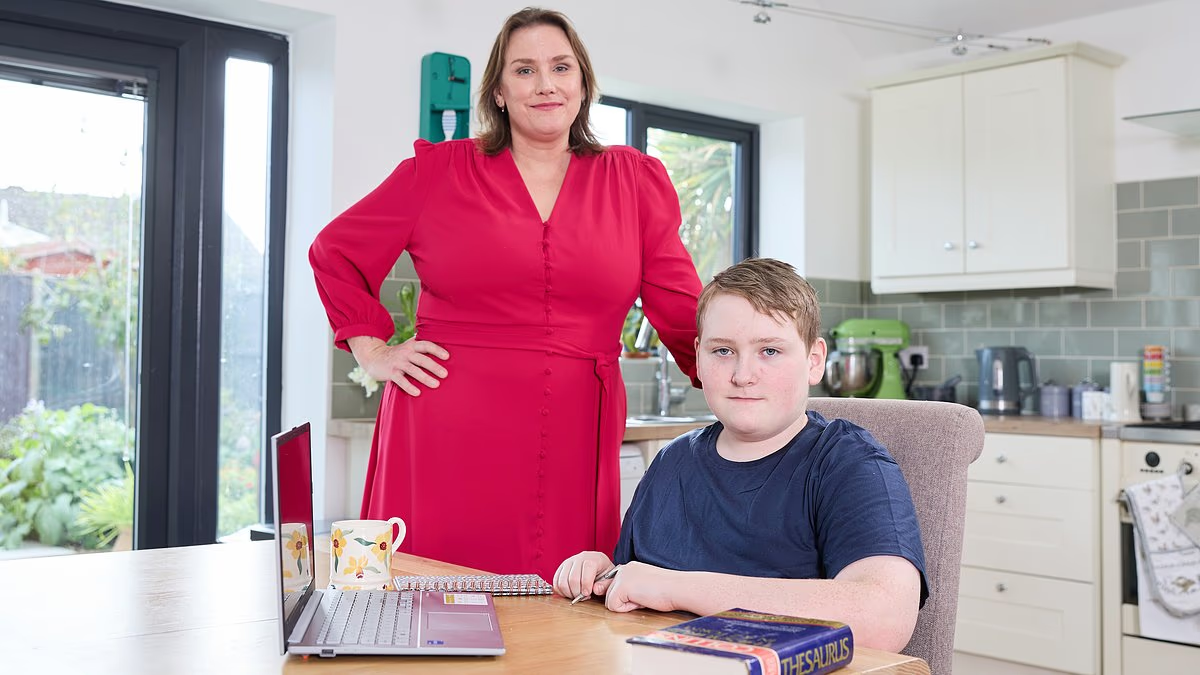
Aged 14, Max is one of a growing number of children who attend private online school from the comfort of their own homes.
1,267 words~6 min read