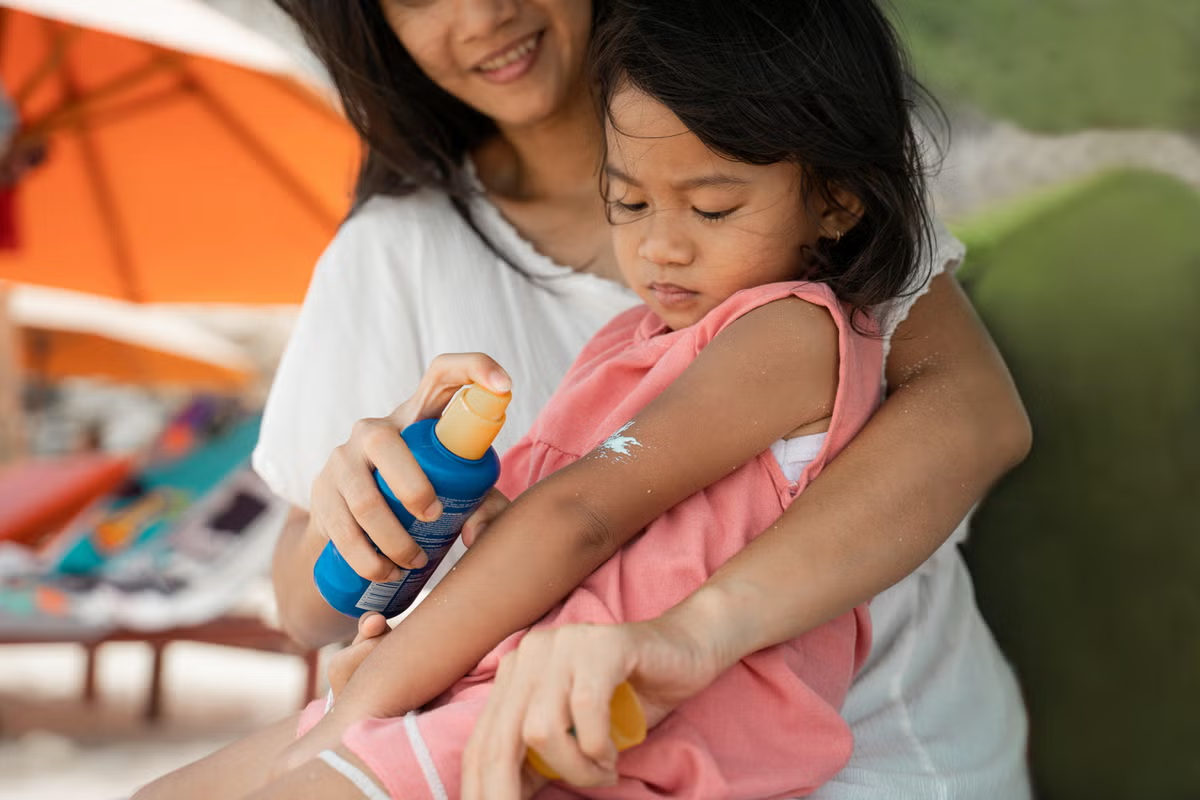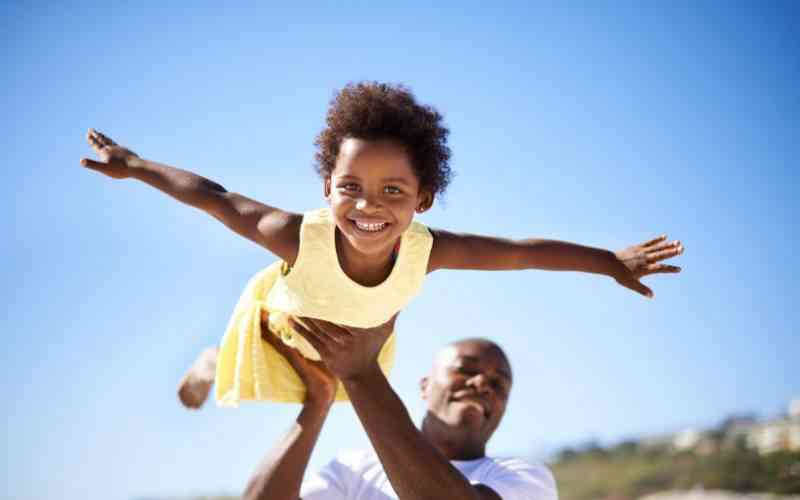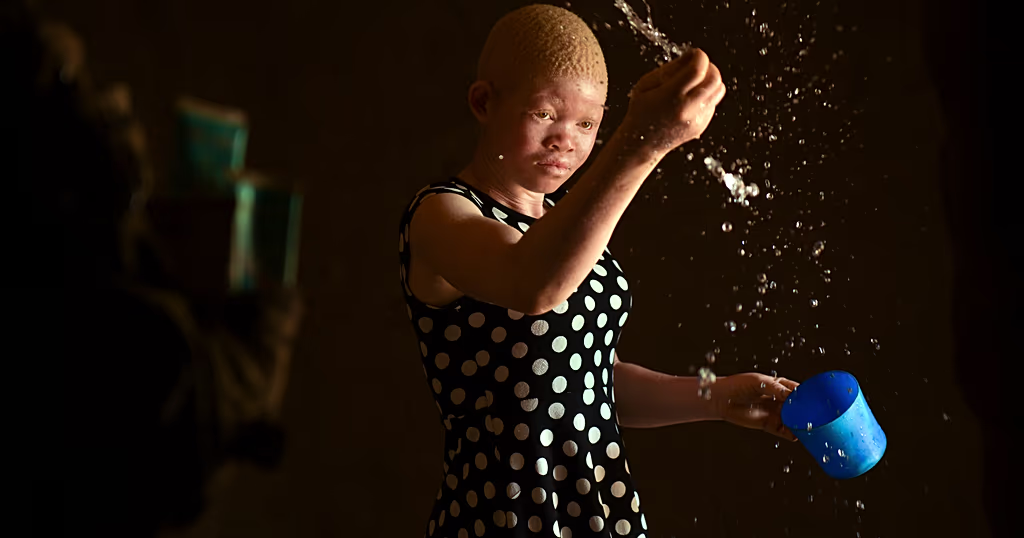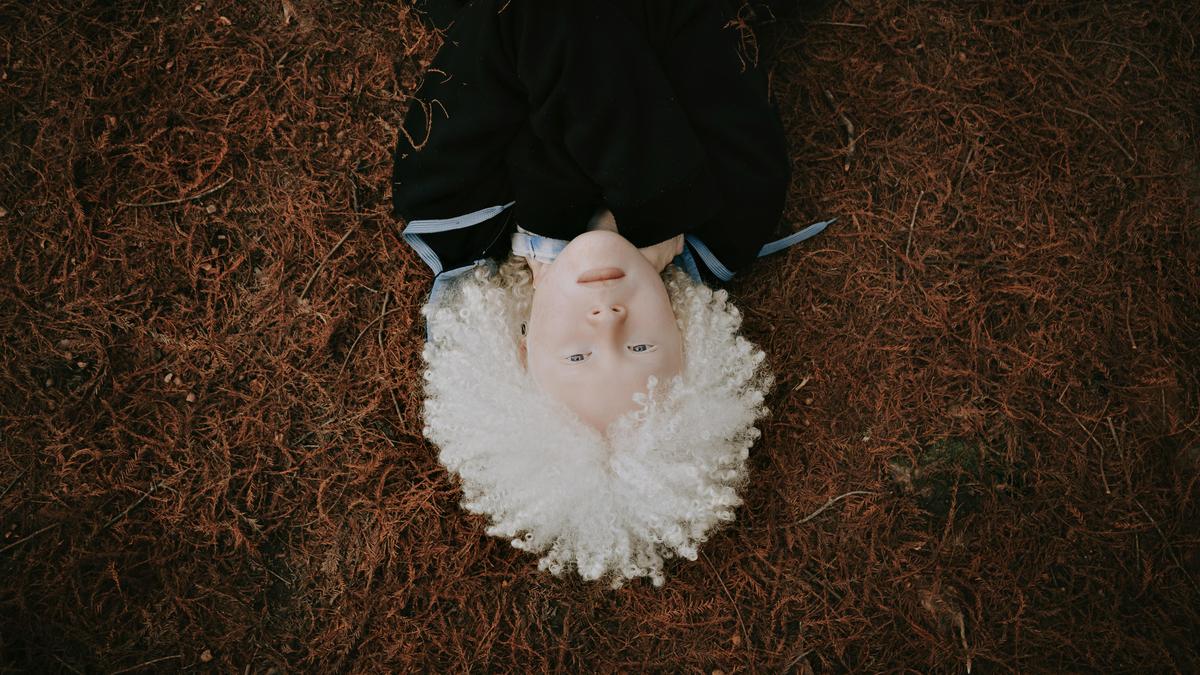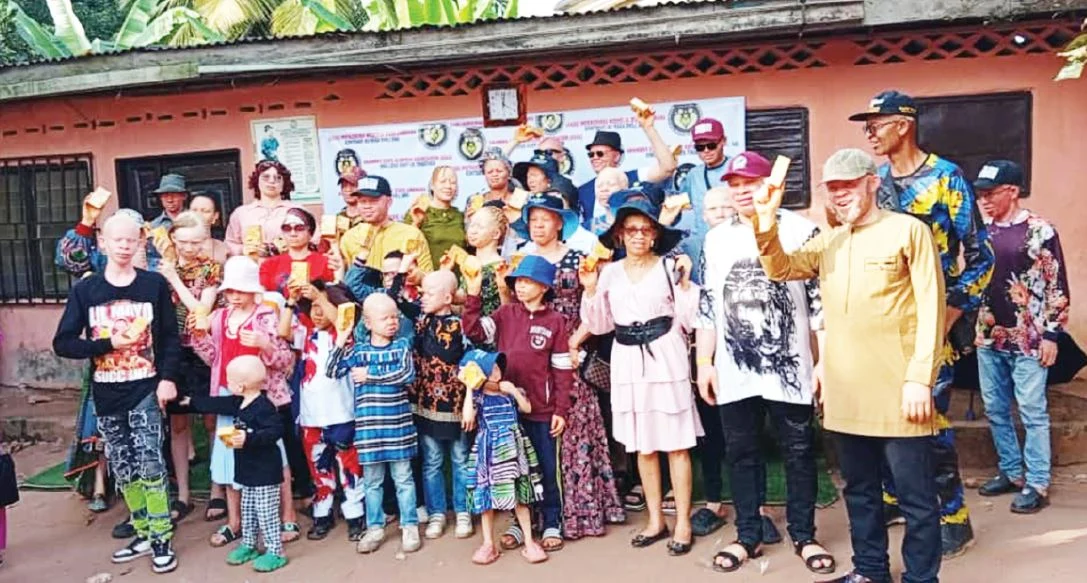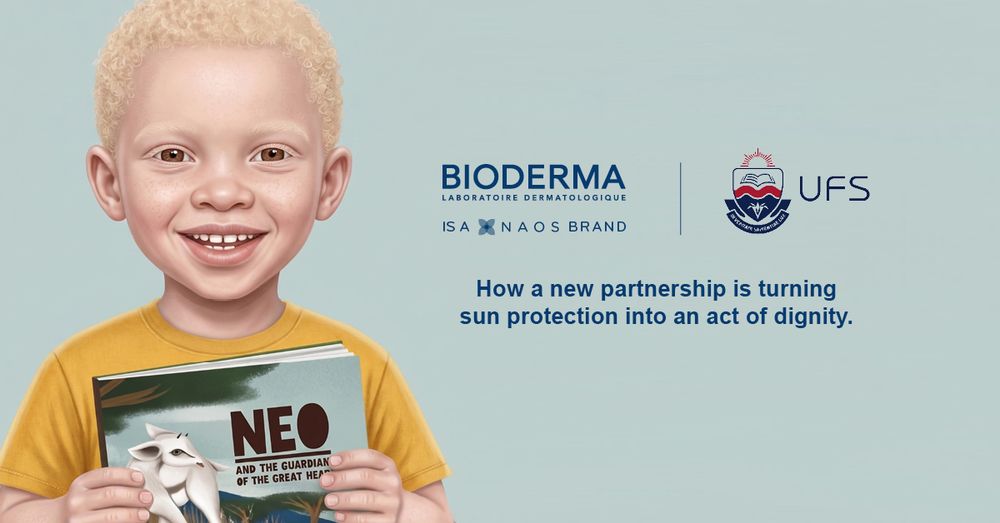
In South Africa, being born with oculocutaneous albinism (OCA) often means growing up under some of the highest ultraviolet (UV) exposure in the world without the natural protection of melanin. The consequences are severe. Children and adults with albinism face a significantly increased risk of sun-induced skin damage and skin cancer, often heightened by delayed access to specialised care.
Research shows that an estimated 98% of persons with albinism in Africa die before the age of 40, with skin cancer, predominantly squamous cell carcinoma, responsible for approximately 80% of those deaths. A decade-long audit at Universitas Academic Hospital in Bloemfontein found that 40% of patients with OCA presented with skin cancer at their very first specialist consultation.
Beyond the health challenges, children with albinism across Southern Africa's daily lives are shaped by social exclusion, stigma, interrupted schooling, and persistent misconceptions surrounding the condition. Caregivers, most often mothers, frequently carry the burden of navigating healthcare, education, advocacy, and protection with limited support. Recognising that this challenge could not be addressed through healthcare alone, a new collaboration emerged at the University of the Free State.