When security teams talk about "scanning" code in CI/CD, they usually mean one of two very different things: scanning the code you wrote (SAST) or scanning the open-source code you imported (SCA). Both are called "security scanners." Both produce findings with severities and CVE-like identifiers. But they catch almost completely different vulnerability classes, and understanding that distinction determines whether you actually close your real risk gaps or just feel like you have.
What SAST scans
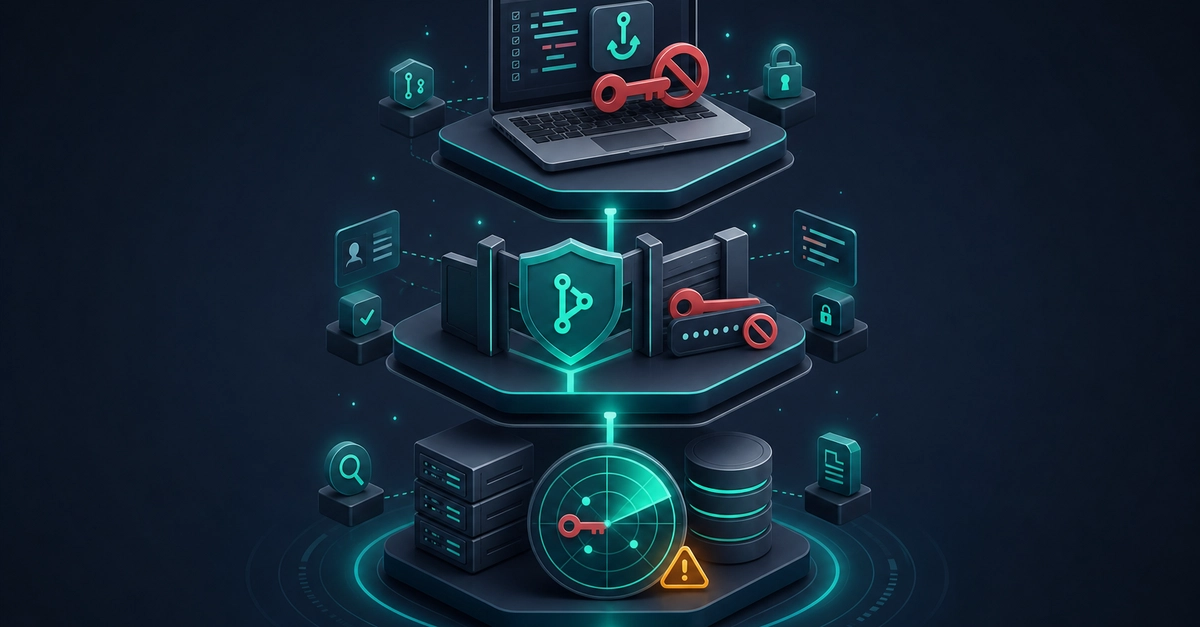
Static Application Security Testing (SAST) reads your source code — the JavaScript, Python, Java, Go, Ruby files that your team writes — and looks for security flaws in the code itself. SQL injection in a database query. A hardcoded AWS key in a config file. An XSS vector in a template. A call to MD5 where bcrypt should be. An HTTP endpoint that passes user input to a shell command.
SAST doesn't know about or care about which npm packages you installed. It's analyzing your code logic. A SAST tool will flag this:
const result = db.query(`SELECT * FROM users WHERE id = ${req.params.id}`);