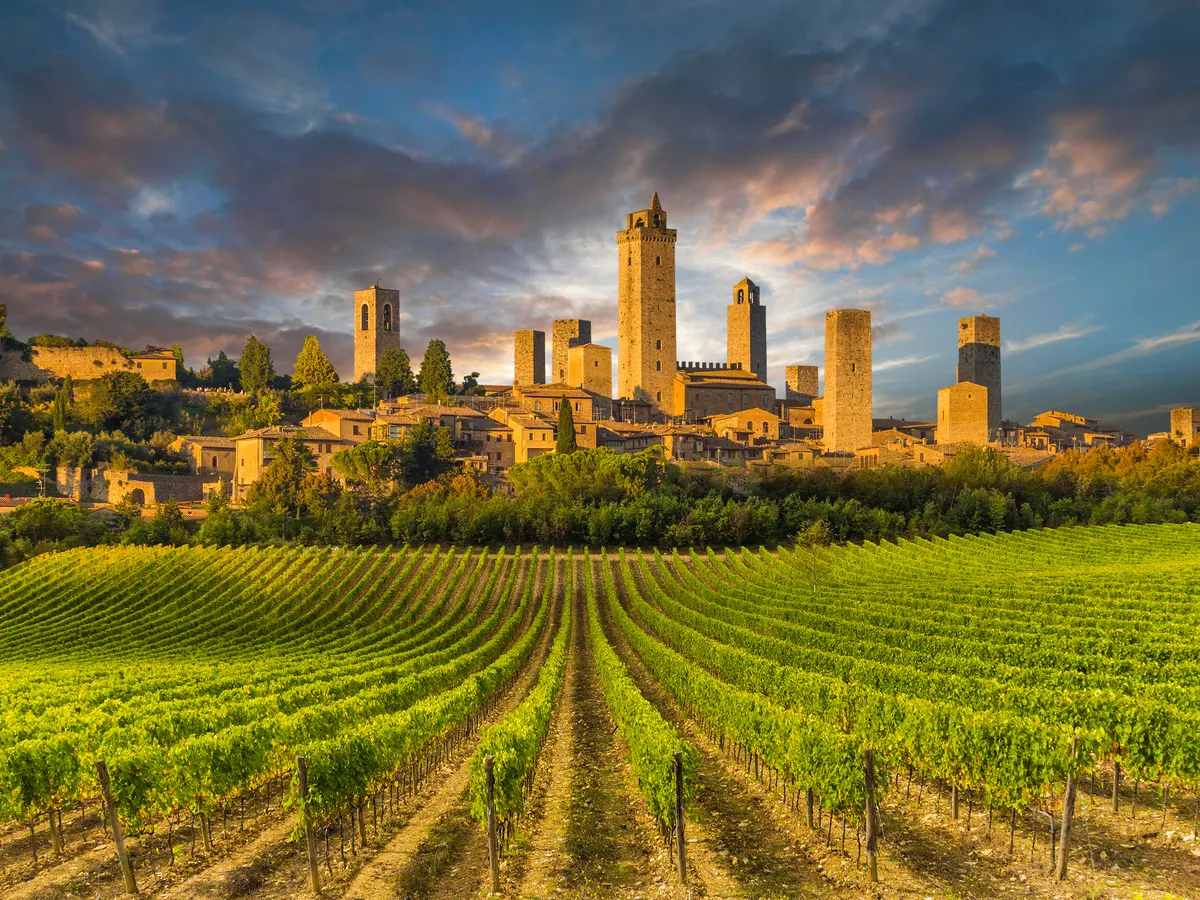
Biking in Italy is one of the top 10 destinations for 2026.gettyPlanning a bike trip can be simple, but what really matters is the experience on the road. When you start riding, you soon find out if the climbs are fun, the roads are enjoyable, the descents feel rewarding, and the days flow smoothly. The best routes are the ones you look forward to riding again.The new Cycle Tourism Index 2026, created by the Italian cycling research group Bikenomist and the route-planning platform Komoot, gives a clear view of which European regions attract international cyclists. Using 2025 activity data from 14 countries, it shows where riders actually go, not just the spots promoted by tourism boards.The rankings highlight how much Europe’s best cycling spots change throughout the year. The Canary Islands and Mallorca are top choices in winter, when steady temperatures are more important than mountain views. In summer, Croatia’s Adriatic coast is the place to be. Istria took first place overall, followed by the Balearic Islands, which include Mallorca. Primorje-Gorski Kotar in Croatia came third. The Canary Islands finished fifth, which helps Mallorca stand out for cyclists deciding between Spain’s two favorite warm-weather destinations.Riding through Tuscany, one of the top destinations for 2026gettyOne of the most interesting things the Index shows is how well Croatia performs. The country’s appeal goes beyond just one famous route or resort town. Places like Istria, Primorje-Gorski Kotar, Zadar, Split, and Dubrovnik all come together to offer a connected Adriatic experience. This works for different types of cycling, at any time of year, and for trips of any length.A new Cycling report from the European Commission has created the first clear baseline for cycling paths and lanes across the European Union. Good infrastructure is not the only factor, but it often decides whether a ride is smooth or full of problems.The index looks at destinations instead of specific routes, but it still gives a helpful overview of where cycling is thriving today. Using that information, the rides below highlight top regions along with some classic European routes that every serious cyclist should consider.Aerial view of Fortress Vila Vella and Badia de Tossa bay in Tossa de Mar on Costa Brava, Catalunya, Spaingetty1. Catalonia, SpainDistance: Multi-stage, with flexible segments | Terrain: Gravel, back roads and coastal stretches | Difficulty: Intermediate to advancedThe Grand Tour Catalunya Gravel takes you past Barcelona and the popular beach towns, letting you explore the wilder, more rural parts of Catalonia. You can mix gravel paths, quiet country roads, and coastal routes for anything from a long weekend to a full week of riding. With Barcelona set to host the 2026 Tour de France Grand Départ, this region is sure to get more attention, but it already has the great weather, road network, and cycling culture you need for a memorable trip.Tip: Start your inland gravel rides early in the day, before it gets too hot. Save the coastal sections for later in the afternoon, when the Mediterranean breeze will help you cool off.The village of Hallstatt and Lake Hallstatt in Salzburg, Austriagetty2. Austria To ItalyDistance: About 220 miles from Salzburg to Grado | Terrain: Alpine descents and valley roads | Difficulty: IntermediateThe Alpe-Adria Cycle Route offers one of the best ways to ride from the Austrian Alps to the Adriatic Sea. You can start in Salzburg or Villach, then follow mountain valleys and old railway paths all the way to Grado on Italy’s northeastern coast. This route is perfect for a multi-day trip, with luggage-transfer services and bike-friendly hotels that make the journey easy and enjoyable.Tip: Begin your ride in Salzburg to experience the full beauty of the Alps at the start. Take your time through the Carnic Alps—this part is especially worth enjoying at a slower pace.Cycle lane of the Adige valley near Bolzanogetty3. Merano To Verona, ItalyDistance: About 150 miles | Terrain: Dedicated cycle paths and valley roads Difficulty: Easy to intermediateTrentino-Alto Adige topped the Cycle Tourism Index in Italy, and the Adige Cycle Path is a great example of why. South of Merano, the path runs alongside the river, passing orchards, vineyards, and tidy small towns, with mountain views almost everywhere you look. Most of the route is paved and has gentle slopes, so it’s ideal for cyclists who want to cover long distances without tough climbs. If you want to extend your ride, you can take a detour to Lake Garda.Tip: Don’t rush to Verona. Take your time and stop for coffee in the towns along the route, where bike shops and cafés are part of daily life.Benedictine Melk abbey above the town of Melk, overlooking the Danube river, in the Wachau valley in Lower Austriagetty4. The Danube, Austria To HungaryDistance: Roughly 300 miles for a Vienna-to-Budapest itinerary with extensions | Terrain: Mostly flat riverside paths | Difficulty: Easy to intermediateThe Danube is a classic route for cycling in Europe and remains one of the simplest long rides to plan. Riding from Vienna to Budapest takes you along the river through the Wachau, past Melk Abbey, and on to Bratislava before you arrive in Hungary’s capital. The route is mostly gentle, but the distance can add up, so it’s best to keep a steady pace and let the river set your rhythm.Tip: Make sure to spend some time in the Wachau between Krems and Melk. The apricot orchards, wine villages, and river views are highlights that most riders remember.Electric mountain bike journey in the Chianti area with medieval city of Montepulciano in background,getty5. Tuscany, ItalyDistance: 18 to 45 mile daily stages | Terrain: Rolling hills and country roads Difficulty: IntermediateTuscany looks beautiful from a car, but you really get to know it by bike. The small roads between Florence, Siena, and Chianti Classico wind through vineyards, olive groves, and hill towns. The climbs can be tough, but the views are worth it. Here, it’s not about covering as many miles as possible. It’s better to keep your plans flexible, enjoy a good lunch along the way, and leave time to explore once you’re done riding.Tip: Plan your days based on where you want to eat and stay, not just how far you’ll ride. The hills can be tough, and taking a long lunch in a great village is part of the experience.Two cyclists on road near Talaia d'Albercutx tower overlooking Cap de Formentorgetty6. Mallorca, SpainDistance: Flexible, from 50 km coastal loops to full-day mountain stages Terrain: Smooth roads, coastal routes and serious mountain climbs Difficulty: Intermediate to advancedMallorca has been a favorite cycling destination in Europe for years, and the Cycle Tourism Index shows that its appeal goes well beyond just winter training. The Balearic Islands came in second overall, ahead of the Canary Islands. Mallorca stands out for its smooth roads, easy logistics, and challenging climbs that experienced riders appreciate.The best time to visit the island is from late autumn to spring, when northern Europe is often cold or rainy. Stay in Sóller, Pollença, or Alcúdia to easily reach the Serra de Tramuntana. Here, you can ride famous routes like Sa Calobra, Cap de Formentor, and Puig Major. Tip: Don’t try to tackle every famous climb in a single trip. Pick one challenging day in the Tramuntana mountains, then take time to enjoy the flatter inland roads, where Mallorca is especially fun to ride.The Ljungleden trail takes you through a varied West Swedish landscape between Gothenburg and Falköping.Sweden by Bike7. Gothenburg To Falköping, SwedenDistance: About 100 miles | Terrain: Bike paths, quiet roads and gravel Difficulty: Easy to intermediateThe Ljungleden stretches from Gothenburg to Falköping, following a mix of dedicated paths and quiet roads. Unlike the Danube or Loire, it’s less well-known, which adds to its charm. In summer, the long days and cool evenings make the forests, lakes, and open farmland perfect for a relaxed ride.Tip: Consider spending a few nights in Gothenburg before or after your ride. The city’s great restaurants are a good reason to arrive early or stay a bit longer.Cyclists ride on thefra cycle path along the Loire River in France.getty8. Loire Valley, FranceDistance: About 230 miles | Terrain: Riverside paths and vineyard roads Difficulty: EasyLa Loire à Vélo is a great choice for cyclists looking for a romantic European bike trip that’s easy to plan. The route connects Orléans, Blois, Amboise, Tours, Chinon, and Saumur along well-marked paths and quiet roads, passing by châteaux, vineyards, and river towns. The gentle terrain is perfect for beginners, but experienced cyclists will also find plenty of opportunities to explore beyond the main route.Tip: If you’re planning to ride in July or August, book the best bike-friendly gîtes early. The route is popular, and the smaller places with secure bike storage fill up quickly.Old Town of Rovinj, a popular tourist destination and active fishing port on the Istrian peninsula in Croatiagetty9. Dalmatian Coast, CroatiaDistance: Multi-stage and island-hopping | Terrain: Coastal roads and ferry connections | Difficulty: IntermediateCroatia tops the Cycle Tourism Index, and the Dalmatian Coast shows why. You can ride along the mainland, then take ferries to islands where steep roads rise from the sea and the views stretch over the Adriatic. Strict schedules do not work well here. Some of the best days start with a ferry plan and end in a town you did not expect to visit.Tip: Add extra days between island rides. Ferry times are important, and your trip will be more relaxing if a missed boat or a long, delicious lunch does not ruin your plans.mountain biking in the black forestgetty10. Black Forest, GermanyDistance: 40 mile daily stages | Terrain: Woodland roads, valley paths and rolling hills | Difficulty: Easy to intermediateThe Black Forest offers a peaceful option compared to the busy Alpine routes. Its woodland roads, traditional villages, and many bike and e-bike rentals make it great for riders who prefer steady days instead of constant climbs. While there are some hills, the focus is on enjoying the forests, farmhouses, and long, winding descents rather than chasing summits.Tip: For an easier ride, stick to the valley paths. On clear days, try a ridge road where the views are worth the effort.MORE FROM FORBESForbesHow To Move Out Of America In 2026: 10 Best Countries For The Great Escape, Per Global Citizen SolutionsBy Jim Dobsoneurope bike trips
The 10 European Bike Trips Serious Riders Are Planning In 2026
A new cycling index reveals where Europe’s riders are actually going. These are the routes worth following, from Dolomite valleys and Danube wine country to Swedish back country and the snake roads of Mallorca.
1,709 words~8 min read