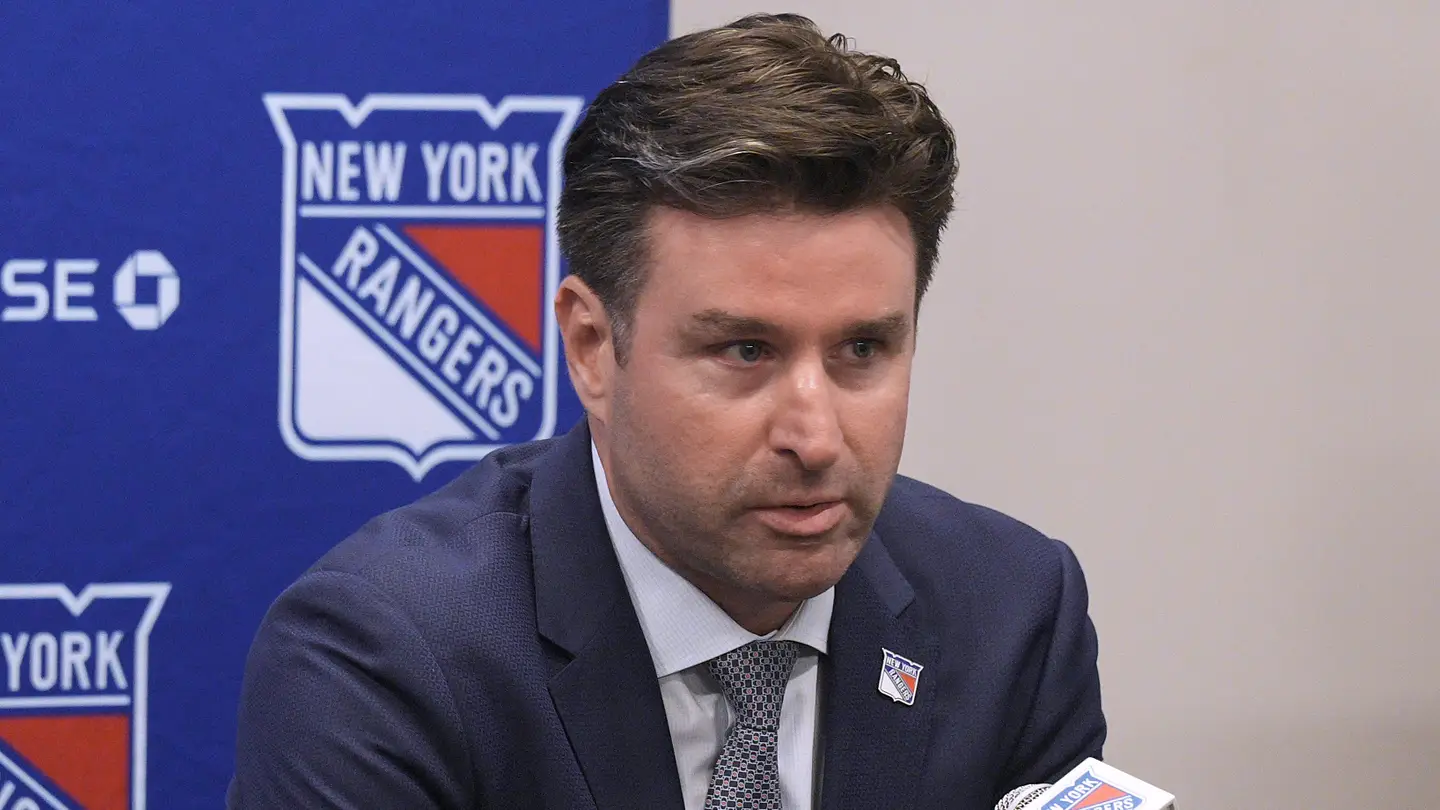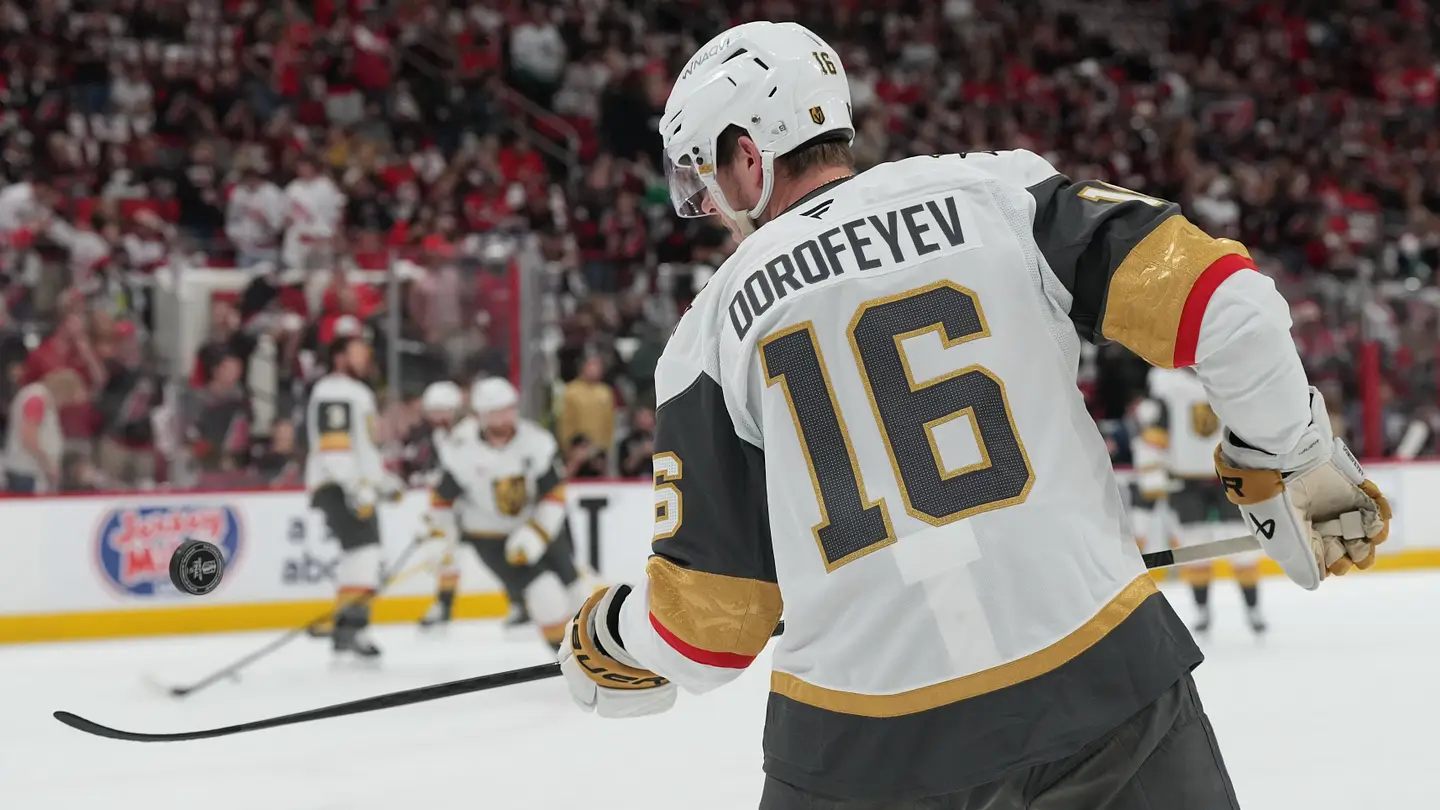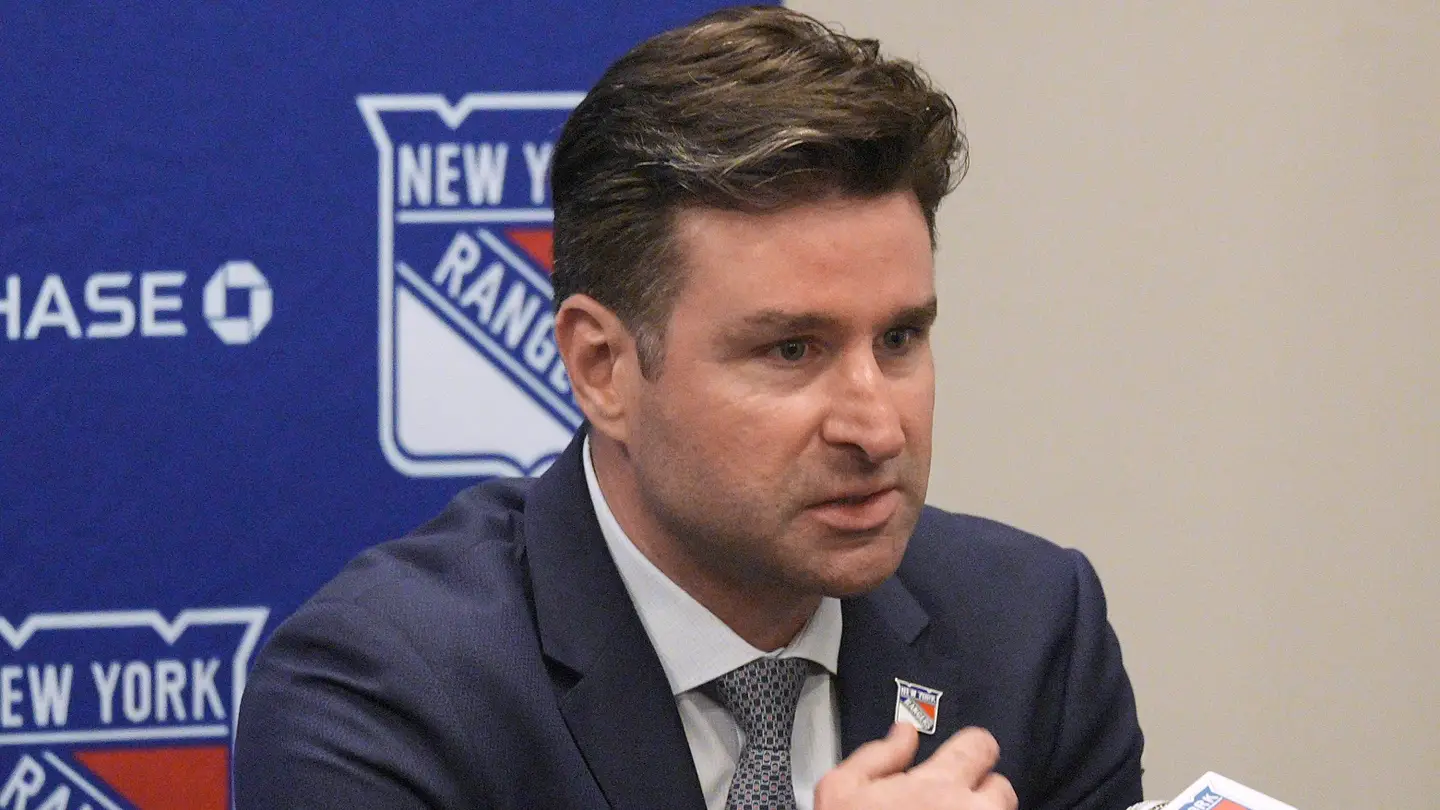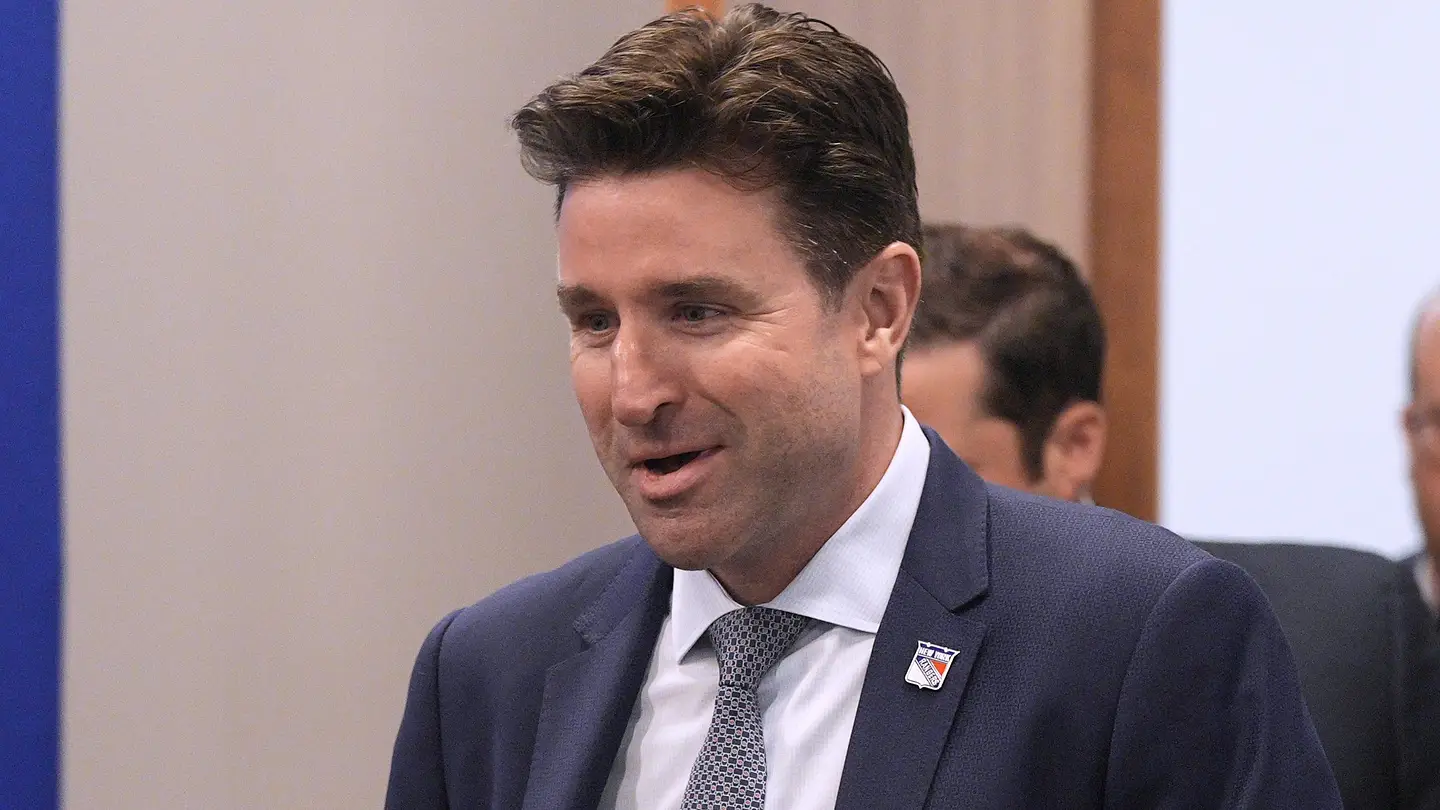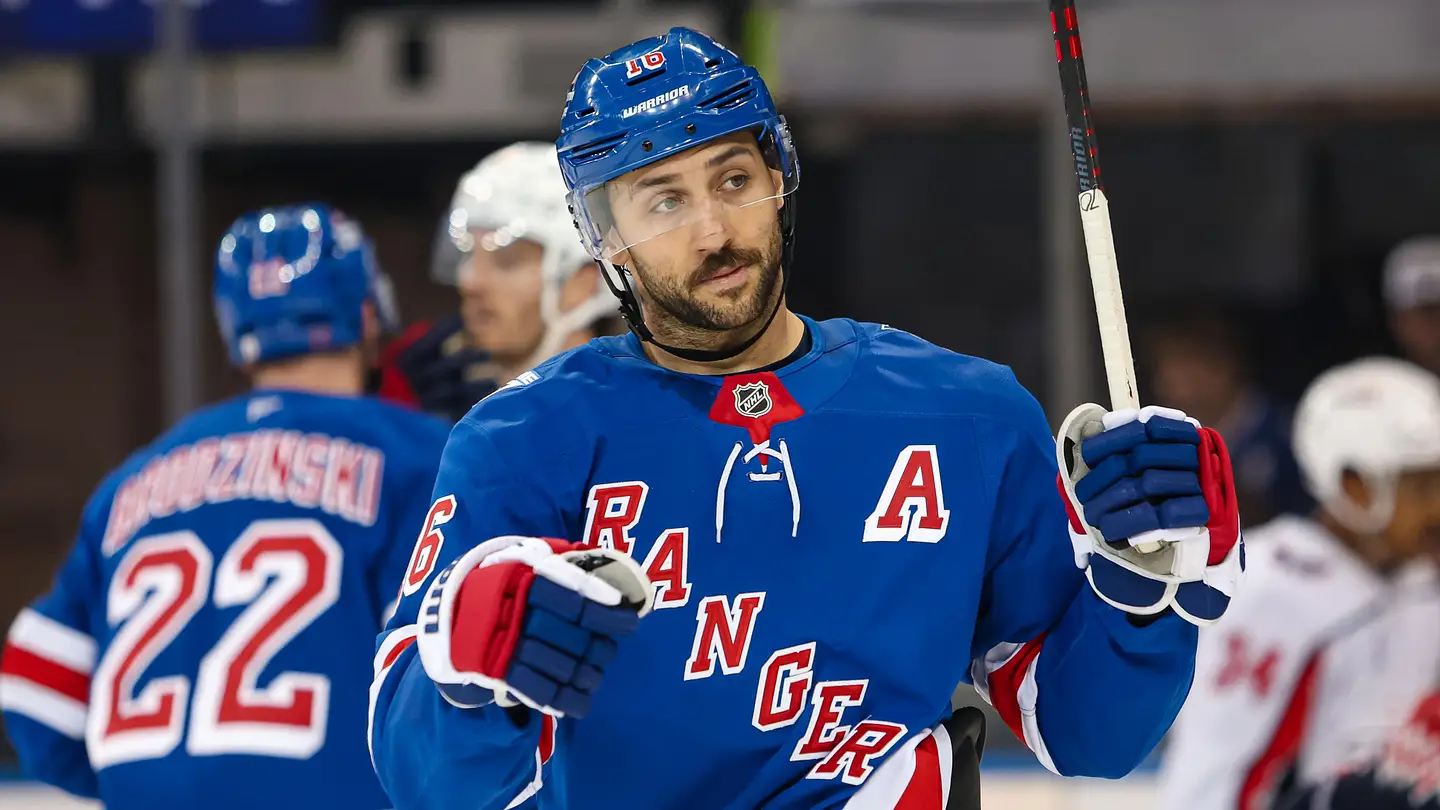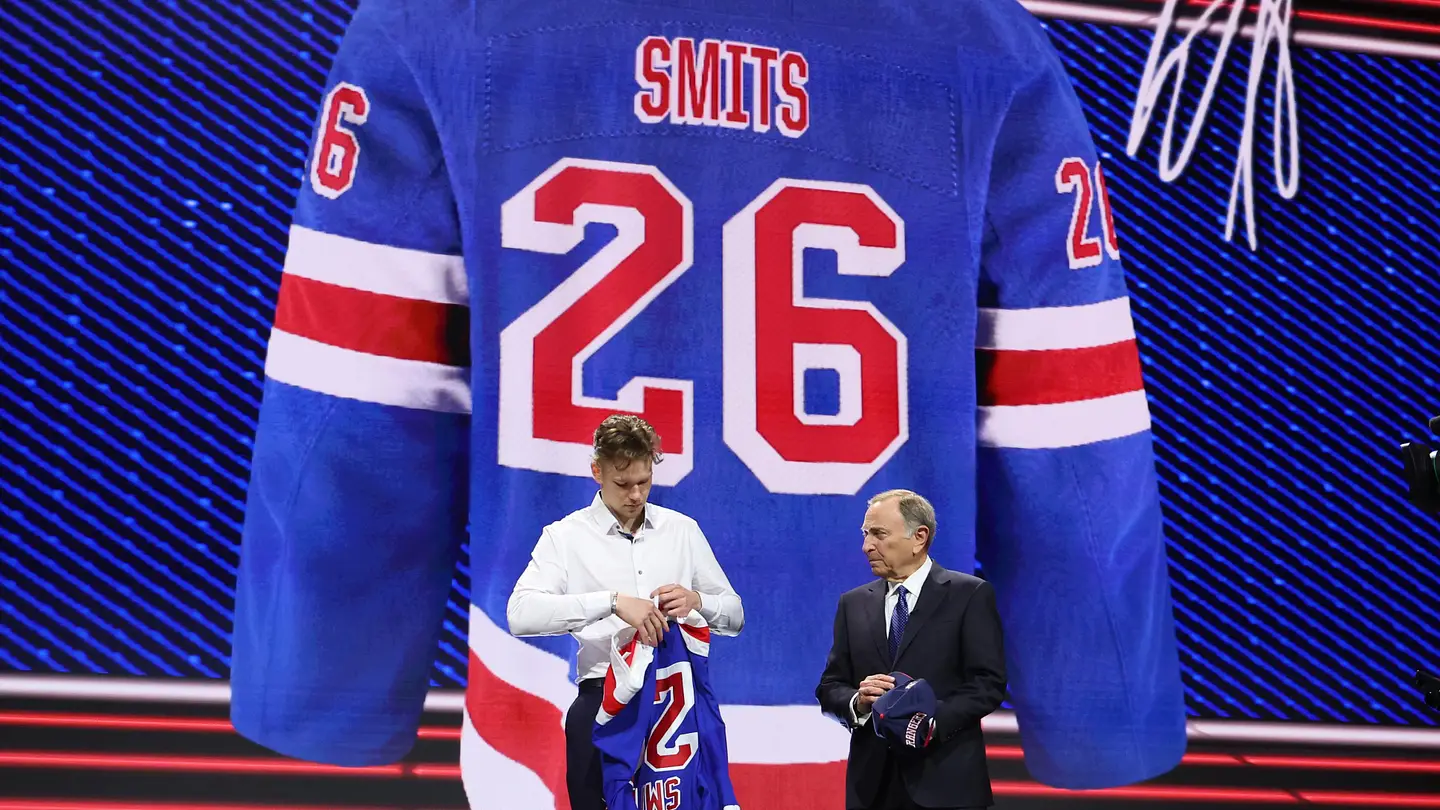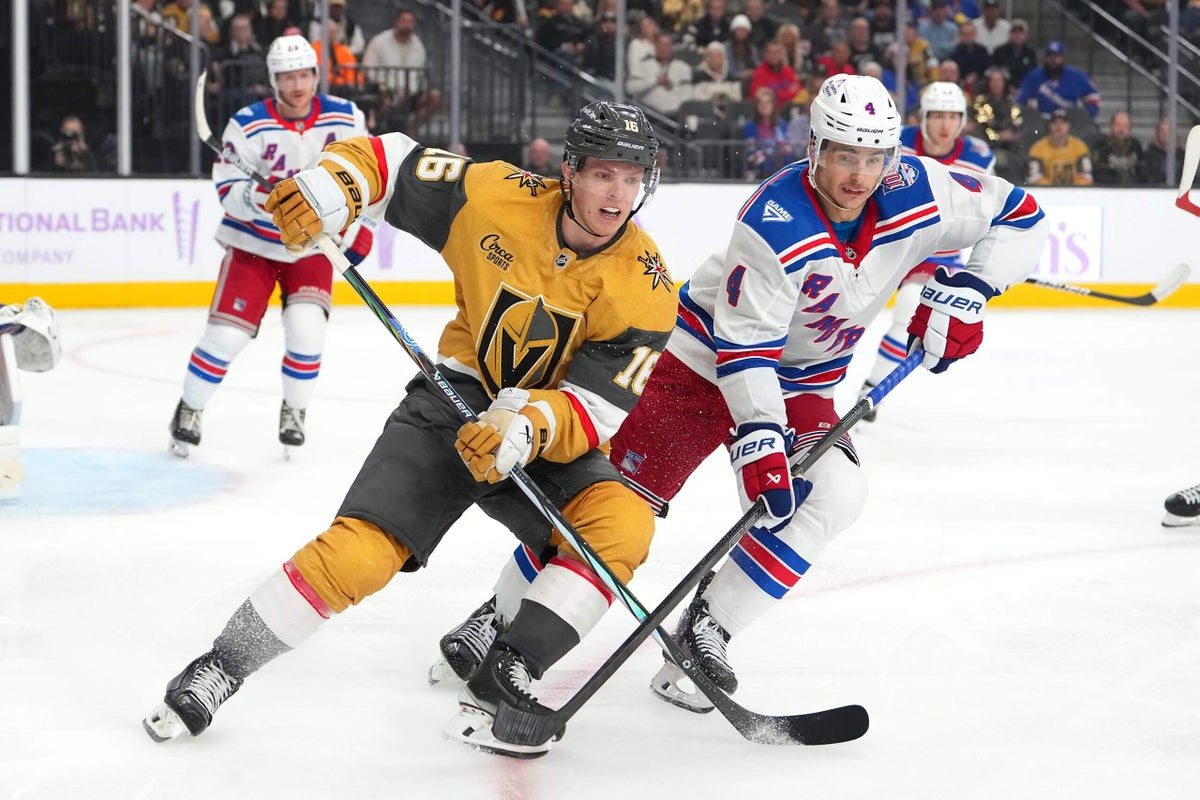
NEW YORK — The NHL draft is an annual pressure point for league general managers: an event ripe with trades and teams getting a clearer picture of their rosters ahead of free agency.Rangers president Chris Drury was one of the more active executives as the event was going on. Along with drafting a class headlined by No. 5 pick Alberts Šmits, he traded for Pavel Dorofeyev, a 35-plus goal scorer the past two seasons, and extended him for seven more years at $11 million average annual value. He also moved on from a pair of depth wingers, trading Brett Berard and Adam Edström to the Montreal Canadiens and Nashville Predators, respectively.More decisions are coming with free agency set to kick off Wednesday. Let’s run through the major questions facing Drury and the Rangers’ front office.Winners and losers from the 2026 NHL DraftScott WheelerWhat to do with Trocheck?This is the big one. Vincent Trocheck, who will be 33 at the start of the 2026-27 season, has been a trade candidate since before the March deadline. The Rangers held him out of the lineup one game for roster management purposes but opted to hold onto him: a bet that they’d get a better return over the summer.Trocheck changed representation to super-agent Pat Brisson, presumably to facilitate a deal he’s happy with this summer. A trade didn’t materialize at the draft, but it still feels more likely than not that one happens this summer. It’s hard to see the Rangers getting more value back in a deal if they wait, given Trocheck’s age, a potential boost from his Olympic gold medal contributions and the fact that his production might suffer without Artemi Panarin. The Buffalo Sabres have emerged as a team to watch, and the Toronto Maple Leafs are another potential fit.If the Rangers were to hold on to Trocheck, their top-six forward group would likely include him, Mika Zibanejad, J.T. Miller, Alexis Lafrenière, Gabe Perreault and now Dorofeyev. If Drury doesn’t get an offer he likes, he’ll have to decide if that group is compelling enough to hold onto Trocheck or if he needs to lower his asking price.If Trocheck is dealt, what are the ripple effects?If the Rangers trade Trocheck, they’ll have Zibanejad, Miller and Noah Laba as their returning NHL centers. That leaves a clear bottom-six hole that would need to be addressed via the return package for Trocheck, free agency or a separate trade. Jonny Brodzinski was a bottom-six option in past years, but he’s headed to free agency.Should Drury go the free-agent route, the likes of Teddy Blueger, Kevin Stenlund, Lars Eller and Noel Acciari could be candidates.In terms of internal options, Juuso Pärssinen and Justin Dowling have the most experience, but they combined for only 22 games played last year. Dylan Roobroeck, a 21-year-old prospect, had 20 goals two years ago but regressed to 11 last season. It’s hard to see any of them in the team’s opening night lineup unless there is a rash of injuries.What other forward upgrades does Drury pursue?At exit interviews day, coach Mike Sullivan mentioned the bottom-six forward group as an area he’d like to see improved over the offseason. New York has ample cap space to pursue upgrades, whether that’s just a fourth-line center or an additional winger, too. Wingers Brandon Duhaime and A.J. Greer both fit the identity the Rangers are hoping to build, and I mentioned both in a list of potential free agent targets last week.The Rangers could also try to add another top- or middle-six forward, which would have a trickle-down effect on the rest of the lineup. Colleagues Michael Russo and Joe Smith recently made it seem doubtful Mats Zuccarello will re-sign with Minnesota. A reunion could make sense if he and the Rangers are interested, especially since, at 38, Zuccarello presumably wouldn’t require a deal with much term. Someone like Mason Marchment — who can score and play with snarl — could be a multi-year option, but giving out long-term deals to free agents in their 30s is risky, especially considering the current state of the Rangers.Will he move a defenseman? How does he replace one if so?There’s been speculation around Braden Schneider’s name since Drury’s letter to fans in January announcing a retool. He’s a restricted free agent, so the Rangers have a decision to make on whether they want to commit to him or try to trade him. The term will be interesting if Drury opts for the former. AFP Analytics projects his next contract will come with a cap hit just over $4 million if he signs a one-year deal. The site’s long-term projection for Schneider is six years at just over $6 million average annual value.Will Borgen could also be worth watching. His full no-trade clause turns into a 15-team list next week. Both Borgen and Schneider play the right side, so if both remain on the Rangers, one will be playing on their off side — which went poorly last season — or on the third pair. If either is traded, New York will need to either add a right-shot defenseman in free agency or in a trade, or trust someone like Vincent Iorio or Scott Morrow to take a step forward and play third-pair minutes. Far from a guarantee.The Rangers have a hole at left defense, and Sullivan mentioned wanting more puck-moving on the blue line. A free agent like Pittsburgh’s Ryan Shea could help fill both needs. The Athletic previously reported the team has at least some interest in Ville Heinola, though he’s a less-proven option.Šmits is expected to sign his entry-level contract, so he could be another option at defense if the team decides he’s ready for NHL reps.What next in net?Jonathan Quick, the Rangers’ primary backup goalie the past three seasons, retired after 2025-26, opening the door for someone new to take the job as Igor Shesterkin’s No. 2. Dylan Garand, who was a restricted free agent, signed a two-year contract and is expected to compete for the job. Spencer Martin also has another year on his deal.Drury has to decide whether he trusts one of those two goalies as his primary backup or if he needs to pursue a backup on the market.
The Rangers’ biggest roster questions following a major trade and the NHL Draft
Chris Drury was a busy man during draft weekend, but the Rangers still need to decide Vincent Trocheck's future and patch various holes.
1,038 words~5 min read