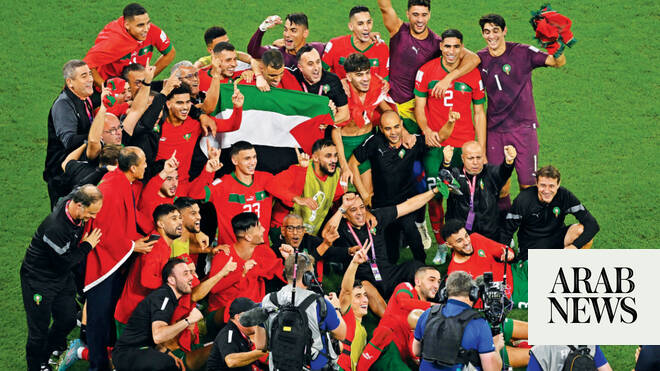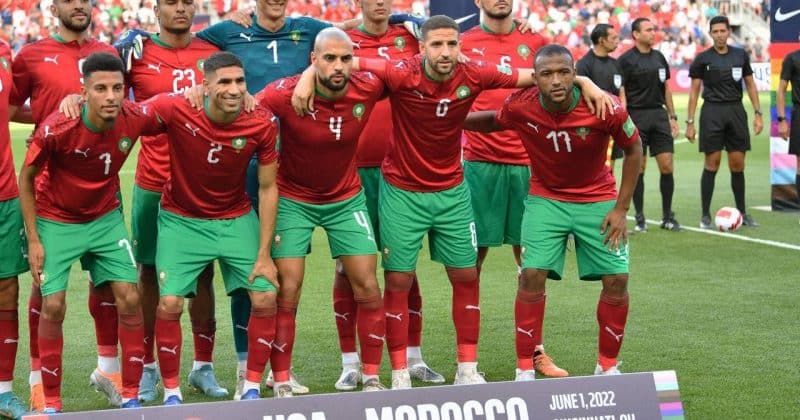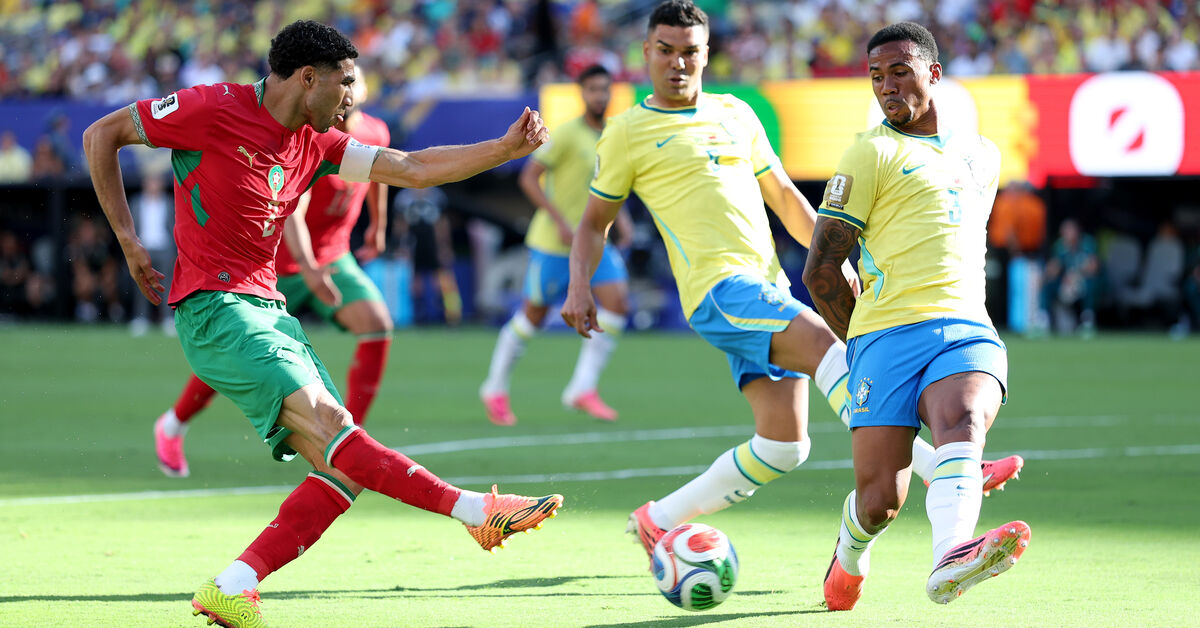
Morocco recently played Brazil to a draw at the 2026 World Cup. Close watchers of the game would not have been surprised had the North African giant won outright. Four years ago, when Morocco reached the semifinals in Qatar, the press received it as a fairy tale. What that coverage missed was the underlying implication: the geography of football competence had been quietly reorganizing for years before the established order noticed. The sport’s old cartography, in which European and South American dominance tracked so reliably with broader hierarchies of wealth and institutional depth that it barely seemed worth remarking on, has been redrawn.
What shifted was not aspiration alone but the patient accumulation of infrastructure, coaching depth, and institutional will in places the conventional rankings had written off. The same dynamic is now underway in artificial intelligence, and nowhere more consequentially than in the Middle East.
The standard account of who wins the AI race is structurally familiar: the United States and China have the chips, the compute, the talent, and the data. Everyone else consumes what they produce, on terms set in Palo Alto or Beijing. The Middle East plays the wealthy customer, purchasing frontier AI capabilities as an imported credential of modernity. The underlying assumption, shared across earlier technology debates, is that the established order is not seriously threatened from outside.