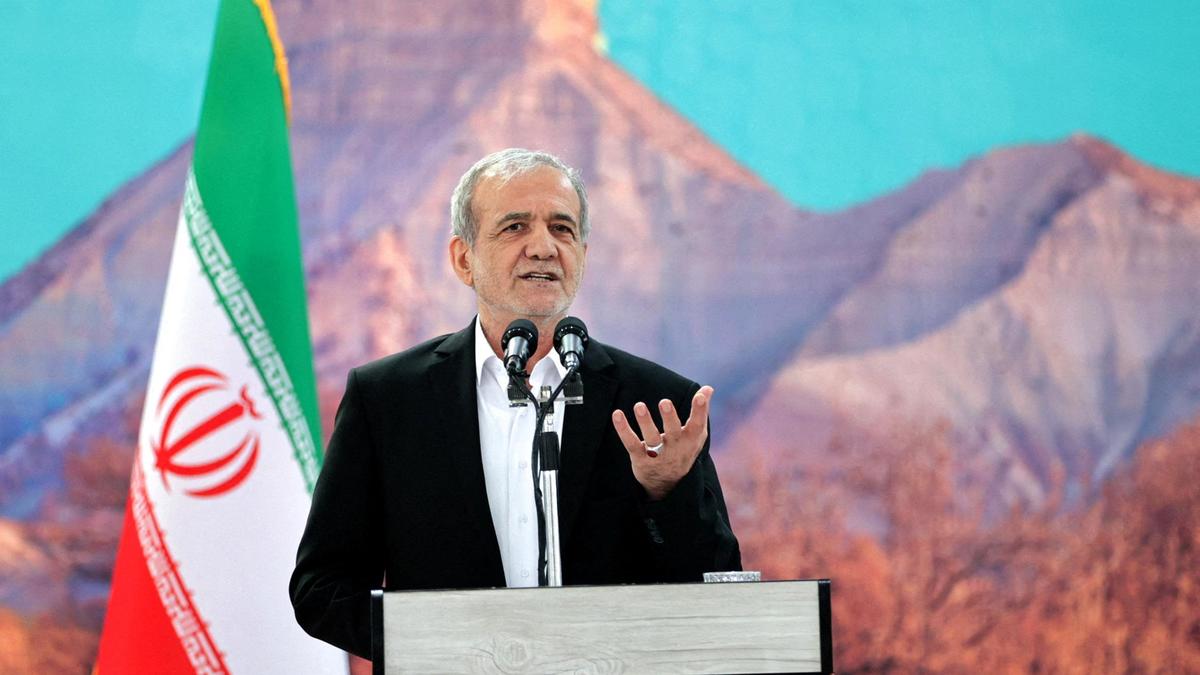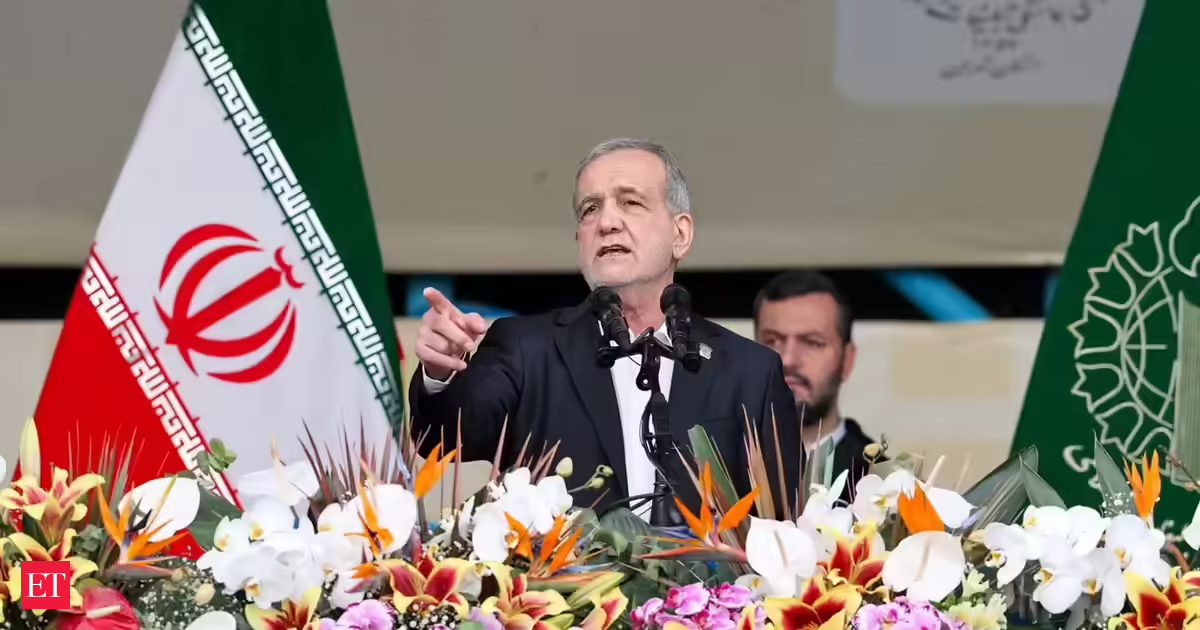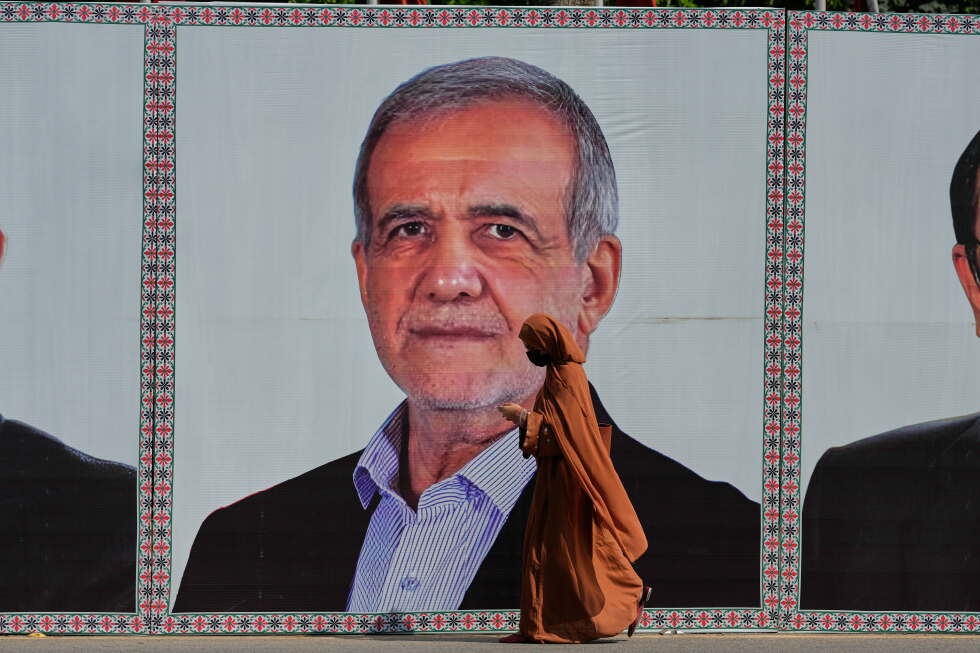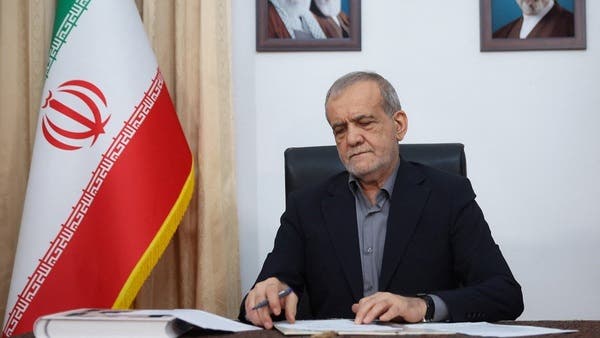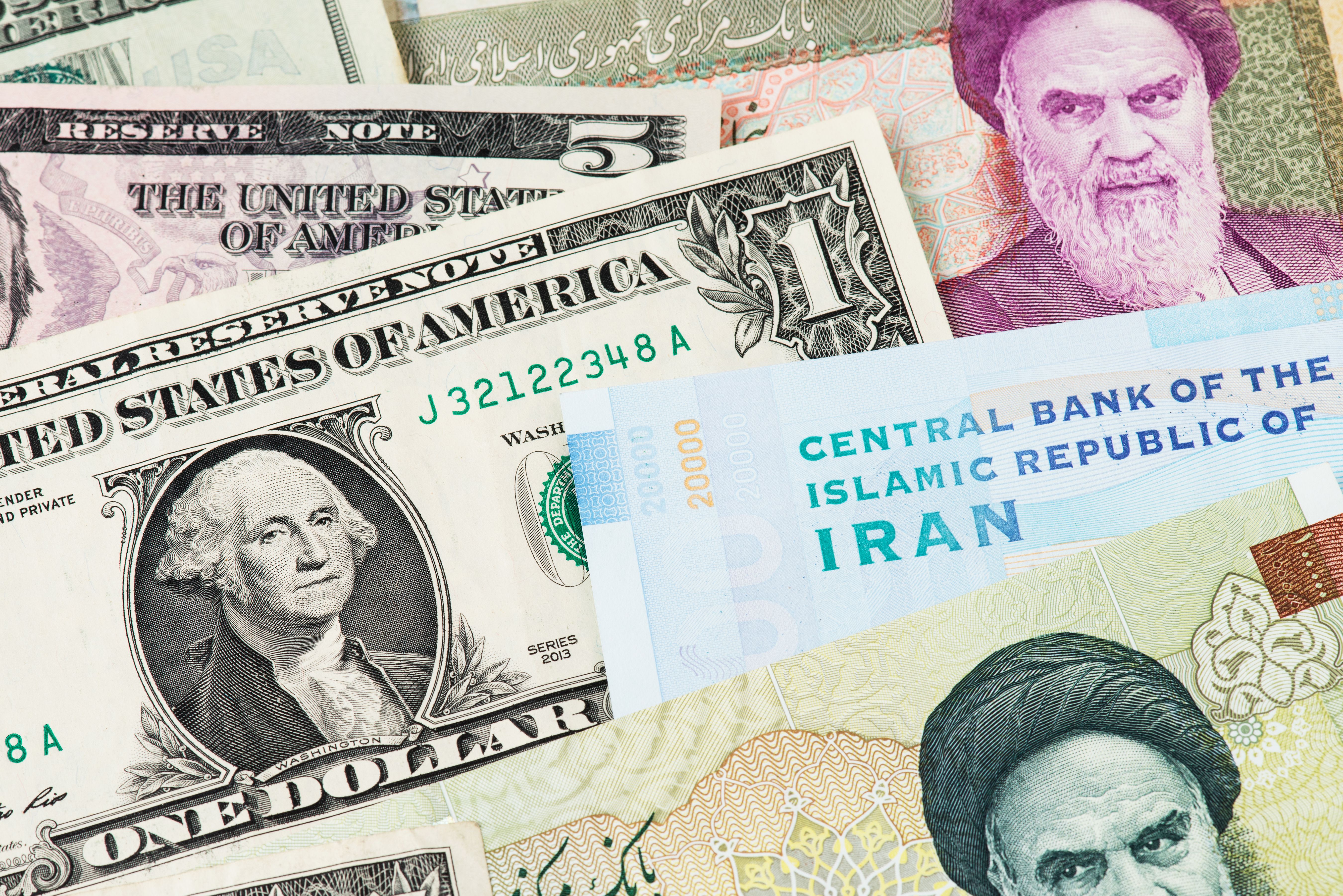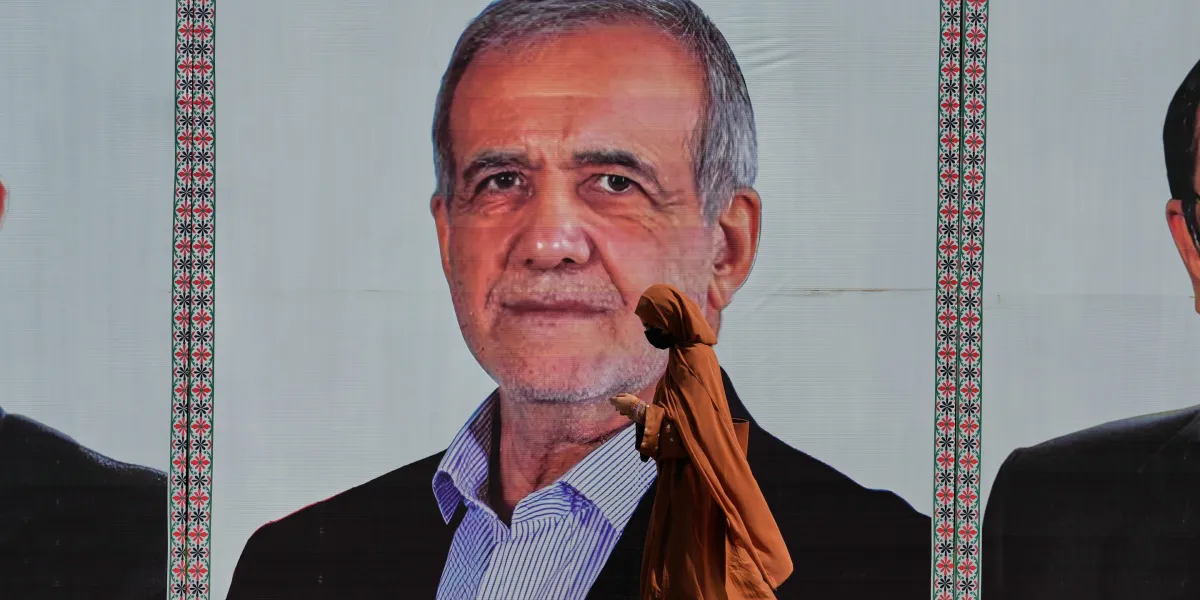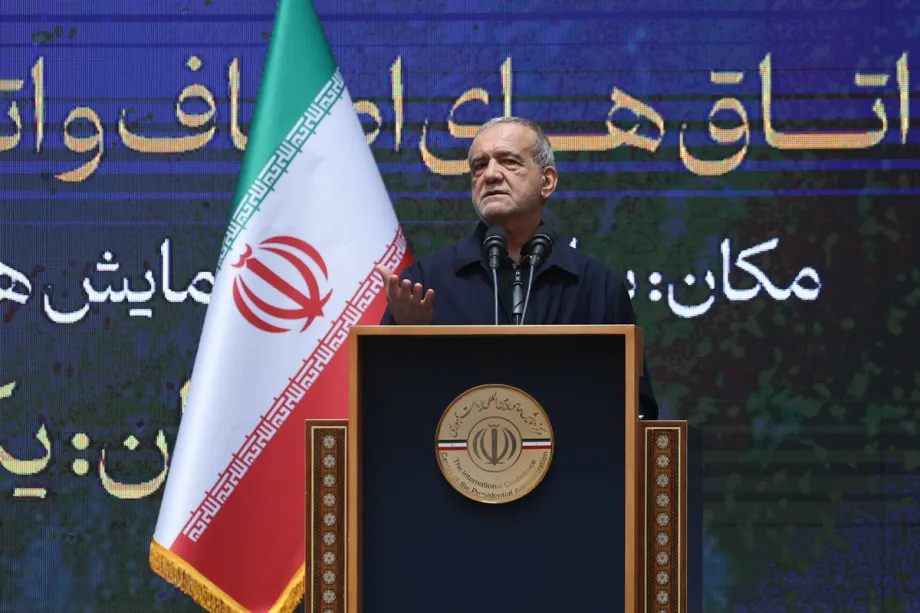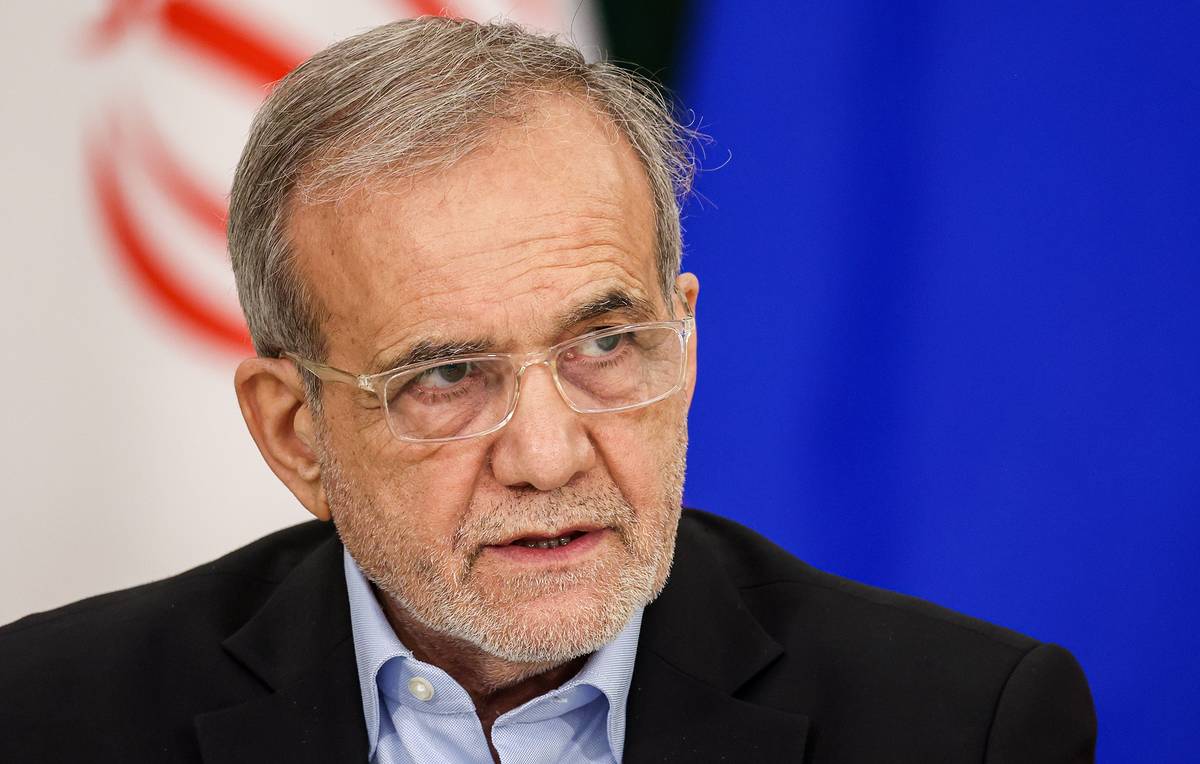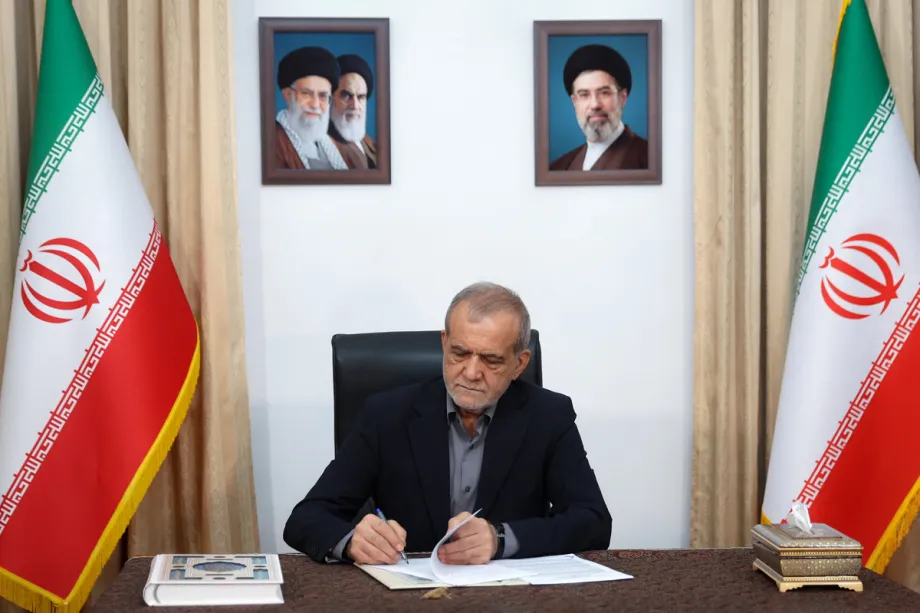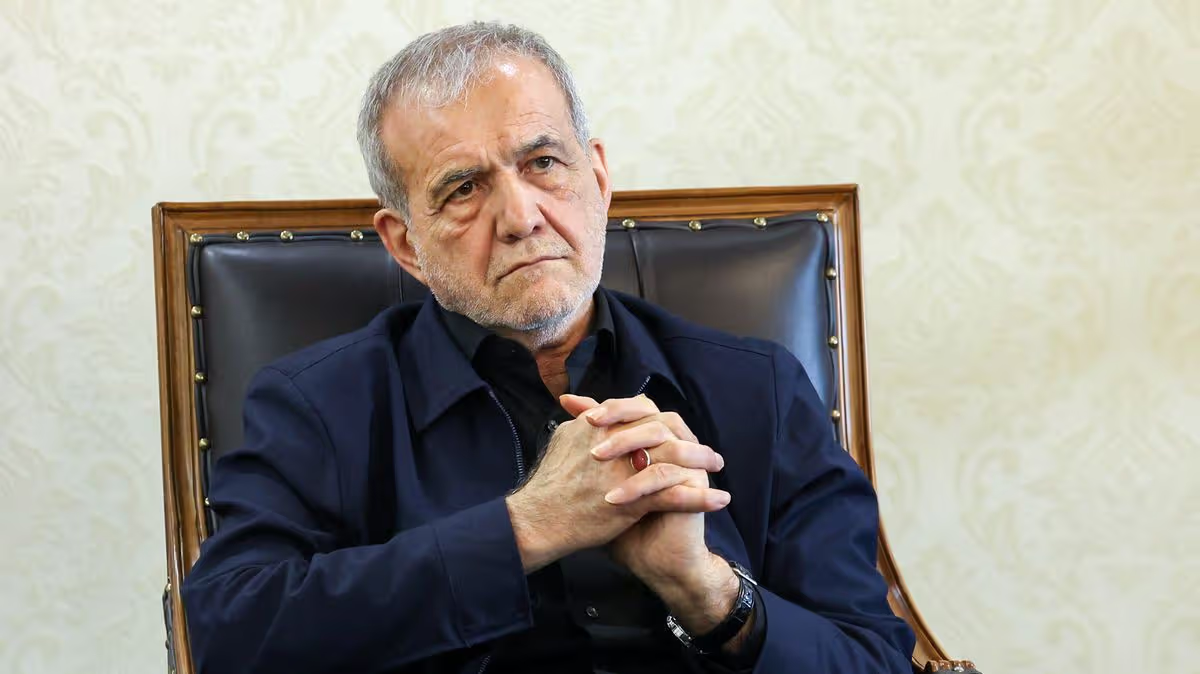
Iranian President Masoud Pezeshkian has said Qatar will release $6bn (£4.54bn) in frozen Iranian assets, as talks with the US have been challenged by attacks in and around the Strait of Hormuz10:45, 29 Jun 2026Updated 11:19, 29 Jun 2026Iran's president Masoud Pezeshkian has said $6bn (£4.54bn) in frozen Iranian assets will be released by Qatar.It comes after talks between Iran and the US were challenged by attacks in and around the Strait of Hormuz beginning on Thursday.Pezeshkian was quoted by the state-run IRNA news agency as saying: "Based on the plans made, six billion dollars out of the total 12 billion dollars of Iranian resources in Qatar will be released and returned to the country, and necessary follow-ups are being carried out."Pezeshkian is the highest-ranking official within Iran to reference the release of the funds held by Qatar, a key mediator in the negotiations with Pakistan. The remarks appeared aimed at selling the Iranian public on the interim deal. So far, US officials say no frozen Iranian assets have been released.A Trump administration official told The Hill, AFP and other outlets on Sunday that "technical talks are slated to continue on all areas of the MoU [memorandum of understanding]". "Both sides will stand down for now and vessels can move freely," the official added.The official referenced the 14-point MoU signed by both sides on June 17, which included an immediate end to military operations and the safe passage of commercial vessels with no charges for 60 days. Iran has not commented on reports that it has agreed to halt strikes.The US military said it carried out strikes on Iranian drone and missile storage facilities and coastal radar sites on Friday, in response to an Iranian attack on the Ever Lovely, a Singapore-flagged ship, as it exited the Strait of Hormuz near Oman on Thursday.The US military said it struck Iranian targets again on Saturday following an Iranian drone attack on the Kiku, a Panama-flagged oil tanker, as it transited near the Strait of Hormuz early that day. Iran then struck US military assets in Kuwait and Bahrain on Sunday.Both sides have accused each other of violating the ceasefire, with Tehran pointing to Israel's ongoing offensive in Lebanon, despite the agreement calling for a halt to military operations on all fronts.Friday's US strikes came shortly after President Donald Trump described the drone attack on the cargo ship as a "foolish violation of our Ceasefire Agreement" in a Truth Social post. Asked by reporters whether the US would respond, he said: "You’ll find out."Following Saturday's attacks, Trump wrote on Truth Social: "United States aircraft just struck Iranian missile and drone storage locations, and coastal radar sites, for violating the Cease Fire Agreement, AGAIN!"He added: "It is very possible that they will never learn! There may come a point when we are no longer able to be reasonable, and will be forced to militarily complete the job that we very successfully started. If that happens, the Islamic Republic of Iran will no longer exist!"On Sunday, Iran’s Islamic Revolutionary Guard Corps (IRGC) said its forces fired ballistic missiles and drones at US military facilities in Kuwait and Bahrain.Article continues belowKuwait, which hosts a major US military base, said its air defences intercepted Iranian drones and two missiles shortly after the US strikes on Iran. There were no reports of injuries or damage.Bahrain, which is home to the US Navy’s 5th Fleet, said Iranian strikes damaged a residential building near the international airport. The building was not near the naval headquarters, and there were no reports of fatalities.Later on Sunday, Qatar said a civilian had been killed and another injured by shrapnel related to "military operations in the area" after a vessel failed to return at its scheduled time on Saturday. It did not provide further details.
Iran to receive $6bn in frozen assets as US peace talks resume, president claims
Iranian President Masoud Pezeshkian has said Qatar will release $6bn (£4.54bn) in frozen Iranian assets, as talks with the US have been challenged by attacks in and around the Strait of Hormuz
632 words~3 min read