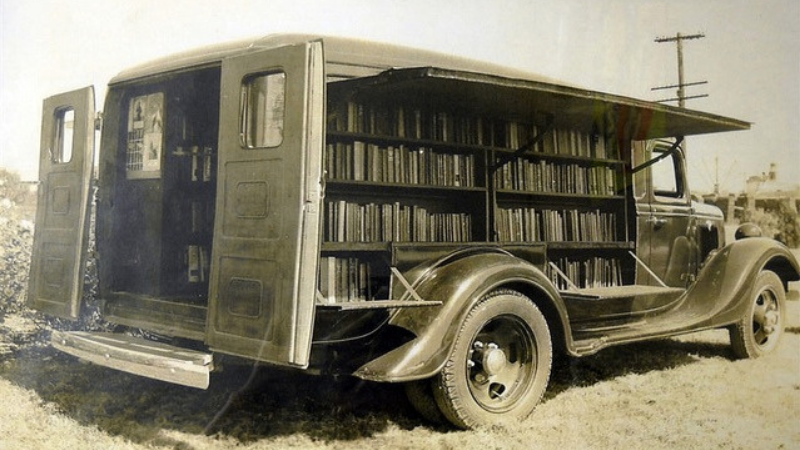
When I was a child, the public library in my small Alabama town, a one-story frame building that had once been the train depot, was off-limits to me. This was the early 1960s, more than a decade before the schools were integrated and “public” buildings became accessible to all. As Black children, my siblings and I could only use the bookmobile that arrived during the summer months and parked in front of our community’s elementary school.Article continues after advertisement
The bookmobile was wonderful, though. Its interior felt cavernous, like the inside of the school bus that my uncle drove, except bookshelves lined the interior instead of bench seats. Every summer for three years, between the ages of three and five, I checked out the same book. As an adult, I have periodically searched for this book, to satisfy my curiosity over my perceived memories, but only recently did I find what I was looking for.
As the youngest of five children, I spent years at home while my older siblings went to school. Kindergarten programs didn’t exist at the time, so lucky kids like me learned to read, write and recite famous speeches like the Gettysburg Address from their older siblings.
My mother sent us to the bookmobile with orders to bring home at least two books each, and to be ready to discuss them with her at the supper table once they’d finished reading.